Durable Car Wash Service Station Equipment for Efficient Operations
Car Wash Service Station Equipment: A Veteran’s Take
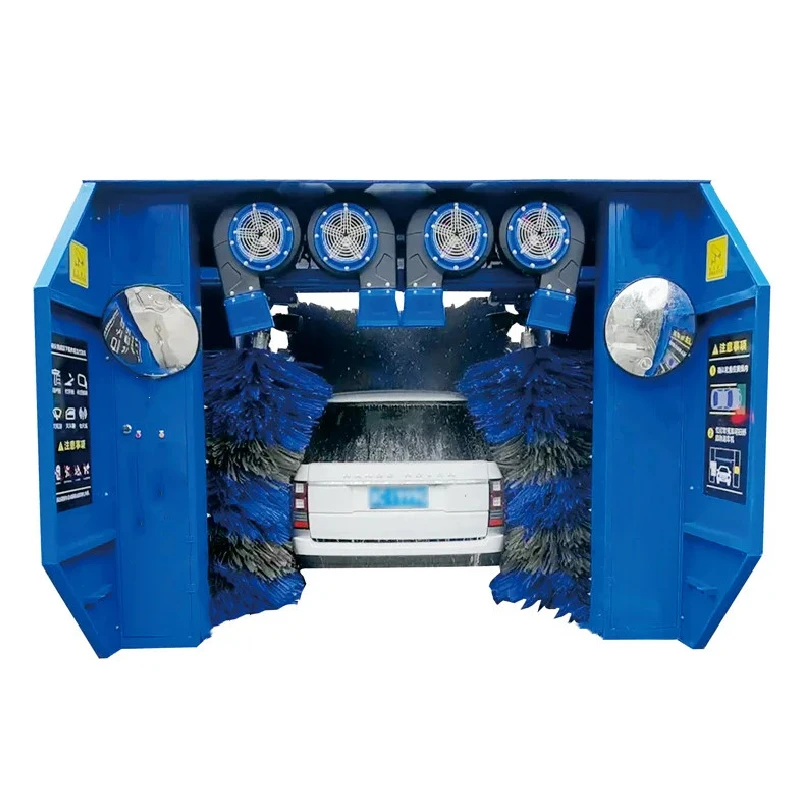
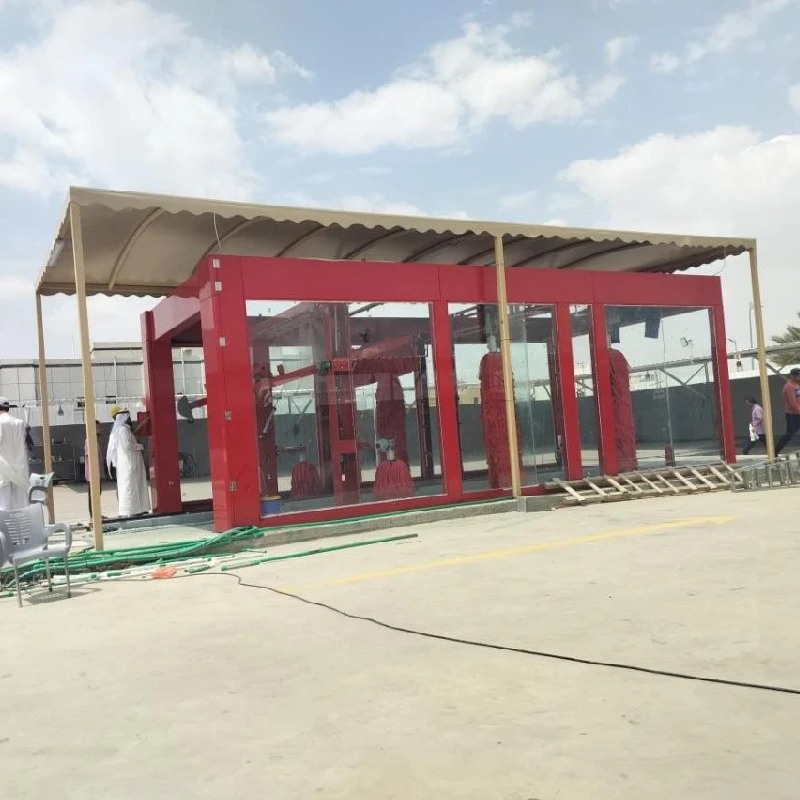
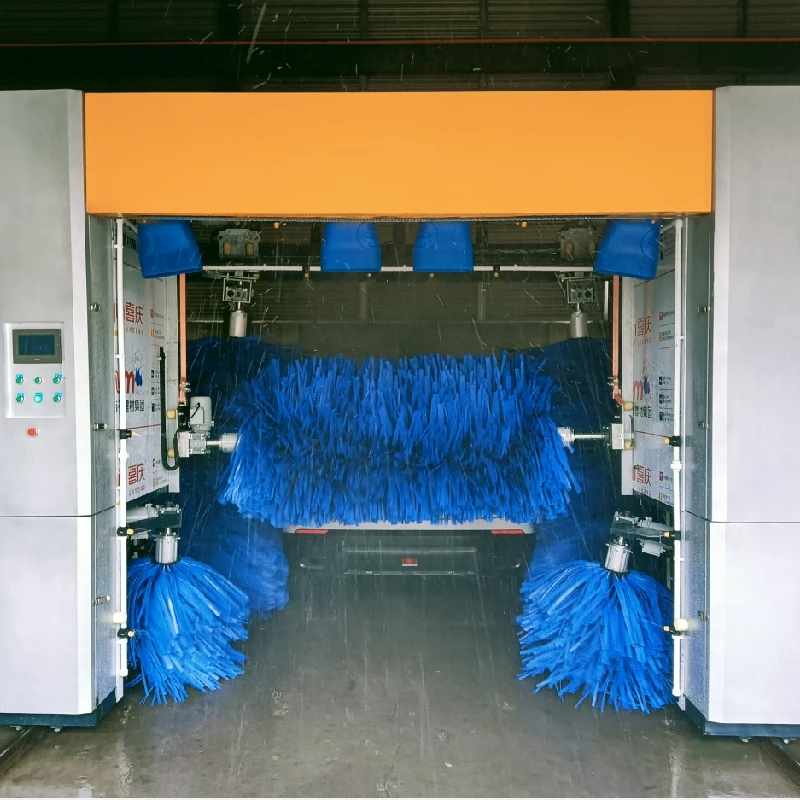
Having spent well over a decade navigating industrial equipment—specifically car wash service station equipment—I find it odd how little people talk about the nuts and bolts behind what cleans our daily drivers. Honestly, there’s more engineering and craftsmanship packed into these systems than you might suspect at first glance.
Back when I first started, car wash stations were mostly arbitrary compounding of pumps, soap tanks, and rotating brushes that seemed a bit haphazard. Today, things have moved on considerably. Modern equipment is extremely modular—engineers now design components with durable stainless steel and reinforced polymers that stand the relentless abuse from chemicals, weather, and constant motion. It feels like every part is tested rigorously, oftentimes in harsh factory labs simulating years’ worth of use in mere weeks.
Take automated conveyor systems for example. They used to be slow and prone to jams, but manufacturers now innovate with precision rollers and sensors that regulate flow without denting or scratching paint. I once heard a supplier say, "the devil’s in the detail," and in this field, that’s spot-on.
What I find sort of fascinating is how customization is king nowadays. Service stations aren’t just buying off-the-shelf models; they’re specifying exact brush materials, water recycling modules, and even software interfaces to streamline payment and operation. This has made equipment providers all the more competitive, striving to redesign with adaptability and ultimate user experience in mind.
Here’s a little spec snapshot of typical top-grade car wash station equipment you might consider:
| Component | Specification | Material / Feature |
|---|---|---|
| High-Pressure Pump | Up to 150 bar @ 20 L/min | Stainless steel internals, corrosion-resistant |
| Rotary Brush System | 1200 RPM, adjustable pressure | Soft nylon bristles, anti-scratch coating |
| Water Recycling Tank | Capacity 2000 liters | Polyethylene, UV stabilized |
| Control Panel | Touchscreen, IP65 rated | Industrial-grade electronics |
Since you’re likely wondering how the big players stack up, here’s a quick vendor comparison table. I’ve worked with or inspected equipment from these manufacturers and frankly, there’s a world of difference in cost, build quality, and after-sales support:
| Vendor | Price Range | Durability | Customization | Customer Support |
|---|---|---|---|---|
| DyCar Washer | $$$ | Excellent (10+ yrs typical lifespan) | Highly customizable | Responsive, with global coverage |
| CleanSweep Inc. | $$ | Good (7-8 years lifespan) | Limited options | Standard business hours |
| EcoWash Systems | $ | Average (5-6 years lifespan) | Moderate | Mostly online support |
One memorable story comes to mind: A regional service station I know switched to a DyCar Washer setup about three years ago. They noticed not only improved vehicle finish quality (customers commented frequently on how “gentle” it was on paint) but also a 20% decrease in water consumption thanks to smart recycling features. The ROI, in real terms, was quite impressive—especially since the system slashed downtime thanks to remote diagnostics.
Looking ahead, integration with IoT and green tech will only accelerate. I suppose that making equipment ever more efficient and sustainable is the greatest engineering challenge—and opportunity—the sector faces now.
In summary, the world of car wash service station equipment isn’t just about shiny cars; it’s a complex interplay of durable materials, clever design, and tailored solutions. If you’re in the market, I encourage you to think about not just upfront price but longevity, environmental impact, and how easy the system is to maintain. Those details, frankly, make a world of difference.
References:
- Industry Equipment Standards, ASTM International, 2023
- Manufacturer’s durability test reports, DyCar Washer, 2022
- Case Study: Regional Service Station Efficiency, CleanTech Journal, 2021
-
Best High Pressure Water Jet for Car Wash and Detailing GuideNewsApr.16,2026
-
Professional High Pressure Water Car Wash Systems GuideNewsApr.09,2026
-
Unlock a Professional Shine with High Pressure Spray Wax TechnologyNewsApr.07,2026
-
Choosing the Right High Pressure Nozzle for Car Wash and DetailingNewsApr.04,2026
-
Choosing the Right High Pressure Car Cleaner for Optimal Vehicle CareNewsMar.31,2026
-
Investing in a High Power Car Washing Machine for Business EfficiencyNewsMar.28,2026