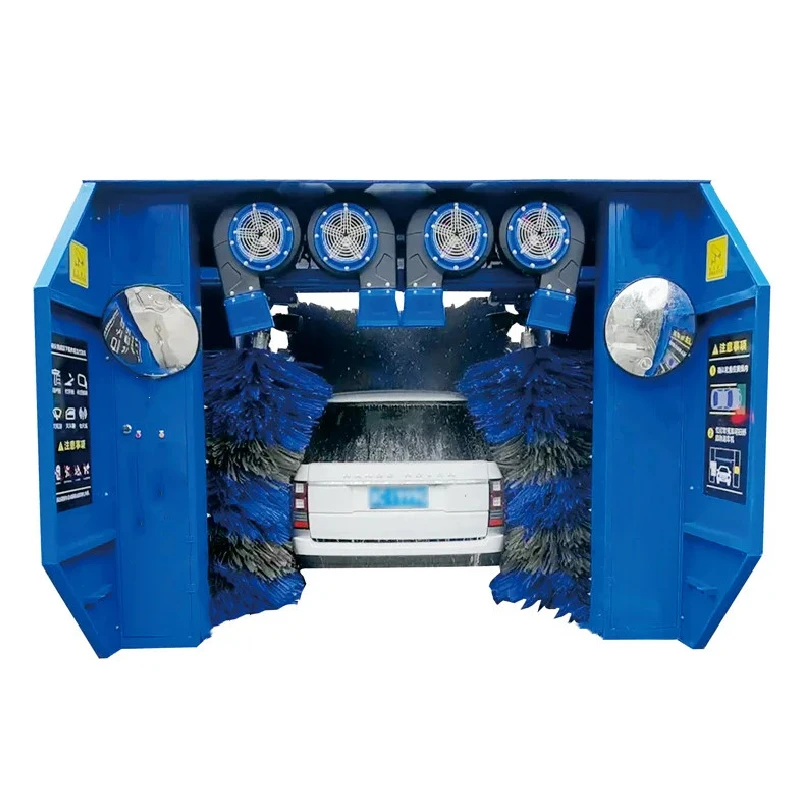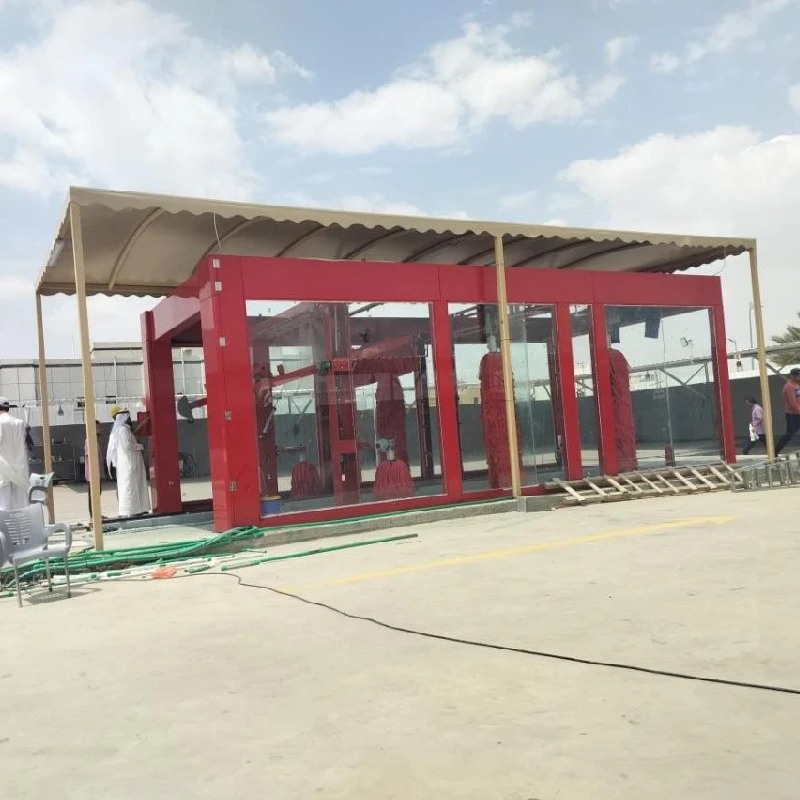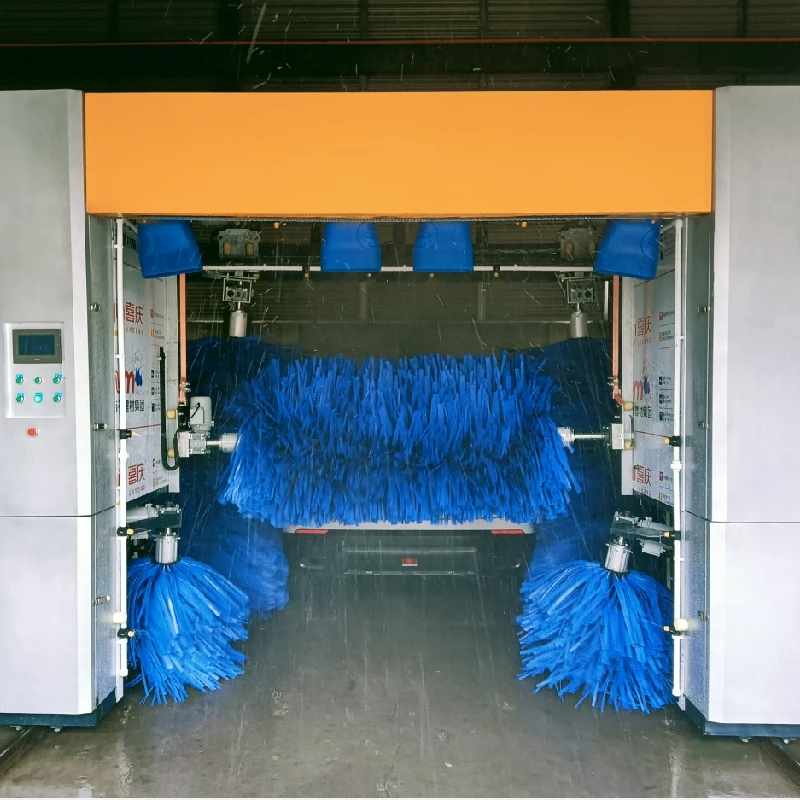
Choosing the Right High Pressure Car Cleaner for Optimal Vehicle Care
Choosing the Right High Pressure Car Cleaner for Your Needs
Keeping your vehicle clean can be a challenge, but with the right equipment, it doesn’t have to be. A high pressure car cleaner provides a powerful and efficient way to remove dirt, grime, and other debris. This article will guide you through the benefits of using a high-pressure car cleaner, key features to consider, different types available, and how to choose the best one for your specific needs. Whether you're a car enthusiast or simply want to maintain a clean vehicle, understanding the options available is crucial. We’ll explore why investing in a quality cleaner can save you time and effort while protecting your vehicle’s finish.
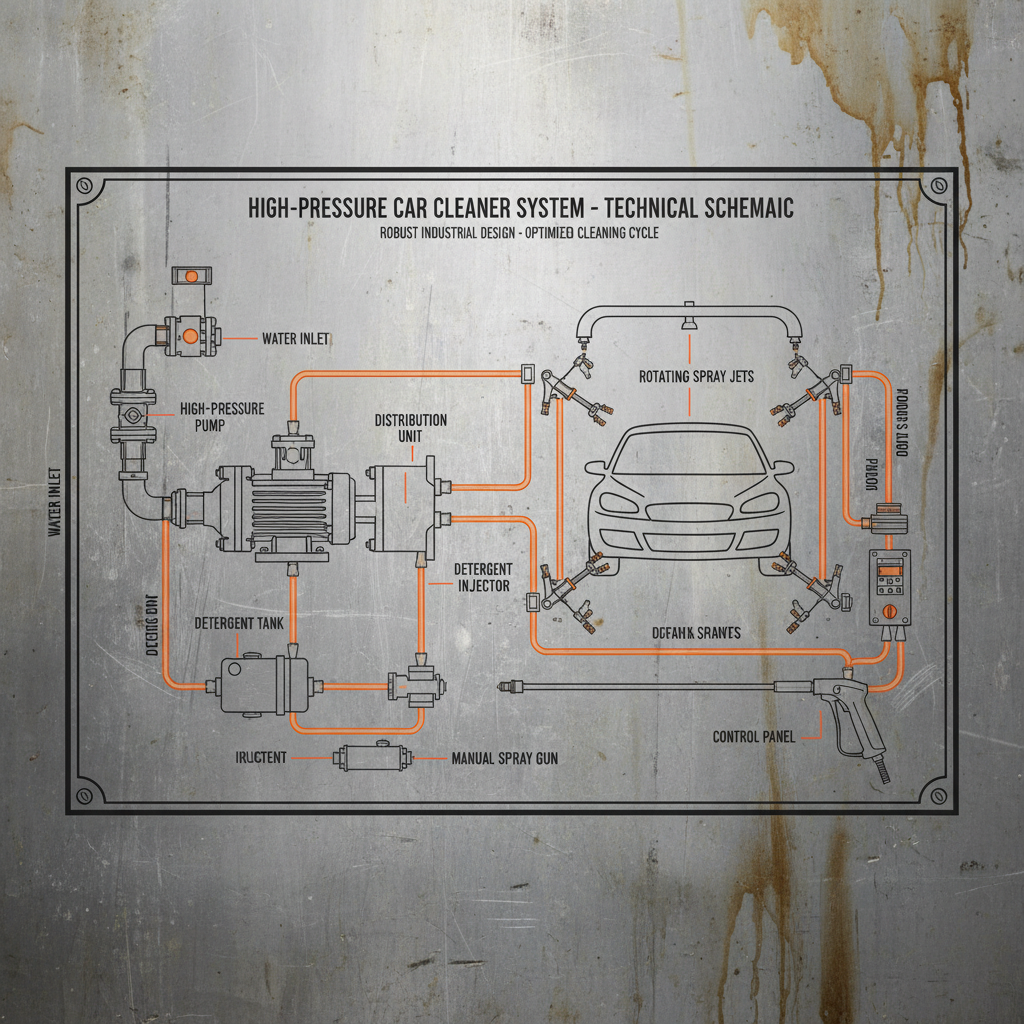
The Benefits of Using a High Pressure Car Cleaner
Using a high pressure car cleaner offers numerous advantages over traditional washing methods. The increased pressure allows for more effective removal of stubborn dirt and grime, reducing the need for harsh chemicals and excessive scrubbing. This not only saves you time and effort but also minimizes the risk of scratches and swirl marks on your vehicle’s paint. Furthermore, high-pressure cleaners can reach areas that are difficult to access with a sponge or cloth, such as wheel wells and undercarriage. They are also highly versatile and can be used for a variety of other cleaning tasks around your home, from cleaning patios and driveways to washing outdoor furniture. Investing in a quality machine can provide significant long-term value.
Key Advantages: Effective dirt removal, time savings, minimized scratching, versatility, and reaching difficult areas.
Different Types of High Pressure Car Cleaners
There are primarily two types of high pressure car cleaners available: electric and gas-powered. Electric models are generally more affordable, quieter, and easier to maintain. They are ideal for occasional use and smaller cleaning tasks. Gas-powered cleaners, on the other hand, offer greater power and portability. They are suitable for heavy-duty cleaning, larger vehicles, and situations where access to electricity is limited. The choice between the two depends on your specific cleaning needs and budget. Consider the frequency of use, the size of the vehicles you’ll be cleaning, and the availability of power outlets when making your decision. DY Car Washer offers both types to fit a range of needs.
Choosing the Right Type:
• Electric: Affordable, quiet, easy maintenance, suitable for occasional use.
• Gas-Powered: High power, portable, suitable for heavy-duty cleaning.
Key Features to Consider When Choosing a High Pressure Car Cleaner
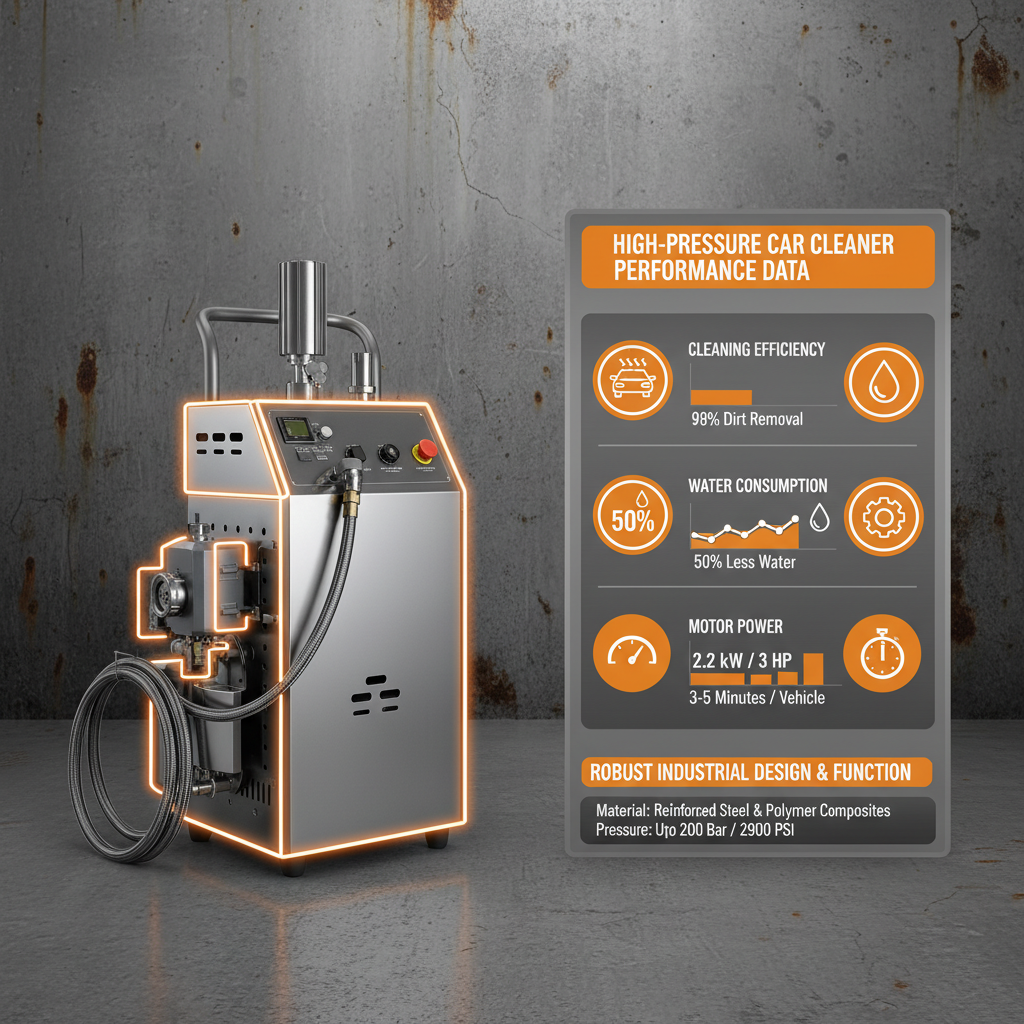
When selecting a high pressure car cleaner, several key features should be considered. PSI (pounds per square inch) measures the water pressure, with higher PSI indicating more cleaning power. GPM (gallons per minute) indicates the water flow rate; a higher GPM means faster rinsing. Nozzle selection is also important, as different nozzles provide different spray patterns for various cleaning tasks. Look for a cleaner with adjustable pressure settings to avoid damaging your vehicle’s paint. Other features to consider include hose length, portability, and included accessories. Ensure the cleaner is equipped with safety features such as an automatic shut-off function. DY Car Washer models prioritize both power and safety.
Maintaining Your High Pressure Car Cleaner
Proper maintenance is crucial for extending the lifespan of your high pressure car cleaner. After each use, flush the machine with clean water to remove any soap or debris. Inspect the hose for leaks or damage. Store the cleaner in a dry, frost-free location. If you have an electric model, ensure the power cord is properly stored to prevent damage. Periodically check the filters and nozzles for clogs and clean or replace them as needed. Following these simple maintenance steps will ensure your cleaner continues to perform optimally for years to come. Refer to the manufacturer’s instructions for specific maintenance recommendations.
Conclusion: Investing in a Cleaner Vehicle and Convenience
A Clean Car is Within Reach
Investing in a high pressure car cleaner is a smart choice for any vehicle owner. It offers a convenient, efficient, and effective way to maintain a clean and well-preserved vehicle. By understanding the different types, key features, and maintenance requirements, you can select the best cleaner to meet your needs and enjoy the benefits of a sparkling clean car for years to come. Visit DY Car Washer today to explore our wide selection.
Frequently Asked Questions (FAQs)
What PSI is sufficient for washing a car?
Generally, a PSI between 1900 and 2800 is considered ideal for washing cars. Lower PSI may not be effective at removing stubborn dirt, while higher PSI could potentially damage the paint. Many modern high pressure car cleaners offer adjustable pressure settings, allowing you to customize the intensity based on the surface you're cleaning. It's always best to start with a lower pressure and gradually increase it as needed. Using the correct nozzle for the task is also critical. For delicate surfaces, a wider nozzle is recommended to distribute the pressure more evenly.
Can I use soap in my high pressure car cleaner?
Yes, most high pressure car cleaners are designed to work with car wash soap specifically formulated for pressure washers. However, it’s crucial to use a soap that is pH-neutral and doesn’t contain harsh chemicals that could damage your vehicle’s paint. Many cleaners have a built-in soap dispenser that automatically mixes the soap with the water. Always follow the manufacturer’s instructions for the proper soap-to-water ratio. Avoid using household detergents or abrasive cleaners, as they can cause scratches and swirl marks.
How do I prevent damage to my car’s paint when using a high pressure cleaner?
Preventing paint damage requires several precautions. Always use a wide spray nozzle, start with the lowest pressure setting, and maintain a safe distance from the vehicle’s surface – at least 12-18 inches. Avoid focusing the spray on delicate areas such as trim, emblems, and windows. Never point the nozzle directly at tires or rubber seals, as this can cause damage. Also, rinse the vehicle thoroughly after applying soap to remove all residue. Utilizing quality car wash soap designed for pressure washers is also essential. Properly maintaining your equipment and following these guidelines will help ensure a safe and effective cleaning experience.
What safety precautions should I take when using a high-pressure car cleaner?
Safety is paramount when operating a high pressure car cleaner. Always wear safety glasses to protect your eyes from debris. Avoid pointing the nozzle at people or animals. Ensure the area is well-ventilated, especially when using a gas-powered model. Never attempt to modify the cleaner or bypass any safety features. Inspect the hose and connections before each use to ensure they are secure. Be mindful of your surroundings and avoid slippery surfaces. Follow all manufacturer’s instructions and safety guidelines.
-
Best High Pressure Water Jet for Car Wash and Detailing GuideNewsApr.16,2026
-
Professional High Pressure Water Car Wash Systems GuideNewsApr.09,2026
-
Unlock a Professional Shine with High Pressure Spray Wax TechnologyNewsApr.07,2026
-
Choosing the Right High Pressure Nozzle for Car Wash and DetailingNewsApr.04,2026
-
Investing in a High Power Car Washing Machine for Business EfficiencyNewsMar.28,2026