Best High Pressure Water Jet for Car Wash and Detailing Guide
The Ultimate Guide to Choosing a High Pressure Water Jet for Car Wash
Maintaining a vehicle's pristine appearance requires more than just a bucket and a sponge. Utilizing a professional-grade high pressure water jet for car wash ensures that stubborn grime, road salt, and deep-seated dirt are removed efficiently without damaging the paintwork. Whether you are a car enthusiast looking for a home setup or a business owner scaling a professional detailing center, understanding the mechanics of pressure washing is key to achieving a showroom finish. In this guide, we will explore the technical aspects, benefits, and selection criteria for the best pressure washing equipment.
Why Use a High Pressure Water Jet for Car Wash?
The primary advantage of using a high pressure water jet for car wash is the sheer efficiency of water delivery. By concentrating water into a narrow, high-velocity stream, these machines can dislodge debris that low-pressure hoses simply cannot move. This process significantly reduces the need for aggressive scrubbing, which is the leading cause of "swirl marks" and micro-scratches on automotive clear coats. Furthermore, the high pressure allows for a faster rinse cycle, saving both time and water in the long run.
Pro Tip: Always start with a high-pressure rinse to remove loose grit before applying soap. This prevents you from rubbing abrasive particles into the paint during the contact wash phase.
Understanding PSI and GPM in Pressure Washing
When shopping for a high pressure water jet for car wash, you will encounter two main metrics: PSI (Pounds per Square Inch) and GPM (Gallons per Minute). PSI represents the striking force—the ability to break the bond between dirt and the surface. GPM represents the rinsing capacity—how much water is available to flush the debris away. For automotive use, a balance is required; too much PSI can damage tires or trim, while too little GPM makes the rinsing process tedious.
The Golden Rule for Car Washing:
• Low Pressure (1000-1500 PSI): Ideal for delicate surfaces and foam application.
• Medium Pressure (1500-2500 PSI): Perfect for wheels, chassis, and heavy mud.
• High Pressure (2500+ PSI): Generally reserved for concrete driveways, not car paint.
Comparing Different Types of High Pressure Water Jets
Not all pressure washers are created equal. Depending on your budget and the volume of cars you wash, you may choose between electric and gasoline-powered units. Electric models are quieter and easier to maintain, making them perfect for residential driveways. Gasoline models offer immense power and portability for mobile detailing businesses. The right high pressure water jet for car wash should match your specific operational scale.
Essential Accessories for Your High Pressure Water Jet
The machine is only half the battle; the accessories determine the quality of the finish. A foam cannon is perhaps the most vital addition to a high pressure water jet for car wash, as it blankets the car in thick soap, encapsulating dirt particles. Additionally, varying nozzle tips (0°, 15°, 25°, 40°) allow you to switch from a pinpoint blast for wheel wells to a wide fan spray for the roof. Using the wrong nozzle can lead to paint peeling, so precision is paramount.
Technical Specifications for Professional Car Wash Systems
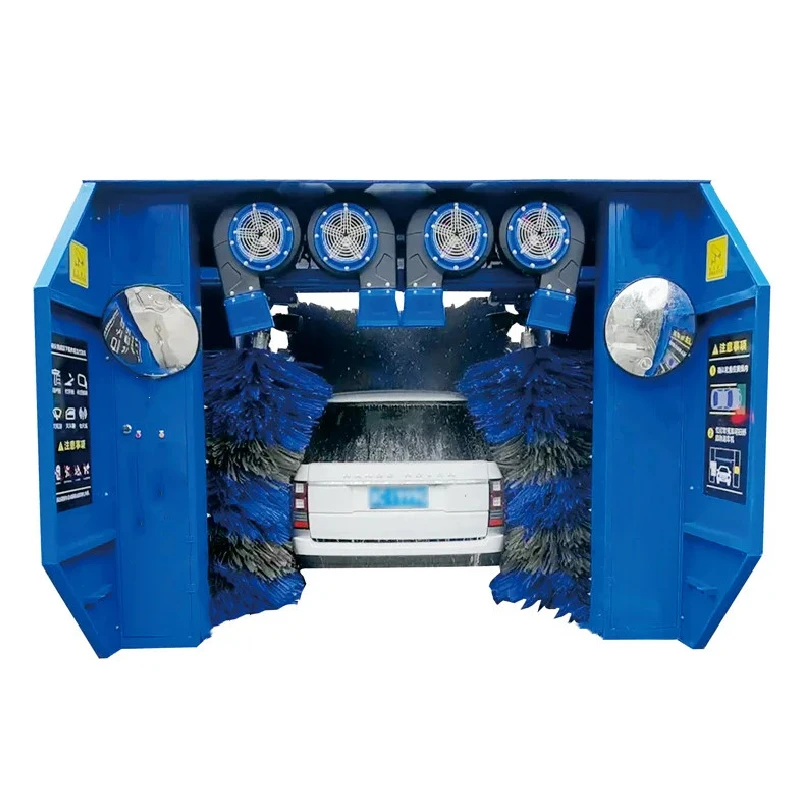
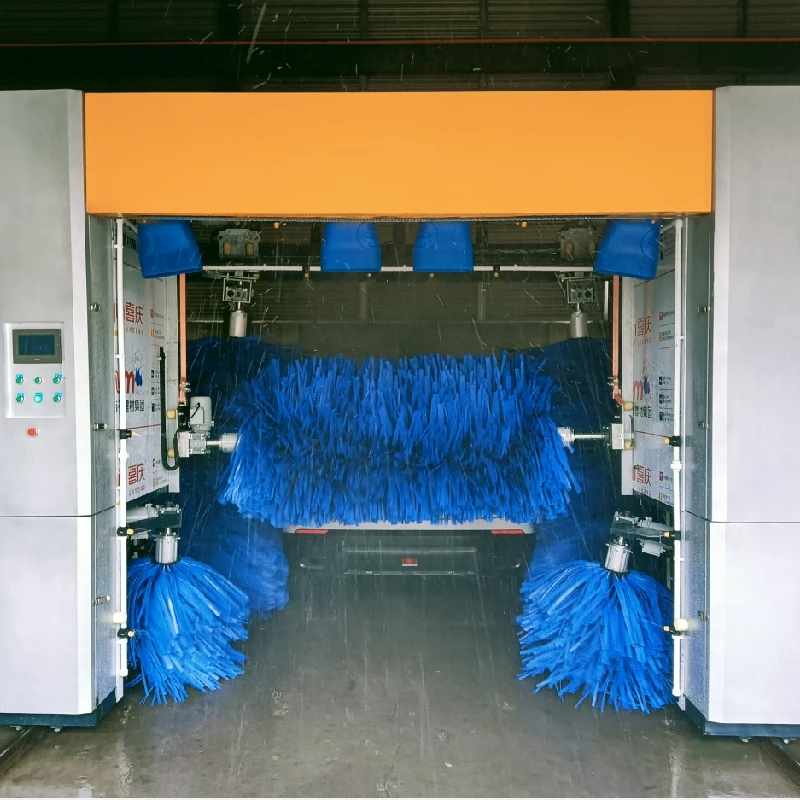
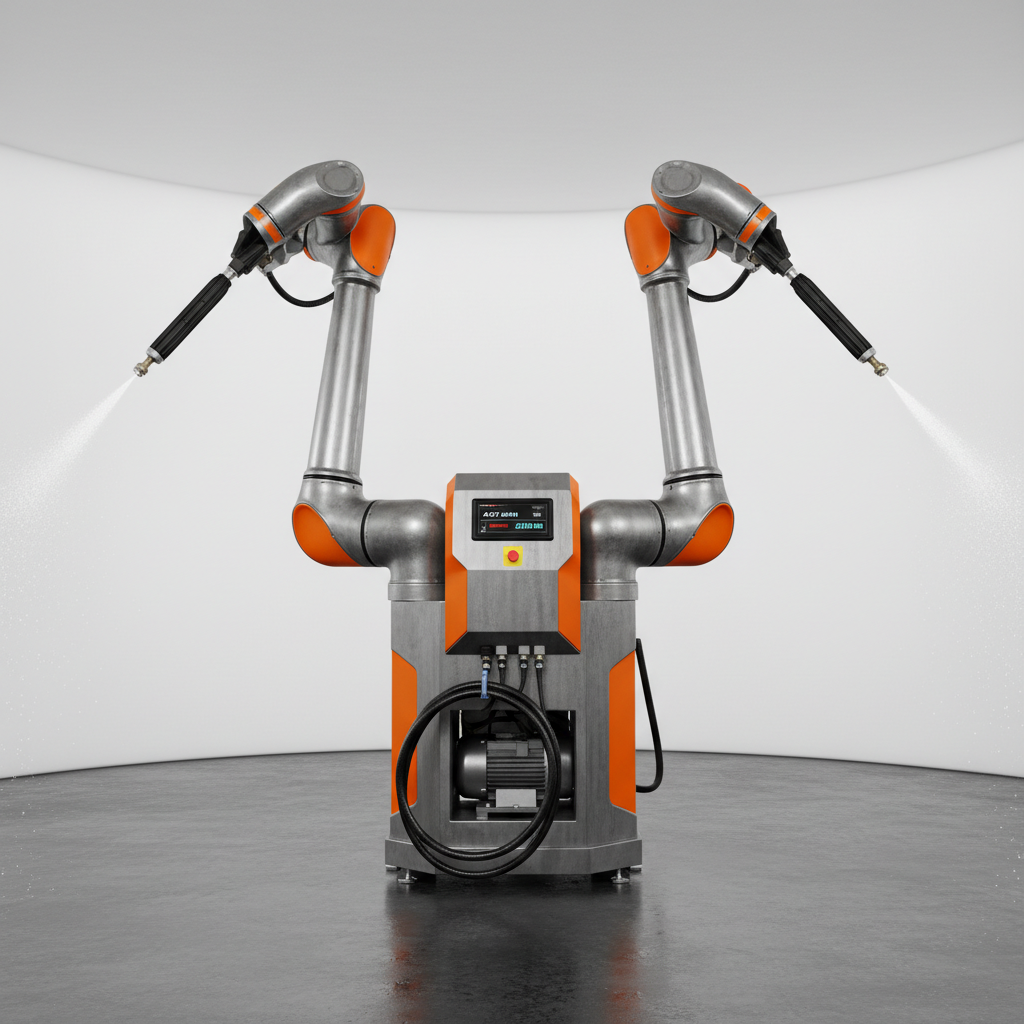
For those investing in commercial equipment, technical specifications are the only way to ensure a return on investment. A professional high pressure water jet for car wash must feature a durable pump—preferably a triplex plunger pump—which is designed for continuous operation. Below is a specification table for a standard professional-grade car wash unit to help you compare with other market options.
Safety Tips for Operating Pressure Washers
Power and precision come with responsibility. A high pressure water jet for car wash can be dangerous if misused. Never point the jet at people, pets, or electrical components of the car. Always maintain a safe distance (about 12 inches) from the paint to avoid etching or peeling. We highly recommend wearing safety goggles to protect against flying debris and using a pressure-rated hose to prevent bursts during operation.
Conclusion: Elevate Your Detailing Game
Investing in a high-quality high pressure water jet for car wash is the most effective way to ensure your vehicle stays in peak condition. By balancing PSI and GPM, selecting the right power source, and utilizing professional accessories, you can achieve professional results at a fraction of the cost of commercial detailing. Visit DY Car Washer today to find the perfect equipment tailored to your needs and start experiencing the power of professional cleaning.
Frequently Asked Questions (FAQs)
Can a high pressure water jet damage my car's paint?
Yes, if used incorrectly. If the PSI is too high or the nozzle is held too close to the surface, the water stream can penetrate the clear coat or peel away existing paint. To prevent this, always use a wide-angle nozzle (25° or 40°) and keep the wand at a distance of at least 12 inches. Always test the pressure on an inconspicuous area first to ensure the settings are safe for your specific vehicle's finish.
What is the best PSI for washing a car?
For most automotive applications, a range between 1,200 and 1,900 PSI is considered the "sweet spot." This provides enough power to remove mud and road film without risking damage to the paint or rubber seals. For heavy-duty cleaning of wheels and wheel arches, you can increase this to 2,000-2,500 PSI, but exercise caution around the tire sidewalls and brake lines.
How often should I maintain my pressure washer?
Regular maintenance is key to longevity. You should check and change the engine oil every 50-100 hours of use for gasoline models. For all models, it is crucial to flush the pump with clean water after every use to remove chemicals or minerals. Additionally, check the water inlet filter for debris and replace worn-out O-rings to prevent leaks. Proper winterization (draining water from the pump) is also essential in cold climates to prevent freeze damage.
Do I need a foam cannon with my high pressure water jet?
While not strictly "necessary," a foam cannon is highly recommended. It mixes soap and air with the high-pressure stream to create a thick foam that clings to the car. This dwell time allows the chemicals to break down dirt and encapsulate grit, meaning you don't have to scrub as hard. This "touchless" pre-wash step is the most effective way to prevent scratches on your paint. You can find compatible accessories on the DY Car Washer website.
-
Professional High Pressure Water Car Wash Systems GuideNewsApr.09,2026
-
Unlock a Professional Shine with High Pressure Spray Wax TechnologyNewsApr.07,2026
-
Choosing the Right High Pressure Nozzle for Car Wash and DetailingNewsApr.04,2026
-
Choosing the Right High Pressure Car Cleaner for Optimal Vehicle CareNewsMar.31,2026
-
Investing in a High Power Car Washing Machine for Business EfficiencyNewsMar.28,2026