Dec . 10, 2025 03:30
Back to list
Durable Car Wash Self Serve Bays for Long-Term Performance
Exploring the Benefits of car wash self serve bays
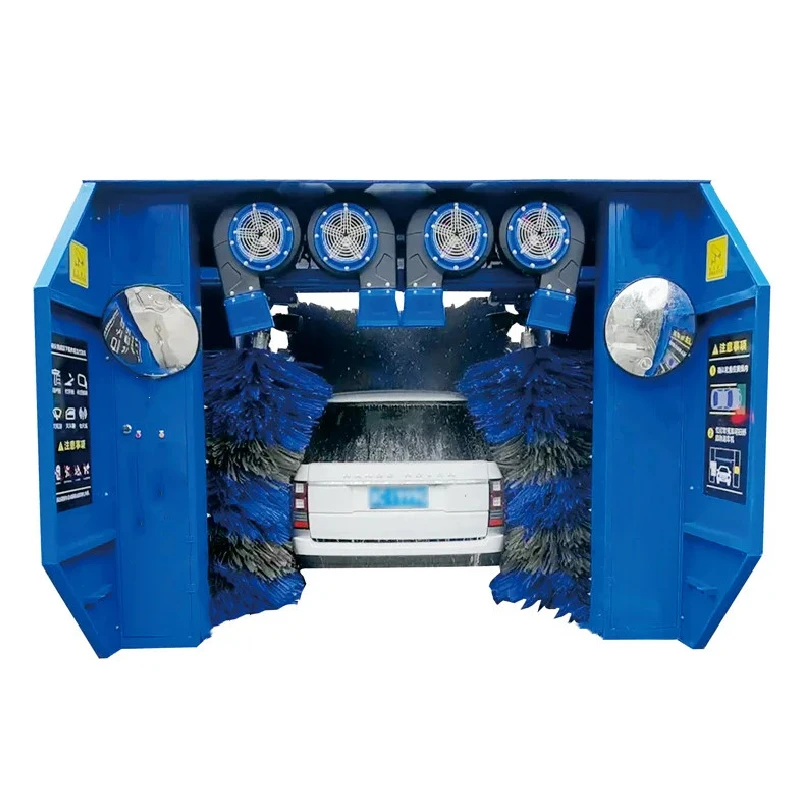
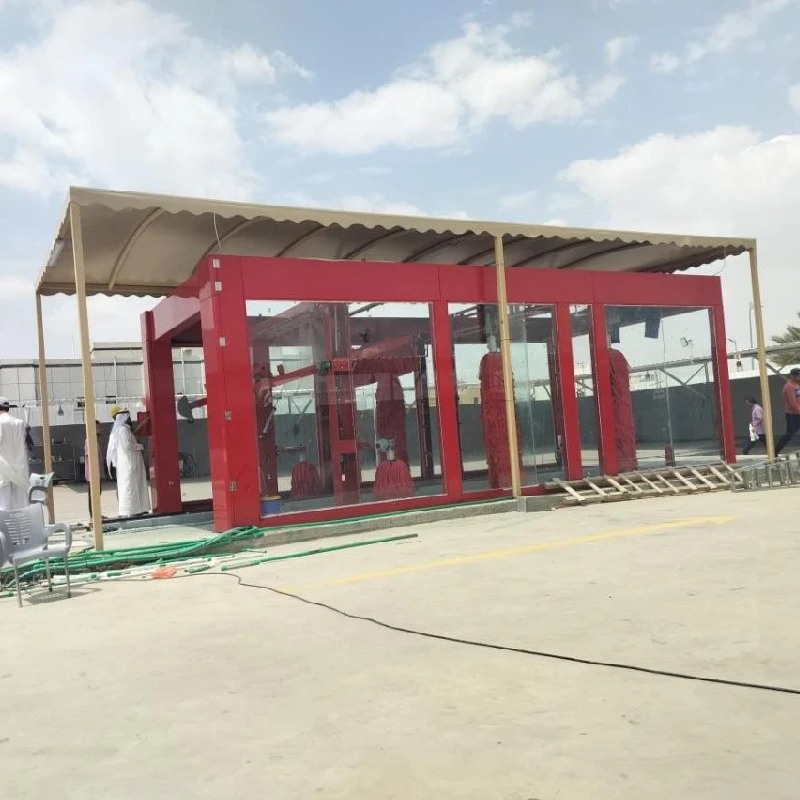
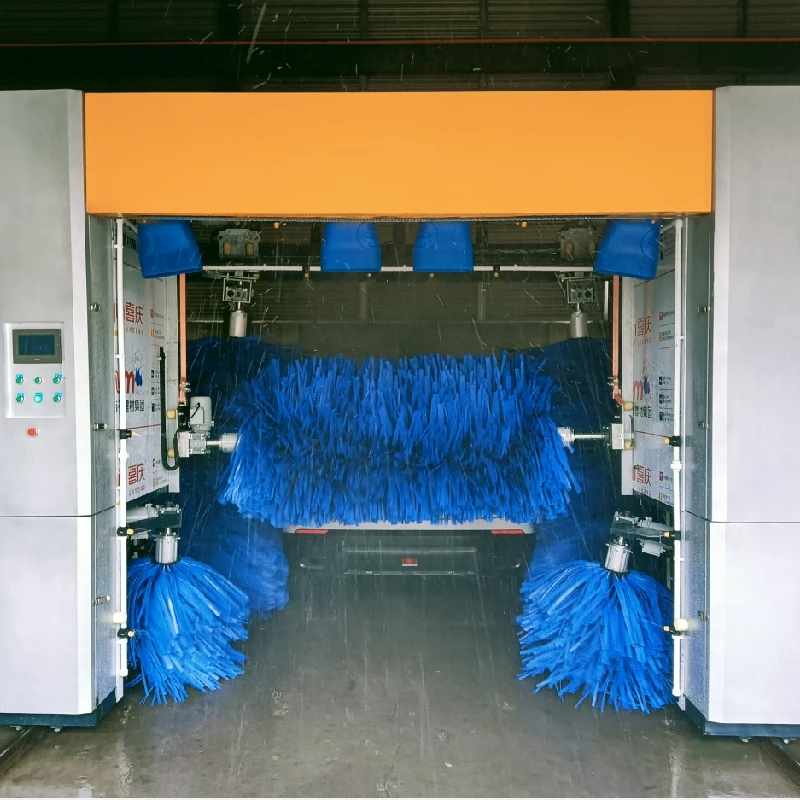
If you’ve ever lingered by the edge of a busy station or driven past that familiar hum of a car wash, you’ve likely experienced—or at least noticed—the self serve bays tucked off to the side. Having worked in the industrial equipment sector for well over a decade, I can tell you these bays are often underestimated, yet they offer a prime example of practical design blending convenience, durability, and ease of use. Car wash self serve bays kind of feel like the unsung heroes of the vehicle maintenance world. They serve a particular niche: customers wanting control over their wash, flexibility to take their time, and of course, a more budget-friendly alternative to full-service washes. Frankly, I find the evolution of these units fascinating, especially as manufacturers incorporate tougher materials and smarter layouts to meet increasingly demanding usage. To put it bluntly, these bays are a remarkable mix of rugged construction and clever engineering. You’re looking at reinforced concrete or steel frameworks treated against corrosion, paired with user-friendly interfaces that often include coin or card-operated payment systems. The interior — where users wield high-pressure wands and brushes — is designed to stand up to daily wear and tear without cracking under pressure (literally and figuratively). Oddly enough, many operators have told me that their best piece of advice when selecting a bay comes down to durability and ease of maintenance. You want a unit that can withstand the elements, chemical exposure, and continuous foot traffic without requiring constant repairs. So materials really do matter. For instance, ultra-high-pressure systems must be paired with organs like brass valves and braided steel hoses — because if one fails, everything grinds to a halt. Here’s a quick rundown of typical specs you might expect from a high-quality car wash self serve bay:| Feature | Specification |
|---|---|
| Construction Material | Reinforced Concrete / Galvanized Steel |
| Pressure Range | 80 - 120 PSI |
| Water Temperature | Ambient to 140°F (60°C) |
| Payment Type | Coin, Card, Contactless |
| Dimensions (WxDxH) | 12' x 20' x 10' |
| Additional Accessories | Foam Brush, Tire Cleaner, Air Dryer |
| Feature / Vendor | Dycar Washer | Competitor A | Competitor B |
|---|---|---|---|
| Build Quality | Heavy-duty galvanized steel | Standard steel frame | Concrete with metal accents |
| Customization Options | Extensive (payment, accessories) | Limited | Moderate |
| Warranty | 5 years | 3 years | 2 years |
| User Interface | Intuitive touchscreen + contactless | Basic coin-operated | Touchpad, no contactless |
| Spare Parts Availability | Fast delivery and stocked | Delayed shipping | Stock varies by region |
At the end of the day, the little details really make or break these installations. Cheers to getting the right equipment in place!
- Insights from industrial equipment conferences, 2023
- Interviews with car wash fleet operators, various U.S. regions
- Manufacturer technical specs and warranty documents, 2024 editions
Latest news
-
Best High Pressure Water Jet for Car Wash and Detailing GuideNewsApr.16,2026
-
Professional High Pressure Water Car Wash Systems GuideNewsApr.09,2026
-
Unlock a Professional Shine with High Pressure Spray Wax TechnologyNewsApr.07,2026
-
Choosing the Right High Pressure Nozzle for Car Wash and DetailingNewsApr.04,2026
-
Choosing the Right High Pressure Car Cleaner for Optimal Vehicle CareNewsMar.31,2026
-
Investing in a High Power Car Washing Machine for Business EfficiencyNewsMar.28,2026