Professional High Pressure Water Car Wash Systems Guide
The Ultimate Guide to High Pressure Water Car Wash Systems
Maintaining a vehicle's pristine condition requires more than just a bucket and a sponge. A professional high pressure water car wash system offers the efficiency, power, and precision needed to remove stubborn grime without damaging the paintwork. Whether you are a car enthusiast looking for the perfect home setup or a business owner scaling a commercial detailing center, understanding the mechanics of high-pressure cleaning is essential. In this guide, we will explore how these systems work, the benefits they bring to vehicle longevity, and how to choose the right equipment for your specific needs.
How a High Pressure Water Car Wash Works
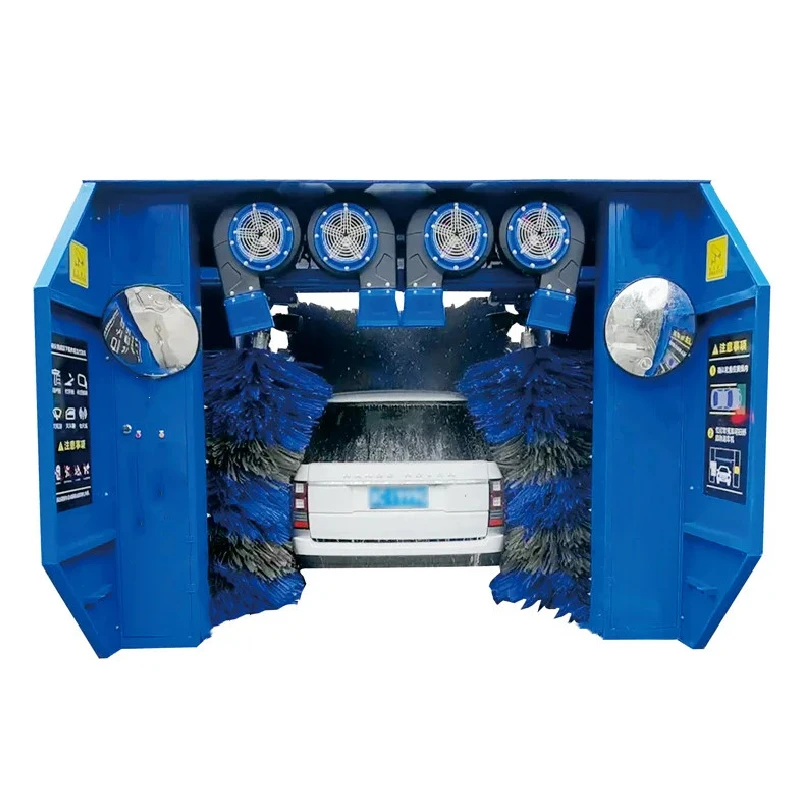
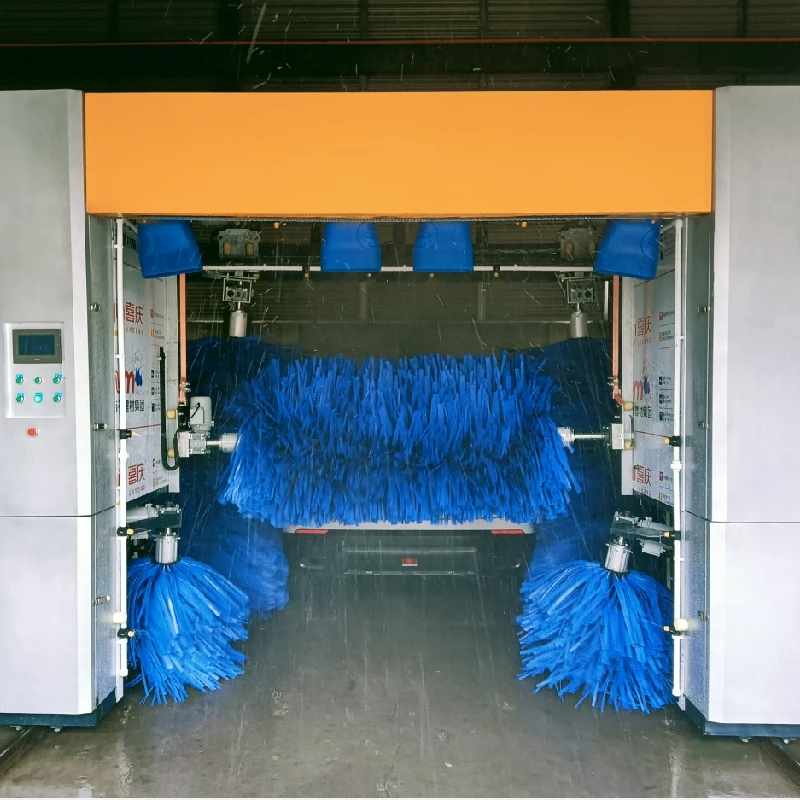
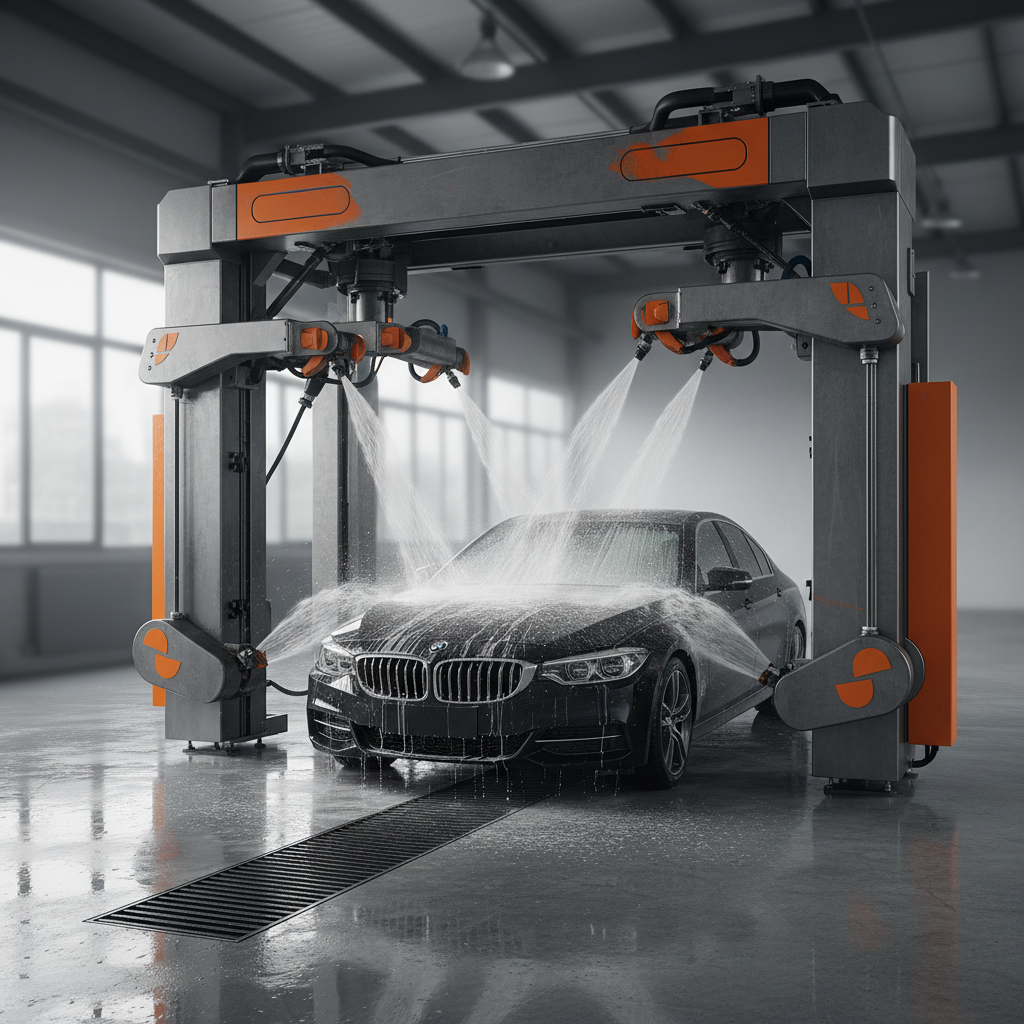
The fundamental principle behind a high pressure water car wash is the conversion of water flow into kinetic energy. By forcing water through a narrow nozzle at high velocity, the system creates a powerful stream capable of dislodging dirt, salt, and mud that standard hoses cannot touch. Modern systems utilize high-efficiency pumps and adjustable nozzles to ensure that the pressure is optimized for different surfaces, from heavy-duty wheel rims to delicate clear coats. This process not only saves time but significantly reduces the amount of water used compared to traditional washing methods.
Pro Tip: Always start with a wide-angle nozzle for the initial rinse to avoid concentrated pressure points that could potentially strip old paint or damage trim.
Key Benefits of Using High Pressure Equipment
Investing in a dedicated high pressure water car wash provides several advantages over manual scrubbing. First, it minimizes swirl marks; by blasting away abrasive grit before touching the car with a mitt, you prevent scratches. Second, the depth of cleaning is unmatched, reaching into chassis crevices and wheel wells. Third, the integration of foam cannons allows for a "snow foam" pre-wash, which encapsulates dirt and lifts it safely off the surface. These factors combine to maintain the vehicle's resale value and aesthetic appeal.
Efficiency Advantages:
• Water Saving: Uses up to 70% less water than a garden hose.
• Time Reduction: Cuts cleaning time in half for large vehicles.
• Chemical Penetration: Better delivery of detergents into hard-to-reach areas.
Comparing High Pressure Water Car Wash Tiers
Depending on your goals, you might choose between an entry-level electric unit or a heavy-duty commercial system. While electric washers are quiet and convenient for home use, commercial-grade high pressure water car wash machines offer higher PSI (pounds per square inch) and GPM (gallons per minute), enabling faster turnover in professional bays. The following table compares these options to help you determine the best fit for your operational scale.
Choosing the Right Accessories for your Car Wash
A high pressure water car wash is only as versatile as the accessories it uses. For a comprehensive clean, we recommend a combination of nozzle types. The 40-degree nozzle is ideal for general rinsing, while the 25-degree nozzle provides more focus for cleaning wheels. Additionally, adding a rotating turbo nozzle can be effective for extremely stubborn mud on off-road vehicles, though it should be used with caution on paint. The integration of high-quality hoses prevents pressure drops and ensures a consistent stream throughout the process.
Technical Specifications of Professional Equipment
When analyzing the hardware for a high pressure water car wash, technical specs are the only way to ensure ROI. Professional units typically feature brass manifolds and ceramic pistons, which offer far superior heat dissipation and wear resistance compared to plastic components. Understanding the balance between PSI (the "punch") and GPM (the "push") is key: PSI removes the dirt, but GPM flushes it away. Here are the typical specifications found in our industrial line:
Safety Best Practices for High Pressure Washing
Due to the immense power of a high pressure water car wash, safety must be the priority. Never direct the spray at people or animals, as the concentrated stream can cause serious injury. When cleaning, always maintain a safe distance from the car's paint—usually 12 to 18 inches—to prevent etching or peeling. Furthermore, ensure that all electrical connections are properly grounded and that you are using a GFCI (Ground Fault Circuit Interrupter) outlet to prevent electrical shocks in wet environments.
Conclusion: Elevating Your Car Care Routine
Adopting a high pressure water car wash system is a game-changer for anyone serious about vehicle maintenance. By combining the right pressure settings with professional accessories, you can achieve a showroom-quality finish while saving time and water. Whether you are optimizing a commercial operation or perfecting your home garage, the efficiency and power of high-pressure systems ensure your vehicle stays protected against the elements. Invest in quality equipment today to experience the difference in precision and performance.
Frequently Asked Questions (FAQs)
Can a high pressure water car wash damage my car's paint?
Only if used incorrectly. If the pressure is too high or the nozzle is held too close to the surface, it can potentially damage the clear coat or strip away old paint. However, when used at a safe distance (12-18 inches) with the correct nozzle (like a 40-degree wide spray), it is actually safer than scrubbing, as it removes abrasive dirt without physical contact. Always test the pressure on a small, inconspicuous area first to ensure the setting is safe for your specific vehicle's condition.
What is the difference between PSI and GPM?
PSI (Pounds per Square Inch) refers to the pressure or the "force" of the water hitting the surface. This is what breaks the bond between the dirt and the car. GPM (Gallons per Minute) refers to the volume of water flowing through the system. While PSI provides the cleaning power, GPM provides the "flush" that carries the debris away. For a high-efficiency high pressure water car wash, a balance of both is necessary; high PSI with very low GPM can make the cleaning process feel slow and tedious.
How often should I maintain my pressure washer?
Regular maintenance is key to longevity. We recommend checking the oil levels (for gas or industrial models) every 50 hours of use and flushing the system with clean water after every session to remove mineral deposits. Inspecting the O-rings and seals for leaks every month prevents pressure loss. Additionally, using a water filter can prevent sand and debris from entering the pump, which is the leading cause of pump failure. Proper winterization, such as draining all water from the lines, is also crucial in cold climates to prevent freezing and cracking.
Is a foam cannon necessary for a high pressure wash?
While not strictly "necessary," a foam cannon significantly enhances the cleaning process. It mixes concentrated soap with high-pressure water to create a thick foam that clings to the vehicle. This "dwell time" allows the chemicals to break down organic matter and lift dirt away from the paint. When combined with a high pressure water car wash, it creates a touchless pre-wash stage that minimizes the risk of scratches, making the subsequent contact wash much safer and more effective.
-
Best High Pressure Water Jet for Car Wash and Detailing GuideNewsApr.16,2026
-
Unlock a Professional Shine with High Pressure Spray Wax TechnologyNewsApr.07,2026
-
Choosing the Right High Pressure Nozzle for Car Wash and DetailingNewsApr.04,2026
-
Choosing the Right High Pressure Car Cleaner for Optimal Vehicle CareNewsMar.31,2026
-
Investing in a High Power Car Washing Machine for Business EfficiencyNewsMar.28,2026