Reliable Car Wash Set Up Equipment for Industrial Use | Dycarwasher
Car Wash Set Up Equipment: What You Really Need to Know
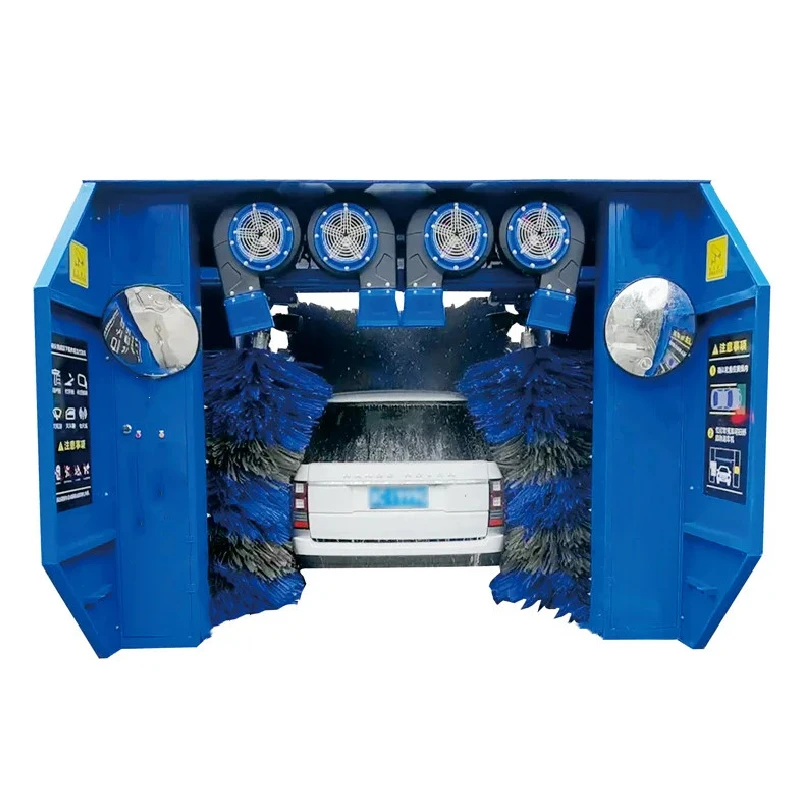
After spending well over a decade in the industrial equipment world, I’ve learned that setting up a functional car wash isn’t just about slapping a machine in a corner and hoping cars come through—it’s more nuanced than that. There’s engineering, user experience, ongoing maintenance, and frankly, a bit of art in choosing the right gear. When it comes to car wash set up equipment, a lot hinges on matching specs with real-world use.
Let’s take a quick walk through what matters most — no fluff, just honest impressions.
What Makes a Good Car Wash Setup?
In my experience, the best setups offer a balanced blend of durability, efficiency, and flexibility. That means materials need to stand up to relentless water, harsh soaps, and the occasional collision (oddly enough, minor driver errors happen more than you think!). Stainless steel frames are often the backbone, resisting corrosion while keeping the structure sound.
Then there’s the control system—many engineers I’ve worked with swear by programmable logic controllers (PLCs) for their precision and ease of customization, which allows operators to tailor wash cycles per vehicle size or dirt levels.
Key Product Specifications at a Glance
| Feature | Typical Value | Notes |
|---|---|---|
| Pump Pressure | 80 - 120 PSI | Ensures efficient dirt removal |
| Water Consumption | 8 - 15 liters/min | Depends on system type |
| Cycle Time | 3 - 5 minutes | Varies with wash program |
| Power Supply | 220 - 480 V, 3-phase | Industrial standard |
| Chemicals Compatibility | Wide range accepted | Supports various detergents |
Choosing Your Vendor: A Quick Comparison
| Vendor | Durability | Customization | Support & Service | Pricing |
|---|---|---|---|---|
| Dycarwasher | Excellent - stainless steel frames | Highly configurable PLC options | 24/7 technical support | Mid-range, good value |
| Other Brand A | Good - powder coated steel | Limited to preset cycles | Business hours only | Lower price |
| Other Brand B | Very good - alloy steel | Moderate customization | Onsite support possible | Higher price |
A Small Story from the Field
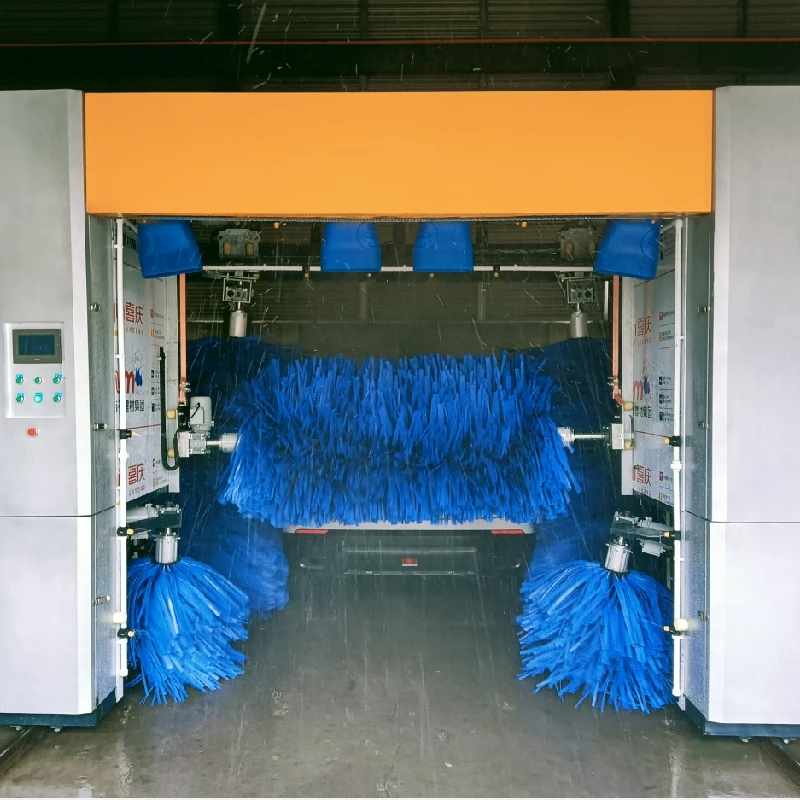
One time, after setting up a mid-size Dycarwasher system at a suburban location, I noticed that the operators appreciated how easy the control panel was to navigate—something that often gets overlooked in industrial gear. The system's responsiveness to different wash programs meant less water wastage and short turnaround times during busy afternoons. You know, that’s the kind of thoughtful detail that keeps operators coming back.
Also, I’ve seen these machines run reliably after years of daily use, which frankly beats a lot of other equipment I’ve worked with. That kind of track record speaks volumes when you’re investing several thousands of dollars.
Final Thoughts
So, if you’re in the market for car wash set up equipment, consider the balance between build quality, ease of use, and support. Lifecycle costs matter just as much as upfront price. In real terms, that’s the difference between equipment that repeatedly disappoints, and one that quietly does its job day after day.
Stay curious — these machines may seem straightforward, but their savvy design and reliability underscore decades of experience and engineering finesse.
References:
1. Industry forums and engineer interviews – 2022
2. Manufacturer technical sheets for Dycarwasher – 2023
3. Operational case studies from car wash businesses (confidential sources)
-
Best High Pressure Water Jet for Car Wash and Detailing GuideNewsApr.16,2026
-
Professional High Pressure Water Car Wash Systems GuideNewsApr.09,2026
-
Unlock a Professional Shine with High Pressure Spray Wax TechnologyNewsApr.07,2026
-
Choosing the Right High Pressure Nozzle for Car Wash and DetailingNewsApr.04,2026
-
Choosing the Right High Pressure Car Cleaner for Optimal Vehicle CareNewsMar.31,2026
-
Investing in a High Power Car Washing Machine for Business EfficiencyNewsMar.28,2026