Understanding the Ideal Good PSI for Pressure Washer for Car Cleaning
Understanding the Best PSI for Pressure Washer for Car Cleaning
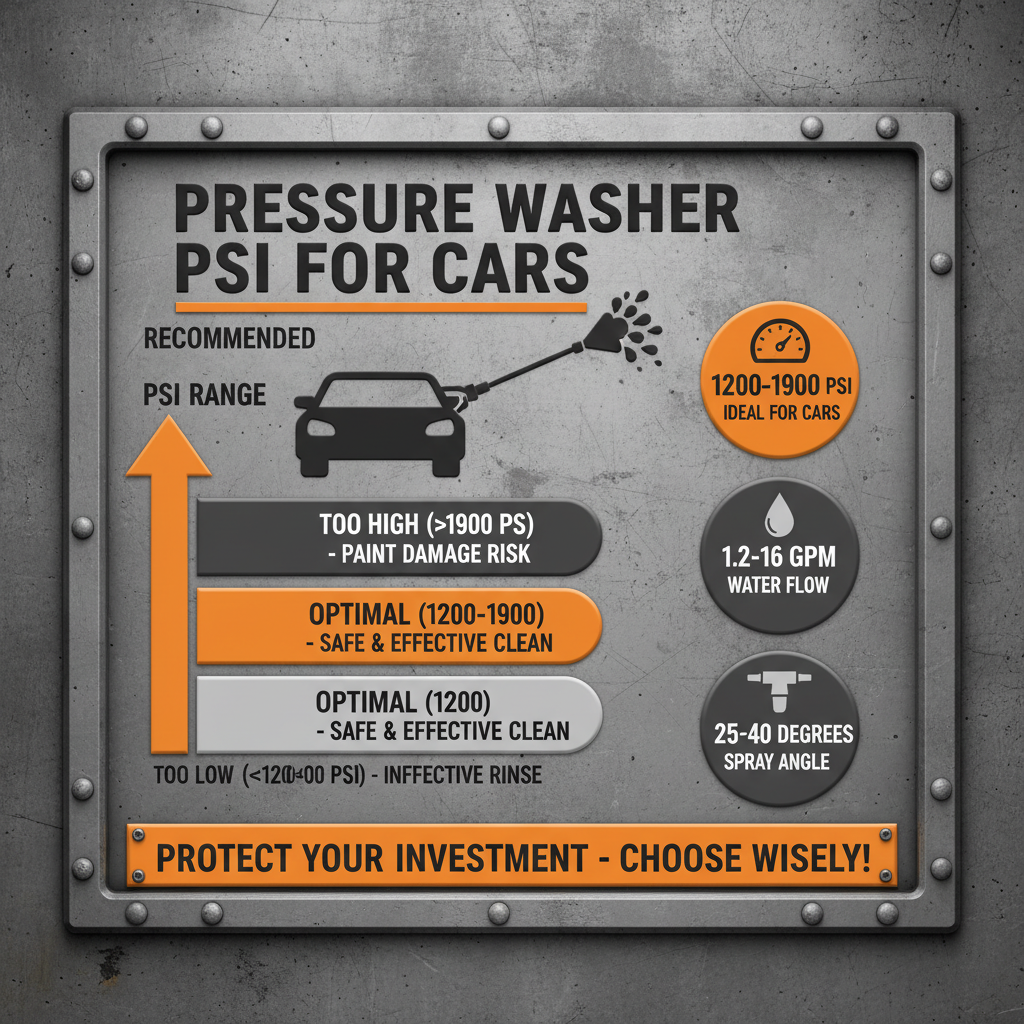
Choosing the right pressure washer for your car is crucial for a safe and effective clean. One of the most important factors to consider is the PSI (pounds per square inch). Using too high a PSI can damage your vehicle’s paint, while too low a PSI might not effectively remove dirt and grime. This article will guide you through understanding the ideal PSI for a pressure washer for car cleaning, helping you protect your investment and achieve a sparkling finish. At DY Car Washer, we’re dedicated to providing the tools and knowledge to keep your car looking its best.
What PSI is Safe for Your Car's Paint?
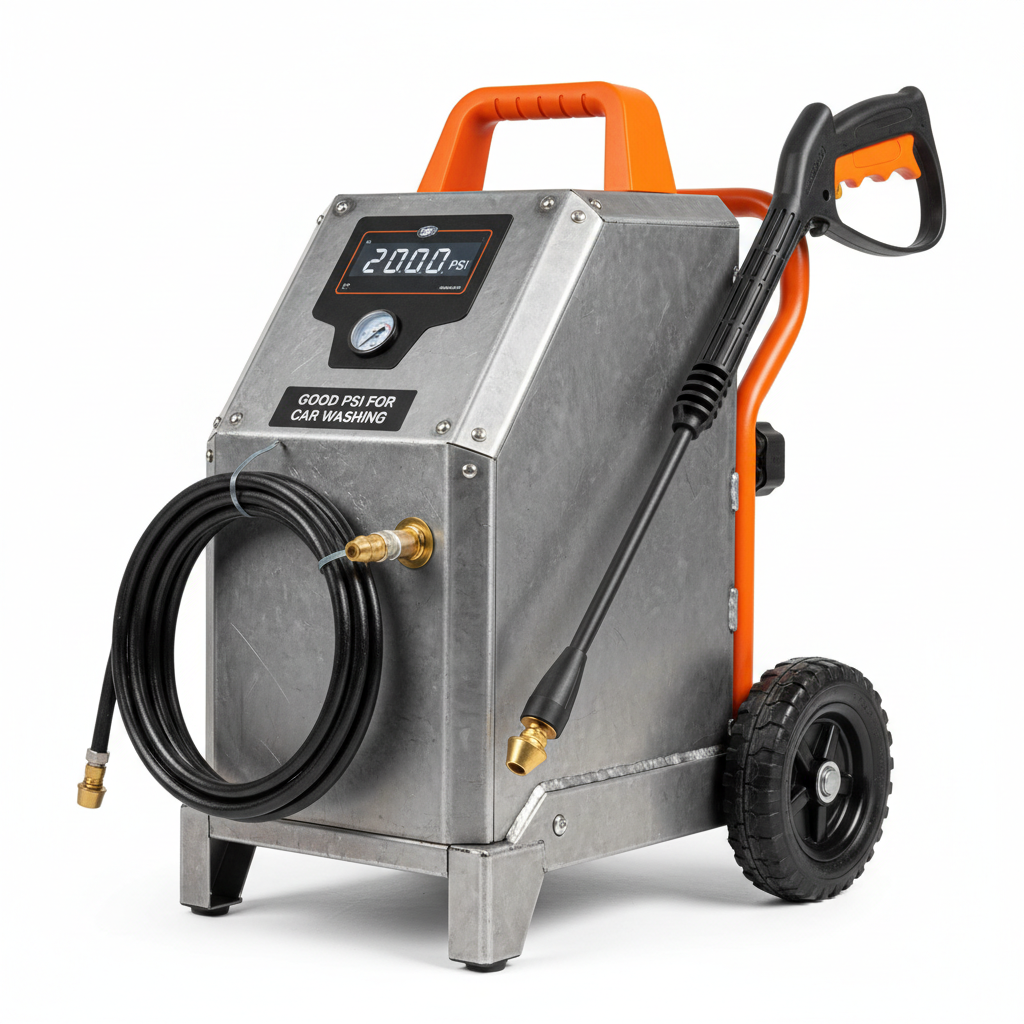
Generally, a PSI between 1200 and 1900 is considered safe and effective for washing cars. However, the optimal PSI depends on several factors, including the distance between the nozzle and the car’s surface, the nozzle type, and the condition of your car’s paint. Older or already damaged paint may be more susceptible to damage, requiring a lower PSI. Modern, well-maintained paint can typically withstand higher pressures. Always start with the lowest setting and gradually increase the PSI while testing on an inconspicuous area. Remember, it's better to be cautious and avoid potential damage. Investing in a pressure washer with adjustable PSI settings is highly recommended.
Key Takeaway: Starting with lower PSI and gradually increasing is the safest approach to protect your car’s paint.
Different Nozzles and Their Impact on PSI
The nozzle you use significantly impacts the effective cleaning power and the potential for damage. Different nozzles concentrate the water stream differently. A 0-degree nozzle delivers a highly concentrated, powerful stream, ideal for removing stubborn stains but posing a risk to paint if not used carefully. A 25-degree nozzle is a good all-purpose option for general car washing. A 40-degree or soap nozzle produces a wider, gentler spray, perfect for applying detergent and rinsing. Understanding these differences will help you adjust your approach and achieve the best results without causing harm. DY Car Washer provides a variety of nozzles with our pressure washers to cater to all your cleaning needs.
Nozzle Guide:
• 0-Degree: High power, use with extreme caution.
• 25-Degree: All-purpose cleaning.
• 40-Degree: Gentle spray for soap application and rinsing.
PSI Comparison: Electric vs. Gas Pressure Washers
Pressure washers come in two main types: electric and gas. Electric pressure washers typically offer PSI ranging from 1300 to 2000, making them well-suited for car washing. Gas-powered pressure washers generally provide higher PSI, often exceeding 3000, which is usually unnecessary and potentially damaging for car cleaning. While gas washers offer more power, they also require more maintenance and are less environmentally friendly. For most car owners, an electric pressure washer with adjustable PSI settings is the ideal choice.
Safe Pressure Washing Techniques for Your Car
Beyond PSI, proper technique is vital. Maintain a safe distance of at least 2-3 feet from the car’s surface. Always move the nozzle in a sweeping motion, avoiding prolonged focus on one area. Start at the top of the vehicle and work your way down. This prevents dirty water from streaking previously cleaned areas. Use a dedicated car wash detergent designed for pressure washers to ensure effective cleaning without damaging the paint. DY Car Washer offers complete car wash kits and detergents to make the process easier and safer.
Recommended PSI Settings for Different Car Washing Tasks
Here’s a quick guide to recommended PSI settings for various car washing tasks:
- Rinsing: 1200-1500 PSI
- Applying Soap: 800-1200 PSI (using a soap nozzle)
- Removing Light Dirt: 1500-1800 PSI (with a 25-degree nozzle)
- Removing Stubborn Stains (Use Caution): 1800-1900 PSI (with a 0-degree nozzle, keep a greater distance)
Conclusion: Choosing the Right PSI for a Brilliant Clean
Finding the right PSI for your pressure washer for car cleaning doesn't have to be complicated. By understanding the factors involved, choosing the appropriate nozzle, and using proper techniques, you can safely and effectively clean your car, protecting its paint and maintaining its value. Explore the range of pressure washers and accessories available at DY Car Washer today!
Frequently Asked Questions (FAQs)
Can I use a pressure washer on a car with chipped paint?
Using a pressure washer on a car with chipped paint requires extra caution. The high-pressure water can worsen the chipping and potentially lift more paint. It’s best to use the lowest possible PSI setting (around 1200 PSI) and maintain a greater distance from the chipped areas. Consider hand washing those specific spots to avoid further damage. Regular inspection for new chips is also crucial. A professional detailing service may be a better option if the chipping is extensive.
What is the best nozzle for washing a car?
The 25-degree nozzle is generally considered the best all-purpose nozzle for washing cars. It provides a good balance of cleaning power and safety, effectively removing dirt and grime without being too aggressive. However, a 40-degree nozzle is excellent for applying soap and rinsing, while a 0-degree nozzle should only be used with extreme caution for stubborn stains, keeping a safe distance. Experiment with different nozzles to find what works best for your car and pressure washer.
How often should I pressure wash my car?
The frequency of pressure washing depends on how often you drive and the conditions you encounter. Generally, washing your car every 2-4 weeks is a good practice. If you drive frequently on dirt roads or in areas with harsh weather, you may need to wash it more often. However, avoid over-washing, as this can strip away protective waxes and sealants. A regular wash and wax routine will help keep your car looking its best.
Are there any areas on my car I should avoid when pressure washing?
Yes, there are a few areas you should be extra careful with. Avoid directly spraying sensitive components like electrical connections, sensors, and air intakes. Be cautious around window seals, rubber trim, and any areas with already damaged paint. Maintaining a safe distance and using a lower PSI setting is crucial when cleaning these areas.
-
Best High Pressure Water Jet for Car Wash and Detailing GuideNewsApr.16,2026
-
Professional High Pressure Water Car Wash Systems GuideNewsApr.09,2026
-
Unlock a Professional Shine with High Pressure Spray Wax TechnologyNewsApr.07,2026
-
Choosing the Right High Pressure Nozzle for Car Wash and DetailingNewsApr.04,2026
-
Choosing the Right High Pressure Car Cleaner for Optimal Vehicle CareNewsMar.31,2026
-
Investing in a High Power Car Washing Machine for Business EfficiencyNewsMar.28,2026