Understanding the Ideal Good PSI for Car Pressure Washer Cleaning
Understanding the Ideal Good PSI for Car Pressure Washer
Choosing the right pressure washer for your car is crucial for a safe and effective cleaning experience. One of the most important specifications to consider is the PSI, or pounds per square inch. But what is the good PSI for car pressure washer? This article will delve into the ideal PSI range, the risks of using too much or too little pressure, and how to select the perfect pressure washer for your vehicle. We'll also explore different types of pressure washers and their suitability for car cleaning.
What PSI is Safe for Car Washing?
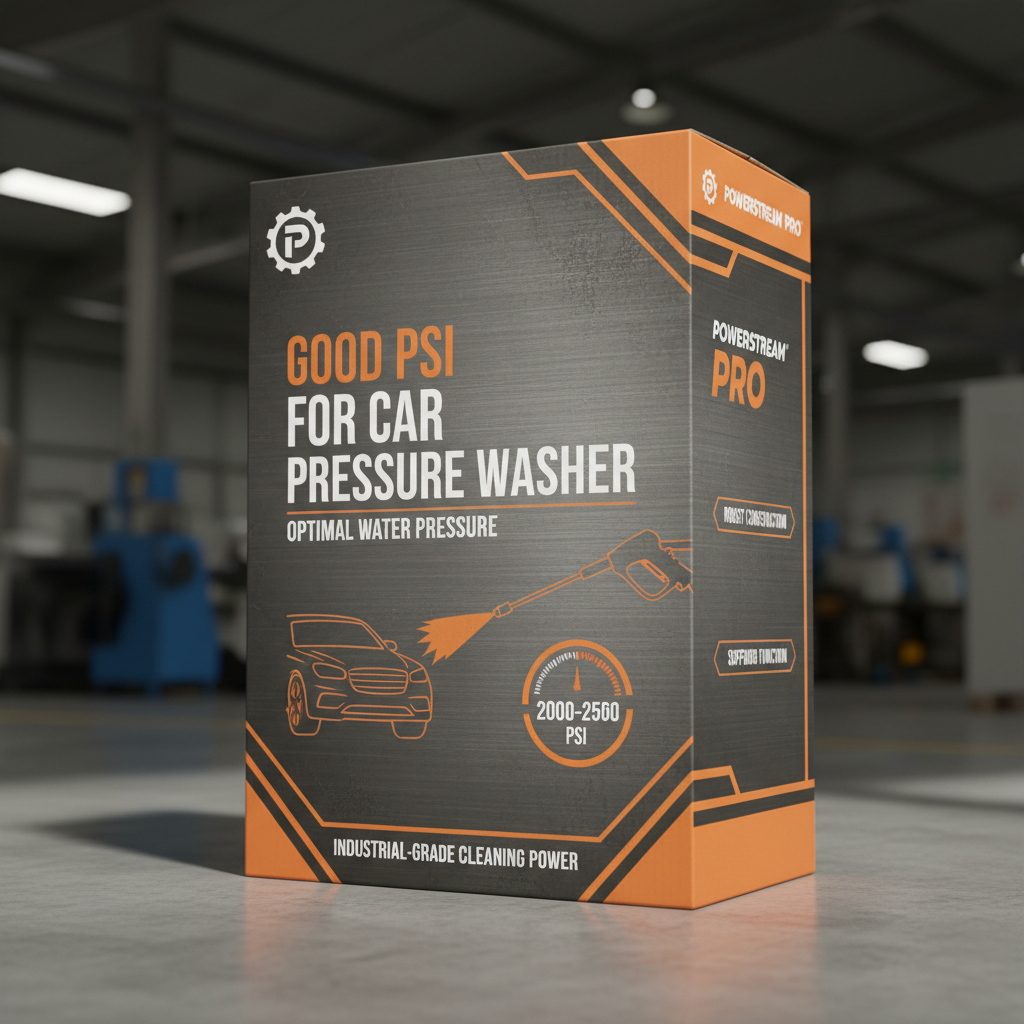
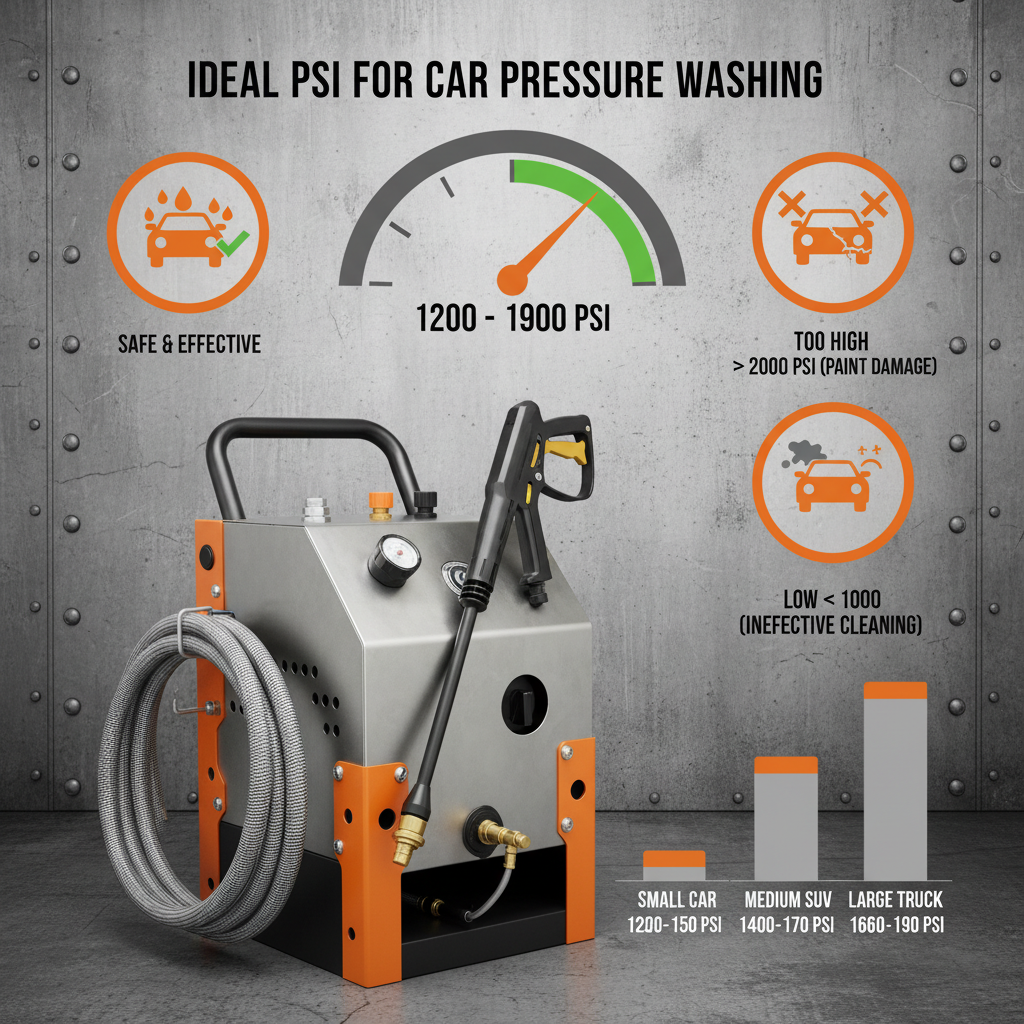
Generally, a PSI between 1200 and 1900 is considered safe and effective for washing cars. This range provides enough power to remove dirt, grime, and road salt without causing damage to the paint or other vehicle surfaces. Lower PSI levels (under 1200) may struggle to remove stubborn dirt, while higher PSI levels (over 1900) can potentially strip paint, damage trim, and even crack glass. At DY Car Washer, we prioritize delivering pressure washers with precise control to ensure optimal cleaning without risk.
Key Takeaway: A PSI of 1200-1900 strikes the perfect balance between cleaning power and surface safety for most car washing needs.
The Risks of Too Much or Too Little PSI
Using a pressure washer with too high of a PSI can lead to significant damage. This includes paint chipping, clear coat removal, damage to plastic trim, and even broken windows. Conversely, too little PSI may not effectively remove dirt and grime, requiring repeated passes and potentially still leaving your car looking unclean. Understanding these risks is crucial for protecting your vehicle's finish. Using a variable PSI pressure washer is a smart way to adjust the pressure as needed for different surfaces and levels of dirt.
PSI Risk Factors:
• High PSI: Paint damage, trim damage, broken glass.
• Low PSI: Ineffective cleaning, repeated passes, lingering dirt.
Electric vs. Gas Pressure Washers: PSI Comparison
Pressure washers come in two main types: electric and gas. Electric pressure washers typically offer PSI levels between 1300 and 2000, making them ideal for car washing and other household tasks. Gas-powered pressure washers, on the other hand, offer significantly higher PSI levels (often exceeding 3000), making them more suitable for heavy-duty cleaning tasks like removing paint or cleaning concrete. For car washing, an electric pressure washer with adjustable PSI is generally the best choice. Explore our range of efficient and reliable electric models at DY Car Washer.
Choosing the Right Nozzle for Your Car Pressure Washer
The nozzle you use is just as important as the PSI setting. A 40-degree nozzle is generally recommended for car washing, as it provides a wider spray pattern and reduces the risk of damage. Avoid using 0-degree or 15-degree nozzles, as these concentrate the pressure and can easily strip paint. Always test the pressure on an inconspicuous area of your car before washing the entire vehicle. Consider utilizing a foam cannon attachment for an even more effective and safe cleaning experience. DY Car Washer offers a variety of nozzle options to suit your specific needs.
Pressure Washer Product Recommendations
Here's a brief overview of some of our recommended pressure washers for car cleaning:
Conclusion: Finding the Perfect Pressure for a Clean Car
Ultimately, the good PSI for car pressure washer depends on your specific needs and vehicle. A PSI between 1200 and 1900, combined with the correct nozzle and technique, will deliver a safe and effective clean. At DY Car Washer, we’re committed to providing high-quality, reliable pressure washers and expert advice to help you achieve the best possible results.
Frequently Asked Questions (FAQs)
Can I use a pressure washer on all parts of my car?
While pressure washers are great for most car surfaces, caution is advised for delicate components. Avoid directly spraying electronics, rubber seals, and heavily weathered paint. For these areas, use a lower PSI setting and maintain a greater distance. Focusing on the body panels and tires is generally safe, but always test first.
What is the best nozzle for washing tires?
A 25-degree or 40-degree nozzle is ideal for cleaning tires. These nozzles provide enough pressure to remove dirt and grime without damaging the rubber. Maintain a safe distance from the tire and avoid prolonged exposure to high pressure. Using a tire cleaning brush in conjunction with the pressure washer can enhance the cleaning process.
How far away should I hold the pressure washer nozzle from my car?
A distance of at least 12-18 inches is recommended. Holding the nozzle closer increases the pressure and the risk of damage. Start with a greater distance and gradually move closer as needed, while always monitoring the surface for any signs of distress. Consistent distance and movement are key to achieving a uniform clean.
-
Best High Pressure Water Jet for Car Wash and Detailing GuideNewsApr.16,2026
-
Professional High Pressure Water Car Wash Systems GuideNewsApr.09,2026
-
Unlock a Professional Shine with High Pressure Spray Wax TechnologyNewsApr.07,2026
-
Choosing the Right High Pressure Nozzle for Car Wash and DetailingNewsApr.04,2026
-
Choosing the Right High Pressure Car Cleaner for Optimal Vehicle CareNewsMar.31,2026
-
Investing in a High Power Car Washing Machine for Business EfficiencyNewsMar.28,2026