Tunnel Car Wash Systems Price Analysis: Costs, Features & Vendor Comparison
Understanding Tunnel Car Wash Systems Price: What It Means for Your Business
Whether you manage a fleet, run a busy gas station, or simply keep a car wash business humming, understanding tunnel car wash systems price can profoundly impact your bottom line. These automated setups are more than just shiny equipment — they’re technological marvels that serve millions worldwide, enabling a quick, efficient cleaning process. Honestly, as urbanization rises and environmental regulations tighten, knowing how the pricing works isn’t just a curiosity; it’s a necessity.
Introduction: Why Tunnel Car Wash Systems Price Matters Globally
Around the world, automated car washes have seen steady growth over the last decade. According to the International Carwash Association, nearly 60% of all car washes in developed markets are of the tunnel or conveyor type. Tunnel car wash systems provide fast throughput — cleaning up to 300 cars per hour — which is crucial in high-traffic areas. But here’s the twist: the price for these complex systems varies widely, influenced by technology, components, region, and even environmental certifications.
Understanding tunnel car wash systems price is essential in facing challenges like rising labor costs, water scarcity, and sustainability mandates. For businesses investing in these systems, cost effectiveness isn’t just about installation fees — operational expenses, maintenance, water usage, and even customer satisfaction play in.
What Exactly Is Tunnel Car Wash Systems Price?
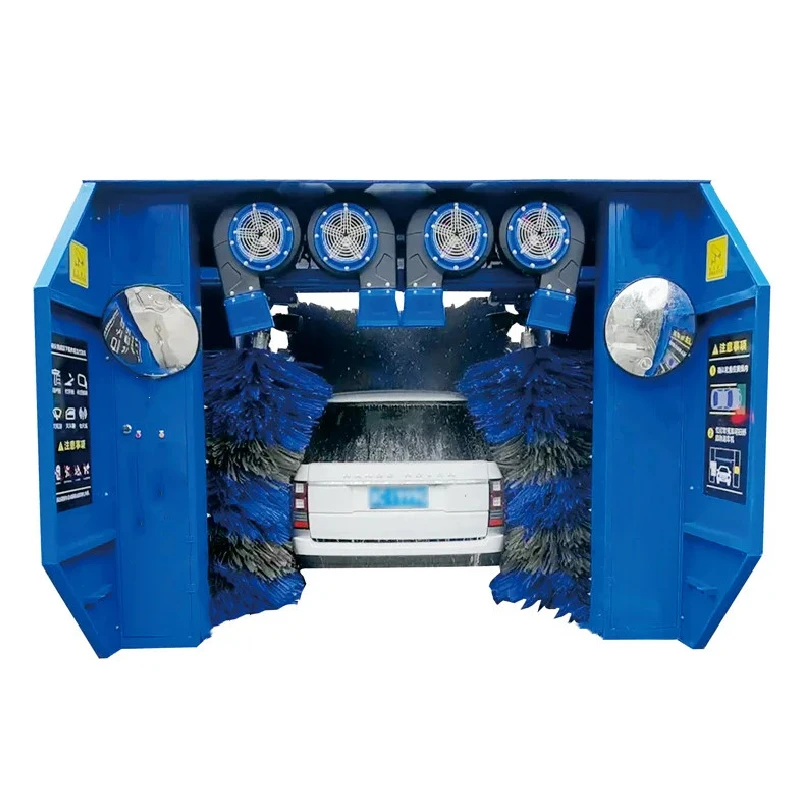
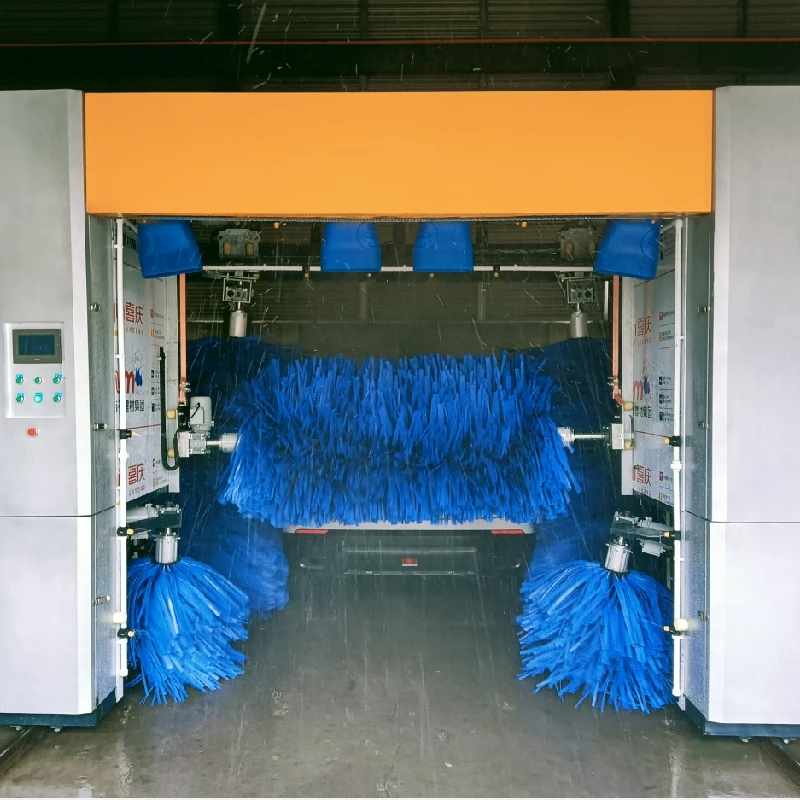
In simple terms, tunnel car wash systems price refers to the total expenditure required to acquire, install, and operate a full-scale automated car washing tunnel. These systems typically consist of a conveyor belt moving vehicles through various cleaning stages — from pre-soak to high-pressure wash, soaping, brushing, rinse, and drying.
Prices can range depending on design complexity, automation level, environmental features like water recycling, and vendor service packages. At its core, the price measure reflects the modern industry’s need for high throughput combined with eco-friendly compliance — essential in places imposing ISO 14001 or local environmental regulations.
Key Factors Influencing Tunnel Car Wash Systems Price
1. Technology & Automation Level
More advanced systems featuring touchless washing, sensor-based vehicle detection, or fully robotic arms naturally push prices higher. Yet, they often reduce water consumption and chemical use, leading to operational savings.
2. Durability and Build Quality
Commercial-grade steel frames, corrosion-resistant coatings, and high-quality brushes contribute to upfront cost but prolong equipment life — sometimes lasting 15+ years under heavy use.
3. Water Recycling & Environmental Compliance
Systems incorporating water filtration and recycling units typically require greater initial investment. However, they reduce water consumption by up to 80%, which is a big draw in drought-prone regions.
4. Installation & Scalability
If you’re looking for a modular setup that can expand, the pricing includes the flexibility factor. A larger footprint or specialized site preparation inflates costs, especially for urban locations with limited space.
5. Maintenance & Warranty
Some vendors include multi-year service plans, spare parts, and online monitoring, which can impact upfront price but reduce costly downtimes.
| Feature | Basic System | Advanced System |
|---|---|---|
| Throughput (cars/hour) | 120 | 250+ |
| Water Recycling | Optional | Standard (80% recycling) |
| Automation Level | Semi-Automated | Fully Automated (sensor-driven) |
| Estimated Price Range | $80,000 - $120,000 | $150,000 - $250,000+ |
Global Applications and Use Cases of Tunnel Car Wash Systems
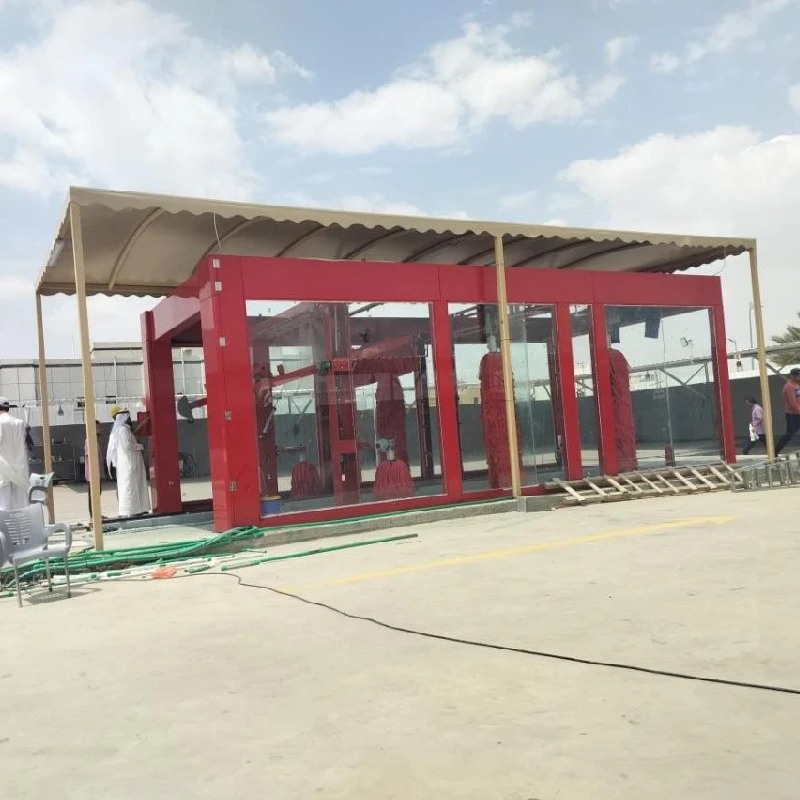
Automated tunnel car wash systems aren’t confined to one geography — they span continents and sectors. In the US and Europe, they appear at gas stations, stand-alone wash centers, and even large shopping malls. In the Middle East and Asia, particularly in rapidly urbanizing cities, the demand is booming due to increased car ownership rates.
Oddly enough, tunnel car washes cater not just to consumer convenience but also to fleets servicing remote industrial sites. For example, mining operations in Australia rely on high-capacity tunnels for their truck fleets, ensuring vehicles meet environmental and safety standards before hitting public roads.
In addition to commercial uses, some NGOs use similar automated systems scaled down to clean relief vehicles, especially in humanitarian logistics hubs documented by UNECE as essential for emergency response.
Comparing Leading Tunnel Car Wash System Vendors
| Vendor | Price Range | Key Strength | Warranty/Service |
|---|---|---|---|
| Dycarwasher | $120,000 - $220,000 | Advanced automation & eco-friendly features | 3 years full coverage + lifetime support |
| WashMasters | $90,000 - $180,000 | Cost-effective modular designs | 2 years with optional upgrades |
| EcoClean Solutions | $130,000 - $240,000+ | Leading water recycling technology | 4 years + on-site service |
Advantages and Long-Term Value of Tunnel Car Wash Systems Price Awareness
You might wonder, beyond the upfront investment, why spend the time analyzing tunnel car wash systems price closely? For one, the financial payoff can be huge — these systems drastically reduce labor costs, increase throughput, and maintain consistent service quality.
From a sustainability standpoint, modern systems with water recapture technologies ease environmental compliance and can even bolster community goodwill — that positive brand image is priceless these days. Safety-wise, automation limits employee exposure to harsh chemicals, improving workplace standards.
And here’s an emotional angle: customers expect quick, spotless washes without hassle. Reliable machines that don’t break down repeatedly earn trust and repeat business — a priceless currency in retail operations.
Future Trends & Innovations in Tunnel Car Wash Systems Price
Looking ahead, the price landscape will shift as technologies mature. Smart sensors, IoT connectivity, and AI-driven maintenance predictions are entering the mix, promising lower operational disruptions. Green energy integrations — like solar-powered drying units — are also gaining traction, boosting long-term savings and sustainability.
Policy is catching up too, with governments incentivizing water-efficient equipment, impacting the total cost of ownership favorably for buyers willing to invest upfront.
Challenges & Solutions in Managing Tunnel Car Wash Systems Price
It’s not all smooth sailing. High initial costs can deter smaller operators, and inconsistent vendor support sometimes complicates maintenance. Moreover, regional variations in regulations require customized solutions, which add to costs.
Industry experts suggest approaching purchases with a total cost of ownership mindset. That means factoring in energy, water savings, and service agreements early, rather than focusing merely on sticker price. Plus, choosing vendors with proven track records—like Dycarwasher, known for their warranty and eco-features—can save headaches later.
FAQ: Frequently Asked Questions About Tunnel Car Wash Systems Price
- Q: What is the average price range for a basic tunnel car wash system?
A: Basic tunnel systems typically range from $80,000 to $120,000 depending on size, throughput, and features. More advanced setups cost significantly more due to automation and recycling technologies. - Q: How does water recycling affect the price?
- A: Incorporating water recycling equipment can increase initial costs by 15-25%, but reduces water bills and meets stricter environmental regulations—offsetting costs in the long term.
- Q: Are there financing options or subsidies available?
- A: Many manufacturers and governments offer leasing, financing, or subsidy programs to encourage adoption of eco-friendly systems. It’s worth consulting vendors like Dycarwasher directly.
- Q: How important is vendor support for long-term cost management?
- A: Very important. Comprehensive warranties and easy access to parts reduce downtime and unplanned expenses, often saving more than the difference in upfront price.
- Q: Can tunnel systems be customized for different vehicle sizes?
- A: Yes, many vendors offer adjustable configurations to accommodate sedans, SUVs, or even trucks, but customization can impact pricing.
In Conclusion
Taking the time to understand tunnel car wash systems price can empower your decision-making significantly. Long-term value, environmental sustainability, and operational efficiency hinge on choosing the right system and vendor tailored to your specific needs. These machines are not just costs — they’re investments in your business’s reliability and customer satisfaction.
Ready to explore options? Visit Dycarwasher for detailed pricing, customization, and expert advice.
Mini takeaway: It’s never just about the initial sticker price — comprehensive evaluation of features, support, and sustainability make all the difference in tunnel car wash system investments.
References:
1. International Carwash Association, Industry Data, 2023.
2. ISO 14001 Environmental Management Standards, ISO.org.
3. UNECE Reports on Humanitarian Transport Logistics, 2022.
-
Best High Pressure Water Jet for Car Wash and Detailing GuideNewsApr.16,2026
-
Professional High Pressure Water Car Wash Systems GuideNewsApr.09,2026
-
Unlock a Professional Shine with High Pressure Spray Wax TechnologyNewsApr.07,2026
-
Choosing the Right High Pressure Nozzle for Car Wash and DetailingNewsApr.04,2026
-
Choosing the Right High Pressure Car Cleaner for Optimal Vehicle CareNewsMar.31,2026
-
Investing in a High Power Car Washing Machine for Business EfficiencyNewsMar.28,2026