Comprehensive Guide to Veh Washing Machine Price – Factors, Trends & Benefits
Understanding Veh Washing Machine Price: A Critical Insight for Industry and Beyond
We often think about washing machines as a basic household convenience, but when it comes to vehicle washing—especially commercial or industrial vehicles—understanding the veh washing machine price takes on an entirely different weight. Globally, this price point shapes decisions that ripple across sectors from logistics to municipal services, affecting operations, sustainability efforts, and even urban infrastructure budgets.
Why does the cost of vehicle washing machines matter so much? Frankly, it often dictates which technologies companies can deploy, the level of environmental standards met, and the longevity of these machines in demanding conditions. Getting a handle on these costs—and what underpins them—helps decision makers weigh investments against efficiency, durability, and future-proofing.
Global Context: The Broad Impact of Vehicle Washing Systems
From bustling ports in Rotterdam to sprawling transport hubs in Asia, vehicle cleanliness impacts everything from safety to environmental compliance. The global market for commercial vehicle wash systems was valued at roughly $2.3 billion in 2023—and projections suggest a steady increase fueled by stricter regulations and urbanization (source: World Bank).
But here's the rub: Many regions face challenges balancing budget constraints with the need for durable, eco-friendly wash machines. This creates a persistent question about the optimal veh washing machine price point that aligns cost with functionality and innovation.
What Exactly Does “Veh Washing Machine Price” Mean?
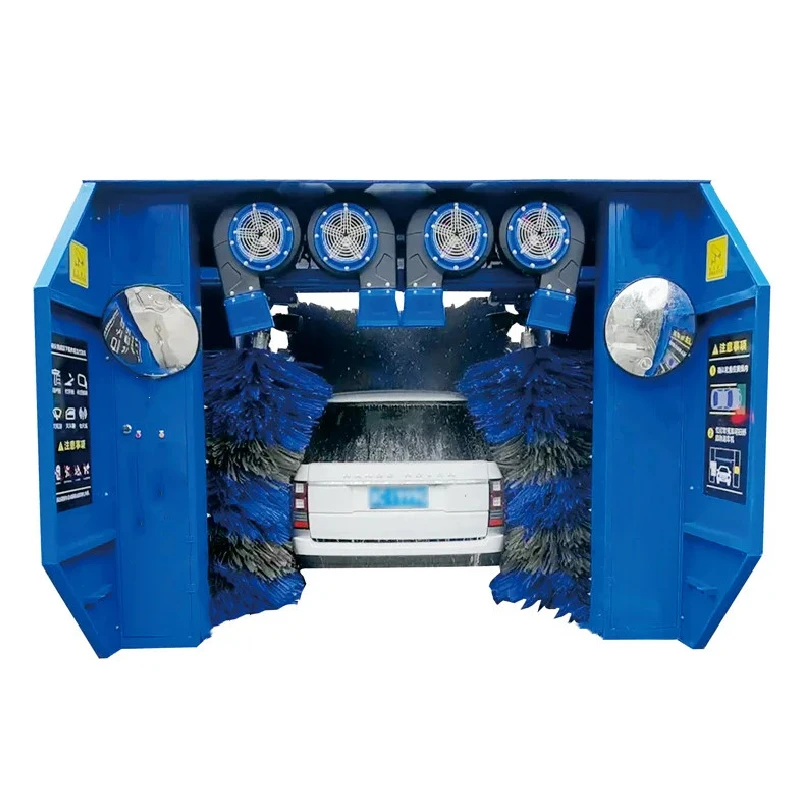
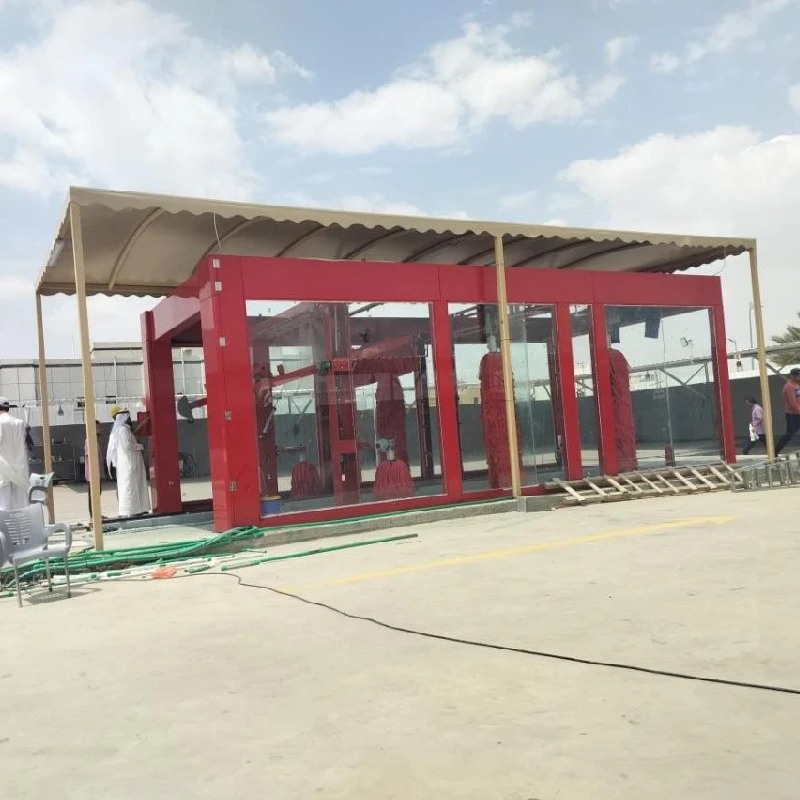
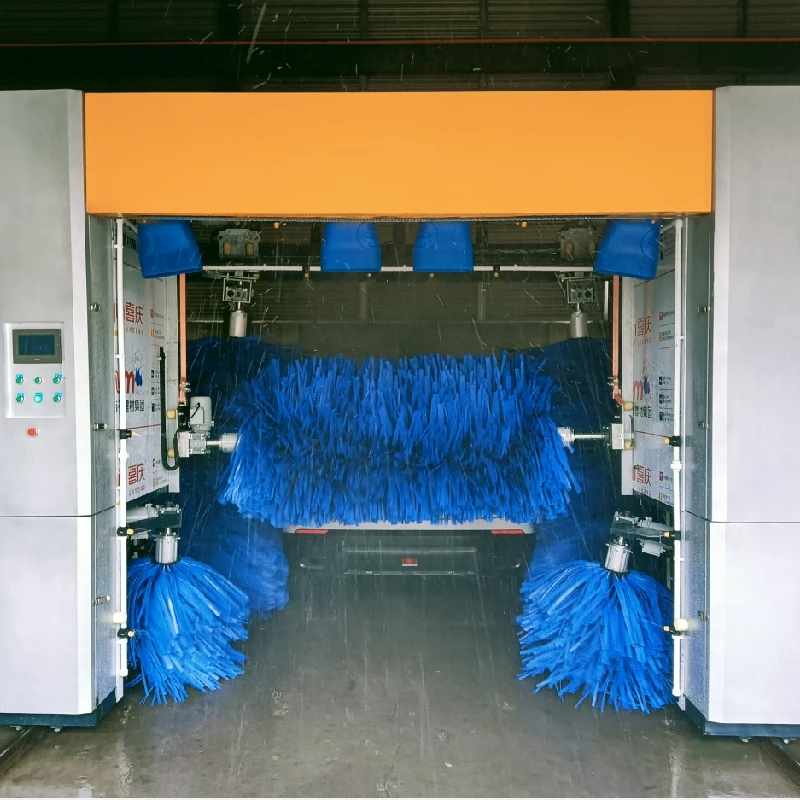
Simply put, veh washing machine price refers to the total cost required to acquire a vehicle washing system adapted for heavy-duty or commercial use. This doesn’t just mean the sticker price but often includes installation, maintenance, water recycling units, and technology upgrades.
This price is closely linked to how the machine performs in industries such as freight, public transport, and sanitation. It also intersects with humanitarian and environmental objectives, as these machines help maintain public health standards, reduce corrosive damage, and improve safety.
Core Factors Impacting Veh Washing Machine Price
1. Durability and Build Quality
Heavy-use conditions call for robust components, often stainless steel or industrial-grade polymer. Machines with longer lifespans usually cost more upfront but save recurring expense and downtime.
2. Water Efficiency and Recycling Features
Environmental standards and water scarcity concerns push vendors to integrate advanced water recovery systems. These features contribute to price hikes but offer long-term savings and sustainability benefits.
3. Automation and Smart Technology
Automated cycles, sensor technologies, and remote monitoring tools increasingly influence prices. While adding complexity, they boost operational efficiency and reduce human error.
4. Installation and Maintenance
Some machines demand elaborate setup with plumbing and electrical integration. Maintenance contracts or warranties often factor heavily into the overall cost structure.
5. Scale and Capacity
The size and throughput capabilities affect pricing—a compact in-bay washer for a small fleet will be priced differently than a conveyor-based system servicing hundreds daily.
Typical Specifications of Vehicle Washing Machines
| Specification | Standard Range | Premium Model |
|---|---|---|
| Dimensions | 6m x 3m x 3m | 10m x 4m x 4m |
| Water Usage (per vehicle) | 100-150 liters | 50-80 liters (with recycling) |
| Wash Cycle Time | 5-7 minutes | 3-5 minutes (automated) |
| Power Source | Electric (single phase) | Electric + Solar Options |
| Automation Level | Manual / Semi-automatic | Fully Automated with Smart Controls |
Global Applications & Real-World Use Cases
In post-disaster relief efforts, quick deployment of mobile vehicle washing units ensures contaminated vehicles don’t spread health risks. For example, NGOs operating in flood-affected regions in South Asia have relied heavily on cost-efficient washing systems to sanitize transport and supply trucks.
Urban municipalities in Europe increasingly adopt eco-friendly washing machines to comply with ISO 14001 environmental management standards. Even mining companies in remote Australia invest in rugged vehicle wash systems, where dirt and chemicals could otherwise degrade machinery and local ecosystems.
Advantages and Long-Term Value of Understanding Veh Washing Machine Price
- Cost Savings: Investing wisely avoids frequent repairs or replacements.
- Sustainability: Water-saving tech supports environmental goals.
- Safety & Hygiene: Clean vehicles reduce occupational hazards and maintain brand trust.
- Innovation: Tech-enabled machines increase throughput and reduce labor costs.
Emotionally, there’s also a sense of pride in adopting solutions that don’t just “clean the fleet” but contribute to cleaner air and safer communities.
Vendor Comparisons: Choosing the Right Supplier
| Vendor | Price Range (USD) | Water Recycling | Warranty | Automation Features |
|---|---|---|---|---|
| CleanFleet Inc. | 15,000 - 25,000 | Yes (75% recovery) | 3 years | Full automation, remote monitoring |
| EcoWash Systems | 10,000 - 18,000 | Basic (water reuse) | 2 years | Semi-automatic |
| RapidWash Solutions | 12,000 - 20,000 | Advanced, solar-powered options | 3 years+ | Automated cycle options |
Future Trends & Innovations in Vehicle Washing Technology
The future looks greener and smarter. Technologies like IoT-enabled diagnostics, AI-driven cycle optimization, and integration with renewable energy sources are gaining traction. This means veh washing machine price will increasingly reflect high-tech add-ons but also deliver unmatched operational efficiency—sort of like paying more upfront for electric cars but saving over time on fuel.
Challenges & Innovative Solutions
Common issues? High initial costs, water resource management, and technical know-how limits in emerging markets. But companies are responding with modular machines that can be scaled up, subscription-based maintenance to reduce upfront spending, and training partnerships to build local expertise.
FAQs About Veh Washing Machine Price
- Q: What factors most influence the vehicle washing machine price?
- A: The main cost drivers include build quality, water recycling features, automation level, and installation complexity. Higher upfront prices often correspond with long-term savings and sustainability.
- Q: How reliable are water recycling systems in these machines?
- A: Most advanced models recover 70-80% of water used, significantly reducing consumption and wastewater generation—key for drought-prone regions.
- Q: Can these washing machines be customized for different vehicle types?
- A: Yes, vendors offer modular systems adjustable for cars, trucks, buses, or specialized heavy machinery, impacting the price accordingly.
- Q: Are there rental or leasing options to mitigate high cost?
- A: Some vendors provide leasing or pay-per-use plans, allowing organizations to access modern equipment without heavy capital investment upfront.
- Q: How can NGOs source affordable vehicle washing machines internationally?
- A: NGOs typically partner with global suppliers offering scalable pricing and may leverage grant funding or government subsidies to facilitate procurement.
Conclusion: Why Paying Attention to Veh Washing Machine Price Makes Sense
In practical terms, understanding the veh washing machine price is crucial—not just as a number on a quote sheet but as a window into broader operational efficiency, environmental compliance, and future market readiness. Companies and organizations that get this right can expect safer, cleaner fleets and tangible returns on investment.
Ready to explore competitive pricing and the latest models? Visit our website: veh washing machine price for detailed listings and expert advice.
To sum up, the vehicle washing machine market intimately links cost with capability and sustainability. It's a compelling sector where technical savvy meets real-world practicality.
References: 1. Wikipedia - Vehicle Washing 2. ISO 14001 Environmental Standards 3. World Bank - Urban Development
-
Best High Pressure Water Jet for Car Wash and Detailing GuideNewsApr.16,2026
-
Professional High Pressure Water Car Wash Systems GuideNewsApr.09,2026
-
Unlock a Professional Shine with High Pressure Spray Wax TechnologyNewsApr.07,2026
-
Choosing the Right High Pressure Nozzle for Car Wash and DetailingNewsApr.04,2026
-
Choosing the Right High Pressure Car Cleaner for Optimal Vehicle CareNewsMar.31,2026
-
Investing in a High Power Car Washing Machine for Business EfficiencyNewsMar.28,2026