Reliable Car Conveyor Solutions for Industrial Efficiency | DY Car Washer
Why a car conveyor is a Game-Changer in Industrial Equipment
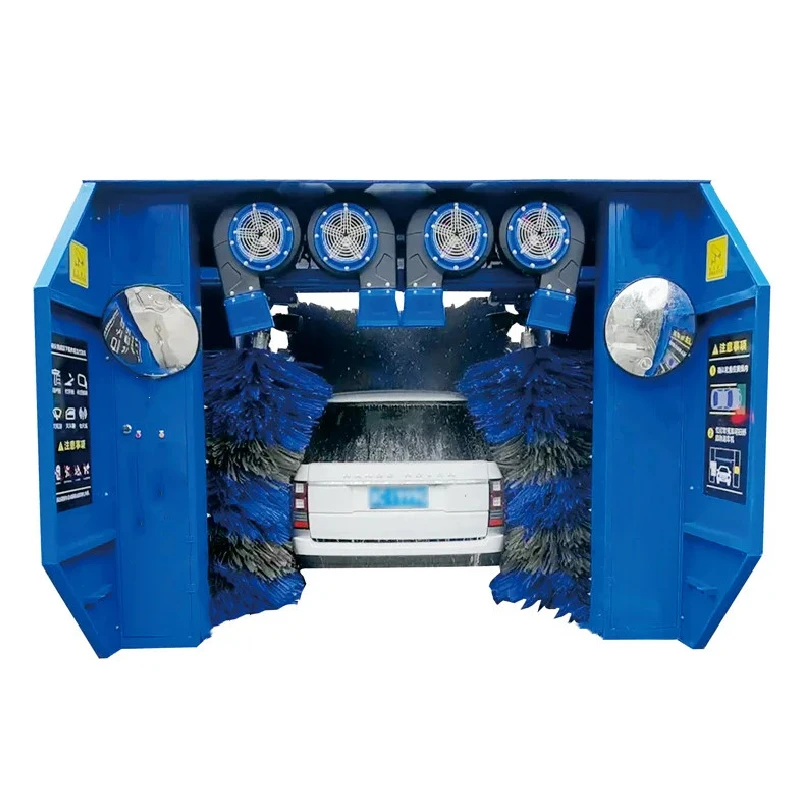
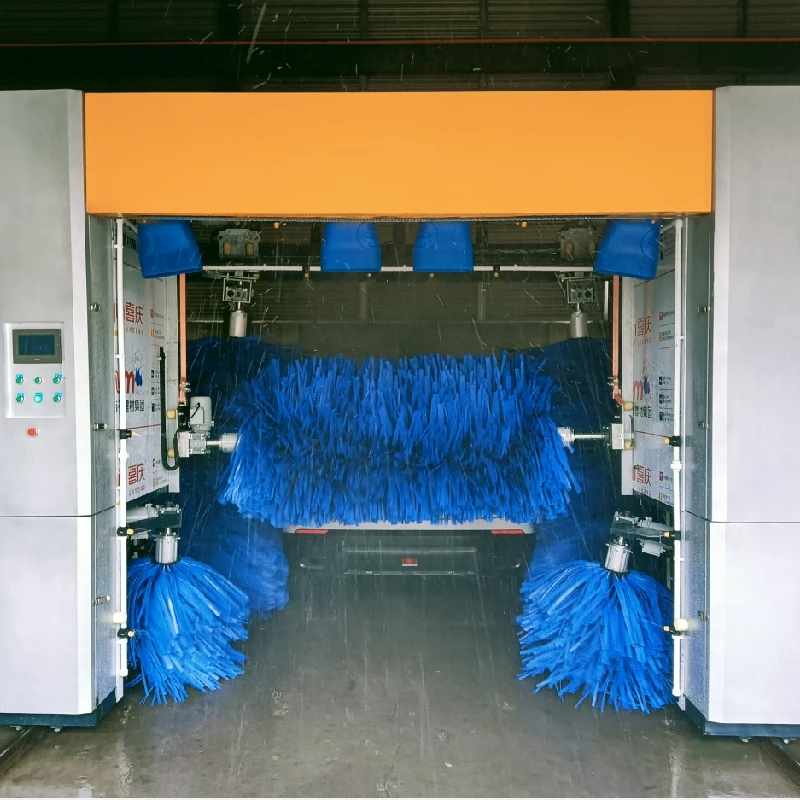
Working in the industrial equipment sector for over a decade, I’ve seen quite a few machines come and go — some become indispensable, some never quite hit their stride. Oddly enough, the humble car conveyor is one piece of equipment that quietly changed how many facilities run daily operations, especially when it comes to vehicle handling. Frankly, if you’ve ever watched an efficient car wash or automotive assembly line, you’re witnessing the magic of these conveyors firsthand.
At its core, a car conveyor is designed to move vehicles smoothly and safely along a predetermined path. But the devil, as they say, is in the details. These conveyors need to handle heavy loads, variable weights, and different vehicle sizes — all while maintaining a steady, reliable pace. Early on, I noticed how material choice, motor quality, and safety features were critical differentiators. For instance, steel rollers paired with anti-slip belts tend to outperform in harsh industrial environments compared to cheaper plastic parts.
Many engineers nowadays emphasize customization. It feels like the “one-size-fits-all” approach simply doesn’t cut it anymore. You might need a conveyor that fits tight factory layouts or that syncs seamlessly with other automated systems. What surprised me is how many vendors offer modular designs, letting you expand or adjust the conveyor length over time. This flexibility can save a lot of headache (and money) down the road.
Before I delve deeper, here’s a quick snapshot of what a typical car conveyor’s specs look like:
| Specification | Details |
|---|---|
| Load Capacity | Up to 3,000 kg per section |
| Conveyor Speed | 0.5 to 3 meters/minute (variable) |
| Power Supply | 380V/50Hz 3-phase, options available |
| Materials | Galvanized steel frame, rubber belts/rollers |
| Length & Width | Customizable (2m to 20m+, 1.5m standard width) |
| Control System | PLC-based with safety sensors |
While specs give a baseline, the real test is in deployment. I recall a facility in Michigan that adapted the conveyor to their quirky factory layout. They had limited floor space and oddly positioned machinery. Rather than forcing a square peg in a round hole, their vendor engineered a conveyor slightly curved in design, which wasn’t standard but much more practical. That’s the kind of flexibility you rarely see discussed but makes a massive difference on the plant floor.
Speaking of vendors, it’s important to compare before you commit — no industrial equipment purchase is trivial. In my experience, vendor reliability boils down to three key factors: build quality, after-sales service, and customization options. Here’s a rough comparison highlighting what stands out in the car conveyor market:
| Vendor | Build Quality | After-sales Support | Customization | Price Range |
|---|---|---|---|---|
| DY Car Washer | Excellent, galvanized and heavy-duty | Responsive, global reach | Highly modular and adaptable | Mid to high |
| Vendor A | Good, plastic components included | Average, limited support | Basic options only | Low to mid |
| Vendor B | Premium materials, overengineered | Excellent, onsite visits | Custom but expensive | High |
Something I keep in mind is that a conveyor is a long-term investment. Manufacturers I’ve worked with tend to favor vendors with solid reputations and thorough quality controls. DY Car Washer, for example, isn’t just about selling conveyors — they continue with timely tech upgrades and support. That feels reassuring when you’re talking about equipment that forms the backbone of daily workflows.
To wrap up, a well-designed car conveyor is more than just a belt or rollers — it’s a critical link in a larger system that requires thoughtful engineering, quality materials, and tailored configurations. Whether for car wash plants, automotive assembly, or specialized industrial environments, the right conveyor makes all the difference. I’ve noticed that the companies treating their conveyors as flexible, adaptable assets instead of fixed machines enjoy better uptime and fewer headaches in the long run.
In real terms, it’s these machines quietly moving cars that keep many industries humming — and that’s something I truly respect.
Quick Takeaway: Choose your car conveyor wisely — thoughtful design and trusted vendors like those at DY Car Washer matter more than you might think.
References:
- Industrial Conveyor Systems Overview, Manufacturing Today, 2021
- Case Study: Custom Car Conveyor Solutions, Industrial Equipment Journal, 2022
- Material Selection in Heavy-Duty Conveyors, Mechanical Engineering Magazine, 2020
-
Best High Pressure Water Jet for Car Wash and Detailing GuideNewsApr.16,2026
-
Professional High Pressure Water Car Wash Systems GuideNewsApr.09,2026
-
Unlock a Professional Shine with High Pressure Spray Wax TechnologyNewsApr.07,2026
-
Choosing the Right High Pressure Nozzle for Car Wash and DetailingNewsApr.04,2026
-
Choosing the Right High Pressure Car Cleaner for Optimal Vehicle CareNewsMar.31,2026
-
Investing in a High Power Car Washing Machine for Business EfficiencyNewsMar.28,2026