Comprehensive Guide to Car Cleaning Equipment: Innovations, Applications & Benefits
Understanding Car Cleaning Equipment: Essential Tools for a Cleaner World
Car cleaning equipment might sound like something only necessary at your local service station or a detailing shop, but in reality, it’s a cornerstone of modern vehicle maintenance that stretches across industries and continents. Why does this matter globally? Simply put, clean vehicles perform better, last longer, and reflect positively on businesses and individuals alike. From reducing maintenance costs to improving environmental outcomes, understanding the ins and outs of car cleaning equipment sheds light on a key facet of transportation sustainability.
Introduction: The Global Context of Car Cleaning Equipment
Globally, the automotive sector is enormous — over 1.4 billion vehicles were on the road in 2020 according to the International Organization of Motor Vehicle Manufacturers. And these vehicles need regular cleaning not just for aesthetics but for maintenance and safety. According to ISO standards on vehicle care, proper cleaning equipment helps mitigate corrosive effects and preserves vehicle integrity. However, challenges remain, especially in regions with limited access to modern cleaning technology or where water conservation is crucial.
Oddly enough, while vehicle ownership soars in emerging markets, access to efficient and eco-friendly car cleaning systems doesn’t always keep pace, making this a vital area for innovation and global cooperation.
What Exactly Is Car Cleaning Equipment?
At its simplest, car cleaning equipment refers to the tools and machinery designed to wash, dry, and maintain vehicles. This includes everything from handheld brushes and microfiber cloths to automated wash bays and water-recycling systems. In the realm of modern industry, these tools aren’t just about convenience but about responsible vehicle upkeep — reflecting growing concerns about water use, chemical runoff, and labor efficiency.
Key Components of Effective Car Cleaning Equipment
Durability
Good equipment holds up against repetitive use and harsh chemicals without breaking down. For example, commercial-grade brushes and nozzles often feature corrosion-resistant metals and heavy-duty plastics to extend lifespan.
Efficiency & Water Conservation
Modern systems strive to minimize water consumption — critical in drought-prone regions. Technologies like pressurized water jets and closed-loop recycling help reduce waste.[1]
Scalability & Automation
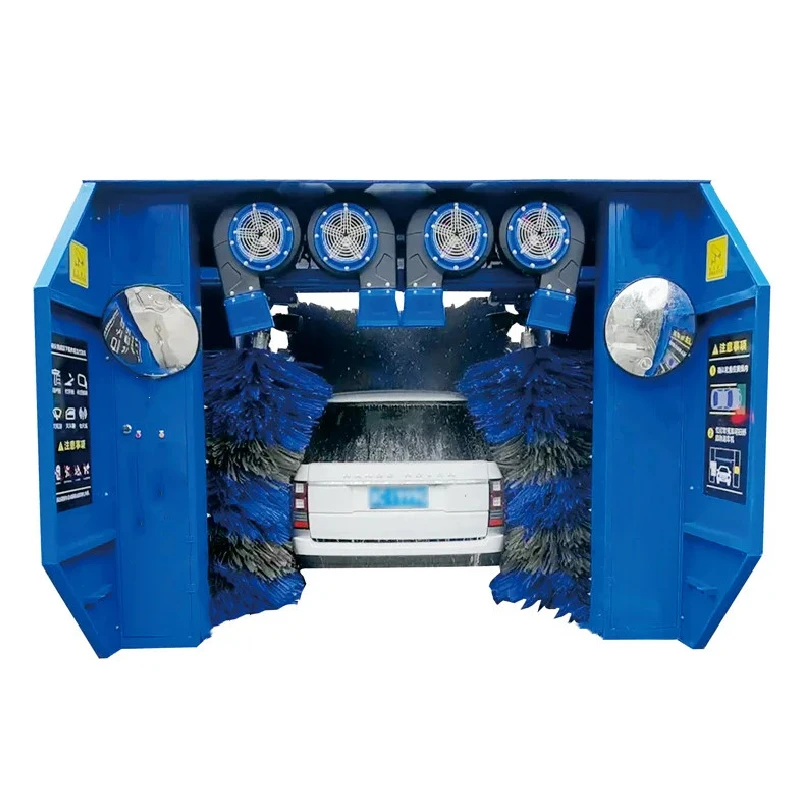
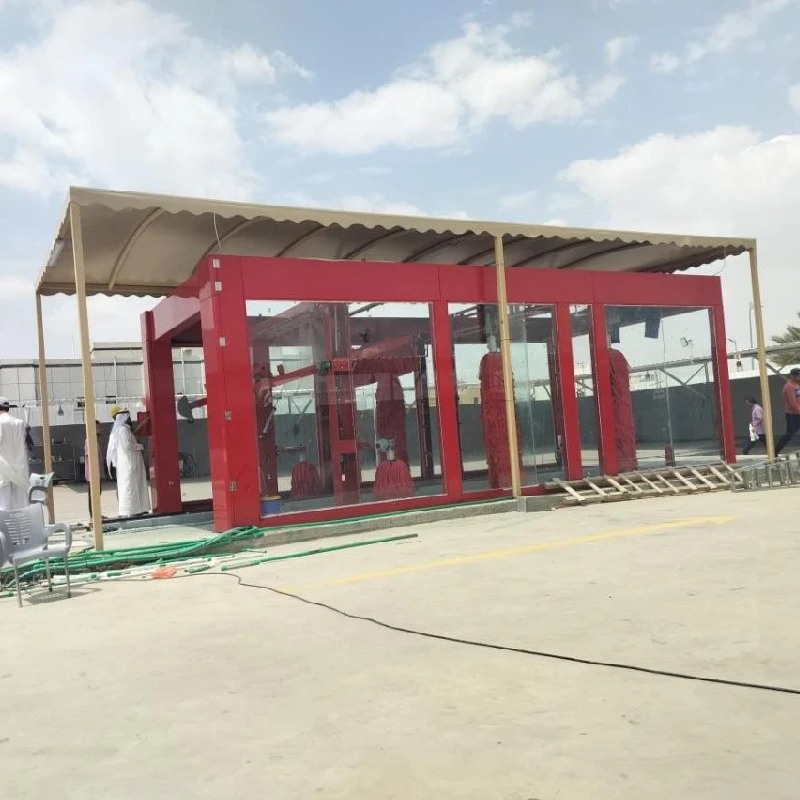
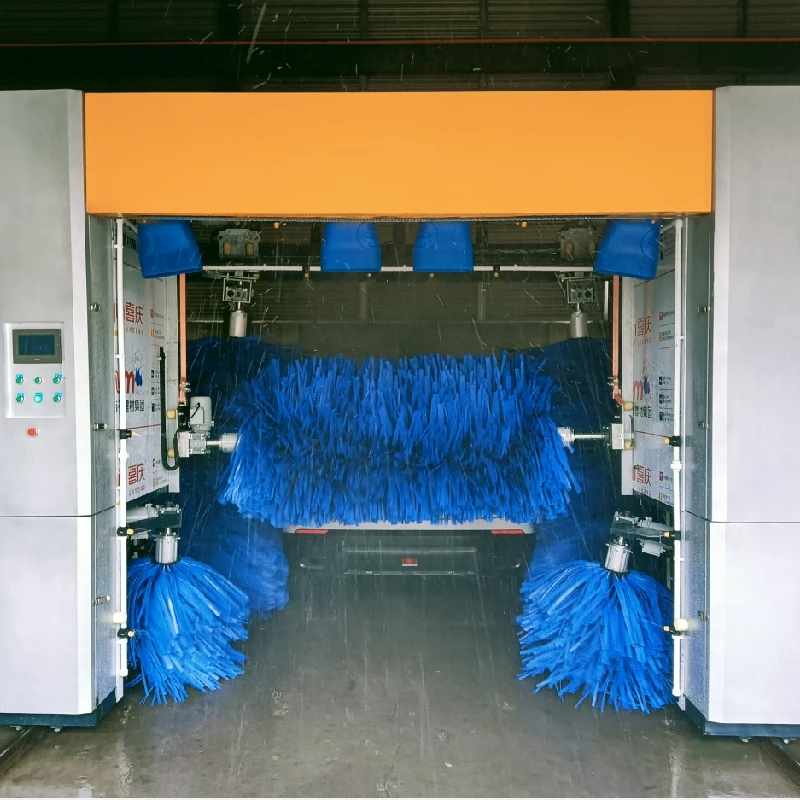
From small-scale handheld devices to large automated wash tunnels, car cleaning setups vary to meet different business sizes and budgets. Automation is particularly important for fleet operators or high-traffic car washes.
Cost Efficiency
Upfront investment and ongoing maintenance costs matter a lot, especially for small businesses. Equipment that balances price with longevity and low operating costs tends to be favored.
Environmental Friendliness
Biodegradable soaps, programmable wash cycles to limit chemical use, and systems designed to reduce runoff all contribute to a greener footprint.
How Car Cleaning Equipment Is Used Worldwide
Take for example large urban hubs like New York or Tokyo, where automated wash systems keep thousands of vehicles spotless daily. Contrast that with remote industrial zones in Australia or logistical hubs in Africa, where portable, durable cleaning kits help maintain trucks and utility vehicles on harsh terrain. Humanitarian organizations also employ such equipment — imagine post-disaster zones where keeping ambulances clean can’t be overlooked for infection control.
If you travel through Europe’s highway rest stops, you’ll notice a growing trend toward integrated car cleaning stations that combine eco-consciousness with user speed, the kind of system that’s a product of evolving car cleaning equipment.
Advantages and Long-Term Benefits
- Cost Reduction: Prevents corrosion and prolongs vehicle life, saving money on repairs.
- Environmental Impact: Efficient water use and biodegradable products reduce pollution.
- Social & Safety Benefits: Clean vehicles, especially commercial fleets, project professionalism and ensure safer driving conditions by improving visibility.
- Reliability and Innovation: High-tech automated systems reduce human error and optimize cleaning processes.
Frankly, it’s a win-win for businesses and private owners alike — supporting sustainability while enhancing vehicle performance.
Product Specification Table: Sample Car Cleaning Equipment Models
| Model | Type | Water Usage (L/min) | Power Source | Eco Features |
|---|---|---|---|---|
| EcoWash Pro 3000 | Automated Tunnel | 12 | Electric | Water recycling, biodegradable soap |
| QuickClean Handheld | Manual | N/A | None | User controls soap amount |
| HydroJet 500 | Pressure Washer | 8 | Gas/Electric | Low-water spray nozzles |
Vendor Comparison: Leading Car Cleaning Equipment Suppliers
| Vendor | Product Range | Sustainability Features | Price Range | Global Reach |
|---|---|---|---|---|
| CleanTech Solutions | Full line automated & manual | Water recycling, electric power | $$$ | Asia, Europe, Americas |
| GreenWash Inc. | Pressure washers and eco soaps | Biodegradable chemicals | $$ | North America, Europe |
| AutoClean Pro | Handheld and automated kits | Energy-saving motors | $ - $$$ | Global |
Looking Ahead: Future Trends in Car Cleaning Equipment
Technology marches on — we’re already seeing automated systems using AI to tailor cleaning cycles based on vehicle condition and dirt level. Green innovations, such as solar-powered cleaning stations and ultra-efficient waterless products, hint at a future where car washing could have near-zero environmental impact. Plus, with the growing push for digital integration, remote monitoring and smart maintenance scheduling are becoming standard. Those in the industry say automation and sustainability will continue to reshape the market in the next decade.
Challenges & Practical Solutions
Of course, not everything is smooth. Initial investment costs for automated or eco-friendly equipment can be high. Plus, settings with water restrictions or lack of infrastructure struggle to implement these systems without adaptation. However, creative solutions like mobile, solar-powered washers and modular setups have helped overcome these barriers. Many NGO and industry experts advocate for public-private partnerships to spread access to advanced cleaning solutions where it’s needed most.
FAQ: Frequently Asked Questions About Car Cleaning Equipment
- What type of car cleaning equipment is best for conserving water?
- Pressure washers with adjustable nozzles and water recycling systems are excellent for minimizing water use. Combining these with biodegradable soaps enhances environmental benefits.
- Can automated car washing systems damage a vehicle’s paint?
- Modern automated systems use soft cloths, gentle brushes, and controlled pressure to safely clean vehicles. However, poorly maintained equipment or low-quality materials can increase risks, so choosing reputable brands is key.
- Is handheld car cleaning equipment suitable for fleet vehicles?
- While handheld tools offer precision for spot cleaning, large fleets benefit from automated or semi-automated systems for efficiency and consistency, especially for frequent cleaning needs.
- How are eco-friendly car cleaning products regulated?
- Many regions follow ISO standards and environmental regulations that require biodegradable ingredients and limit harmful chemical discharge. Always verify certifications before purchase.
- Where can I find car cleaning equipment that balances cost and quality?
- Vendors like AutoClean Pro provide flexible options across price ranges. It’s essential to assess product specs in relation to your specific needs, which you can find detailed in car cleaning equipment catalogs.
Conclusion & Call to Action
Understanding the evolving landscape of car cleaning equipment reveals how vital these tools are far beyond mere aesthetics — they conserve resources, protect investments, and support cleaner environments. Whether you’re a small business owner, fleet manager, or just a car enthusiast, choosing the right equipment is a smart, sustainable decision.
For those interested in exploring top-tier options and cutting-edge solutions, I highly recommend visiting https://www.dycarwasher.com. It’s a great gateway to reliable and innovative car cleaning equipment fit for a variety of contexts.
Mini takeaway: The right car cleaning equipment isn’t just about shiny cars — it’s a key part of global sustainability and operational efficiency in today’s vehicle-driven world.
References
-
Best High Pressure Water Jet for Car Wash and Detailing GuideNewsApr.16,2026
-
Professional High Pressure Water Car Wash Systems GuideNewsApr.09,2026
-
Unlock a Professional Shine with High Pressure Spray Wax TechnologyNewsApr.07,2026
-
Choosing the Right High Pressure Nozzle for Car Wash and DetailingNewsApr.04,2026
-
Choosing the Right High Pressure Car Cleaner for Optimal Vehicle CareNewsMar.31,2026
-
Investing in a High Power Car Washing Machine for Business EfficiencyNewsMar.28,2026