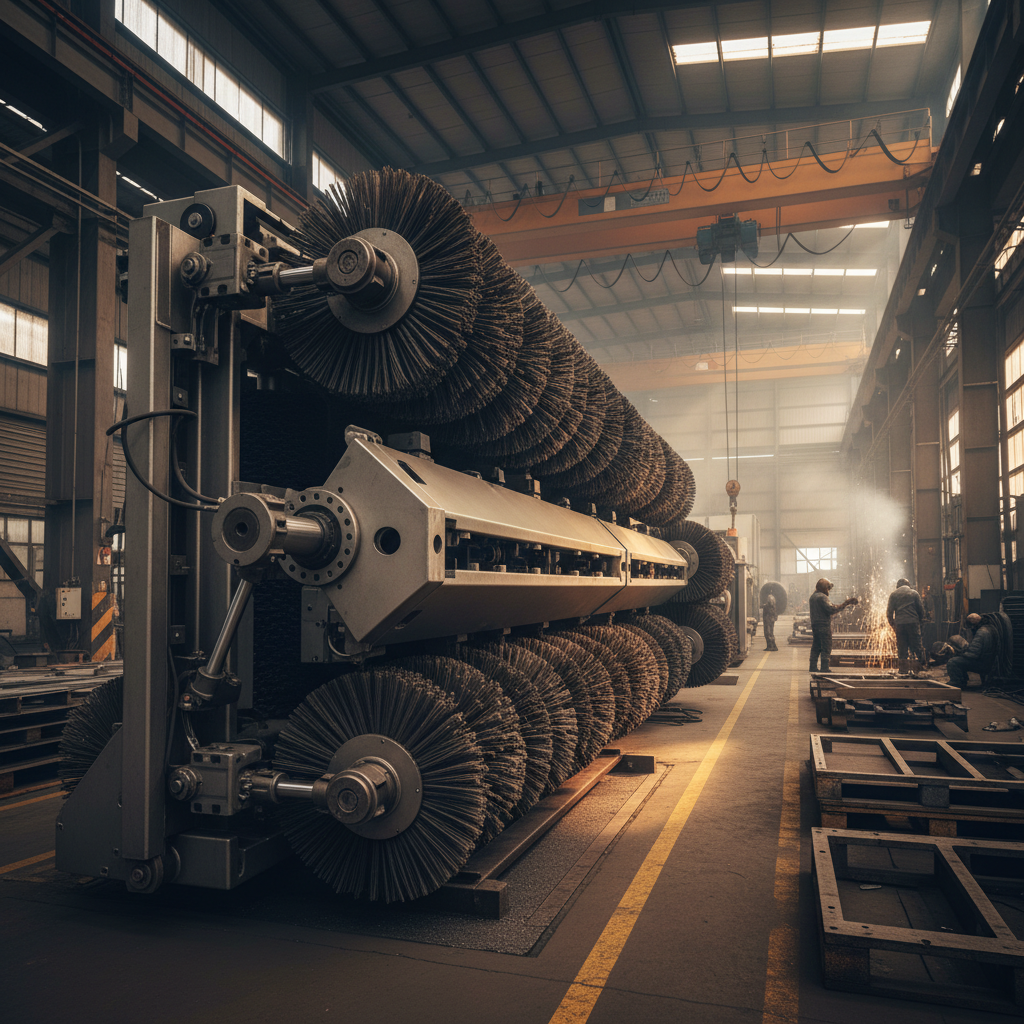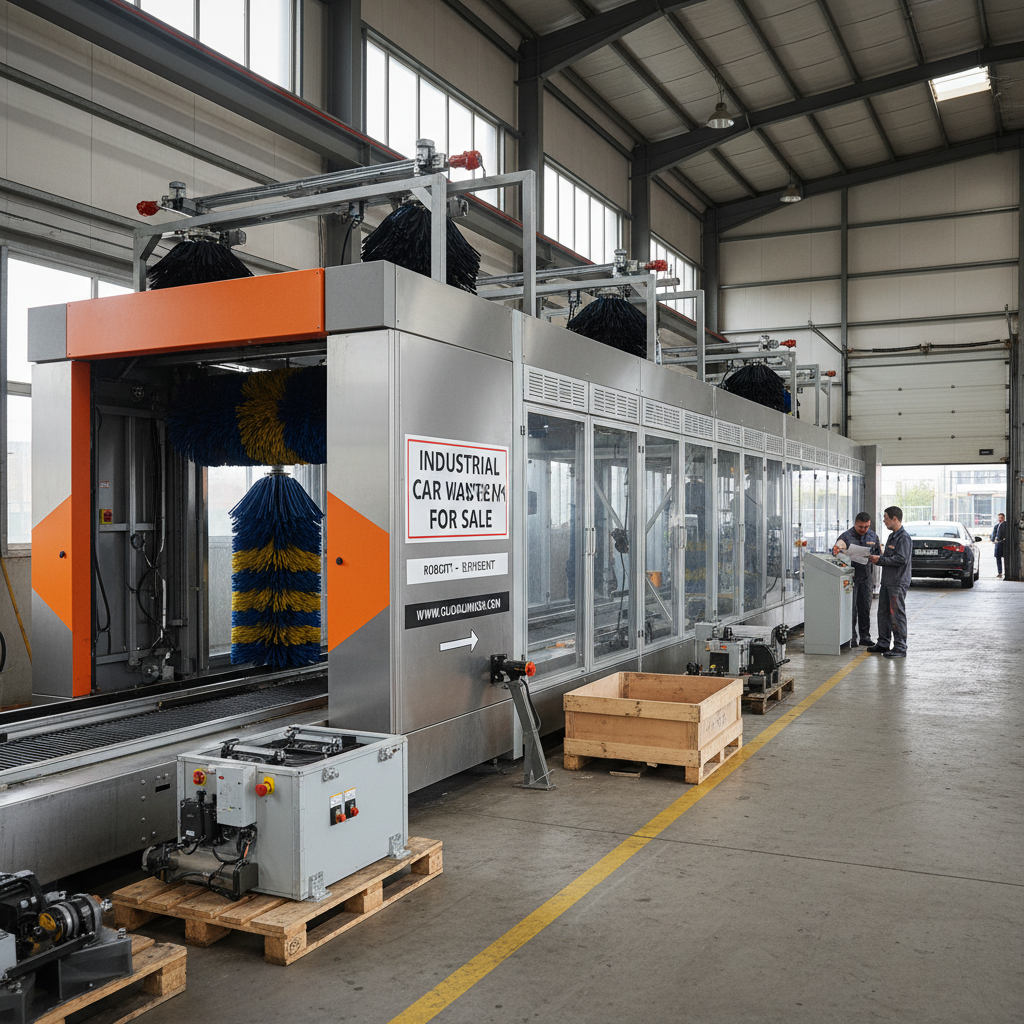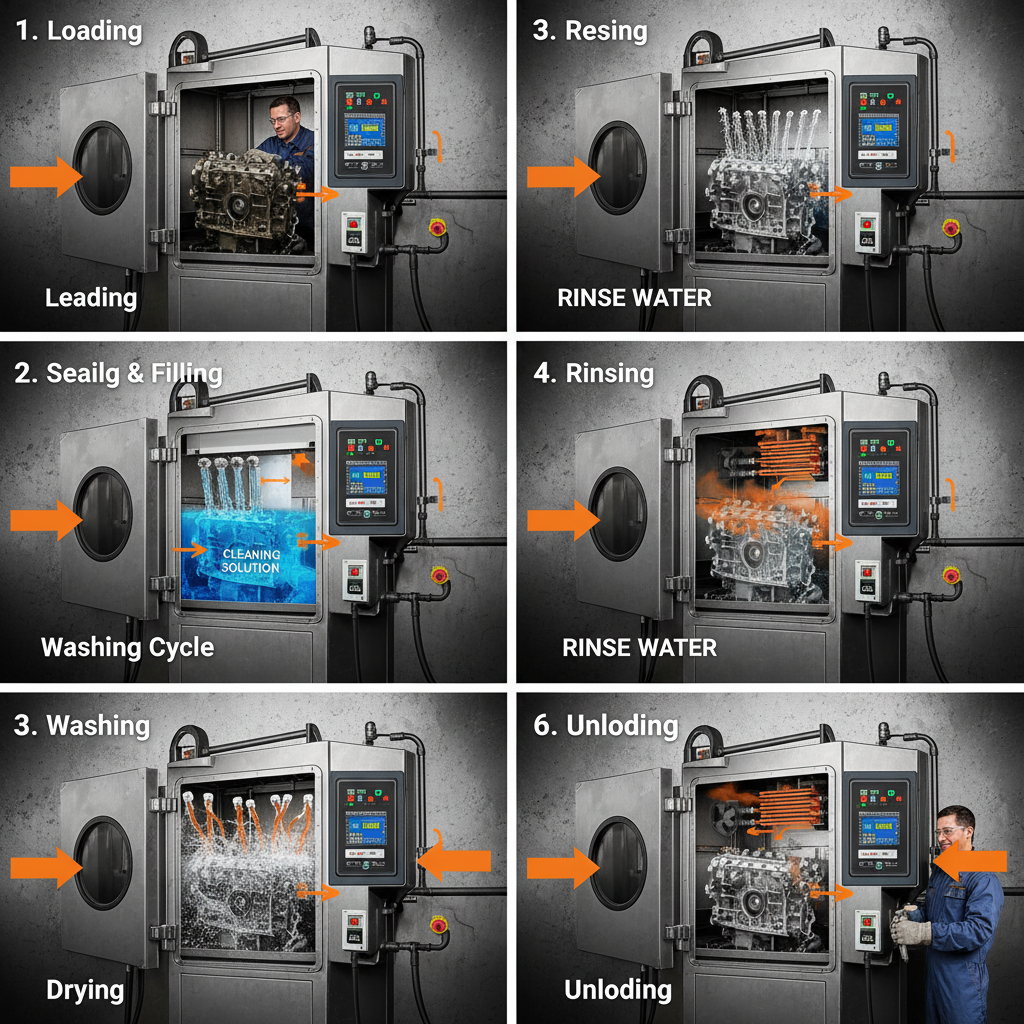
You know, the whole industry’s gone wild for pre-fabricated stuff lately. Everything's gotta be modular, quick to assemble… Honestly, it’s exhausting. Everyone’s chasing speed, but they forget about the guy actually building the thing. It's easy to design something beautiful on a computer, but try tightening a bolt on it in the pouring rain and see how pretty it still looks.
Have you noticed everyone's obsessed with light-weight materials? Carbon fiber, composites… sounds great on paper. But I was at a factory in Ningbo last month, and the dust from cutting that stuff? Forget about it. Gets everywhere. You're breathing it all day. And then the bonding agents…whew, strong smell, makes your head spin. The guys complained for weeks.
We’re dealing a lot with specialized cleaning solutions now, geared towards these new materials. It's not just soap and water anymore. You've got ceramic coatings, graphene protectants... stuff that needs specific pH levels, specific application methods. It’s… a lot. You used to be able to just hose everything down. Now, it’s a whole process.
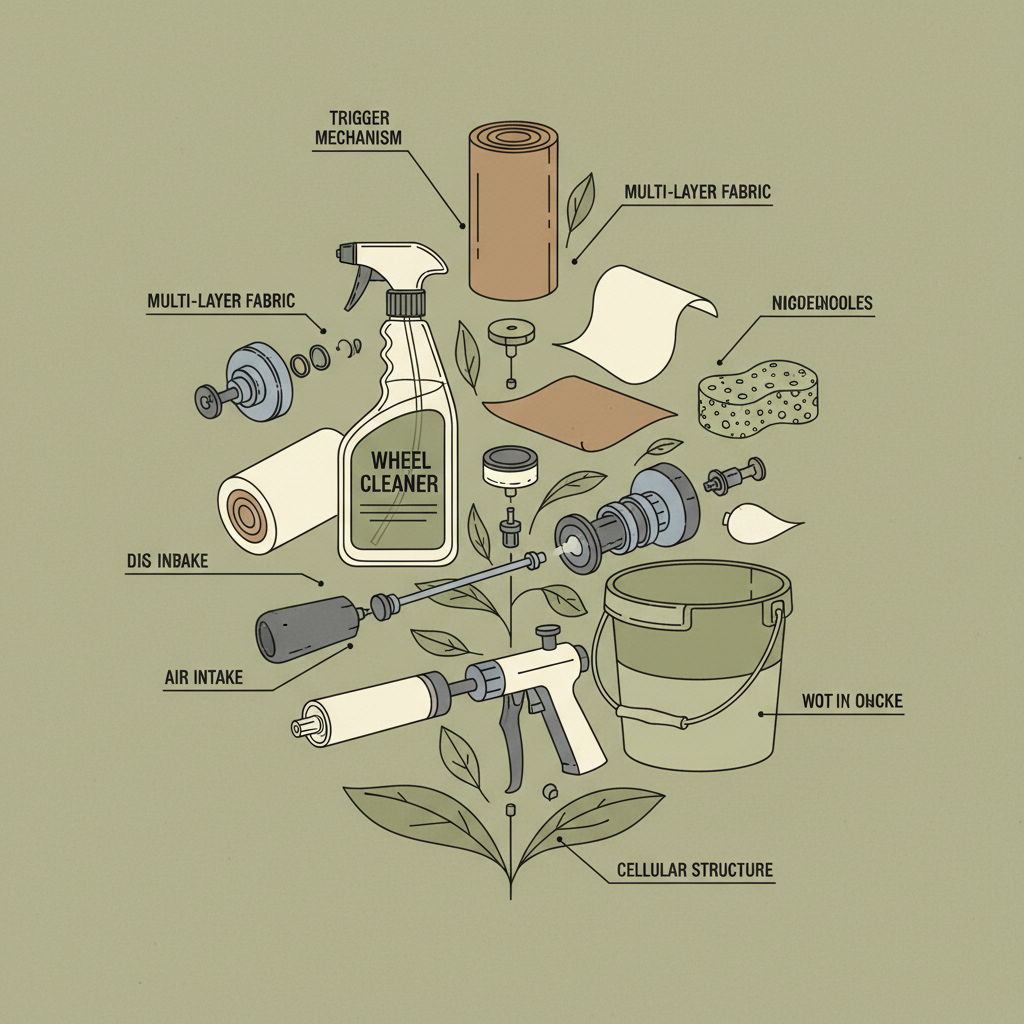

To be honest, the push for eco-friendly solutions is good, don’t get me wrong. But some of these bio-degradable degreasers? They just don't cut through the grime like the old stuff. I've seen guys using three times the amount to get the same result. Strangely enough, they end up being less environmentally friendly that way.
And the automation… everyone thinks robots are going to solve all our problems. But robots can't feel the texture of a surface. They can’t smell a leak. They can’t adapt to unexpected situations. They need constant supervision and maintenance, which means… more work for us. Anyway, I think it's a phase.
Honestly, preparation is 90% of the job. You need to thoroughly wash, decontaminate, and polish the surface. Any imperfections will show through the coating. We recommend a multi-stage process: wash with a pH-neutral soap, then use a clay bar to remove embedded contaminants, followed by a light polish to correct any swirl marks. If you skip steps, the coating won’t bond properly, and you’ll be back to square one. Don't cut corners, seriously.
It depends on how much you use them and how well you care for them. But generally, you should replace them every 6-12 months. Even with regular washing, they accumulate micro-scratches and lose their absorbency. And don't wash them with fabric softener! That ruins them. Just use a mild detergent and air dry them. Trust me, a fresh cloth makes all the difference.
Absolutely not. Some all-purpose cleaners can damage delicate surfaces like leather, wood, or painted plastics. Always test the cleaner in an inconspicuous area first to make sure it doesn’t cause any discoloration or damage. We always recommend using a specific cleaner designed for the surface you’re cleaning. A little extra effort can save you a lot of headaches.
Water spots are a pain. The best approach is a combination of things. Start with a glass cleaner specifically designed for water spot removal. If that doesn’t work, try using a mild abrasive polish and a microfiber applicator pad. Work in small sections and apply gentle pressure. And, for future prevention, consider applying a glass sealant to repel water. It's worth the effort.
It's more important than people think. A pH-neutral soap (around 7) is the safest bet for your car's paint. Soaps with a higher pH can strip away waxes and sealants, and even damage the clear coat over time. Soaps with a lower pH are okay for removing things like bug splatter or brake dust, but you shouldn’t use them for regular washing. Look for a soap specifically labeled as pH-neutral.
Foam cannons are great. They create a thick, clinging foam that loosens dirt and grime before you even touch the car. This reduces the risk of scratching the paint. Plus, it’s just more fun. You get a nice, even coverage, and it looks professional. But you need to use a soap specifically designed for foam cannons – regular soap won’t create enough foam.
So, yeah, the world of wholesale car cleaning supplies is a lot more complicated than it used to be. There’s a ton of new technology, new materials, and new techniques. It's easy to get lost in the details. But at the end of the day, it’s all about getting the job done right, protecting the vehicle, and keeping the customer happy.
Look, trends come and go. But the fundamental principles remain the same: quality matters, preparation is key, and a little bit of common sense goes a long way. And remember, always listen to the guys on the floor. They’re the ones who truly understand what works and what doesn't. For more top-quality wholesale car cleaning supplies, visit our website at https://www.dycarwasher.com.