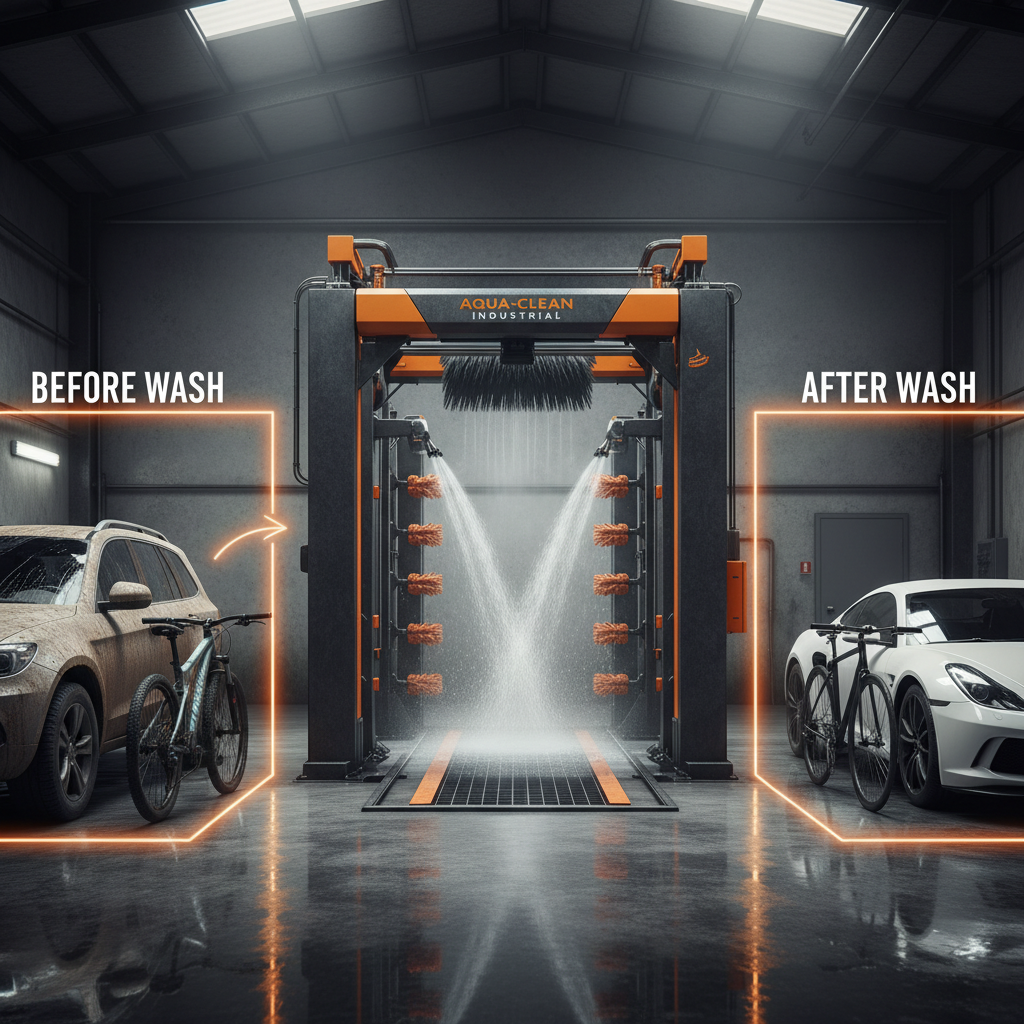
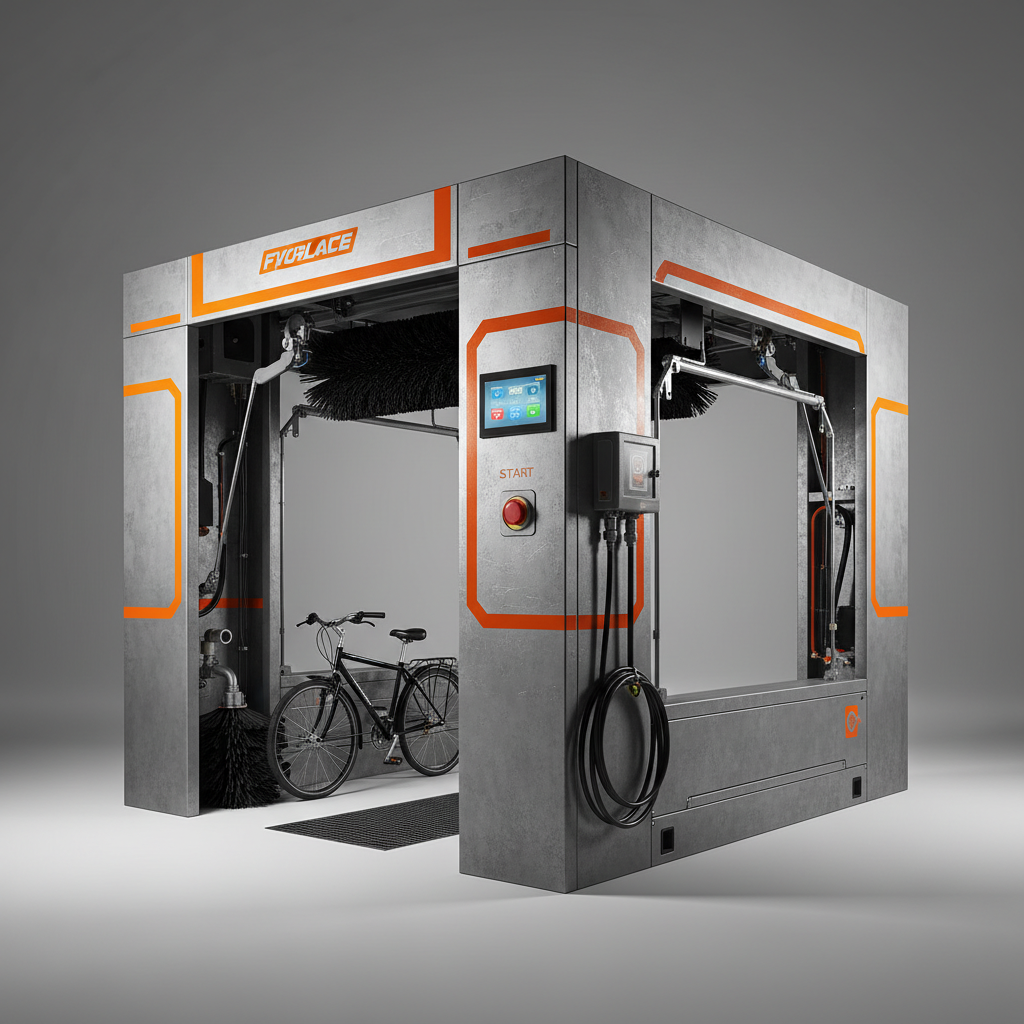
Look, automatic car wash manufacturers... it's a surprisingly hot field right now. Everyone's chasing efficiency, right? Car owners want clean cars, wash owners want fewer headaches, and frankly, the margins are decent. To be honest, I've seen more investment in this sector in the last 18 months than I did in the previous five years combined. Everyone’s talking about touchless systems, water recycling, and AI-powered vehicle recognition. It’s a bit much sometimes, really.
But it's not all sunshine and rainbows. I've noticed a lot of designs get tripped up on the details. For example, people focus too much on the 'wow' factor – the spinning brushes, the colored lights – and forget about the fundamental stuff, like drainage. Seriously, a clogged drain can shut down an entire operation. It happens more often than you think. And the chemical delivery systems? Don't even get me started.
It's a constant battle against corrosion and wear and tear. Anyway, I think understanding the practical limitations is key.
The Current Landscape of automatic car wash manufacturers
The big push right now is definitely towards water conservation. Regulations are getting stricter, and customers are more environmentally conscious. You've got systems that recycle up to 80-90% of the water. It’s impressive, but the filtration systems are complex, and frankly, they can be a pain to maintain. I encountered a particularly nasty biofilm buildup at a facility in Ohio last summer…that was fun.
Another trend is the move towards subscription models. Monthly unlimited washes. Seems to be working well for the owners, giving them a steady income stream. But, predictably, it also means increased wear and tear on the equipment.
Common Design Pitfalls in automatic car wash manufacturers
Oh boy, where do I start? People often underestimate the impact of water pressure. You need consistent, reliable pressure to get a good clean, but too much pressure and you’re damaging paint. Finding that sweet spot is tricky. And the nozzle design…that’s a whole other rabbit hole. I saw a design once where the nozzles were positioned wrong, and they ended up just spraying water all over the place – wasted water, unhappy customers.
Then there’s the conveyor system. It has to be robust enough to handle everything from a tiny Smart car to a massive pickup truck. And it needs to be smooth, otherwise you’re going to have cars rocking and rolling, potentially causing damage. It is much easier to design a robust conveyor if you understand the actual weight distribution of popular vehicles.
Strangely, a lot of manufacturers skimp on the sensors. Vehicle detection, water level monitoring, soap concentration…these things are critical, and cheaping out on them will come back to bite you.
Materials Matter: A Hands-On Perspective
You’ve got to think about the environment these machines are operating in. Constant exposure to water, harsh chemicals, abrasive dirt... it’s brutal. Stainless steel is a must for anything that comes into contact with water or soap. But even stainless steel isn’t immune to corrosion, especially in coastal areas with saltwater exposure. We use a lot of 316 stainless in those situations.
The conveyor rollers…that's where things get interesting. Initially, everyone was using polyurethane, but it wears down pretty quickly. Now, we’re seeing more and more manufacturers using a composite material – a mix of polyurethane and nylon. It’s more expensive upfront, but it lasts significantly longer. Feels a little grippier too, which is nice. It even smells different, less chemical-y.
And the brushes? That's where it gets really nuanced. You’ve got nylon, polypropylene, and even some exotic materials like polyethylene terephthalate. Each has its own pros and cons. Nylon is durable, but it can scratch paint. Polypropylene is gentler, but it doesn’t last as long. Later…Forget it, I won't mention it.
Real-World Testing of automatic car wash manufacturers
Lab testing is fine, I guess. But it doesn’t tell you much. The real test is putting these machines through their paces in a real-world car wash environment. I like to spend a week on-site, observing how the machine handles everything from a muddy SUV to a pristine sports car. I always insist on testing with the most aggressive detergents the owner uses.
We also run stress tests. Simulating a high volume of cars, running the machine 24/7 for a few days, pushing it to its limits. We look for leaks, wear and tear, any signs of malfunction. It’s messy, it’s tiring, but it’s the only way to truly know if a machine is going to hold up.
automatic car wash manufacturers Component Reliability (Out of 10)
How Users Actually Interact with automatic car wash manufacturers
You know, people don’t always use these things the way we think they will. I've seen customers try to wash cars with trailers attached, cars piled high with stuff, even motorcycles! You’ve got to design for the unexpected. I think.
And the payment systems…that’s a whole other headache. People losing their cards, malfunctioning readers, trying to pay with cash when the machine only takes credit cards. It’s a mess. We’ve started recommending that our clients offer multiple payment options.
Advantages and Disadvantages: A Pragmatic View
The biggest advantage, obviously, is speed. A good automatic car wash can get a car clean in a matter of minutes. And it’s consistent – every car gets the same level of clean. But it's not perfect. They’re expensive to install and maintain, and they don't always get every spot. Some customers still prefer the hands-on approach of a manual wash.
And then there’s the issue of vehicle damage. Despite all the safeguards, there’s always a risk of scratches or other damage. It doesn’t happen often, but when it does, it’s a major headache.
Customization and Flexibility in automatic car wash manufacturers
Customers always want something different, don’t they? Last month, that small boss in Shenzhen who makes smart home devices insisted on changing the interface to , and the result was... well, let’s just say it took us a week to figure out why the system kept crashing. Turns out the power supply couldn’t handle the increased current draw.
But seriously, we try to be as flexible as possible. We can customize the wash cycles, the chemical mixtures, even the colors of the lights. We can also integrate with different payment systems and loyalty programs. One client wanted a system that could automatically adjust the wash pressure based on the vehicle type – that was a fun challenge.
The key is to find a balance between customization and standardization. Too much customization and you end up with a maintenance nightmare.
Core Component Comparison
| Component |
Initial Cost |
Maintenance Effort |
Lifespan (Years) |
| High-Pressure Pump |
$2,500 - $5,000 |
Moderate |
5-7 |
| Conveyor System Motor |
$1,000 - $3,000 |
Low |
8-10 |
| Brush Assemblies |
$500 - $1,500 (per assembly) |
High |
2-3 |
| Chemical Injection System |
$1,500 - $3,000 |
Moderate |
6-8 |
| Control System (PLC) |
$3,000 - $7,000 |
Low (if well-maintained) |
10+ |
| Water Recycling System |
$5,000 - $15,000 |
High |
7-10 |
FAQS
Honestly, it's keeping the nozzles clear. They get clogged with mineral deposits and soap residue. You need a really good water filtration system and a regular cleaning schedule. I've seen guys spend hours just unclogging nozzles. It’s tedious, but crucial. Otherwise, you're just spraying a weak stream of water, and nobody wants that.
It's huge. Really huge. Hard water leaves spots, and nobody wants a spotty clean car. You need a water softener or a reverse osmosis system to remove the minerals. Otherwise, you're fighting a losing battle. And remember to factor in the cost of replacing the softening resin periodically. It's a hidden cost that people often overlook.
It depends on your water rates and your volume, but typically you're looking at 2-5 years. The initial investment is significant, but the long-term savings on water and sewer costs can be substantial. Plus, you're doing your part for the environment, which is a nice bonus. But make sure the system is properly sized for your needs – an undersized system won't save you much money.
Definitely. There's a lot of research going into biodegradable and phosphate-free detergents. Customers are demanding more environmentally friendly options. But be careful – some of these new formulations don't clean as effectively as the old ones. You need to find a balance between environmental responsibility and cleaning performance.
You want a heavy-duty, closed-loop conveyor with a robust drive system. Nylon-reinforced rubber belts are a good option. They're durable, grippy, and resistant to wear and tear. Avoid cheaper belts – they'll just end up costing you more in the long run. And don't forget to inspect the rollers regularly for wear.
At least monthly, if not more often. Chemical concentrations drift over time, and you want to make sure you're delivering the right amount of soap, wax, and protectant. An inaccurate injection system can lead to poor cleaning performance, spotting, or even damage to the vehicle’s paint. It's a small thing, but it makes a big difference.
Conclusion
Ultimately, building a reliable automatic car wash isn't about fancy features or cutting-edge technology. It’s about the fundamentals: durable materials, robust design, and regular maintenance. It’s about understanding the practical challenges and addressing them head-on. It’s also about anticipating how people will actually use the machine, not just how they’re supposed to use it.
And remember, whether this thing works or not, the worker will know the moment he tightens the screw. If it feels right, sounds right, and doesn’t leak, you’re probably on the right track. If not? Well, you know what to do. Check out automatic car wash manufacturers for quality options!