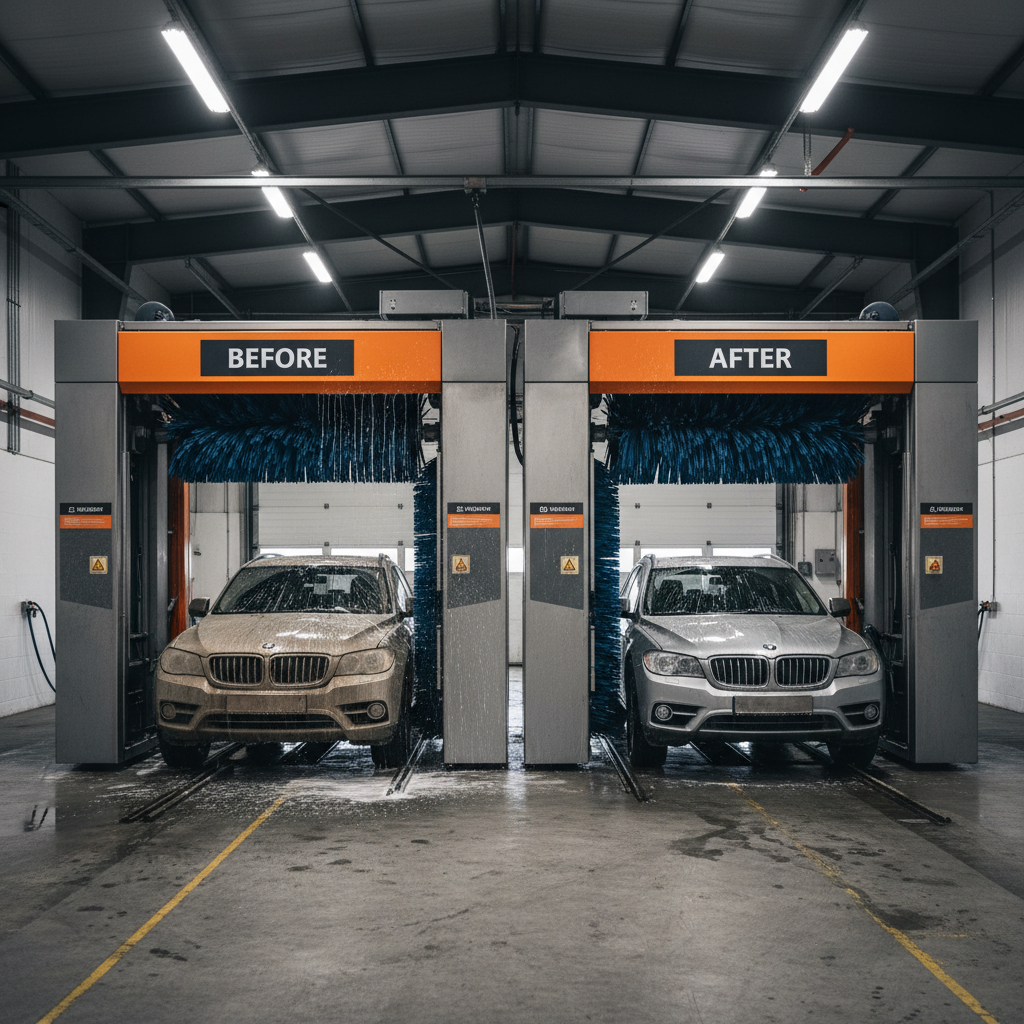
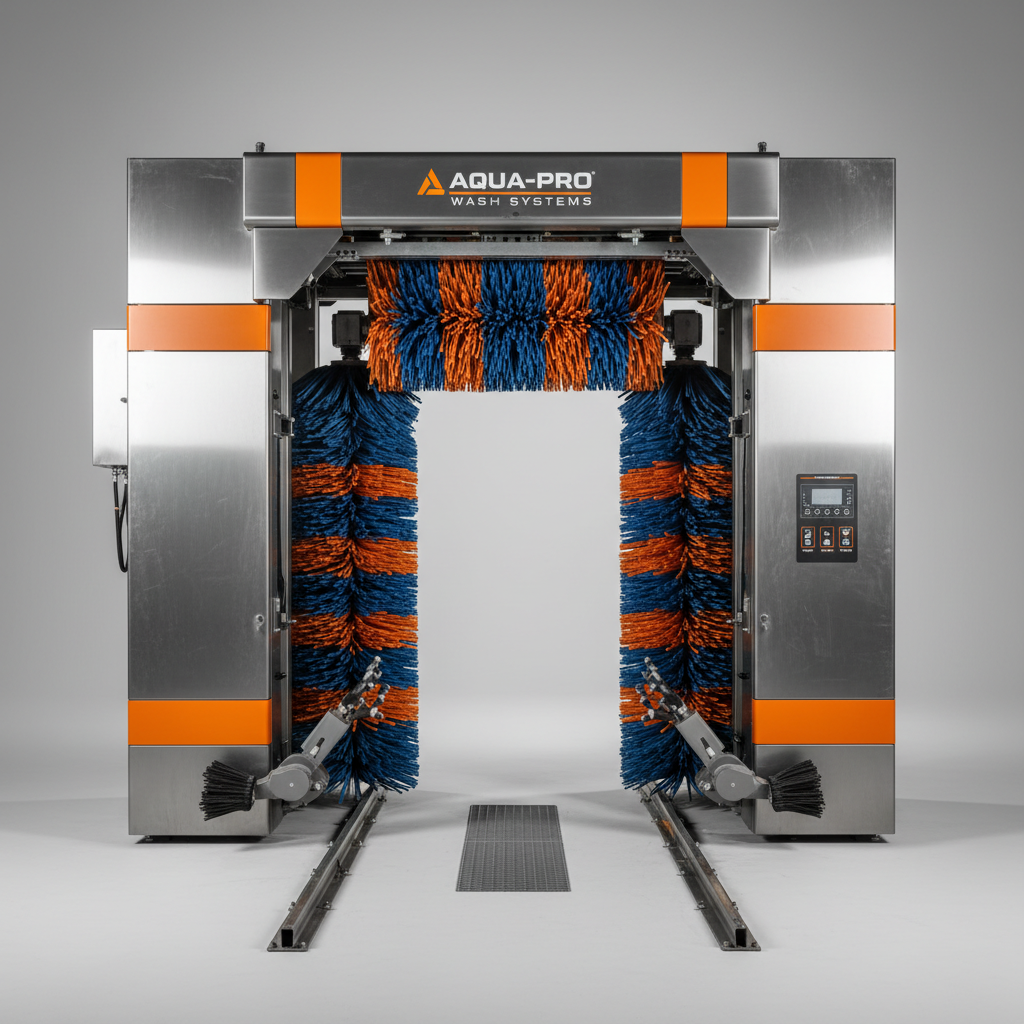
Look, I’ve spent the last fifteen years knee-deep in concrete dust and grease, watching how things actually get built, not just how they’re designed. And let me tell you, keeping components clean on a job site—especially sensitive parts—is a constant headache. That’s where the automobile component washing machine comes in. It’s not some fancy lab gadget; it’s a practical solution to a real-world problem that costs companies time, money, and frankly, a lot of frustration. We're talking about improving the lifespan of critical auto parts, reducing warranty claims, and ensuring consistent performance right from installation.
For years, we’ve been relying on messy, inefficient methods - pressure washers that can damage delicate electronics, solvent baths that are environmental nightmares, and good old-fashioned wiping which is just inconsistent and leaves residue. A dedicated automobile component washing machine changes all that. It provides a controlled, repeatable cleaning process, removing contaminants without the risk of damage. It's about bringing a level of precision and reliability to component preparation that simply wasn’t there before.
I've seen firsthand the ripple effect of dirty components. Failed sensors, corrosion-induced failures, even complete engine shutdowns traced back to microscopic debris. An automobile component washing machine isn’t just about cleanliness; it’s about preventing those failures, boosting quality control, and ultimately, protecting a company’s reputation. This isn't just about cleaning; it's about reliability.
The Importance of Automobile Component Washing Machine
The automotive industry is constantly pushing for higher efficiency, stricter quality control, and longer component lifespans. In this environment, even microscopic contamination can lead to significant issues. The demand for an automobile component washing machine is driven by the need to reliably remove cutting fluids, machining chips, dust, and other debris that inevitably accumulate during manufacturing and assembly. It's a preventative measure that addresses a critical point in the supply chain.
According to data from the International Organization for Standardization (ISO), a significant percentage of automotive recalls are attributed to component failures caused by contamination. This isn’t just about cost; it’s about safety and brand reputation. An effective automobile component washing machine helps manufacturers mitigate these risks and meet increasingly stringent industry standards.
Defining Automobile Component Washing Machine
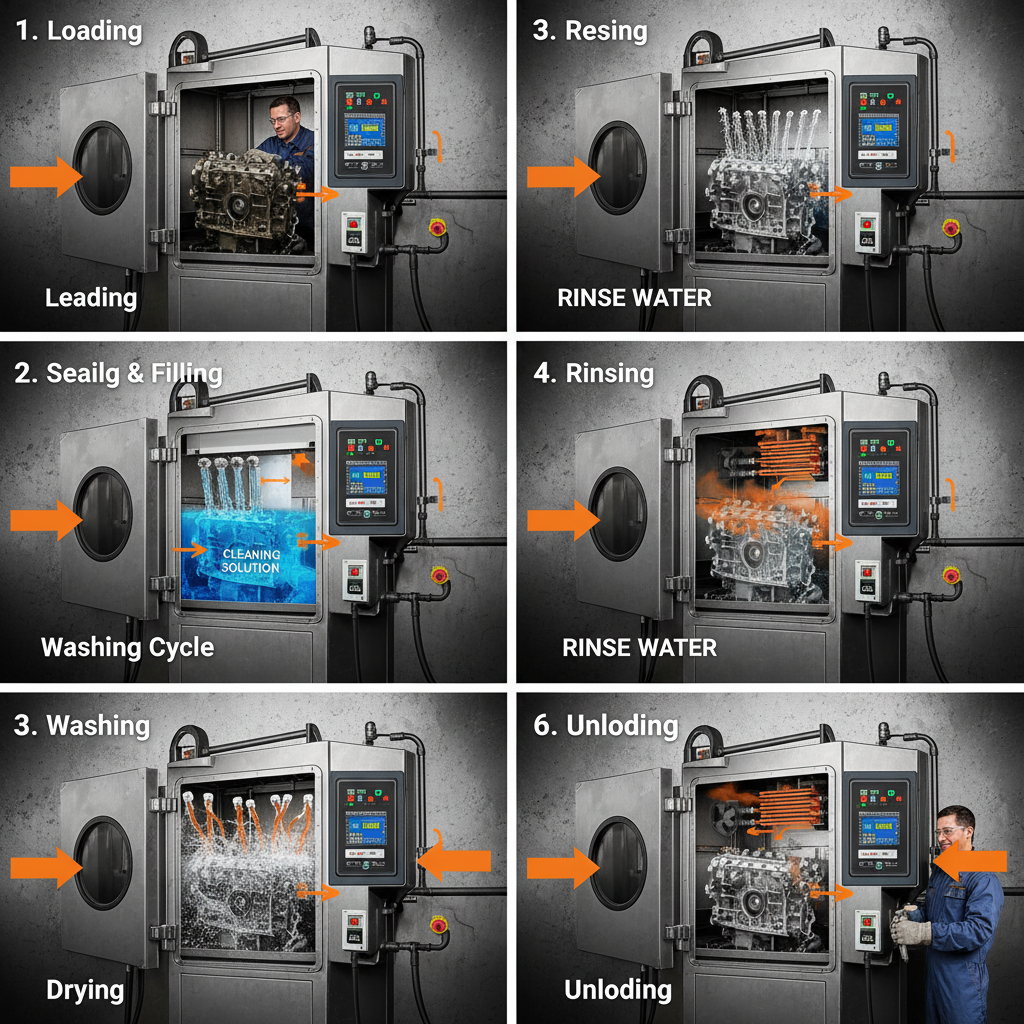
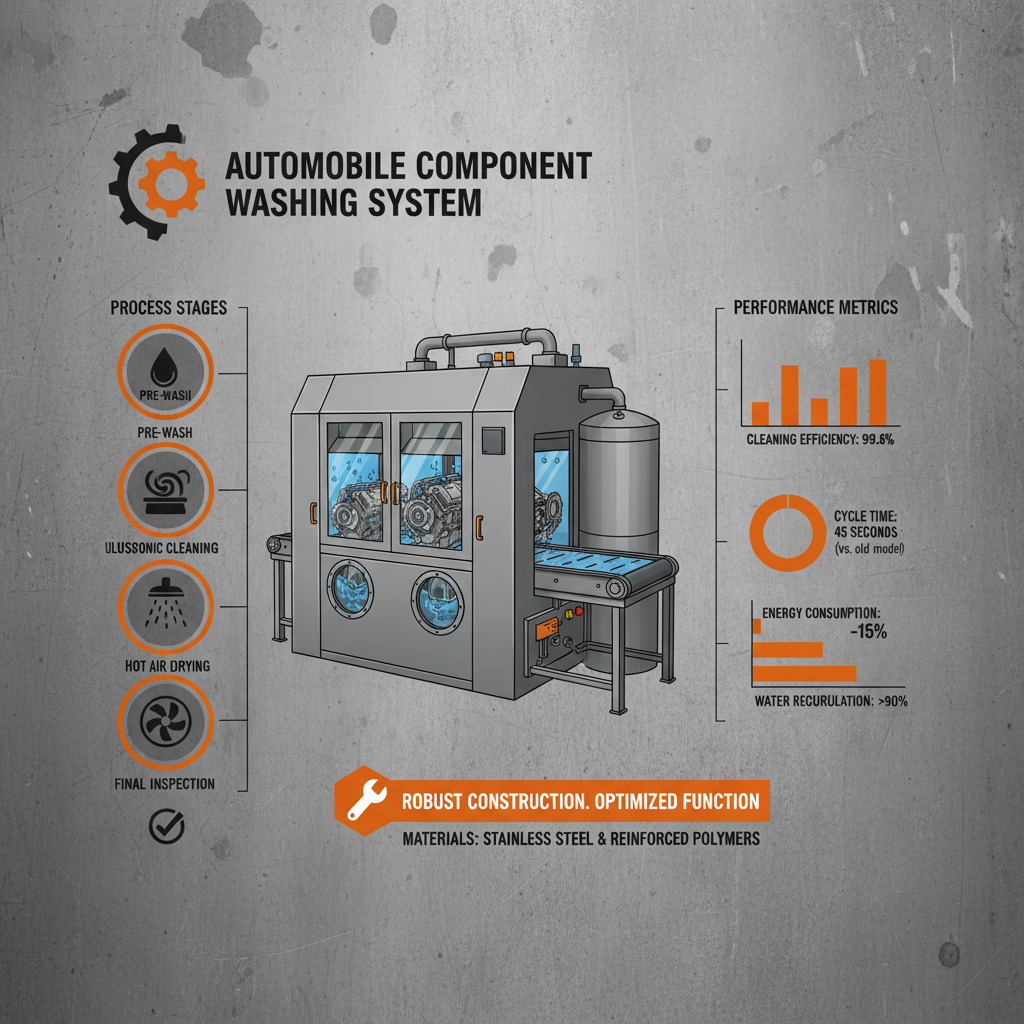
Simply put, an automobile component washing machine is a specialized piece of equipment designed to thoroughly clean automotive parts before assembly or inspection. Unlike a generic parts washer, these machines are engineered to handle the specific needs of automotive components – from delicate sensors to robust engine parts. They typically utilize a combination of aqueous solutions, ultrasonic cleaning, and controlled spray pressures to remove contaminants.
This isn’t just a ‘nice-to-have’ anymore; it’s becoming an essential part of modern automotive manufacturing. It connects directly to the broader push for Industry 4.0 and smart manufacturing – providing the necessary level of cleanliness for automated assembly lines and advanced quality control systems. A well-maintained automobile component washing machine is a foundational element of a reliable production process.
You see, we're talking about preventing the domino effect of a single contaminated part. It can trigger a chain reaction of failures, leading to expensive rework, warranty claims, and potentially even safety hazards. The automobile component washing machine isn’t just about the component itself; it’s about protecting the entire system.
Key Factors in Automobile Component Washing Machine Design
When you're looking at an automobile component washing machine, a few things immediately stand out. First, Cleaning Effectiveness is paramount. The machine needs to consistently remove a wide range of contaminants without damaging sensitive components. This comes down to the cleaning solution used, the spray pressure, and the overall design of the wash chamber.
Next, Material Compatibility is crucial. Automotive components are made from a vast array of materials – aluminum, steel, plastics, composites, and more. The washing machine needs to be compatible with all of them to avoid corrosion, discoloration, or other forms of damage. That means carefully selecting the cleaning solution and the machine’s internal components.
Then you have Automation and Integration. The ability to automate the washing process and integrate it into existing production lines is a huge benefit. This reduces labor costs, improves consistency, and minimizes the risk of human error. Finally, Maintenance and Reliability are key. A complex machine is useless if it's constantly breaking down. Simplicity, robust construction, and readily available parts are essential.
Global Applications of Automobile Component Washing Machine
You’ll find automobile component washing machines in use across the entire automotive manufacturing spectrum, from engine production to transmission assembly. They are prevalent in high-volume manufacturing plants in countries like Germany, Japan, and the United States, where quality control is paramount. But it’s not just the big players.
We’re also seeing increased adoption in emerging markets like China and India, as these countries ramp up their automotive production and strive to meet international quality standards. These machines aren’t limited to large-scale factories; they’re also used by component suppliers, remanufacturing facilities, and even specialized repair shops.
I even saw one deployed in a remote mining operation in Australia – they were rebuilding heavy-duty truck engines on-site and needed a reliable way to clean the components before reassembly. The need for clean components isn’t limited to passenger vehicles; it extends to everything from commercial trucks to agricultural machinery.
Automobile Component Washing Machine Performance Metrics
Advantages and Long-Term Value
The benefits of investing in an automobile component washing machine are tangible. Reduced warranty claims translate directly into cost savings. Improved component reliability leads to increased customer satisfaction. And a cleaner production environment enhances worker safety. It’s a win-win-win.
But it's more than just dollars and cents. It's about building a reputation for quality and reliability. In today’s competitive automotive market, that reputation is priceless. An automobile component washing machine demonstrates a commitment to excellence, signaling to customers and partners that you’re serious about delivering a superior product.
Future Trends in Automobile Component Washing Machine Technology
We're starting to see a move toward more eco-friendly cleaning solutions – biodegradable detergents and closed-loop water recycling systems. Manufacturers are also exploring the use of advanced sensors and data analytics to optimize the washing process, monitoring fluid levels, temperature, and cleaning effectiveness in real-time.
Automation is another key trend. We’re moving beyond simple programmable controls to fully integrated systems that can automatically load, wash, and unload components, minimizing human intervention and maximizing efficiency. And with the rise of electric vehicles, we'll likely see a greater emphasis on cleaning battery components, requiring specialized washing machines designed to handle these sensitive materials.
Challenges and Solutions in Implementation
One of the biggest challenges is choosing the right machine for your specific needs. There’s no one-size-fits-all solution. You need to consider the size and type of components you’re washing, the volume of production, and the available space. Another challenge is ensuring proper maintenance and operator training. These machines require regular upkeep to maintain optimal performance.
The solution? Work with a reputable supplier who can assess your needs and recommend the right equipment. Invest in comprehensive operator training. And establish a preventative maintenance schedule to keep the machine running smoothly. Don't skimp on the details – a little investment upfront can save you a lot of headaches down the road.
Finally, consider the total cost of ownership – not just the initial purchase price, but also the ongoing costs of cleaning solutions, maintenance, and energy consumption. A well-chosen automobile component washing machine will pay for itself over time through reduced costs and improved quality.
Summary of Automobile Component Washing Machine Implementation Challenges and Solutions
| Challenge |
Impact on Production |
Solution |
Implementation Cost (Scale 1-10) |
| Incorrect Machine Selection |
Reduced Cleaning Effectiveness |
Detailed Needs Assessment by Supplier |
5 |
| Inadequate Operator Training |
Machine Damage & Inconsistent Results |
Comprehensive Training Program |
4 |
| Lack of Preventative Maintenance |
Unexpected Downtime & Repairs |
Scheduled Maintenance Checks |
6 |
| High Cleaning Solution Costs |
Increased Operational Expenses |
Optimized Solution Concentration & Usage |
3 |
| Space Constraints |
Difficult Installation & Workflow |
Compact Machine Selection & Layout Planning |
7 |
| Integration with Existing Systems |
Data Silos & Reduced Automation |
API Integration & Data Exchange |
8 |
FAQS
Automobile component washing machines are designed to remove a wide range of contaminants, including cutting fluids, machining chips, rust inhibitors, dirt, grime, grease, and even microscopic particles. The specific cleaning solution and process parameters can be adjusted to tackle different types of contamination effectively, ensuring a thorough and reliable cleaning process. It’s not just about visible dirt; it’s about removing the stuff that causes hidden failures.
While the initial investment in an automobile component washing machine is higher than traditional methods like manual wiping or solvent baths, the long-term cost savings are significant. Reduced labor costs, lower chemical consumption, minimized warranty claims, and improved component reliability all contribute to a lower total cost of ownership. It's an investment that pays off over time through increased efficiency and reduced risk.
Safety is paramount. Operators should always wear appropriate personal protective equipment (PPE), including gloves, eye protection, and respirators if necessary. Ensure the machine is properly grounded and ventilated. Follow the manufacturer's instructions for handling cleaning solutions, and never bypass safety interlocks. Regular safety inspections and training are essential to prevent accidents.
With proper maintenance, an automobile component washing machine can have a lifespan of 10-15 years or even longer. Regular cleaning, lubrication, and replacement of worn parts are essential. Choosing a machine from a reputable manufacturer with readily available spare parts will also extend its lifespan. Treat it right, and it'll be a workhorse for years.
Yes, many automobile component washing machines are designed to handle a wide range of components, from small sensors to large engine blocks. Adjustable spray pressures, specialized fixtures, and a variety of cleaning solutions allow you to customize the process for different parts. However, it's essential to consult with the manufacturer to ensure the machine is suitable for your specific component types.
Modern automobile component washing machines prioritize environmental sustainability. Many utilize aqueous cleaning solutions that are biodegradable and non-toxic. Closed-loop water recycling systems minimize water consumption and reduce wastewater discharge. Choosing a machine with energy-efficient components also helps reduce its environmental footprint. We're seeing a growing demand for "green" cleaning solutions.
Conclusion
The automobile component washing machine isn’t just a piece of equipment; it’s a critical investment in quality, reliability, and efficiency. From reducing warranty claims and improving component lifespan to enhancing worker safety and minimizing environmental impact, the benefits are substantial. It’s a preventative measure that addresses a fundamental need in modern automotive manufacturing.
Looking ahead, we’ll see even more advancements in this technology – more eco-friendly solutions, increased automation, and tighter integration with Industry 4.0 systems. Don’t wait until a contaminated component causes a catastrophic failure. Invest in an automobile component washing machine today and safeguard your production process. automobile component washing machine.