You know, these days everyone’s talking about pre-fabricated structures, modular builds… it’s all the rage. I’ve been on sites where they're trying to assemble these things like LEGOs, and honestly, half the time it’s a mess. Everyone thinks it’s easy, just slot A into B, but then you get to the site and the foundation isn't level, or the tolerances are off… it's a headache.
The biggest problem I see? Over-engineering. Designers sitting in their offices, dreaming up intricate systems, completely detached from the reality of a dusty construction site. They forget guys aren’t going to spend hours fiddling with tiny screws. It has to be robust, straightforward. To be honest, I’ve seen more projects delayed by “innovative” designs than by simple, proven methods.
And the materials… it's always about chasing the latest miracle substance. Right now it's composite wood-plastic. Smells a little like burnt plastic when you cut it, which isn't ideal. It feels solid enough, but you have to be careful with the fixings. Doesn’t always take a nail like real wood. Have you noticed how everything is always about saving weight? It’s like they forget these things need to withstand wind and rain… and occasionally, a forklift accidentally bumping into them.
The Current Landscape of Car Wash Suppliers
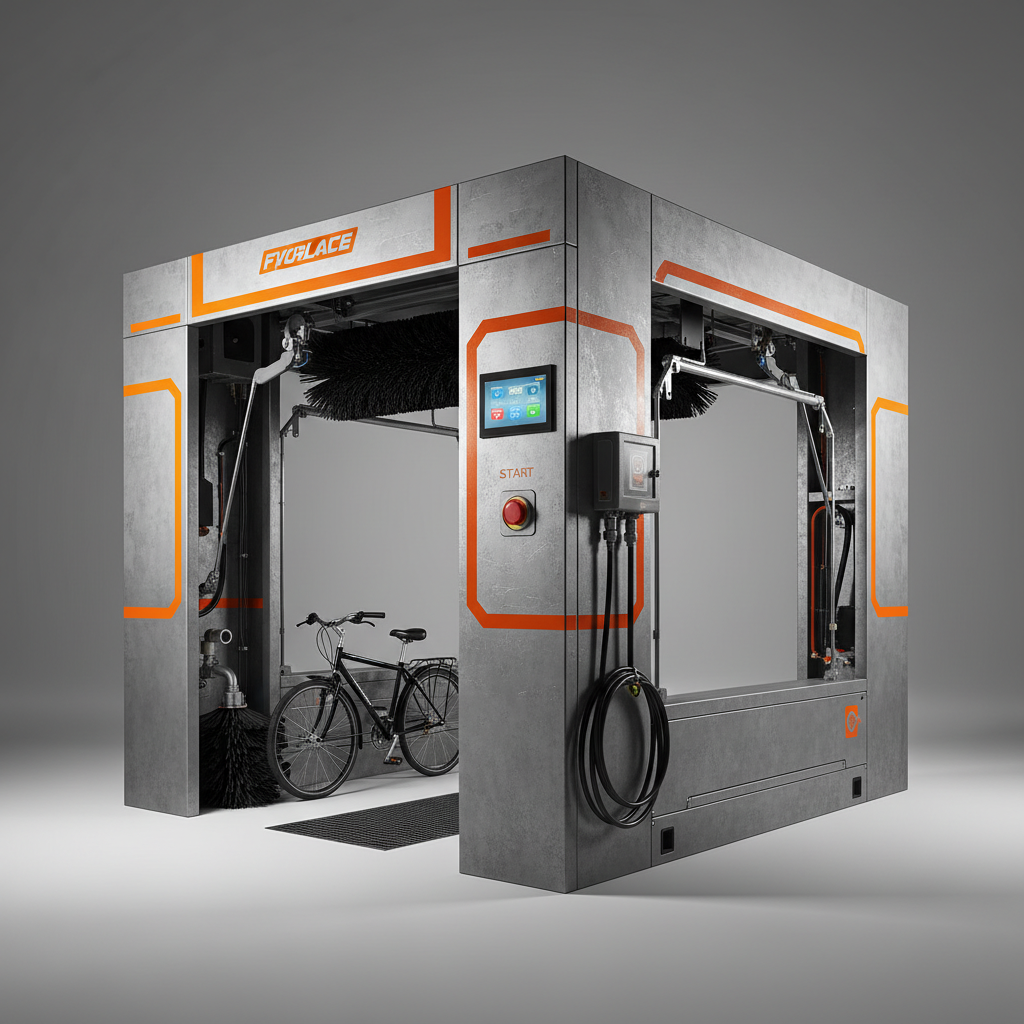
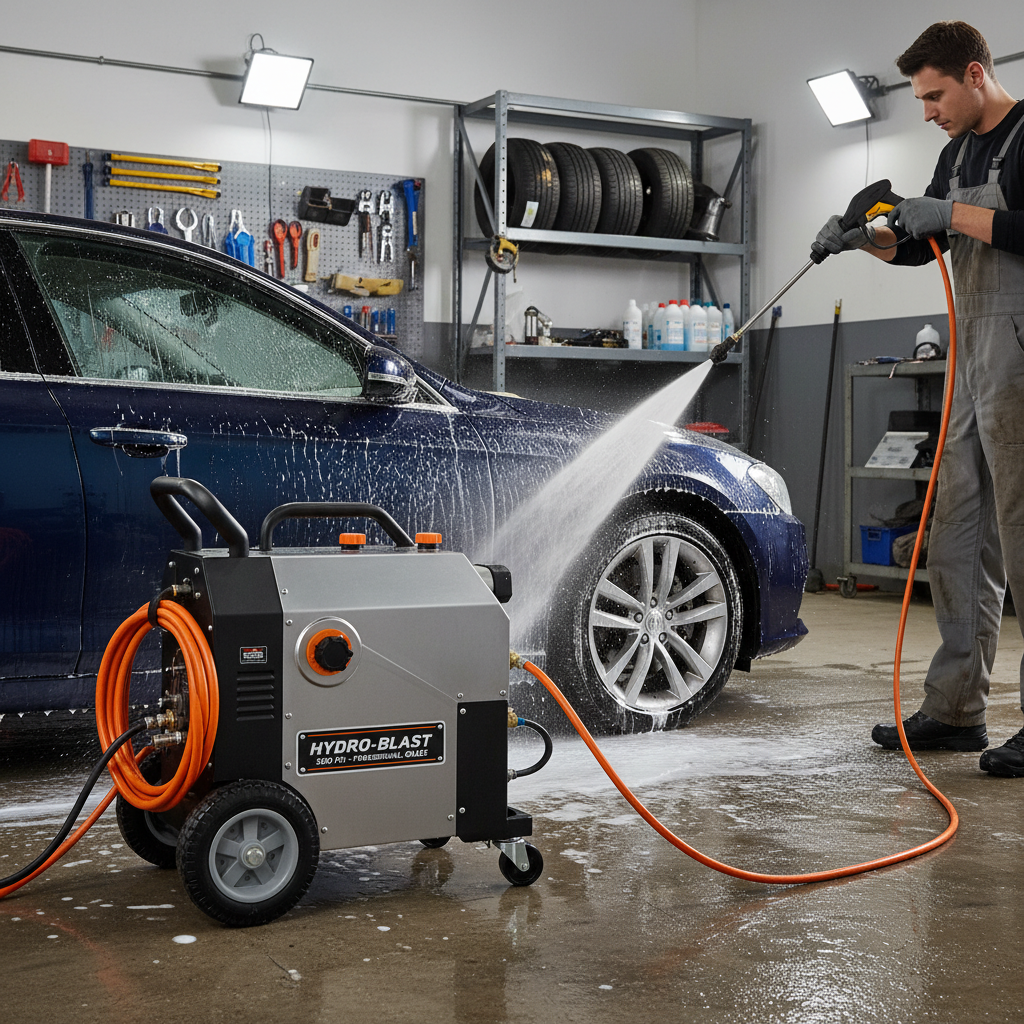
Look, the car wash suppliers industry is booming. It's not just about those big, automated bays anymore. It’s about eco-friendly systems, water recycling, specialized detergents...everything’s becoming more sophisticated. Strangely enough, I’ve found a lot of smaller suppliers are actually more nimble and willing to adapt to specific project needs than the giant corporations. But you gotta do your due diligence, check their references, make sure they’re not going to disappear overnight.
I encountered a situation at a car wash in Nanjing last time where the supplier promised this amazing self-cleaning nozzle system. Sounded great on paper, right? But the water pressure on site was lower than they accounted for, and the nozzles clogged up constantly. Ended up being more work for the operators.
Design Pitfalls and Common Mistakes
The biggest mistake? Designing for the ideal scenario, not the real one. I mean, designers love their perfectly rendered drawings, but they rarely get their hands dirty. They don't see the uneven surfaces, the rusty pipes, the slightly warped frames. Anyway, I think you need to build in some slack, some wiggle room, because things will go wrong.
Another thing – accessibility. Everyone forgets about maintenance. You design this amazing automated system, but how are you going to reach the components for repair? Are there access panels? Are they big enough? Will a guy actually fit through them with a toolbox? It's the little things that make or break a project.
And don't even get me started on drainage. I’ve seen so many car washes with inadequate drainage systems. Water backing up, creating a slip hazard… a nightmare. You need to factor in peak flow rates, potential blockages, and the local weather patterns.
Material Selection: Real-World Considerations
When it comes to materials, corrosion resistance is king. You’re dealing with constant exposure to water, chemicals, and abrasive particles. Stainless steel is great, but expensive. I’ve seen a lot of suppliers using specialized polymers for certain components, and they seem to hold up pretty well. They’re lighter too, which can simplify installation.
But it’s not just about the material itself. It’s about how it’s fabricated. Welding needs to be done properly, surfaces need to be properly prepared. I once saw a car wash system where the stainless steel panels weren’t properly passivated, and they started corroding within months. A complete waste of money.
And the hoses… don’t underestimate the importance of good quality hoses. They take a beating. I recommend reinforced rubber hoses with a high burst pressure rating. Believe me, you don’t want a hose blowing out mid-wash.
Testing and Quality Control – Beyond the Lab
Lab testing is fine, but it doesn’t tell you much about real-world performance. You need to simulate actual operating conditions. I like to see suppliers running their systems continuously for at least 72 hours, under heavy load. You need to check for leaks, corrosion, and mechanical failures.
I also insist on site testing, after installation. It’s the only way to identify any problems with the installation or the integration with the existing infrastructure. That's where you find out if those fancy pre-fabricated sections actually fit together.
Car Wash Supplier Component Reliability
How Car Wash Suppliers Are Actually Used
You’d be surprised how often car wash operators don’t read the manual. Seriously. They just start fiddling with the controls until something happens. That's why simplicity is so important. The controls need to be intuitive, the error messages need to be clear.
And then there’s the issue of vandalism. People are surprisingly good at figuring out how to break things. So you need to design for security, use robust materials, and consider installing surveillance cameras.
The Pros and Cons – A Pragmatic View
Okay, let’s be real. Automated car wash systems are expensive. The upfront investment is significant. But they can save you a lot of money in the long run, on labor costs and water usage. And they can deliver a consistently high-quality wash.
The downside? They're complex. They require regular maintenance. And they can be prone to breakdowns. Plus, some customers just prefer a hand wash. There’s a certain level of trust that comes with seeing someone actually scrubbing your car.
I always tell my clients: don't chase the latest gadgets just for the sake of it. Focus on reliability, ease of use, and long-term cost of ownership.
Customization and Real-World Applications
Most suppliers are willing to customize their systems to some extent. Last month, that small boss in Shenzhen who makes smart home devices insisted on changing the interface to , and the result was… well, let’s just say it took three days to get it working, and he ended up admitting it was a bad idea. People are obsessed with these days.
But serious customization – like changing the layout of the wash bay or adding specialized equipment – requires careful planning and coordination. It can add significant cost and complexity to the project.
I recently worked on a project for a fleet of trucks, and we had to design a system that could handle vehicles of different sizes and shapes. That required a lot of tweaking and modifications.
Summary of Car Wash Supplier Customization Options
| Customization Type |
Complexity |
Cost Impact |
Lead Time |
| Interface Modification |
Low |
Minimal |
1-2 weeks |
| Detergent System Integration |
Medium |
Moderate |
3-4 weeks |
| Wash Bay Layout Adjustment |
High |
Significant |
6-8 weeks |
| Specialized Equipment Integration |
High |
Very High |
8+ weeks |
| Water Recycling System Customization |
Medium |
Moderate |
4-6 weeks |
| Remote Monitoring System Integration |
Low |
Minimal |
2-3 weeks |
FAQS
Honestly, it’s not looking beyond the price tag. The cheapest option is rarely the best. You need to consider the quality of the components, the supplier’s reputation, and their after-sales service. A slightly more expensive system that’s built to last will save you money in the long run. Don’t be afraid to ask for references and visit existing installations.
Hugely important. Not just for environmental reasons, but also for cost savings. Water rates are going up, and recycling systems can significantly reduce your water consumption. Plus, customers appreciate it when you’re demonstrating a commitment to sustainability. Look for systems with multi-stage filtration and disinfection.
Regular maintenance is critical. You’ll need to inspect the nozzles, check the filters, lubricate the moving parts, and monitor the water chemistry. I recommend having a preventative maintenance schedule in place and training your staff on basic troubleshooting. Don't ignore small problems – they tend to escalate quickly.
Definitely. Touchless washing is becoming more popular, using high-pressure water jets and specialized detergents. There's also a lot of innovation happening in the area of water purification and chemical dosing. And of course, remote monitoring and diagnostics are becoming increasingly common, allowing you to track the performance of your system in real-time.
That depends on the type of vehicles you’re washing and the water quality in your area. You need to choose a detergent that’s effective at removing dirt and grime, but also gentle on the paint. Consider using biodegradable detergents to minimize your environmental impact. And always follow the manufacturer’s instructions for dilution and application.
Pay close attention to the terms and conditions. What’s covered? For how long? What’s the process for making a claim? A good warranty should cover both parts and labor, and it should be transferable to subsequent owners. Don’t be afraid to negotiate the warranty terms with the supplier.
Conclusion
So, yeah, car wash suppliers… it's a surprisingly complex field. It's not just about buying a machine and plugging it in. It's about understanding the intricacies of water chemistry, the nuances of material science, and the realities of on-site construction. You need to find a supplier who understands those things, who’s willing to work with you to customize a solution that meets your specific needs, and who’s going to be there to support you after the sale.
Ultimately, whether this thing works or not, the worker will know the moment he tightens the screw. It’s about practicality, reliability, and a little bit of common sense. Don't overthink it, don’t chase the hype, and always remember to ask the simple questions. And for goodness sake, read the manual.