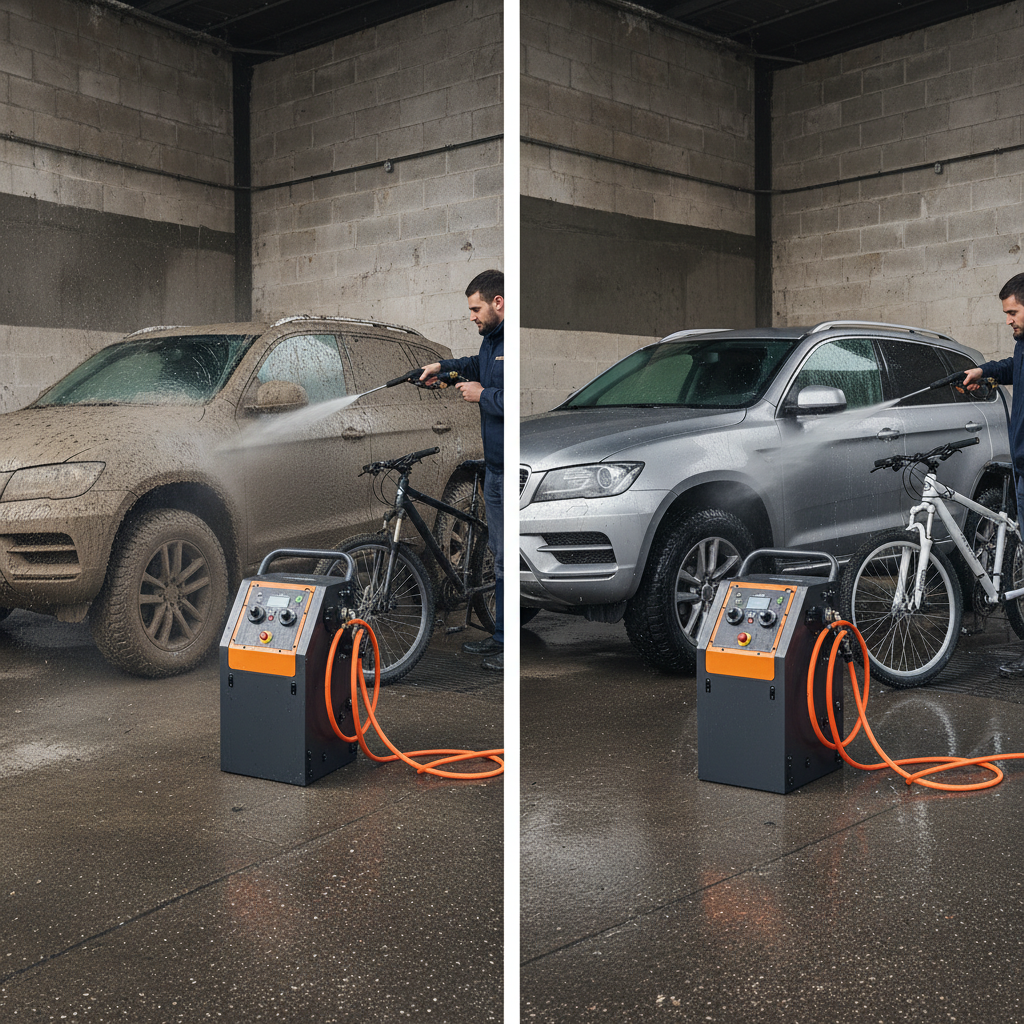
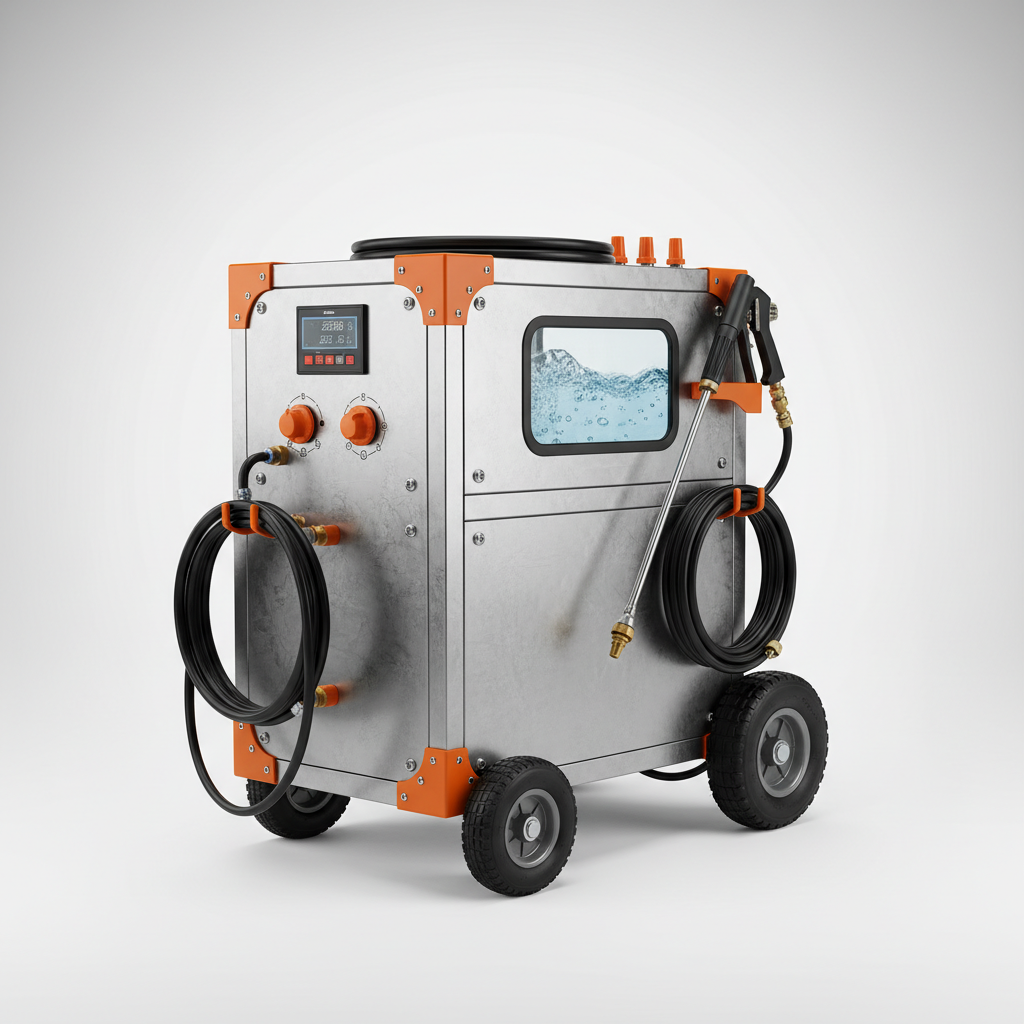
Maintaining the pristine condition of your vehicle and motorcycle is more than just a matter of aesthetics; it is a critical component of long-term asset preservation. A high-quality car and bike pressure washer offers a sophisticated solution to removing stubborn road grime, grease, and environmental contaminants that traditional washing methods simply cannot touch. By utilizing controlled high-pressure water streams, these machines ensure a deep clean while significantly reducing the physical effort required.
From a global perspective, the shift toward professional-grade home cleaning equipment reflects a growing demand for efficiency and water conservation. As urbanization increases and the number of personal vehicles rises, the need for a versatile car and bike pressure washer has transitioned from a luxury to a necessity for enthusiasts and professional detailers alike. These devices allow users to achieve a showroom finish in their own driveways, bypassing the long queues and high costs of commercial car washes.
Understanding the technical nuances of pressure washing—such as the balance between PSI (pounds per square inch) and GPM (gallons per minute)—is essential for avoiding damage to delicate paintwork or bike seals. This guide explores the comprehensive ecosystem of the car and bike pressure washer, detailing how modern engineering in the environmental equipment sector has created tools that are both powerful and ecologically responsible.
Global Relevance of Car and Bike Pressure Washers
In the current global automotive landscape, the prevalence of a car and bike pressure washer has seen a sharp increase, driven by the rise of the "DIY" culture and a heightened awareness of vehicle maintenance. According to industrial trends in specialized equipment manufacturing, there is a growing shift toward water-saving technologies. Traditional hose washing can waste hundreds of gallons of water, whereas a pressure washer optimizes every drop, aligning with ISO standards for environmental management and resource efficiency.
The challenge addressed by these systems is the accumulation of caustic road salts in colder climates and abrasive dust in arid regions. Without a specialized car and bike pressure washer, these particles can lead to premature corrosion of the chassis and degradation of bike chains. By providing a high-velocity stream of water, these machines effectively "lift" contaminants away from the surface without the need for excessive scrubbing, which often causes swirl marks on automotive paint.
Defining the Modern Pressure Washing System
At its core, a car and bike pressure washer is a mechanical device that converts electrical or fuel energy into hydraulic energy. By pumping water at a significantly higher pressure than a standard tap, it creates a concentrated jet capable of stripping away heavy mud and industrial grease. For the average user, it represents a bridge between a simple garden hose and a professional detailing bay, offering professional results with residential convenience.
Beyond the simple act of cleaning, these systems are deeply connected to the modern need for environmental stewardship. In the context of environmental protection equipment manufacturing, the focus has shifted toward "precision cleaning." This means delivering the exact amount of pressure needed for a specific surface—lower for the delicate spoke of a bike wheel and higher for the mud-caked undercarriage of an SUV—thereby reducing water waste and chemical runoff.
Furthermore, the integration of adjustable nozzles and detergent injectors has transformed the car and bike pressure washer into a multi-functional tool. Whether it is a cordless battery-operated unit for quick bike rinses or a heavy-duty electric station for full vehicle detailing, these machines are designed to uphold the longevity of the vehicle's exterior and mechanical components through systematic cleaning.
Core Components for Maximum Efficiency
The durability of a car and bike pressure washer depends heavily on its pump construction. High-end models often utilize axial or radial pumps made from brass or ceramic, which resist wear and tear from mineral deposits in the water. A robust pump ensures that the machine can maintain consistent pressure over long periods without overheating, which is essential for those washing multiple vehicles in a single session.
Scalability in the context of a car and bike pressure washer refers to the ability to adjust the output based on the task. The use of variable-pressure triggers and interchangeable nozzles (from 0-degree pinpoint jets to 40-degree wide fans) allows the user to pivot from cleaning a greasy bike drivetrain to rinsing a car roof without changing machines. This versatility prevents surface damage while maximizing cleaning speed.
Cost efficiency is realized through the reduction of water and chemical consumption. Modern car and bike pressure washer units often feature "foam cannons" that aerate cleaning agents, creating a thick blanket of soap that clings to the vehicle. This increases the "dwell time" of the detergent, breaking down dirt more effectively and requiring less water for the final rinse, thus lowering the total cost of ownership and environmental impact.
Practical Performance Metrics and Comparison
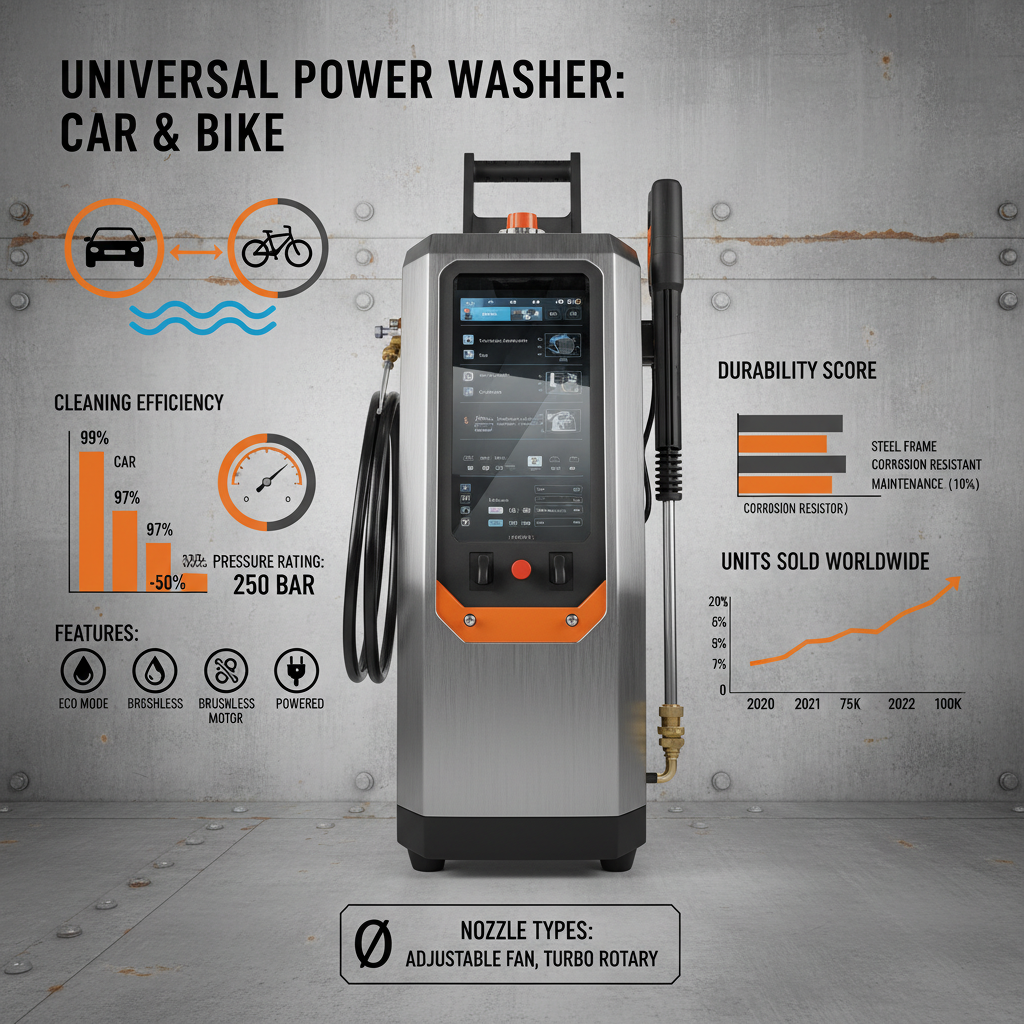
When evaluating a car and bike pressure washer, the most critical metrics are PSI (Pressure) and GPM (Flow Rate). While high PSI is great for stripping paint or cleaning concrete, the ideal car and bike washer balances these to ensure "cleaning power" without causing "surface etching." A balanced flow rate ensures that the soap is rinsed away quickly, preventing streaks and water spots on the vehicle's clear coat.
Different methodologies in pressure washing yield different results. For example, a "Contactless Wash" using a foam cannon minimizes the risk of scratches, while a "Deep Scrub" method involves alternating between low and high pressure. Understanding these performance tiers helps users select the right equipment for their specific vehicle fleet, ensuring that the motor doesn't burn out under excessive load.
Cleaning Efficiency Rating by Pressure Washer Type
Real-World Applications Across Diverse Regions
The application of a car and bike pressure washer varies significantly by geography. In coastal regions of Southeast Asia or the Mediterranean, these machines are essential for removing salt spray that accelerates aluminum oxidation on bike frames and car panels. Users in these areas prioritize machines with high corrosion resistance and the ability to handle varying water mineral levels.
In contrast, in mountainous regions or remote industrial zones, portable cordless car and bike pressure washer units are the gold standard. For off-road enthusiasts who venture into mud-heavy terrains, having a portable unit allows them to clean the undercarriage immediately after a ride, preventing mud from baking onto the hot engine components and ensuring that mechanical parts remain lubricated and functional.
Long-Term Value and Sustainability Benefits
Investing in a professional car and bike pressure washer provides tangible economic value over time. By reducing the frequency of professional detailing visits and preventing long-term paint degradation, owners save thousands of dollars in resale value. The logical angle is clear: preventative maintenance through regular high-pressure cleaning extends the life of gaskets, seals, and paint coatings.
From a sustainability standpoint, these machines are a win for the planet. A standard garden hose can discharge up to 10 gallons per minute, whereas a pressure washer utilizes as little as 1.5 to 2 gallons per minute to achieve a superior clean. This reduction in water consumption is critical in drought-prone areas, making the car and bike pressure washer an eco-friendly choice for the conscious consumer.
Beyond the numbers, there is an emotional value associated with vehicle ownership. The pride of a sparkling clean car or bike fosters a sense of discipline and care. By empowering the user with the right tools, these machines instill a level of trust in the equipment's reliability, knowing that their most prized transport assets are being maintained with industrial-grade precision.
Future Innovations in Cleaning Technology
The future of the car and bike pressure washer is moving toward total digitalization. We are seeing the emergence of "Smart Pressure Washers" that utilize sensors to detect the surface material and automatically adjust the PSI. This automation prevents the "human error" of using too much pressure on a bike's sensitive electrical components, effectively making the process foolproof.
Green energy is also playing a pivotal role. The shift toward high-density lithium batteries means that cordless car and bike pressure washer units are becoming as powerful as their corded counterparts. Furthermore, the development of biodegradable, high-foaming detergents is reducing the chemical footprint of home washing, aligning the industry with global "Green Deal" policies.
Lastly, we expect to see more integrated water-recycling systems. Future home-based washers may include filtration units that capture runoff water, filter out oils and solids, and recirculate the water back into the pump. This would transform the car and bike pressure washer from a water-saving tool into a near-zero-waste cleaning system.
Technical Comparison of Pressure Washer Specifications
| Washer Category |
Avg. Pressure (PSI) |
Water Efficiency |
Ideal Use Case |
| Compact Cordless |
500 - 1200 |
Excellent |
Bicycle/Motorcycle Rinsing |
| Home Electric |
1500 - 2500 |
Very Good |
Sedans and Small SUVs |
| Professional Grade |
2500 - 3500 |
Good |
Full Detailing / Large Trucks |
| Industrial Unit |
3500 - 5000+ |
Moderate |
Commercial Fleet Cleaning |
| Hybrid Smart System |
Adjustable 800-3000 |
Optimal |
Multi-Vehicle Households |
| Steam Pressure Washer |
Variable/High Temp |
Superior |
Engine Bay Degreasing |
FAQS
Yes, if used incorrectly. To prevent damage, never use a 0-degree nozzle or hold the spray too close to bearings, seals, or electrical components. Always use a wide-fan nozzle and maintain a distance of 12-18 inches. A quality car and bike pressure washer with adjustable settings allows you to lower the pressure for these sensitive areas.
PSI (Pounds per Square Inch) measures the "pushing force" of the water, which is what breaks the bond between the dirt and the surface. GPM (Gallons per Minute) measures the volume of water. For vehicle cleaning, you need a balance: enough PSI to remove grime and enough GPM to flush it away effectively without leaving residue.
Absolutely. Most modern electric car and bike pressure washer units in the 2000-3000 PSI range are more than sufficient for heavy mud. The key is using a rotating turbo nozzle for the undercarriage and a foam cannon to pre-soak the mud, making the actual rinsing process much faster and easier.
Basic maintenance includes flushing the system with clean water after every use to remove mineral deposits and checking the water inlet filter. For professional units, changing the pump oil every 50-100 hours of use is recommended. Proper winterization (draining water from the pump) is crucial to prevent internal cracking during freeze cycles.
It is highly recommended to use soaps specifically formulated for pressure washers. These "snow foams" have the correct viscosity to be aerated into a thick foam. Using standard dish soap can be too abrasive for car paint and may not foam properly, potentially clogging the internal orifice of your car and bike pressure washer accessories.
For light-to-medium tasks, yes. Cordless units are perfect for bikes, motorcycles, and quick rinses of cars. However, for deep-cleaning a large SUV or a fleet of vehicles, corded or petrol models are superior because they provide consistent high pressure and unlimited runtime without the need for battery swaps.
Conclusion
In summary, the car and bike pressure washer has evolved from a simple cleaning tool into a sophisticated piece of environmental equipment. By balancing high-impact cleaning power with water-saving technology, these machines protect the longevity of our vehicles while respecting global resource limits. From the critical role of pump durability and nozzle versatility to the integration of smart sensors and green energy, the modern pressure washer is an essential asset for any vehicle owner.
As we look toward a future of autonomous cleaning and zero-waste water systems, investing in a high-quality washer today is a step toward more sustainable and efficient vehicle maintenance. Whether you are a professional detailer or a weekend enthusiast, choosing the right equipment ensures your car and bike remain in peak condition for years to come. To explore our professional range of solutions, visit our website: www.dycarwasher.com.