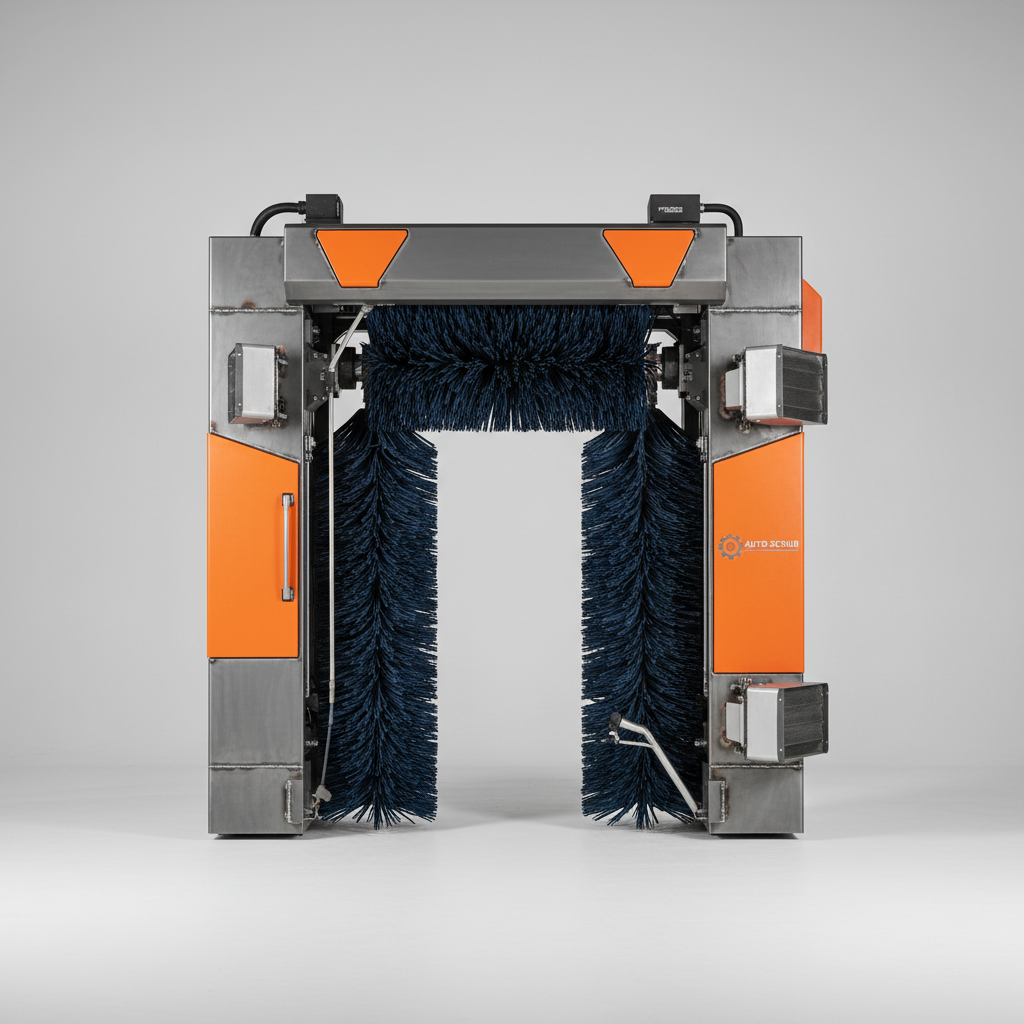
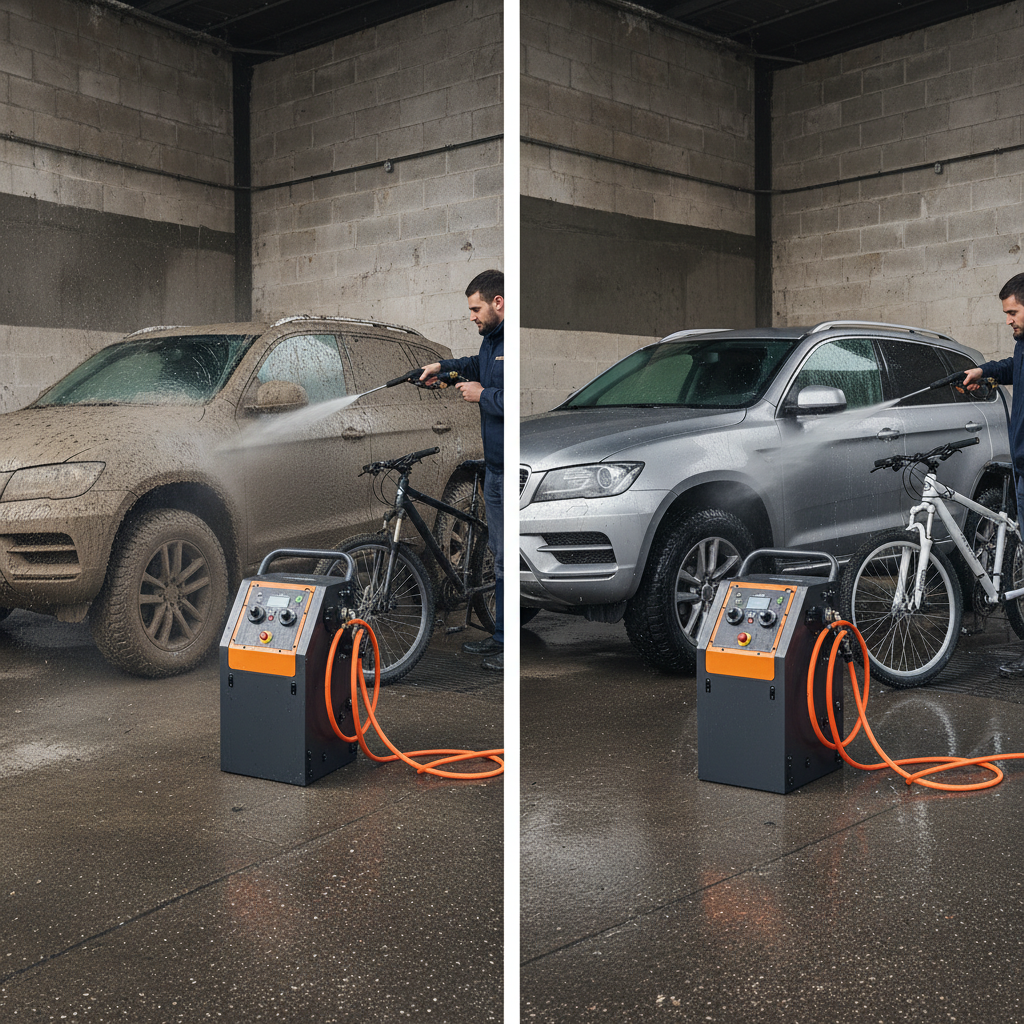
In the rapidly evolving landscape of urban mobility and vehicle maintenance, the emergence of the car bike wash machine has redefined how we approach cleanliness and vehicle longevity. These integrated systems are no longer just luxury additions to service stations but are essential tools for maintaining the aesthetic and structural integrity of diverse vehicle types. By combining high-pressure precision with water-saving technologies, these machines offer a sustainable path forward for the automotive care industry.
Globally, the demand for efficient cleaning solutions is skyrocketing as the number of personal vehicles and micromobility options like e-bikes increases. The integration of a versatile car bike wash machine allows business owners to maximize their throughput while minimizing labor costs. This shift toward automation ensures a consistent quality of service that manual washing simply cannot replicate, especially in high-volume urban environments.
Understanding the technical nuances and operational benefits of these systems is crucial for anyone looking to invest in environmentally responsible business infrastructure. From reducing chemical runoff to optimizing electricity consumption, the modern car bike wash machine represents a convergence of mechanical engineering and environmental stewardship, ensuring that our transport remains pristine without compromising the planet.
Global Industry Context of Wash Systems
The global automotive care market is currently navigating a transition toward "green" infrastructure. According to recent environmental reports and ISO standards for water management, traditional vehicle washing is one of the highest contributors to local groundwater contamination due to unregulated detergent runoff. This has created an urgent need for the car bike wash machine, which integrates water recycling systems and biodegradable agents to mitigate ecological damage.
In regions like Europe and North America, strict environmental regulations have forced a shift away from manual hoses toward automated, closed-loop systems. The challenge lies in creating a machine that is versatile enough to handle the delicate frames of high-end bicycles while possessing the power to strip industrial grime from heavy SUVs. This duality is what drives the innovation in today's professional wash equipment, blending power with precision to meet global sustainability goals.
Definition and Core Meaning of the Technology
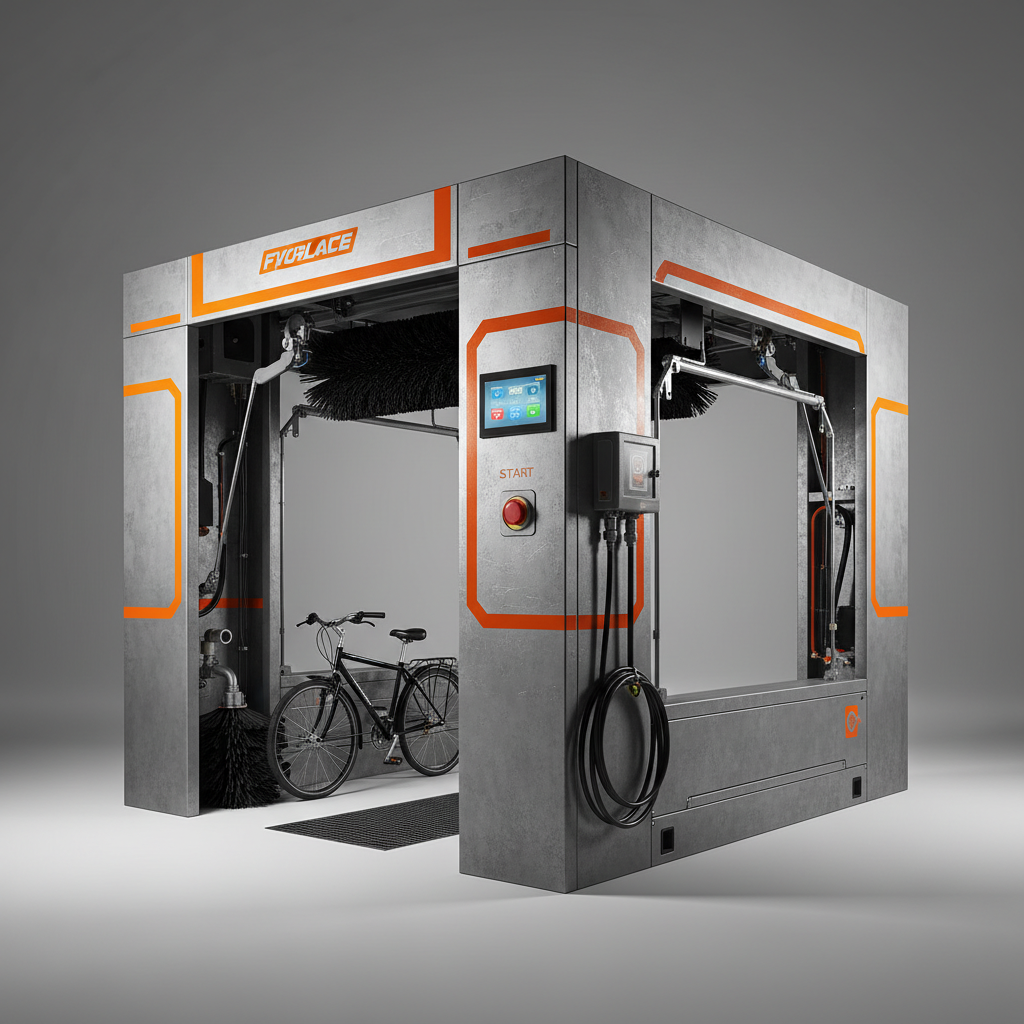
A car bike wash machine is a specialized piece of environmental protection equipment designed to automate the cleaning process for both four-wheeled vehicles and two-wheeled transport. Unlike standard pressure washers, these machines utilize a combination of sensors, programmable logic controllers (PLCs), and multi-stage filtration to deliver a tailored cleaning cycle based on the vehicle's size and soil level.
Beyond the mechanical function, this technology serves a critical role in modern urban hygiene. By centralizing the washing process, cities can better manage wastewater treatment, preventing oils and heavy metals from entering the storm drain system. It transforms a chore into a streamlined industrial process, ensuring that vehicle maintenance is consistent, fast, and ecologically sound.
In a broader humanitarian and industrial context, these machines are becoming vital in remote industrial zones or fleet management hubs. They ensure that emergency vehicles and logistics fleets remain in peak condition, reducing the long-term depreciation of assets by preventing corrosion caused by road salt and industrial pollutants.
Key Factors for Optimal Machine Performance
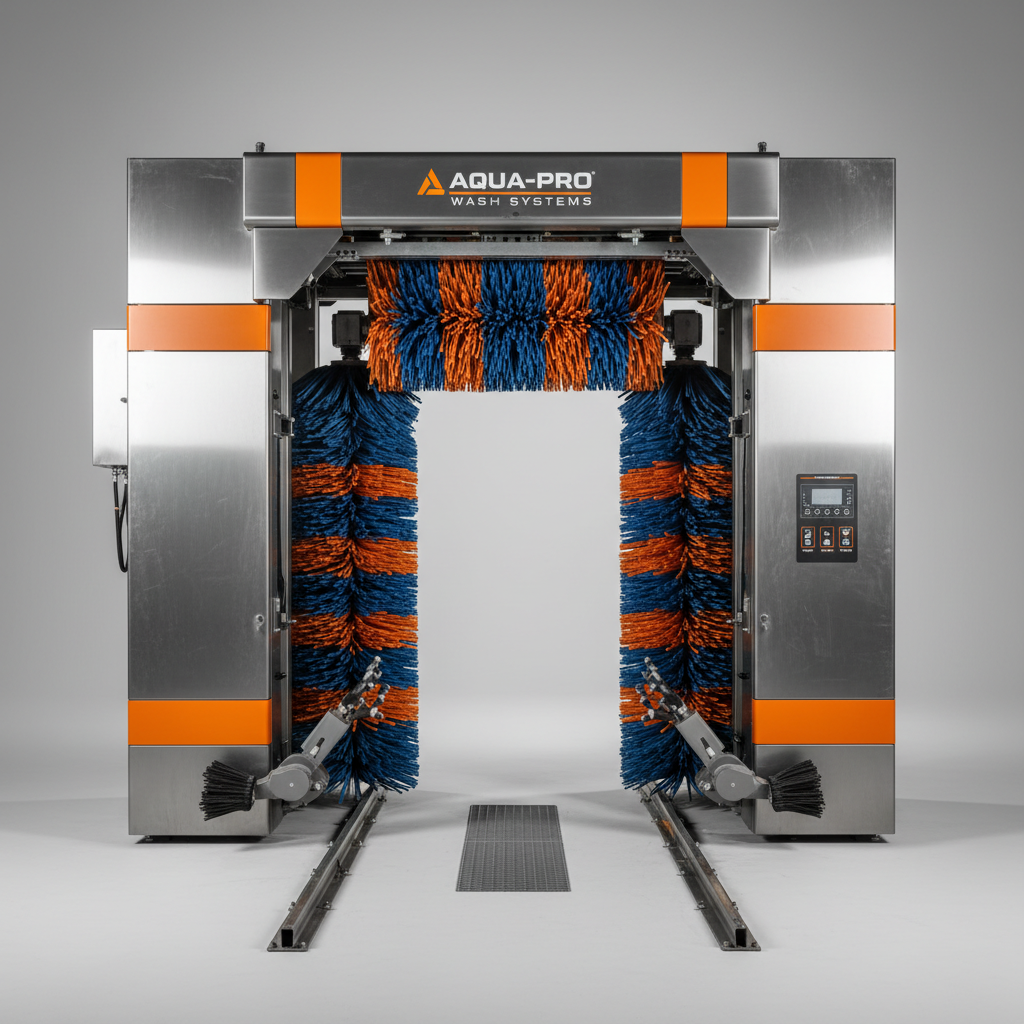
Durability is the cornerstone of any professional car bike wash machine. Since these machines operate in high-moisture environments with exposure to caustic chemicals, the use of stainless steel 304 or 316 and anti-corrosive coatings is non-negotiable. A machine that resists rust not only lasts longer but ensures that no metallic contaminants are transferred to the vehicles being cleaned.
Scalability and adaptability are equally vital. A high-performance car bike wash machine must be able to transition seamlessly between a heavy-duty car wash and a gentle bike rinse. This is achieved through variable frequency drives (VFDs) that control water pressure, ensuring that fragile bike components are not damaged while car chassis receive the necessary force to remove stubborn mud.
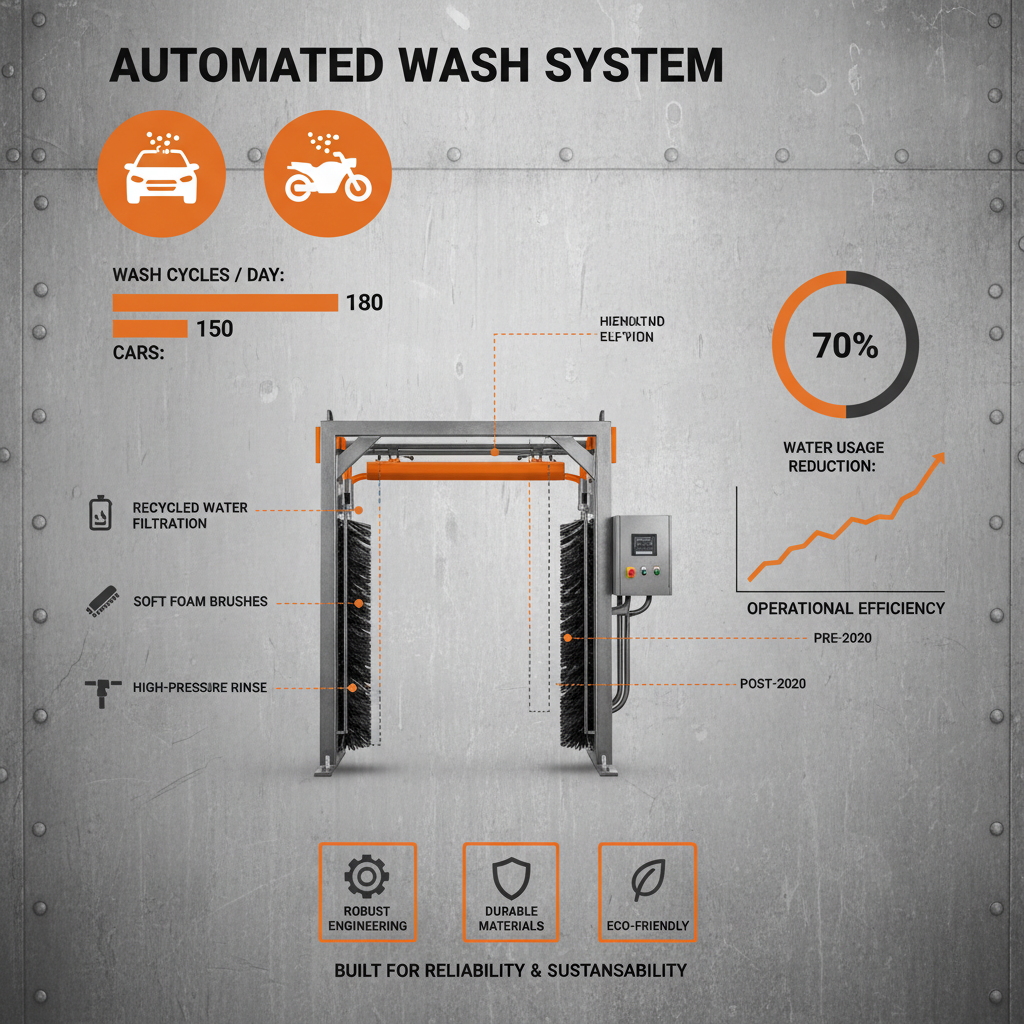
Cost efficiency is realized through the integration of water reclamation systems. By filtering and reusing up to 80% of the water used in each cycle, the car bike wash machine significantly lowers operational overhead. When combined with energy-efficient motors, the total cost of ownership drops, making the transition to automated washing a logically sound financial decision for entrepreneurs.
Global Applications and Real-World Use Cases
The application of the car bike wash machine extends far beyond the local gas station. In Southeast Asia, where motorbike density is among the highest in the world, these machines are deployed as "micro-franchises," providing rapid, high-quality cleaning services in dense urban hubs. This allows for a high turnover of vehicles, maximizing profit in limited square footage.
Furthermore, in industrial zones and mining operations, heavy-duty versions of these machines are used to maintain fleet vehicles. In these contexts, the machines are often equipped with oil-water separators to handle the extreme grime associated with industrial transport, ensuring that the facility complies with strict environmental discharge laws.
Performance Comparison of Wash System Technologies
Long-Term Value and Sustainability Benefits
The long-term value of investing in a high-quality car bike wash machine is measured not just in revenue, but in sustainability. By utilizing precision nozzles and timed dosing pumps, these systems reduce water consumption by nearly 60% compared to traditional hose washing. This not only protects the local water table but also shields the business owner from rising water utility costs.
From a psychological perspective, the reliability and consistency of automated washing build immense trust with customers. Knowing that their vehicle—whether it's a luxury sedan or a custom carbon-fiber bike—will be treated with the same professional standard every time creates brand loyalty. This transition from a manual "service" to a tech-driven "experience" is where the true commercial value lies.
Future Trends in Automated Cleaning
The future of the car bike wash machine is inextricably linked to the IoT (Internet of Things) and AI. We are seeing the rise of "smart washing" where machines use computer vision to identify the vehicle type and dirt distribution, automatically adjusting the pressure and detergent concentration in real-time. This eliminates waste and ensures an optimal clean for every unique vehicle.
Furthermore, the shift toward green energy is integrating solar-powered pump systems into wash stations. By harvesting energy from the expansive roof surfaces of wash bays, operators can run their car bike wash machine with a near-zero carbon footprint, aligning their business goals with global Net Zero targets.
We also anticipate the integration of nano-coating application systems directly into the wash cycle. Instead of a separate detailing step, the machine will apply a hydrophobic, ceramic-like layer as the final rinse, providing long-term paint protection and reducing the frequency of washes needed, thereby further saving water.
Overcoming Common Operational Challenges
One of the primary challenges in operating a car bike wash machine is the buildup of mineral deposits (scaling) in the nozzles, especially in areas with hard water. This can lead to uneven spray patterns and reduced cleaning efficiency. The professional solution is the integration of an automatic water softening system and a scheduled descaling protocol to maintain peak performance.
Another common concern is the potential for mechanical damage to delicate vehicle parts, such as side mirrors or bike spokes. Modern machines solve this through the use of non-contact high-pressure systems or "soft-touch" brushes made from specialized polymers that gently lift dirt without scratching the clear coat or bending thin metal components.
Finally, managing the chemical balance of the wash solution can be daunting. To overcome this, advanced car bike wash machine units now feature automatic dosing systems that monitor pH levels and adjust detergent mixtures automatically, removing the risk of human error and ensuring an eco-friendly discharge.
Comparative Analysis of Wash Machine Operational Specifications
| System Tier |
Water Recovery Rate |
Average Cycle Time |
Maintenance Score |
| Entry-Level Auto |
20% - 30% |
8-12 Mins |
6/10 |
| Professional Series |
50% - 60% |
5-8 Mins |
8/10 |
| Eco-Enterprise |
80% - 90% |
4-6 Mins |
9/10 |
| Industrial Fleet |
70% - 85% |
3-5 Mins |
7/10 |
| Compact Urban |
40% - 50% |
6-9 Mins |
8/10 |
| Hybrid Multi-Wash |
75% - 85% |
5-7 Mins |
9/10 |
FAQS
Yes, professional grade machines are designed with adjustable pressure settings. By using Variable Frequency Drives (VFDs), the operator can select a "Gentle Mode" for bicycles and motorcycles—which focuses on low-pressure rinsing and specialized brushes—and a "Power Mode" for cars to remove heavy road grime and mud without risking damage to the vehicle's paint or components.
On average, a machine equipped with a water reclamation system saves between 60% and 90% of water compared to traditional hose washing. By filtering out solids and oils through a multi-stage process, the water is recycled back into the initial rinse cycle, significantly reducing the draw from the local municipal water supply.
With proper maintenance, a high-quality stainless steel car bike wash machine can last between 10 to 15 years. The key to longevity is regular descaling of the nozzles, lubricating the mechanical arms, and ensuring the water filtration membranes are replaced according to the manufacturer's schedule to prevent pump strain.
Modern professional systems use biodegradable, phosphate-free detergents that are specifically formulated to break down naturally. When coupled with a closed-loop filtration system, the hazardous runoff is captured and treated before disposal, ensuring the business meets ISO environmental standards and local regulations.
While most machines can be integrated into standard industrial plumbing, it is highly recommended to install a dedicated water softening unit and a grease trap. This prevents mineral buildup in the machine's internals and ensures that oil and grease are separated from the water before they reach the reclamation tanks.
Consistent, professional washing actually preserves resale value. By removing corrosive agents like road salt and acidic bird droppings through a controlled, non-abrasive process, the paint's clear coat is protected from pitting and oxidation, keeping the vehicle in "showroom" condition for a longer period.
Conclusion
The integration of the car bike wash machine into modern vehicle maintenance represents a critical leap toward sustainable urban living. By balancing high-efficiency cleaning with strict environmental protections, these systems solve the dual challenge of maintaining vehicle aesthetics while reducing the ecological footprint of the automotive industry. The combination of durability, water reclamation, and technological adaptability makes this an indispensable asset for any forward-thinking service provider.
Looking ahead, the transition toward AI-driven, energy-neutral washing stations will further redefine the industry. For business owners and facility managers, the time to invest in this infrastructure is now, ensuring a competitive edge through operational efficiency and environmental leadership. To explore the best solutions for your business, visit our website: www.dycarwasher.com