Durable, Reliable Car Wash Machine Motors | Industrial Grade Solutions
Understanding the car wash machine motor
Having spent over a decade in industrial equipment, I’ve always found the heart of any car wash system to be its motor. It’s one of those components that usually goes unnoticed—frankly, until it doesn’t work. Oddly enough, the car wash machine motor isn’t just about raw power; it’s about reliability, precision, and adapting to the rugged demands of wet, dirty, and often unpredictable environments.
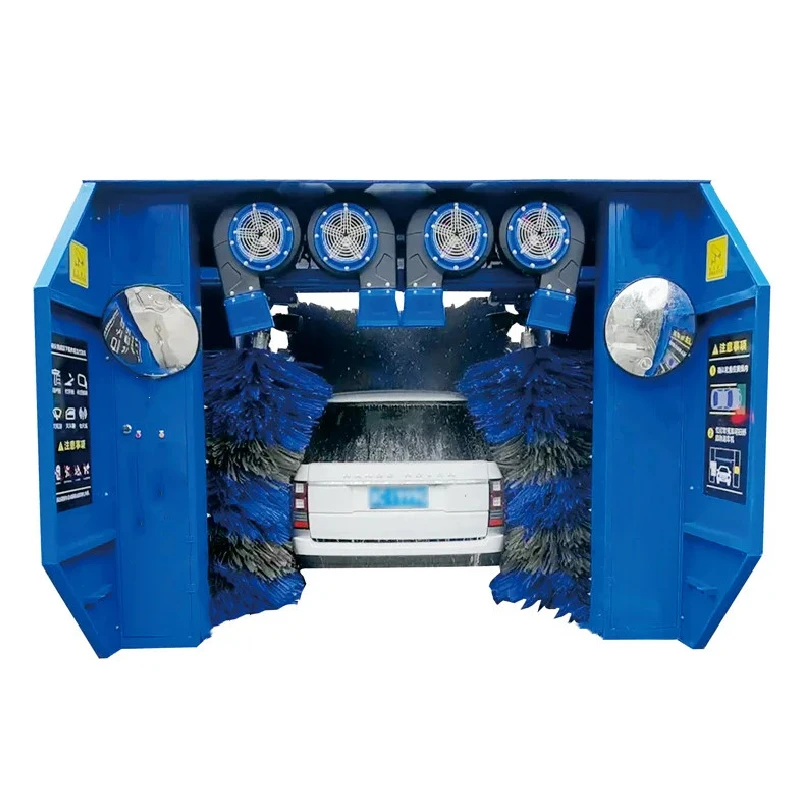
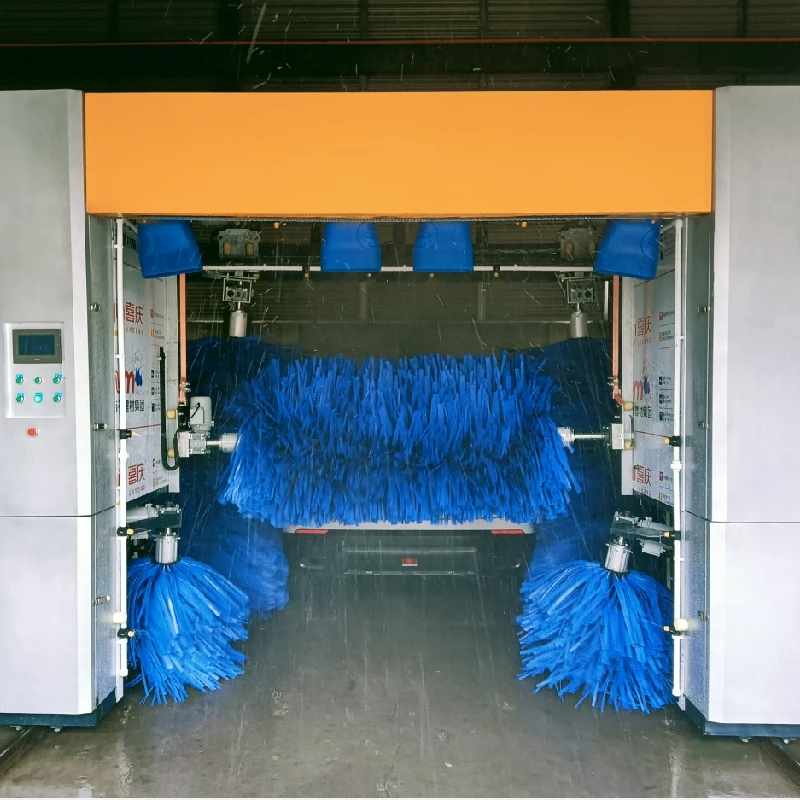
When I first started working with these motors, I was struck by how much engineering goes into something that looks so simple on the outside. Many engineers and operators emphasize endurance—because in real terms, these motors can’t afford downtime. Whether it’s a brush type car wash or an automatic tunnel system, the motor has to perform smoothly, quietly, and withstand the occasional splash of detergent or oil.
Let me share a little anecdote. A client once came to us with persistent motor failures on their conveyor system. After a thorough inspection, it turned out the problem wasn’t the motor itself but the lack of proper sealing against moisture ingress—a detail sometimes overlooked. This is where manufacturers like those at car wash machine motor producers stand out, offering models specifically tailored with IP-rated protection.
Product Specifications of a Typical Car Wash Machine Motor
| Specification | Details |
|---|---|
| Motor Type | Three-phase induction motor |
| Power Output | 1.5 kW to 3.0 kW |
| Voltage | 380V / 440V (depending on region) |
| Protection Grade | IP55 or higher (water and dust resistant) |
| Speed | 1450 RPM (suitable for conveyor speed variability) |
| Insulation Class | Class F or better |
From my experience, a good motor must also have easy maintenance features. It’s not uncommon to see motors sealed so well that it becomes tricky during repairs or replacements. Ideally, you want modular designs, robust bearings, and clear diagnostics. Many users I’ve spoken with swear by motors with thermal protection sensors embedded, because it’s like having a safety net on a tightrope.
Choosing the Right Vendor: A Quick Comparison
| Vendor | Motor Variety | Waterproof Ratings | Price Range | Warranty |
|---|---|---|---|---|
| Dycar Washer | Custom industrial motors, IP55-IP65 | IP55 default, option for higher | $$ | 2 years |
| MotorCo Industries | Standard motors only | IP54 | $ | 1 year |
| WashTech Supplies | Wide range, focused on tunnel car washes | IP55-IP66 | $$$ | 3 years |
One thing to remember: pricing doesn’t always tell the full story. I’ve worked with vendors offering “cheaper” motors only to find they lack the durability needed beyond the first season — and that ends up costing more in the long run. It’s the reason why I lean towards suppliers like Dycar Washer (yes, shameless plug), whose motors combine premium materials, smart design, and practical features that make servicing easier.
What about customizing motors? In car wash setups, every operation can be a bit different depending on water volume, conveyor length, and spray pressure. Vendors that offer flexibility in power ratings, mounting options, or even speed controls tend to win out in the field. It’s not just theory — I’ve seen customers save thousands by optimizing motor specs to their exact workflow.
Lastly, the testing phase matters hugely. The best car wash machine motor manufacturers perform rigorous run tests under simulated wet environments, checking thermal performance and vibration tolerances. Honestly, that’s the kind of behind-the-scenes work that inspires trust.
So, if you’re in the market for a reliable motor that pulls its weight (and keeps pulling after thousands of cycles), think beyond just the specs on paper. You want a partner who understands the gritty realities, the maintenance hassle, and the subtle tweaks that turn a good motor into a great one.
Sort of makes you appreciate these motors a bit more, right?
References:
1. Industry interviews with car wash operators (2022–2023)
2. IEC motor standards and IP protection guidelines
3. Manufacturer technical datasheets and product testing reports
-
Best High Pressure Water Jet for Car Wash and Detailing GuideNewsApr.16,2026
-
Professional High Pressure Water Car Wash Systems GuideNewsApr.09,2026
-
Unlock a Professional Shine with High Pressure Spray Wax TechnologyNewsApr.07,2026
-
Choosing the Right High Pressure Nozzle for Car Wash and DetailingNewsApr.04,2026
-
Choosing the Right High Pressure Car Cleaner for Optimal Vehicle CareNewsMar.31,2026
-
Investing in a High Power Car Washing Machine for Business EfficiencyNewsMar.28,2026