What You Should Know About Car Wash Machine Gas Stations: Trends, Benefits, and Innovations
Understanding the Car Wash Machine Gas Station: A Modern Industry Essential
If you’ve ever stopped at a gas station and noticed the automatic car wash machines humming quietly beside the pumps, you might not have given much thought to what makes those systems tick—yet they’re quietly revolutionizing vehicle maintenance worldwide. The car wash machine gas station concept is more than just convenience for drivers. It blends technology, environmental awareness, and customer service into a neat package, offering benefits that ripple far beyond the forecourt.
Globally, the vehicle population is skyrocketing—there are over 1.4 billion motor vehicles on the road as of recent data from the International Organization of Motor Vehicle Manufacturers, and ensuring they remain clean and well-maintained is more important than ever. Efficient car wash machine gas stations reduce water waste, curb harmful runoff, and increase operational efficiency, aligning well with growing environmental and urban development goals.
Mini takeaway: The car wash machine gas station is an important intersection of technology and sustainability in a motorized world, offering eco-friendly, efficient vehicle care that’s relevant internationally.
What Exactly Is a Car Wash Machine Gas Station?
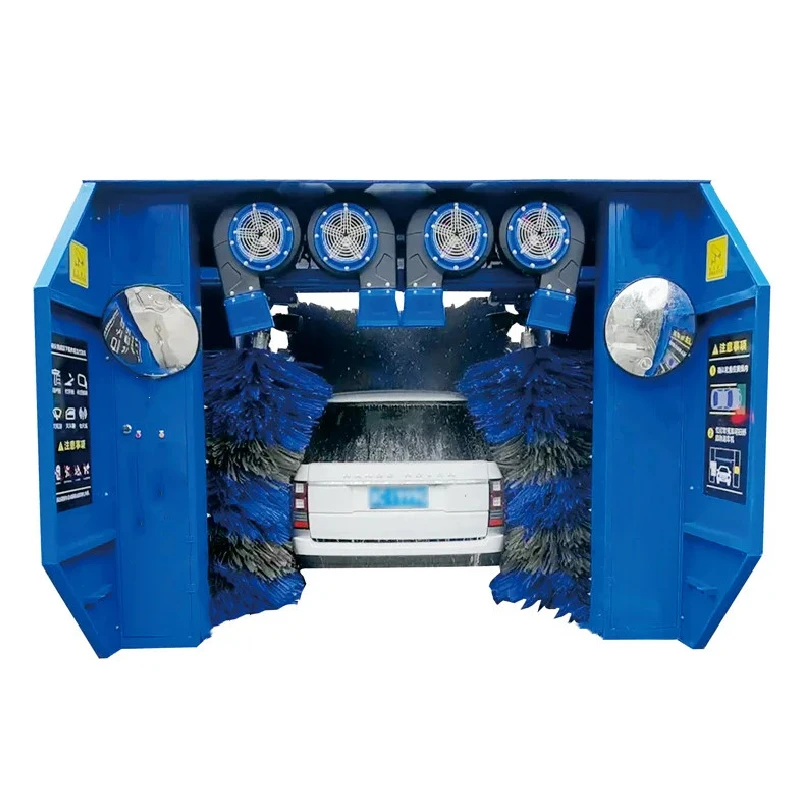
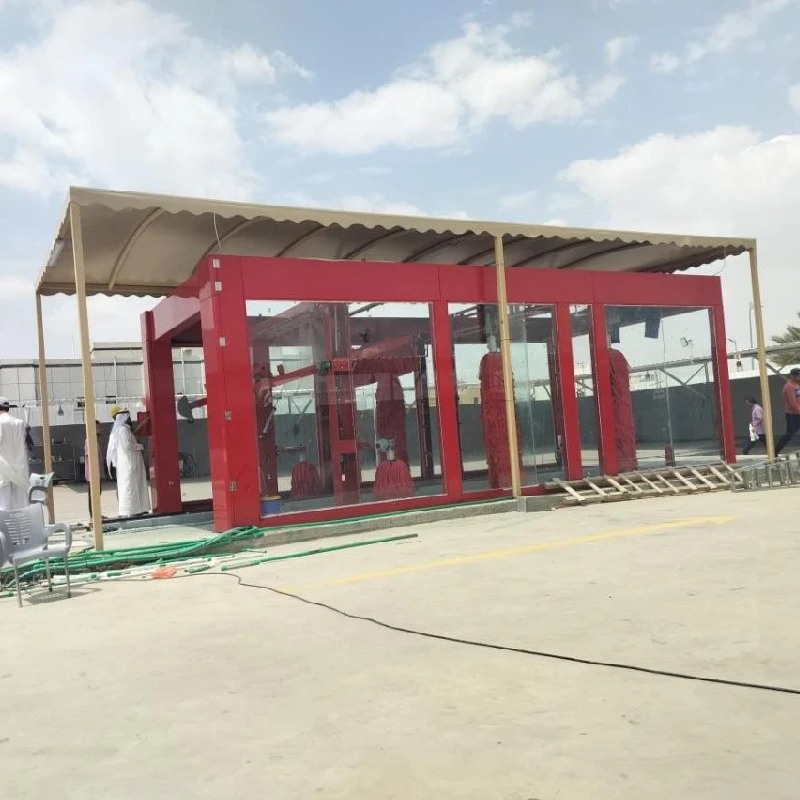
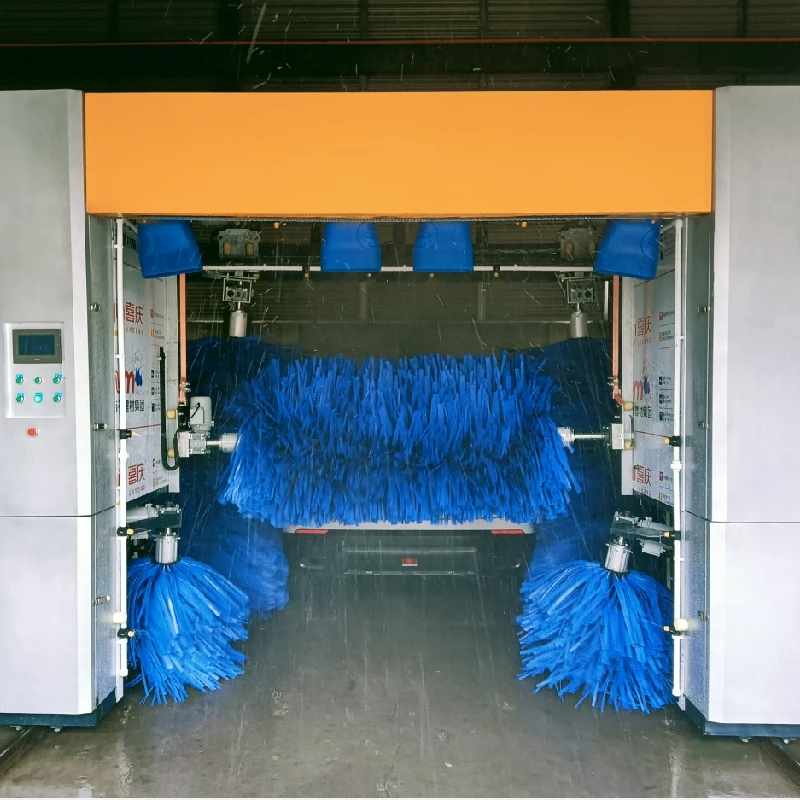
Simply put, a car wash machine gas station is a fuel station equipped with automated or semi-automated car washing systems. This integration lets drivers refuel and clean their vehicles in one stop, reducing time spent and resources used. These systems typically range from touchless sprays to brush-based conveyors and are designed to work efficiently within the spatial and logistical confines of a refueling site.
In terms of industry impact, these combined services target convenience while addressing environmental regulations for water usage and chemical runoff. On a humanitarian front, well-maintained vehicles contribute to safety and reliability, especially in critical sectors like emergency response fleets.
Core Components and Key Factors
1. Durability and Build Quality
Car wash machines at gas stations face constant, high-frequency use. The equipment must resist corrosive cleaning agents and weather elements. Stainless steel panels, high-grade pumps, and reinforced conveyor belts are common features ensuring longevity.
2. Scalability and Installation Flexibility
Stations differ widely in size and customer flow. The ability to scale systems—from simple self-service bays to full automated setups—is vital. Modular design principles help vendors offer customizable solutions without excessive costs.
3. Cost Efficiency
Beyond initial investment, operating costs dominate decisions. Water recycling tech, energy-efficient motors, and low-chemical consumption cycles directly affect profitability and environmental footprints.
4. User Experience and Automation
Ease of use includes fast processing times and intuitive interfaces—sometimes based on touchscreens or mobile apps. Increasingly, AI sensors optimize wash cycles, adjusting water pressure and detergent amounts according to vehicle shape and dirt level.
5. Environmental Compliance
Given global water scarcity and pollution concerns, adhering to standards like ISO 14001 for environmental management is becoming non-negotiable. Many systems now prioritize water reclamation systems and biodegradable cleaning agents.
Global Applications & Use Cases
The car wash machine gas station approach suits urban and suburban settings worldwide. In Europe, strict environmental policies have driven adoption of water-saving tech in these facilities. In the US, convenience often rules, pushing providers toward fast, automated machines. Meanwhile, emerging markets in Asia and Africa look at these systems as ways to modernize service stations and stimulate small business growth.
Interestingly, some remote mining camps and logistic hubs use mobile or containerized car wash setups, powered by solar arrays for environmental and operational reasons. In disaster-relief zones, clean vehicle maintenance ensures safety and prolongs equipment life—yet these solutions must be rugged and quickly deployable.
Mini takeaway: From metropolitan Europe to off-grid industrial sites, car wash machine gas stations add value in diverse environments, driven by specific local needs and regulations.
Advantages & Long-Term Value
- Cost savings: Automated systems reduce labor costs and minimize water and chemical use.
- Environmental benefits: Recycling and eco-friendly detergents lower pollution and water withdrawal.
- Customer satisfaction: Faster, one-stop services improve loyalty and brand reputation.
- Safety & trust: Regular cleaning keeps vehicles safer, enhancing visibility and reducing corrosion.
There’s a satisfying sense of innovation here, too—it feels like the gas station has evolved beyond just fuel, becoming a mini service center. Customers appreciate that convenience and the subtle reassurance that their vehicle’s well cared for.
Future Trends & Innovations
The integration of IoT (Internet of Things) devices means these car wash machines will soon anticipate maintenance needs and adjust operation dynamically. Much is underway on the green front: solar-powered stations, rainwater capture for wash water, and AI-driven chemical dosing.
Another exciting advancement is the rise of “contactless” car wash technology—which limits the use of brushes, reducing wear on vehicles and contamination risks. This meshes neatly with broader trends toward automated, user-friendly interface experiences, including smartphone app controls.
Challenges and Practical Solutions
Not everything is smooth sailing, though. High upfront costs can deter smaller operations. Water shortages in some regions limit installation potential, and harsh climates demand resilient equipment.
Here, solutions include leasing models that reduce upfront expenditure and modular designs that can be easily upgraded. Waterless or ultra-low water washing systems break new ground where conservation is critical. Also, vendor support and remote diagnostics improve uptime and troubleshooting.
Product Specification Table
| Feature | Typical Specification |
|---|---|
| Water Usage (per wash) | 50–100 liters (with recycling) |
| Wash Cycle Time | 3 to 5 minutes |
| Power Consumption | 5–10 kW per cycle |
| Cleaning Technology | Brushless or soft-brush automated |
| User Interface | Touchscreen / Mobile App Support |
Vendor Comparison Table
| Vendor | Water Efficiency | Automation Level | Price Range | Warranty |
|---|---|---|---|---|
| AquaCleanTech | High (85% recycle) | Full Automation | $$$ | 5 years |
| EcoWash Solutions | Moderate (60% recycle) | Semi-Automatic | $$ | 3 years |
| WashPro International | Low (no recycle) | Manual Control | $ | 2 years |
FAQ: Practical Questions About Car Wash Machine Gas Station
- How much water does a typical car wash machine gas station system use per vehicle?
- Modern automated car wash machines use about 50 to 100 liters of water per wash, especially if they incorporate recycling systems that reclaim and filter water. This is significantly less than manual washing, which can use up to 200 liters.
- Can these car wash machines operate reliably in extreme climates?
- Yes, most systems designed for gas stations include weatherproof components and heating elements to cope with freezing or very hot conditions. However, proper installation and regular maintenance are essential to ensure reliability.
- Are there eco-friendly detergents compatible with these machines?
- Absolutely. Many suppliers now offer biodegradable and phosphate-free cleaning agents that work effectively with automatic systems and meet environmental regulations, which is crucial for stations aiming to reduce their ecological footprint.
- Is it necessary for a gas station to have a car wash machine to stay competitive?
- While not strictly necessary, offering a car wash service can significantly boost foot traffic and revenue per customer. It caters to convenience-oriented consumers and differentiates a station in a competitive market.
- How long does installation typically take?
- Installation for most standard systems ranges from a few days to a couple of weeks depending on complexity, site conditions, and local regulations. Vendors often provide project management support to streamline the process.
Conclusion
The car wash machine gas station is more than a niche convenience—it’s a convergence of sustainability, technology, and customer service wrapped into a single package that benefits operators and consumers alike. Over time, as water shortages and environmental regulations tighten worldwide, investing in efficient car wash solutions at gas stations will likely become standard business practice rather than an optional add-on.
If this blend of innovation and practicality sounds like the future you want for your gas station, or you’re just curious about upgrading your existing setup, why not visit our website and see what’s possible for your site? Frankly, there’s no better way to stay ahead while doing your part for the planet.
Reflection: While technologies evolve, the core promise of these systems remains clear: cleaner cars, smarter resource use, and easier lives for the many millions who rely on their vehicles daily.
References
-
Best High Pressure Water Jet for Car Wash and Detailing GuideNewsApr.16,2026
-
Professional High Pressure Water Car Wash Systems GuideNewsApr.09,2026
-
Unlock a Professional Shine with High Pressure Spray Wax TechnologyNewsApr.07,2026
-
Choosing the Right High Pressure Nozzle for Car Wash and DetailingNewsApr.04,2026
-
Choosing the Right High Pressure Car Cleaner for Optimal Vehicle CareNewsMar.31,2026
-
Investing in a High Power Car Washing Machine for Business EfficiencyNewsMar.28,2026