Durable and Efficient Car Wash Systems for Trucks | Dy Car Washer
Truck Car Wash Systems: A Veteran’s Take on Efficient, Heavy-Duty Cleaning
Having spent more than a decade in industrial equipment—focusing a fair bit on washing solutions—I figured it’s time to share some thoughts on an often overlooked, yet vital niche: car wash for trucks. These aren’t your everyday passenger vehicles; they demand serious muscle and precision.
Oddly enough, many people underestimate how different washing big rigs is compared to cars. The sheer size, the stubborn grime from long hauls, and the variety of surfaces mean the equipment has to be tough yet gentle enough not to damage expensive paint or delicate instrumentation. Frankly, I’ve seen a lot of setups that just don’t hold up—either underpowered or overcomplicated.
Let’s talk basics first—materials and design. Most quality truck washers these days use high-grade stainless steel and corrosion-resistant alloys on key components, which is necessary given the often harsh chemicals involved and the constant exposure to water. If you’re sourcing equipment, look for units with minimal plastic parts on touching surfaces to reduce wear.
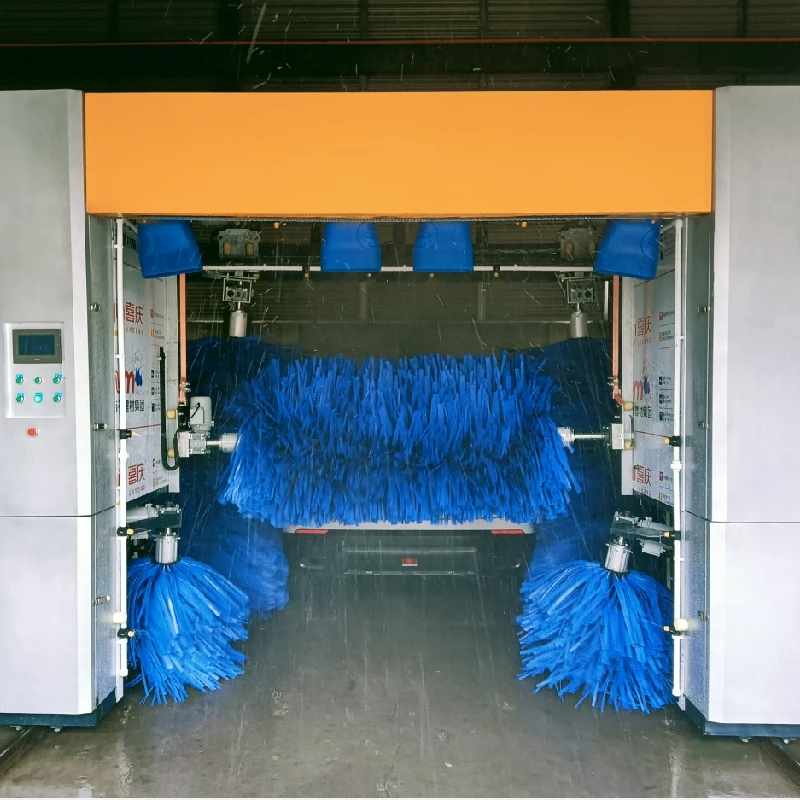
In terms of mechanics, high-pressure water jets combined with rotary brushes are common, but newer models bring in adjustable pressure settings plus foam application that breaks down grease and road grime efficiently without manual pre-scrubbing. In real terms, this translates to shorter wash cycles, less water wasted, and a finish your fleet manager will actually applaud.
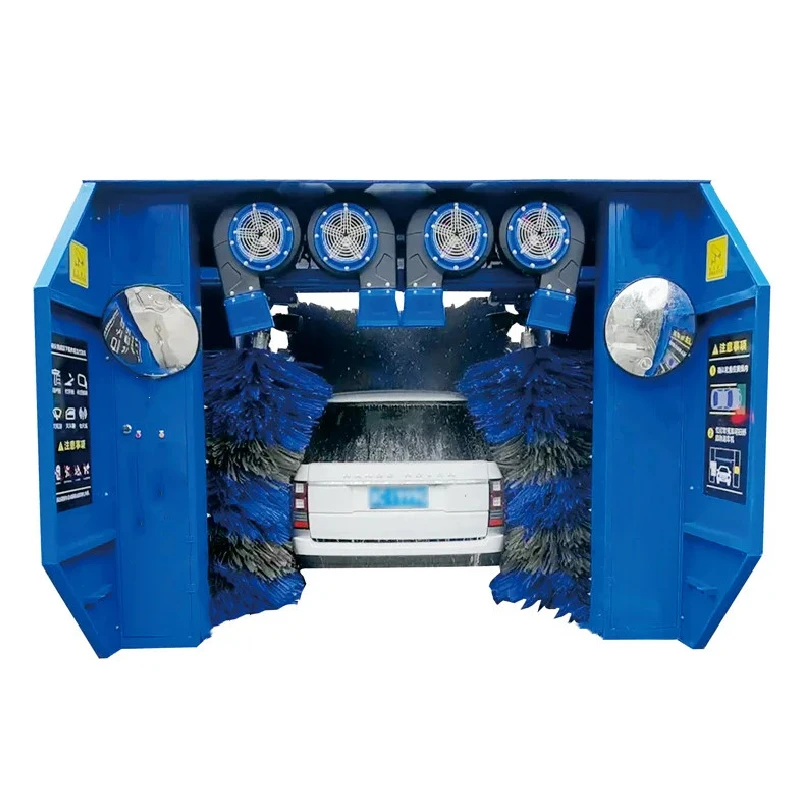
Here’s a quick overview of a popular truck washing system from Dy Car Washer, which I’ve had my hands on during a recent plant visit:
| Specification | Details |
|---|---|
| Max Vehicle Size | Length 14m, Height 4m |
| Water Pressure | Up to 180 bar, adjustable |
| Brush Type | Rotary soft-bristle + foam application |
| Cycle Time | 7–10 minutes per wash |
| Water Consumption | Approx. 120 liters per wash |
| Customization | Programmable cycles and chemical dosing |
Now, when I compare vendors in the truck wash space, it’s like comparing apples and slightly soggy oranges—features overlap, but the devil’s in the details. Here’s a simple rundown that I keep going back to:
| Vendor | Pressure Range (bar) | Cycle Time (min) | Water Efficiency | Customization |
|---|---|---|---|---|
| Dy Car Washer | 100–180 | 7–10 | High (120 L/cycle) | Yes |
| Vendor B | 90–150 | 10–12 | Medium (150 L/cycle) | Limited |
| Vendor C | 120–200 | 8–11 | Low (180 L/cycle) | Yes |
Honestly, I’ve seen customers swear by Dy Car Washer’s unit for reliability, ease of use, and the ability to tweak settings for different truck types. One logistics company I worked with had a rather grimy fleet from frequent off-road hauls; after switching to this system, the reduced water usage and shorter downtime felt like unexpected bonuses.
To wrap it up, investing in a dedicated car wash for trucks is not just about aesthetics—it’s about maintenance, corrosion prevention, and operational efficiency. You want a system that’s not only hard-wearing but smart enough to adapt—because in industrial terms, a clean truck is a happy truck (and a happy operator, too).
So next time you consider upgrading truck washing, think like a mechanic and an operator: heavy-duty, user-friendly, and economical on resources.
Pro tip from the field: always check how easy it is to get replacement parts and customer support—trust me, downtime isn't cheap.
Thanks for sticking around. Hope this helps steer your washing needs in the right direction.
References:
- Dy Car Washer official specs and documentation
- Industry insights from multiple equipment expos (2019–2023)
- Conversations with maintenance engineers and fleet managers
-
Best High Pressure Water Jet for Car Wash and Detailing GuideNewsApr.16,2026
-
Professional High Pressure Water Car Wash Systems GuideNewsApr.09,2026
-
Unlock a Professional Shine with High Pressure Spray Wax TechnologyNewsApr.07,2026
-
Choosing the Right High Pressure Nozzle for Car Wash and DetailingNewsApr.04,2026
-
Choosing the Right High Pressure Car Cleaner for Optimal Vehicle CareNewsMar.31,2026
-
Investing in a High Power Car Washing Machine for Business EfficiencyNewsMar.28,2026