Expert Guide to Car Wash for Trailers: Benefits, Innovations & Global Impact
Understanding Car Wash for Trailers: An Essential Industry Solution
If you’ve ever driven behind a big rig in wet weather, you’ll know the mess a trailer can make—not just on the highway, but environmentally too. This is where the concept of car wash for trailers steps in, a crucial but often overlooked aspect of vehicle maintenance and sustainability worldwide.
Trailer washing isn’t just about appearances—it's about safety, regulatory compliance, and environmental stewardship. Trailers carry everything from food to hazardous materials, and keeping them clean reduces corrosion, contamination risks, and even accidents due to impaired visibility or brake failures from grime buildup.
Global Importance and Industry Context
Given that road transport accounts for nearly 70% of freight volume in many countries [1], the scale of trailer use is massive. According to the United Nations Economic Commission for Europe, regulations increasingly require periodic vehicle cleaning to control invasive species and chemical pollutants that trailers might carry across borders [2].
For the logistics industry—which moves billions of dollars of goods daily—efficient, effective cleaning systems that serve trailers are indispensable. Oddly enough, even with this critical role, many fleets skimp on professional washing, which leads to costly repairs, fines, and safety hazards down the line.
What Is Car Wash for Trailers?
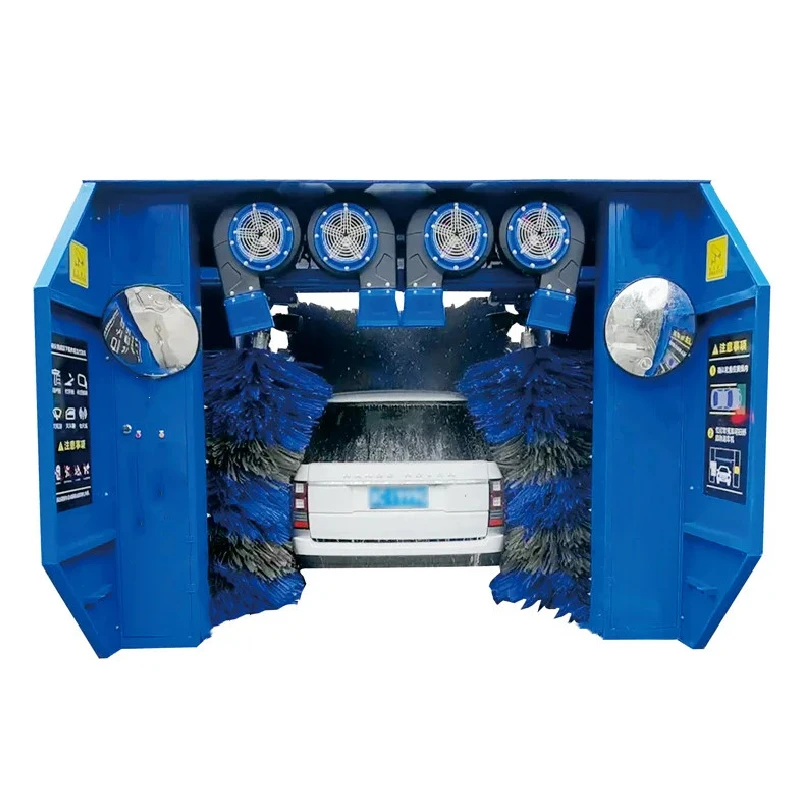
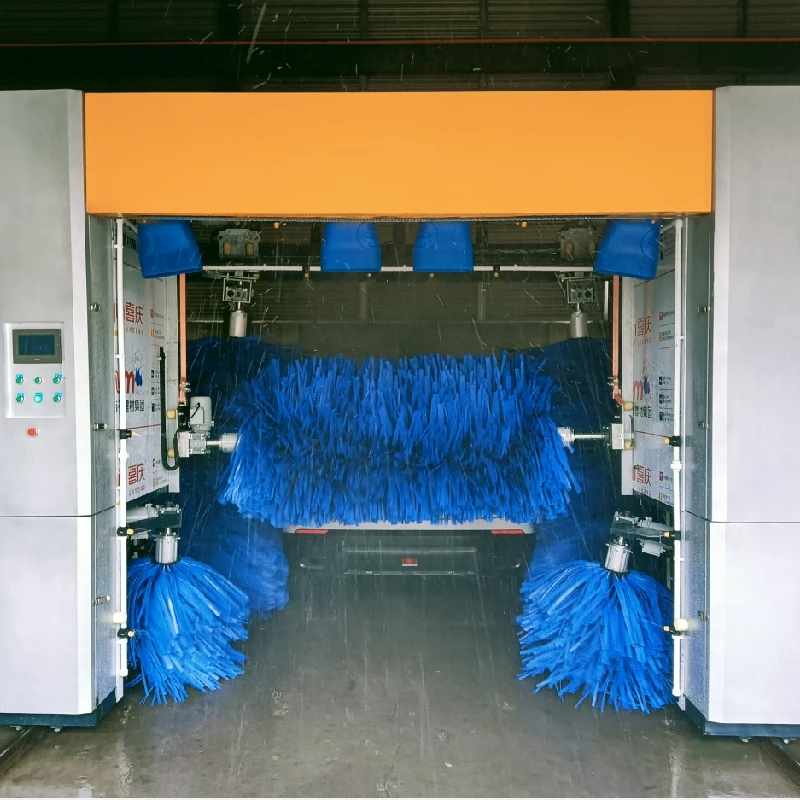
At its simplest, a car wash for trailers refers to cleaning systems specifically designed to wash large freight trailers, tankers, and cargo carriers. Unlike standard car washes, these systems cater to the size, shape, and contamination levels of trailers, incorporating high-pressure water jets, chemical detergents safe for various cargo residues, and sometimes drying and rust-prevention treatments.
It’s closely tied to freight logistics, environmental compliance, and even humanitarian logistics, especially when trailers transport medical or food supplies in sensitive humanitarian contexts.
Key Components of Effective Trailer Washing
1. Durability and Size Compatibility
Trailer washers must handle enormous vehicles—up to 18 meters or more. They need robust frames, powerful pumps, and flexible spray nozzles to cover the entire surface area efficiently. Most systems are modular so they can fit different trailer types.
2. Scalability for Fleet Operations
A single trailer wash system isn’t enough for large fleets. Scalable setups enable simultaneous washing, integrating conveyor mechanisms or automated guided systems that keep the washing time per trailer minimal, optimizing fleet uptime.
3. Cost Efficiency and Water Recycling
Commercial fleets, especially regional and national ones, operate under tight budgets. Efficient water use and detergent recycling systems are key. Closed-loop water recycling technologies reduce water usage by up to 80%, making operations greener and cheaper.
4. Compliance and Safety Features
Trailers involved in hauling hazardous or food-grade materials must meet strict cleaning standards to prevent cross-contamination. Automated monitoring of detergent concentrations and wash cycles helps maintain consistent quality. Safety features, including non-slip flooring and emergency stops, protect operators.
How Car Wash for Trailers Is Used Worldwide
In Europe, where cross-border freight is vast and regulations strict, professional trailer washes are common in logistics hubs near ports and highways. Similarly, in North America, automated trailer washes are standards at large truck stops and fleet depots to meet EPA regulations.
Interestingly, in developing regions, mobile trailer wash units are gaining ground, especially in remote industrial zones where fixed infrastructure isn’t feasible. For instance, mining operations in Australia rely on portable washing units to prevent invasive species transport and contamination.
Advantages and Long-Term Value of Professional Trailer Washing
- Reduces Maintenance Costs: Regular cleaning prevents corrosion and mechanical wear.
- Improves Road Safety: Clean lights and reflective surfaces enhance visibility.
- Environmental Responsibility: Controls dirt runoff and chemical leakage.
- Enhances Brand Image: Well-maintained vehicles reflect professionalism.
- Supports Regulatory Compliance: Avoid fines and delays at checkpoints.
In human terms, it’s about safety and dignity. Drivers feel prouder and more motivated with clean equipment, and communities appreciate reduced pollution and spill risks.
Innovations Shaping the Future of Trailer Washing
Automation is stepping up with AI-controlled spraying patterns that optimize water usage depending on the dirt detected. Green energy solutions like solar-powered wash stations are becoming more viable at remote sites. Also, new eco-friendly detergents, compliant with ISO environmental standards [3], minimize chemical impact without sacrificing cleaning power.
| Feature | Standard Trailer Wash | Advanced Automated Wash |
|---|---|---|
| Water Usage per Wash | 500-700 liters | 150-300 liters (with recycling) |
| Wash Time | 15-20 minutes | 7-10 minutes |
| Manual Intervention | High | Minimal, mostly remote monitoring |
| Detergent Use | Conventional | Eco-friendly, biodegradable |
Vendor Comparison: Leading Car Wash for Trailers Solutions
| Vendor | Key Strength | Eco Features | Pricing Range |
|---|---|---|---|
| CleanFleet Pro | Modular, scalable units | Water recycling, eco detergents | $$$ |
| EcoWash Solutions | Solar-powered operation | Completely off-grid wash | $$ |
| RapidWash Tech | Ultra-fast automated washing | Reduced chemical use | $$$ |
Frequently Asked Questions About Car Wash for Trailers
1. What makes a car wash for trailers different from a regular car wash?
Trailer washes are designed for the size and specific contamination types associated with large freight vehicles. They use industrial-strength water pressure, specialized detergents, and larger bays to clean effectively and safely.
2. How often should trailers be washed?
Cleaning frequency depends on usage and cargo type. Typically, fleets aiming for longevity and compliance wash trailers every 1-2 weeks or after hauling hazardous or perishable goods.
3. Are eco-friendly detergents effective for trailer washing?
Absolutely; modern biodegradable detergents clean just as well while minimizing environmental impact. They comply with standards like ISO 14001, which guides environmental management.
4. Can mobile car wash systems handle trailers?
Yes, mobile units equipped with modular high-pressure pumps and water recycling are increasingly common, especially in remote locations or disaster zones requiring rapid deployment.
5. What regulations affect trailer washing globally?
Regulations vary but often require preventing cross-border contamination (e.g., UN’s International Plant Protection Convention) and controlling chemical runoff under environmental protection laws.
In Conclusion: The Long-Term Impact of Trailer Washing
In real terms, investing in professional car wash for trailers systems pays off not just in cleaner trailers but safer roads, greener operations, and better compliance worldwide. As industries grow more conscious of sustainability and operational efficiency, trailer washing solutions keep evolving—becoming smarter and kinder to the planet.
So if your fleet looks a bit grimy or you’re exploring ways to upgrade your washing systems, diving deeper into these technologies could be a game-changer.
For more insights about maintaining and optimizing trailer cleaning solutions, check out car wash for trailers options available globally.
Mini takeaway: Trailer cleaning isn’t just practical; it’s a strategic investment in safety and sustainability that pays dividends in fleet reliability and environmental responsibility.
References:
1. European Commission, Transport Statistics
2. United Nations Economic Commission for Europe (UNECE) Vehicle Regulations
3. ISO 14001 Environmental Management Systems Standard
-
Best High Pressure Water Jet for Car Wash and Detailing GuideNewsApr.16,2026
-
Professional High Pressure Water Car Wash Systems GuideNewsApr.09,2026
-
Unlock a Professional Shine with High Pressure Spray Wax TechnologyNewsApr.07,2026
-
Choosing the Right High Pressure Nozzle for Car Wash and DetailingNewsApr.04,2026
-
Choosing the Right High Pressure Car Cleaner for Optimal Vehicle CareNewsMar.31,2026
-
Investing in a High Power Car Washing Machine for Business EfficiencyNewsMar.28,2026