Comprehensive Guide to Car Wash Vendo Machine Price: Models, Factors & Trends
Understanding Car Wash Vendo Machine Price: What You Need to Know
Have you ever wondered what goes into the car wash vendo machine price you see quoted online or in brochures? It’s more than just a number — this figure reflects an entire ecosystem of technology, user convenience, and global market factors. Car wash vending machines aren’t merely gadgets; they’re part of a growing industry that blends automation with environmental responsibility. Grasping how pricing works gives businesses, entrepreneurs, and even consumers an edge in making smart buying decisions.
Introduction: Why Car Wash Vendo Machine Price Matters Globally
The global car wash industry is booming — estimates suggest it could reach over $40 billion in coming years, driven by urbanization and increasing car ownership. Within this, the vending machine segment solves a major pain point: providing automated, contactless, and efficient car washing options. The price of these machines not only affects the accessibility of such services but can influence how quickly regions can adopt eco-friendly cleaning solutions.
On a practical note, many small business owners or franchise operators want to understand this pricing. What’s behind it? Why does one model cost double another? Plus, with strict environmental regulations rising worldwide (see ISO standards on water usage in cleaning), cost-efficient machines gain critical importance. This challenge — balancing affordability with compliance and quality — sits right at the heart of why car wash vendo machine price is such a hot topic right now.
What Exactly is "Car Wash Vendo Machine Price"?
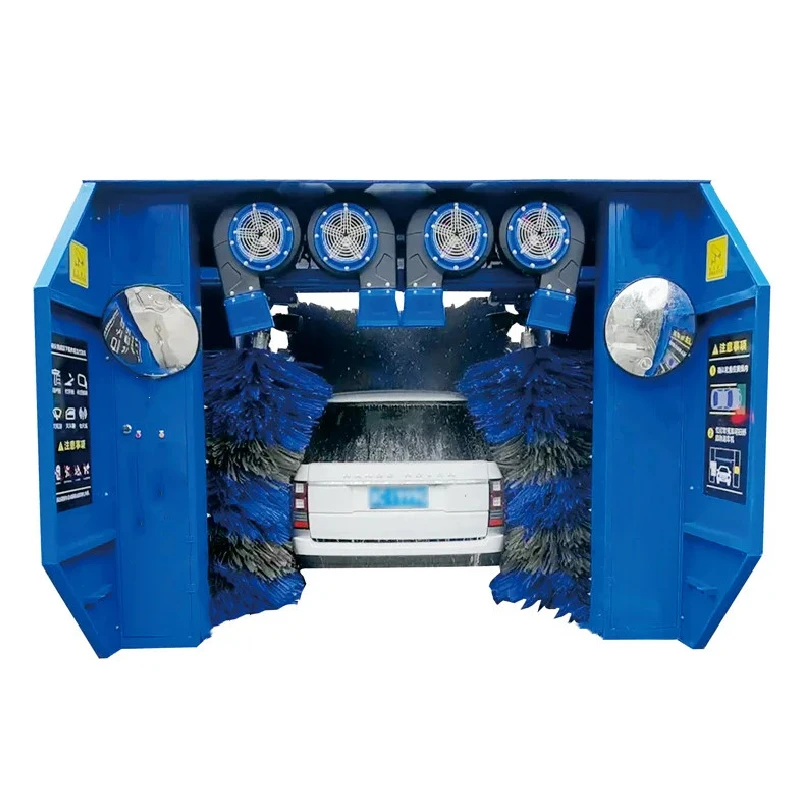
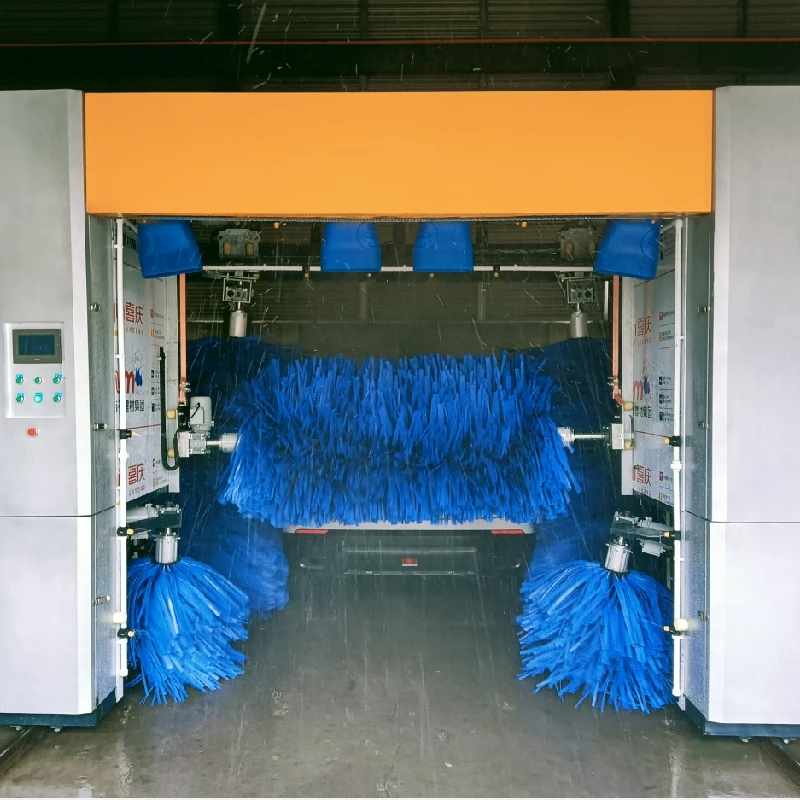
Simply put, the "car wash vendo machine price" is the purchase cost for machines that automate parts or all of a vehicle washing process. These vending machines typically dispense car wash solutions, enable payment, and may provide different wash options. They’re designed for commercial use at gas stations, parking lots, or standalone car wash centers.
These machines support industries by streamlining service delivery while addressing consumer desires for speed and hygiene. Oddly enough, they also touch on humanitarian and environmental needs — think water conservation technologies embedded within. So, the price reflects not just production costs, but tech capabilities and compliance with industry standards.
Key Factors Influencing Car Wash Vendo Machine Price
Durability & Build Quality
Machines constructed with corrosion-resistant metals and weatherproof casings command higher prices — logic being that longevity cuts replacement costs. In harsh climates, this is a non-negotiable feature.
Payment System Integration
From coin-only models to those supporting contactless cards and mobile wallets, payment flexibility adjusts cost. More sophisticated systems require advanced hardware and cybersecurity features.
Water Efficiency & Environmental Compliance
Models incorporating recycling systems and low water consumption technology cost more upfront but save money long term and comply better with ISO environmental standards.
Scalability & Modularity
Some machines are basic single-unit dispensers, while others can integrate multiple wash options or link to app-based controls. Higher modularity means heftier price tags.
Brand & Vendor Support
Recognized manufacturers with strong after-sales services typically price their models higher, banking on trust and reduced maintenance hassles.
Mini Takeaway:
- The car wash vending machine’s price factors in materials, tech sophistication, compliance, and brand reliability.
- Investing in higher-grade machines often pays off in efficiency and longevity.
Global Applications: Real-World Uses of Car Wash Vendo Machines
Across regions, these vending machines find their place differently. In Europe and Japan, for example, high environmental standards mean machines with advanced water-saving systems dominate. Meanwhile, emerging markets such as India and Brazil are rapidly adopting mid-range machines to serve growing urban centers.
Industrial zones utilize larger, more modular machines catering for fleet vehicles. Some NGOs even use adapted portable car wash vending units for vehicle maintenance in disaster-affected areas where infrastructure is limited.
If you’re looking for more data or examples, check useful resources like Wikipedia’s rundown on car washes or ISO guidelines on sustainable cleaning.
Advantages & Long-Term Value of Investing
- Cost-effectiveness: Automated machines reduce labor costs significantly, appealing especially to small businesses.
- Sustainability: Water recycling cuts usage by more than 50%, critical where water scarcity is a concern.
- User Appeal: Quick, contactless operation builds trust — important post-pandemic.
- Brand Reputation: Using green tech positions companies as innovators, improving customer perception.
Frankly, it’s not just about dollars and cents. There’s an emotional side to it—offering your customers a sense of reliability and modern convenience, while showing environmental responsibility. Some even say this builds long-term customer loyalty beyond what price competition alone can achieve.
Future Trends and Innovations
Keep an eye on AI integration for predictive maintenance, IoT connectivity enabling remote monitoring, and new biodegradable cleaning agents altering machine design. Green energy-powered car wash vending machines, with solar panel integrations, are starting to trickle into markets emphasizing sustainability even more.
Challenges and How to Overcome Them
The biggest hurdles still include the initial investment cost and ensuring machines can handle diverse climate conditions without frequent breakdowns. Some companies innovate by leasing machines or offering modular upgrades over time, reducing upfront risk for buyers.
Car Wash Vendo Machine Price Comparison Table
| Model | Price Range (USD) | Payment Options | Water Efficiency | Warranty |
|---|---|---|---|---|
| EcoWash Basic | $3,000 - $5,000 | Coin only | Standard | 1 year |
| WashPro Deluxe | $7,500 - $12,000 | Cards, Mobile Pay | High (Water recycling) | 2 years |
| AutoWash Pro Max | $15,000 - $25,000 | Full digital payments, app control | Ultra-high (Zero water loss) | 3 years |
Vendor Comparison Table
| Vendor | Price Range | Tech Support | Customization | Global Reach |
|---|---|---|---|---|
| CleanTech Systems | $$$ | 24/7 Phone & Online | High | Americas, Europe |
| EcoWash Inc. | $$ | Business Hours Only | Medium | Asia, Australia |
| AutoClean Global | $$$ | 24/7 with Onsite | Custom Builds | Worldwide |
FAQ: Frequently Asked Questions About Car Wash Vendo Machine Price
- Q: What factors cause variation in car wash vendo machine price?
- A: Key factors include machine size, technology (such as payment systems), water recycling features, brand reputation, and warranty terms. More advanced machines with digital integration tend to cost more.
- Q: Can cheaper machines meet environmental standards?
- A: While basic models may comply with minimum local regulations, investing in mid-to-high-end models with water-saving technology often results in better long-term compliance and cost savings.
- Q: Is financing available for car wash vending machines?
- A: Many vendors offer leasing or financing plans to help reduce the initial investment burden, making machines more accessible to small business owners.
- Q: How important is after-sales service in pricing?
- A: After-sales support can significantly impact maintenance costs and machine uptime. Vendors with robust service networks generally price their machines higher, reflecting this added value.
Conclusion: The Long-Term Benefits of Investing Wisely
Understanding car wash vendo machine price means looking beyond the sticker tag. Quality, durability, and tech sophistication all drive cost, sure — but they equally drive value, efficiency, and sustainability. It’s a balance, really. By choosing wisely, you gain a partner in your business growth that helps you stay competitive while supporting environmental and customer expectations.
If you're exploring options or need up-to-date pricing and product specs, feel free to visit our detailed resource at car wash vendo machine price. We’ve laid out comprehensive listings to help you navigate this evolving market with confidence.
Investing in these machines is a step toward a cleaner, smarter, and more customer-friendly future — one wash at a time.
Final thought: When it comes to car wash vending machines, price isn’t just about cost — it’s about value, performance, and where you want your business to go.
-
Best High Pressure Water Jet for Car Wash and Detailing GuideNewsApr.16,2026
-
Professional High Pressure Water Car Wash Systems GuideNewsApr.09,2026
-
Unlock a Professional Shine with High Pressure Spray Wax TechnologyNewsApr.07,2026
-
Choosing the Right High Pressure Nozzle for Car Wash and DetailingNewsApr.04,2026
-
Choosing the Right High Pressure Car Cleaner for Optimal Vehicle CareNewsMar.31,2026
-
Investing in a High Power Car Washing Machine for Business EfficiencyNewsMar.28,2026