Car Washer Price: What Drives Cost Globally and Why It Matters
Understanding Car Washer Price: A Global Perspective
When you think about car washer price, it might just sound like a simple cost tag attached to cleaning machines or services. But frankly, it’s much more layered than that. Globally, the pricing of car washers reflects a complex mix of technology, supply chains, environmental regulations, and industry demand—factors that directly affect automotive maintenance, sustainability, and even urban water usage.
Why does this matter? Well, given the sheer volume of vehicles worldwide—over 1.4 billion as estimated by the International Organization of Motor Vehicle Manufacturers (OICA)—keeping them clean efficiently impacts everything from aesthetics to resale value, and environmental footprint. Understanding what drives the car washer price means better procurement decisions, smarter industrial choices, and yes, sometimes, just more satisfied car owners.
Why Look Closely at Car Washer Price?
From cramped urban car parks in Tokyo to sprawling dealership lots in California, washing equipment and services’ affordability determines not just operational costs, but sustainability and product longevity. This is a global challenge, one that touches industries, consumers, and governments alike.
Defining Car Washer Price
Simply put, car washer price is the cost associated with purchasing or using equipment or services to clean cars. This includes automated car wash machines, high-pressure washers, detergents, and water recycling systems. It also covers labor costs if you’re looking at services. Although it’s straightforward, this price reflects technological complexity, energy consumption, and material sourcing that directly links to modern industrial efficiency and even humanitarian efforts—think disaster relief convoys needing quick, reliable vehicle cleaning to maintain hygiene and appearance.
Key Factors Influencing Car Washer Price
1. Durability and Material Quality
Car washers built with high-grade stainless steel and UV-resistant plastics often carry a premium. The upfront price is higher, but these materials withstand wear and tear, corrosion, and environmental stress, which pays off in the long run.
2. Automation and Technology Integration
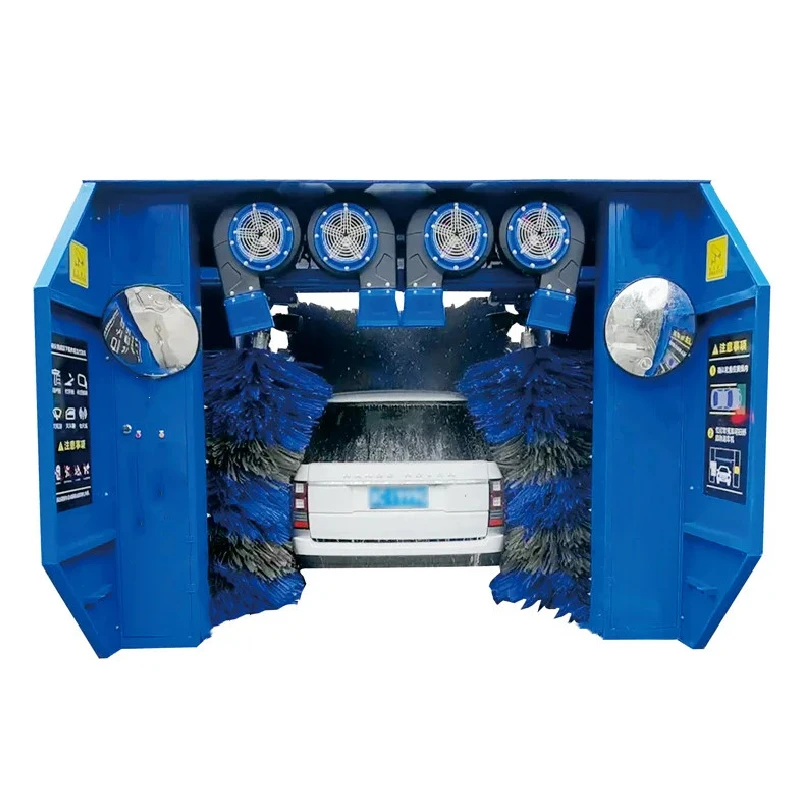
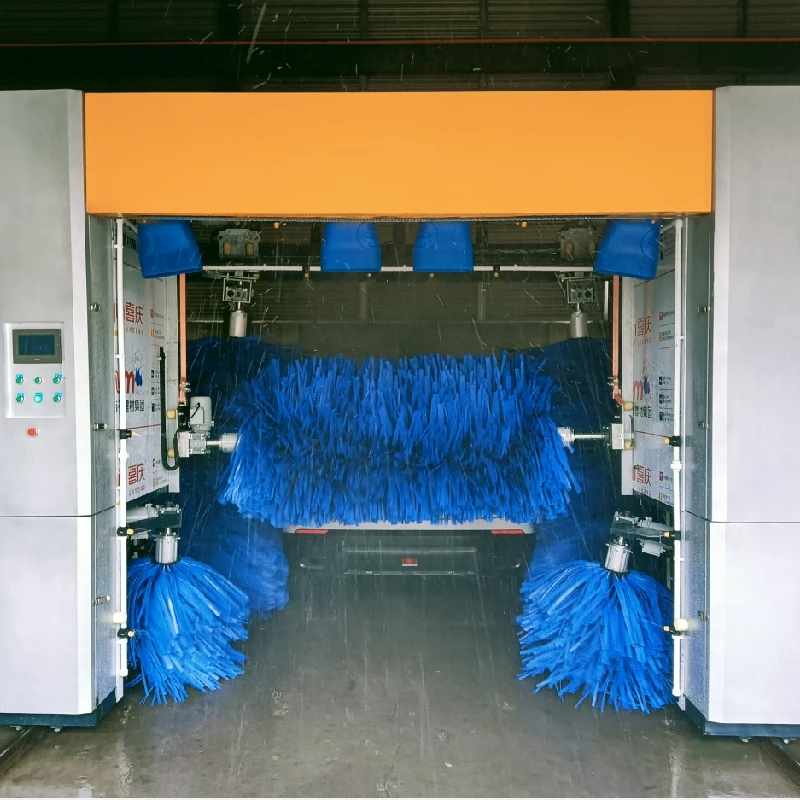
Advanced washers with digital controls, touchless washing, or integrated water recycling drive the price up. Conversely, manual or semi-automatic options tend to be more budget-friendly but require more labor.
3. Scalability and Customization
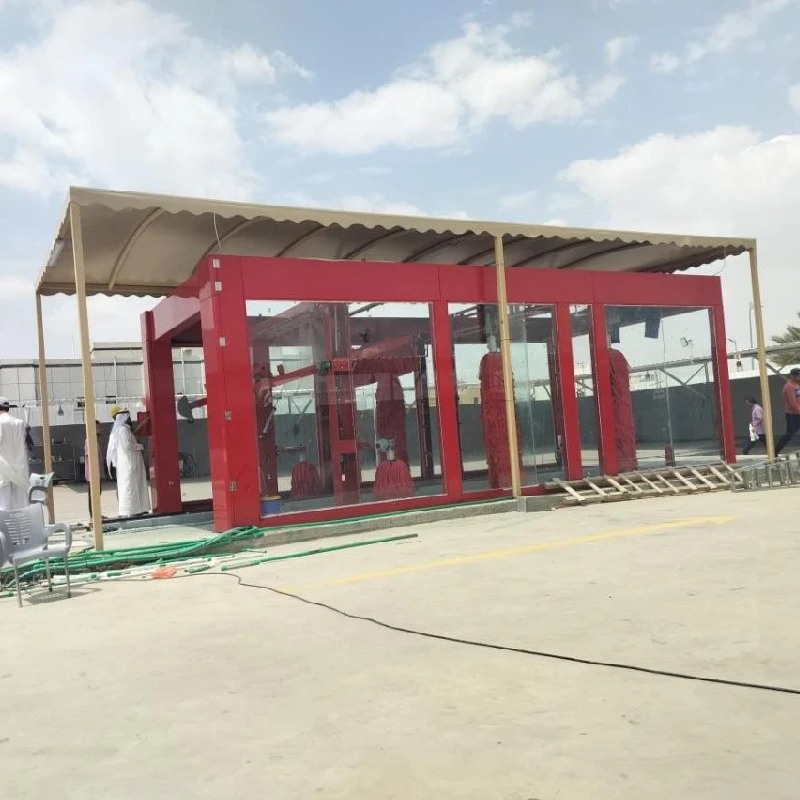
Businesses looking to serve large fleets benefit from scalable washer systems with multiple bays or modular add-ons. Custom features—for instance, specialty cleaning programs for electric vehicles—also adjust the final cost.
4. Water & Energy Efficiency
Eco-conscious designs that reduce water use and energy consumption may have a higher initial price but offer considerable operational savings and comply better with tight environmental standards.
5. Geographic Supply Chain Factors
Logistical costs, tariffs, local manufacturing, and availability of spare parts influence pricing significantly, especially in emerging markets.
Mini Takeaway:
Car washer price is not just a number—it’s a doorway to understanding supply chains, technology, and environmental impacts wrapped into one.
Global Applications & Use Cases of Car Washer Systems
Take post-disaster relief, for example. Vehicles often operate in dusty, muddy conditions. Reliable, efficient car washers priced within budget allow NGOs to maintain fleet readiness without overwhelming costs. Or consider remote industrial zones in Australia where water scarcity is real. There, choosing washers with efficient water recycling is critical—and the price reflects those advanced features.
Urban car wash chains in Europe leverage automation to reduce labor costs while improving throughput, affecting overall pricing structures. Meanwhile, smaller family-run businesses in Southeast Asia might opt for lower-cost manual systems but focus heavily on detergent costs.
Product Specification Table: Popular Car Washer Models
| Model | Type | Water Consumption (Liters) | Price Range (USD) | Special Features |
|---|---|---|---|---|
| EcoWash Pro 3000 | Automatic Touchless | 50 per wash | $15,000 - $20,000 | Water recycling, app control |
| RapidClean 150 | Semi-automatic | 75 per wash | $5,000 - $7,000 | Touch control panel |
| ManualPro H2O | Manual | 100 per wash | $800 - $1,200 | Lightweight and portable |
Advantages & Long-Term Value of Investing Wisely in Car Washer Systems
- Cost Efficiency: Quality washers reduce long-term maintenance and water waste.
- Sustainability: Advanced water-saving tech aligns with global green initiatives.
- Social Impact: Cleaner vehicles often enhance safety perceptions and community pride.
- Reliability: Proven durability decreases downtime—vital in commercial settings.
On a more personal note, I once watched a small rental company upgrade to a mid-tier automatic washer. The upfront car washer price was a bit daunting, but within months, they saved on labor and water. Plus, clients noticed the improved quality, which translated to repeat business. Quite inspiring, really.
Comparison of Leading Vendors
| Vendor | Range of Products | Price Competitiveness | Warranty & Support | Sustainability Focus |
|---|---|---|---|---|
| CleanJet | Manual to fully automatic | Mid to high | 5 years, 24/7 support | Strong emphasis on water recycling |
| FreshWash Tech | Mostly automated systems | Premium pricing | 3 years, online manuals only | High, with solar-powered options |
| EcoCar Wash | Manual and semi-auto | Affordable | 2 years, local dealers | Medium sustainability focus |
Future Trends & Innovations in Car Washer Price and Technology
Digital transformation is a buzzword often thrown around, but with the car washer industry, it’s truly reshaping things. Smart sensors now optimize water use dynamically; IoT integration allows remote diagnostics, reducing expensive service calls. Plus, materials science is moving toward bio-based plastics for equipment, affecting cost and environmental impact.
Energy-wise, solar-powered washers and battery-operated portable units are becoming more mainstream. These changes can shift car washer prices upward initially but promise steep drops in operating expenses.
Challenges & Solutions
One common snag? Balancing upfront car washer price with ongoing maintenance and environmental costs. Buyers often hesitate at the sticker shock despite long-term gains. Also, many regions struggle with inconsistent power or water supply, complicating installation.
To tackle these issues, modular systems that scale with demand and hybrid power options are gaining traction. Leasing or subscription models for washers are another modern twist allowing smaller operators to access higher-end tech without the capital hit.
FAQ: Frequently Asked Questions About Car Washer Price
- What factors make automated car washers more expensive than manual ones?
- Automation involves advanced sensors, robotics, and software integration which increases initial costs. However, it reduces labor and water wastage in the long run.
- How do water recycling features impact the price of car washers?
- They raise upfront costs due to complex filtration and storage but drastically lower water consumption and utility bills over time, benefiting both the environment and operators.
- Are eco-friendly car washers truly cost-effective?
- Yes, if used over a long period. Despite higher prices, energy and water savings often balance out the difference, alongside potential government rebates.
- Where can I find competitive car washer price listings?
- Specialized websites like Dy Car Washer offer detailed pricing and vendor options to help buyers compare and make informed decisions.
- How long do quality car washers typically last in commercial use?
- High-end models often last 7–10 years or longer with proper maintenance, while budget options might need replacement within 3–5 years.
Conclusion: The Value of Knowing Your Car Washer Price
Understanding car washer price is ultimately about making smart, sustainable, and strategic choices. Whether you’re a small business aiming for efficiencies or a large fleet operator prioritizing reliability, knowing what underpins those costs matters. If there’s one takeaway it’s this: the cheapest option upfront isn’t always the most cost-effective long term. Invest wisely—your vehicles, your budget, and the planet will thank you. For a closer look at various options and pricing, visit our website: https://www.dycarwasher.com.
Happy washing, sustainably!
References
-
Best High Pressure Water Jet for Car Wash and Detailing GuideNewsApr.16,2026
-
Professional High Pressure Water Car Wash Systems GuideNewsApr.09,2026
-
Unlock a Professional Shine with High Pressure Spray Wax TechnologyNewsApr.07,2026
-
Choosing the Right High Pressure Nozzle for Car Wash and DetailingNewsApr.04,2026
-
Choosing the Right High Pressure Car Cleaner for Optimal Vehicle CareNewsMar.31,2026
-
Investing in a High Power Car Washing Machine for Business EfficiencyNewsMar.28,2026