Comprehensive Guide to Automatic Car Wash for Trucks | Efficiency & Sustainability
Automatic Car Wash for Trucks: Efficiency Meets Innovation on the Road
Whether you're managing a bustling trucking fleet or running a logistics hub, keeping trucks clean isn’t just about appearances. It’s a critical factor linked to maintenance, driver safety, and even corporate image. Automatic car wash for trucks have emerged as an industry game changer — a solution that blends advanced technology with practical demands for time, water conservation, and cost-efficiency. Globally, the transportation sector’s growth has fueled interest in these systems, with thousands of vehicles needing regular cleaning amid tight schedules.
Setting the Scene: Why Automatic Truck Washes Matter Globally
The transportation industry is a backbone of global commerce. According to the World Bank, freight transport accounts for over 20% of global CO2 emissions, making operational efficiency vital. Clean trucks can operate better — dirt and grime exacerbate wear & tear and obscure critical parts. Oddly enough, while automation in passenger car washing is common worldwide, specialized automatic car wash for trucks lagged behind until recently. As international trade ramps up and fleets expand, the need for fast, reliable wash systems tailored to large vehicles is more pressing than ever.
It’s also a sustainability challenge. Water usage and chemical runoff must meet stricter regulations (see ISO environmental standards). Automatic systems promise not just speed but green solutions, which frankly, most operators find hard to resist.
What Exactly Is an Automatic Car Wash for Trucks?
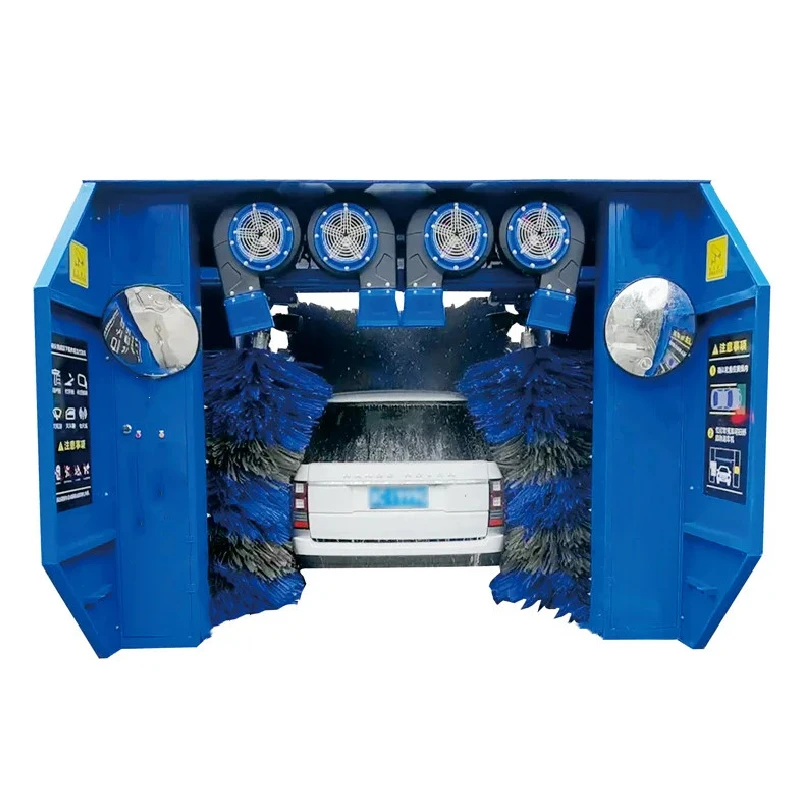
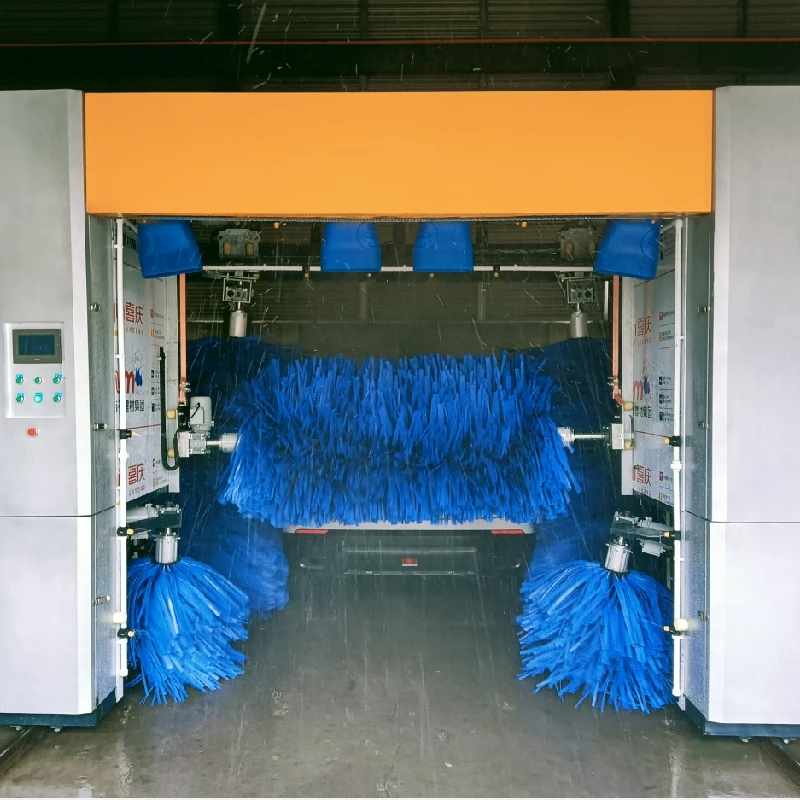
Simply put, these are fully mechanized washing stations designed specifically for commercial trucks, semis, and other large vehicles. Unlike standard car washes, they handle heavy-duty cleaning, removing dirt, salt, oil, and industrial residues effectively without manual labor. The process typically involves pre-soaking, powerful scrubbing brushes or automated high-pressure jets, and eco-friendly drying systems.
Designed to integrate with the logistics workflow, these systems reduce downtime. Imagine a busy fleet manager: instead of sending trucks offsite for cleaning, the vehicles can be washed onsite quickly and efficiently, improving turnaround times. This technology also touches humanitarian logistics indirectly — in disaster relief convoys, clean and well-maintained vehicles are crucial for long-haul reliability and safety.
Core Components of a Reliable Automatic Truck Wash
1. Durability and Construction
Trucks, especially industrial ones, get grimy with tough substances that standard infrastructure might not withstand. High-grade stainless steel and reinforced polymers stand up to chemical exposure and physical wear. The framework has to survive heavy usage day after day.
2. Scalability and Throughput
Large fleets demand systems that can wash multiple trucks quickly without bottlenecks. Many modern systems offer modular setups expandable with additional wash bays or conveyors. Throughput can sometimes hit 10+ trucks per hour.
3. Cost Efficiency and Water Management
Operating costs can pile up if water recycling or energy-saving technologies aren’t in place. The best models integrate closed-loop water recycling systems and use biodegradable detergents while optimizing energy consumption.
4. Advanced Automation and Control
Touchless sensors, programmable wash cycles tailored to vehicle types, and remote monitoring software help cut costs and human error. Some systems use AI-enabled diagnostics to maintain optimal performance.
5. Safety and Compliance
With powerful jets and large machinery, safety interlocks, anti-slip floorings, and emergency stop functions are non-negotiable. Certifications from bodies like OSHA ensure compliance and peace of mind.
Key Product Specifications: Example Model Overview
| Feature | Specification |
|---|---|
| Max Truck Length | 16 meters (53 feet) |
| Water Usage per Wash | 250 liters (66 gallons) with recycling system |
| Cycle Time | 8 minutes |
| Energy Consumption | 5 kW average |
| Control Interface | Touchscreen with remote monitoring |
Mini takeaway: Choosing the right product is about balancing throughput, sustainability, and integration with your fleet’s operations.
Global Players: Vendor Comparison Snapshot
| Vendor | Wash Speed | Water Recycling | Typical Cost | Customization |
|---|---|---|---|---|
| TruckClean Inc. | 7 min/ truck | Yes, 85% efficiency | $150,000 - $200,000 | High (modular bays) |
| EcoWash Systems | 9 min/ truck | Yes, 90% with filtration | $170,000 - $210,000 | Medium (custom cycles) |
| SpeedWash Pro | 5 min/ truck | Partial, 60% | $130,000 - $180,000 | Low (standardized models) |
Real World Applications And Their Impact
Across North America and Europe, logistics giants deploy automatic car wash for trucks to keep massive fleets road-ready. In places like Australia and Brazil, where mining trucks accumulate heavy dust and grit, onsite washing reduces downtime and prevents corrosion. Some humanitarian operations, especially where fleets transport aid post-disaster, find these systems invaluable for maintaining vehicle hygiene that ensures reliability under tough conditions.
If you’ve ever waited at a truck stop, you might have noticed these systems humming efficiently beside the fueling stations, keeping wheels turning smoothly. And frankly, in remote industrial zones, they’re indispensable because manual washing is neither feasible nor cost-effective.
Mini takeaway: The deployment of automatic truck washing systems matches real-world needs—from minimizing turnaround times in urban logistics to preserving vehicle life in harsh environments.
Why Invest? Advantages & Long-Term Value
- Cost Savings: Automated systems cut labor expenses and reduce maintenance costs tied to grime corrosion.
- Environmental Benefits: Recycling water and using eco-friendly detergents align with sustainability goals.
- Safety And Compliance: Clean vehicles reduce accident risks and improve regulatory adherence.
- Corporate Image: Employees and clients notice fleet cleanliness as a mark of professionalism.
- Driver Comfort: A clean truck cab and exterior support driver morale and pride.
Looking Ahead: Future Trends In Truck Washing
We’re seeing a push toward integrating green hydrogen energy and solar-powered systems to run these wash stations. Digital innovations like IoT-connected sensors enable predictive maintenance — so the system alerts operators before breakdowns. AI and machine vision are starting to customize wash cycles based on truck condition analysis, reducing water and chemical waste. Plus, emerging policies worldwide favor cleaner operations, nudging innovations.
Challenges & How They’re Being Tackled
Sure, the upfront cost can be daunting, especially for small operators. Water scarcity in some regions adds pressure to be more efficient. Not all wash bays accommodate unusual truck shapes or oversized equipment. But advances in modular design and flexible brush configurations are bridging these gaps. Some vendors also offer leasing and pay-per-use models, lowering entry barriers.
FAQ: Frequently Asked Questions About Automatic Car Wash for Trucks
- How long does an automatic truck wash typically take?
- Most systems complete a wash cycle between 5 to 10 minutes, depending on truck size and chosen wash intensity. This quick turnaround suits busy logistics operations.
- Are automatic truck washes environmentally friendly?
- Yes, many use advanced water recycling, biodegradable detergents, and energy-efficient components to reduce environmental impact, complying with ISO environmental standards.
- Can these systems handle oversized or irregular trucks?
- The best wash systems offer adjustable settings and modular components. However, extremely oversized vehicles may require custom designs or manual spot cleaning.
- Is installation complicated, and how much space is required?
- Installation generally takes a few weeks and needs a dedicated area of about 20 x 7 meters minimum. Vendors provide site assessments to fit specific operational needs.
- What maintenance do automatic truck washes require?
- Regular checks include cleaning nozzles, inspecting mechanical parts, and replacing filters. Many systems offer remote diagnostics for proactive upkeep.
Conclusion: Why Automatic Car Wash for Trucks Is a Smart Investment
In sum, automatic car wash systems tailored for trucks aren’t just a convenience; they’re vital for fleet efficiency, sustainability, and asset longevity. They reduce manual labor, optimize water and energy use, and improve safety and aesthetics — a win-win for operators and the environment.
If you’re looking to streamline your fleet operations or reduce environmental impact, automatic car wash for trucks might be exactly the innovation you need.
Thanks for sticking with me on this detailed ride… feel free to explore more, and keep those wheels turning cleanly!
References:
-
Best High Pressure Water Jet for Car Wash and Detailing GuideNewsApr.16,2026
-
Professional High Pressure Water Car Wash Systems GuideNewsApr.09,2026
-
Unlock a Professional Shine with High Pressure Spray Wax TechnologyNewsApr.07,2026
-
Choosing the Right High Pressure Nozzle for Car Wash and DetailingNewsApr.04,2026
-
Choosing the Right High Pressure Car Cleaner for Optimal Vehicle CareNewsMar.31,2026
-
Investing in a High Power Car Washing Machine for Business EfficiencyNewsMar.28,2026