How an Automatic Car Wash Machine Works: Structure, Process and Technical Checks
ENGINEERING NOTES
How an Automatic Car Wash Machine Works: Structure, Process and Technical Checks
An engineering overview of an automatic car wash machine, covering PLC control, vehicle sensing, galvanized steel structure, brush layout, washing sequence, drying, installation space and documented operating checks.

PLC control coordinates automatic, manual, and remote operating modes, vehicle sensing, wash stages, alarms, and vehicle counting.
Vehicle sensing or appearance recognition identifies vehicle dimensions and adjusts brush distance or the cleaning path.
Galvanized steel or galvanized pipe is identified for the main structure, with galvanized steel moving structures listed for one configuration.
The wash sequence includes spray, cleaning solution or foam, brushing, rinsing, and optional high-power air drying.
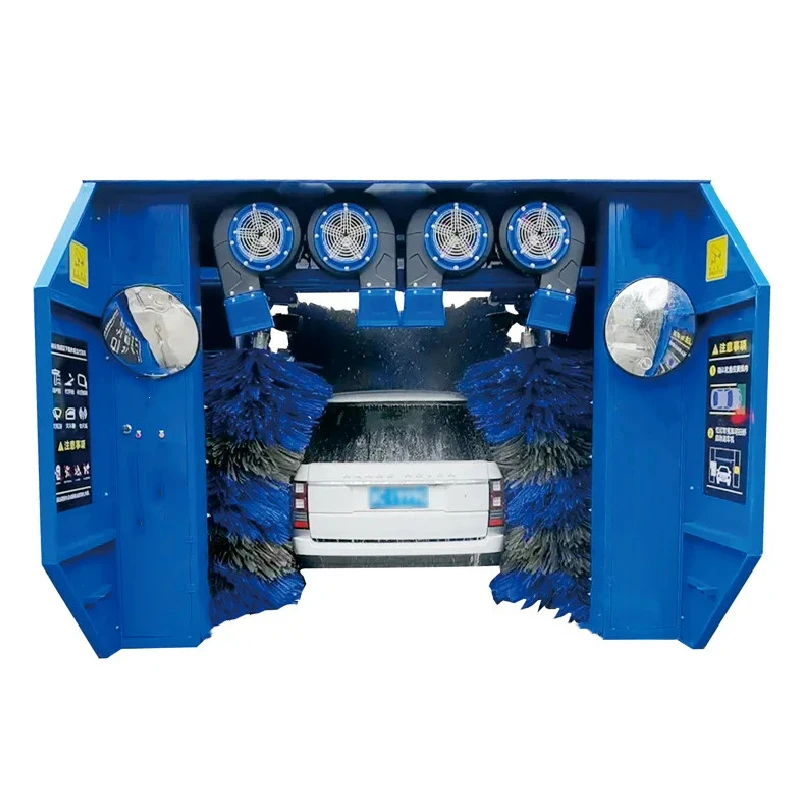
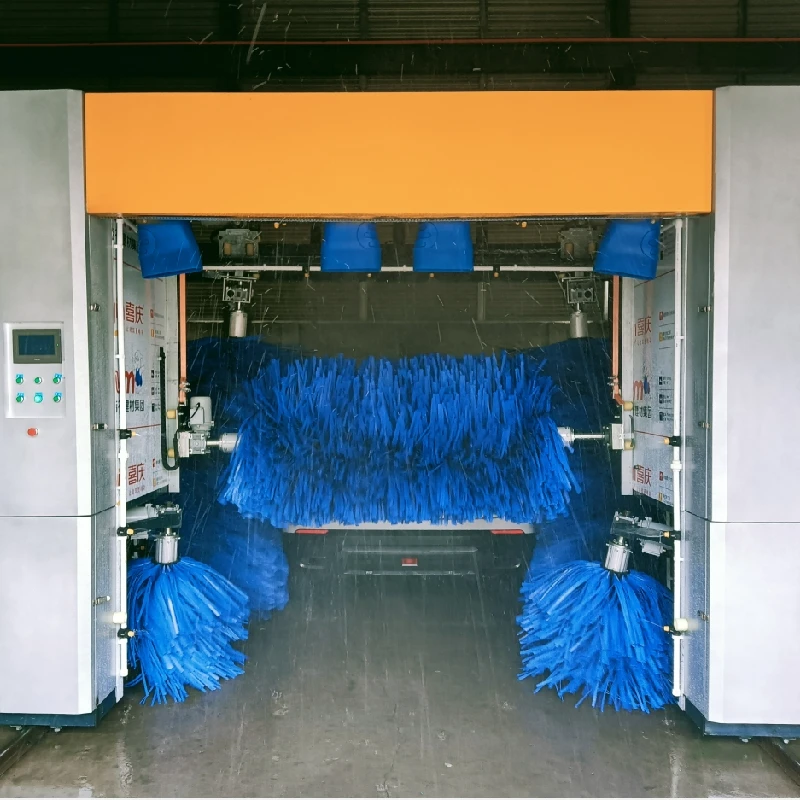
Brush layouts include top, side or skirt, vertical, and wheel or hub cleaning assemblies depending on model.
Published installation and utility values vary by model, including equipment and site dimensions, 380 V and 100 A, 6 to 22 kW, 23 kW for DY-QC-5, and 80 to 120 litres of water per vehicle.
The DY-QC-5 material identifies IP68 waterproof motors, precision transmission chains, and thickened bearings; the rating is model-specific and not a whole-machine certification.
Named functional review items include sensing, operating modes, alarms, troubleshooting display, vehicle counting, wash-stage operation, brush coverage, and drying-fan operation where fitted.
An automatic car wash machine combines a structural frame, vehicle-sensing devices, cleaning assemblies, water and chemical application, drying equipment, and a PLC-based control system. The system can run automatic, manual, or remote operating modes, while its sensors identify vehicle dimensions and adjust brush distance during cleaning. The machine is available in rolling, gantry, and reciprocating configurations.
Working principle
The machine coordinates the wash cycle through a PLC and touch-screen interface. Vehicle appearance recognition and sensing functions identify the vehicle's length, width, and height. The control logic then adjusts the brush position or cleaning path to suit the detected body size. The stated operating modes are automatic, manual, and remote control, with a fault detection and alarm system for operating feedback. The materials also describe a built-in vehicle counting function.
The cleaning sequence documented for the automatic car wash machine is:
- Spray and apply cleaning solution or foam.
- Use the top brush, side brushes, vertical brushes, and, where fitted, wheel or hub cleaners.
- Rinse with water.
- Apply a final spray stage where configured.
- Dry the vehicle with high-power fans where the drying option is included.
The brush arrangement depends on the model. One top brush cleans the upper surface, side or skirt brushes clean the sides and tire or hub areas, and large vertical brushes cover the front, sides, and rear. The rolling configuration moves the washing machine while the vehicle remains parked. The reciprocating and gantry descriptions likewise identify a machine that works around a stationary vehicle, but the exact movement and installed options should be confirmed against the selected model.
Materials and structural choices
The main structure is galvanized steel or galvanized pipe. A configuration includes a galvanized steel main structure and a galvanized steel moving structure. These parts carry the brush assemblies and moving equipment.
The control and sensing architecture includes a PLC, touch screen, vehicle-recognition or dimension-sensing devices, pneumatic components in some descriptions, and electrical components sourced from European, Japanese, domestic, or internationally recognized manufacturers, depending on the referenced product. These descriptions should be treated as model-specific material information, not as a universal bill of materials for every automatic car wash machine.
The cleaning assemblies include imported or soft washing brushes and water-wax or cleaning-solution application. Some configurations include four high-power fans. A DY-QC-5 includes precision transmission chains, thickened bearings, galvanized piping, and IP68 waterproof motors. The IP68 rating applies to the motor, not the complete machine.
Documented manufacturing and process logic
The supplied materials describe the finished structure and functional sequence, but they do not document a complete factory manufacturing route. They support the following product-level process logic:
- The machine is built around a galvanized steel or galvanized pipe frame, with a moving structure on configurations that use one.
- Brushes, sensing devices, pneumatic or electrical components, control hardware, and fans are integrated into the frame.
- The PLC and touch screen coordinate vehicle recognition, washing stages, alarms, counting, and operating modes.
- The programmed wash stages can include spray, foam, main brushing, rinse, and high-power drying.
Installation considerations for buyers
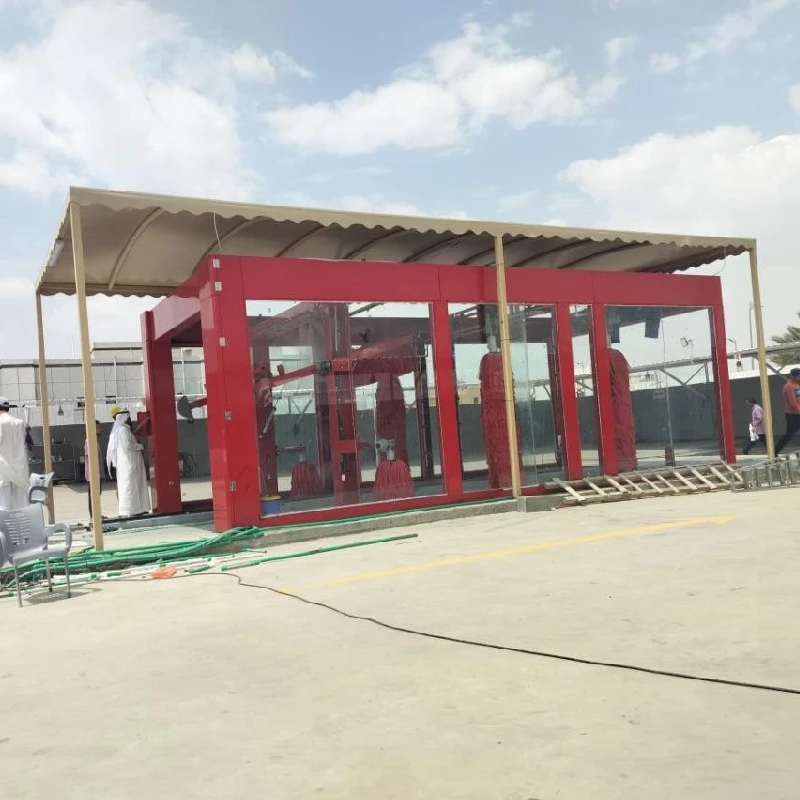
Installation planning starts with the selected model's dimensions and site requirements. The supplied parameters for one automatic car wash machine list equipment dimensions of 2,200 x 3,700 x 2,900 mm, a maximum washable vehicle size of 5,200 x 2,000 x 2,000 mm, and site requirements of 10,000 x 42,000 x 3,200 mm. The DY-QC-5 materials list equipment dimensions of 2,200 x 3,700 x 2,900 mm and installation dimensions of 10,000 x 4,500 x 3,500 mm. These values differ by product description, so they should not be combined into one generic layout.
The same model-specific approach applies to utilities. The general automatic car wash machine descriptions list 380 V, 100 A, total power of 6 to 22 kW, and water consumption of 80 to 120 litres per vehicle. The DY-QC-5 descriptions list 23 kW and the same water-consumption range. A buyer should obtain the exact electrical and water requirements for the selected configuration, along with the supplier's installation drawing, before preparing the site.
The DY-QC-5 includes installation, debugging, and technical training support.
For a product-specific reference, see Automatic Car Wash Machine Factory High Efficiency Cleaning Equipment Suppliers in China.
The sources identify operating functions that can form part of a model acceptance review: vehicle dimension sensing, automatic and manual operation, remote control where supplied, fault detection and alarms, fault troubleshooting display, vehicle counting, the programmed wash sequence, brush coverage, and operation of the drying fans where fitted. These are functional checks derived from the published features, not reported test results.
The materials name IP68 as the waterproof level of motors in the DY-QC-5 descriptions. They do not name an IP test method, test laboratory, certificate, or result. A procurement review should therefore request the applicable motor documentation if the rating is required for the project.
The published materials do not name a machine-level standard, certification, formal test protocol, or measured cleaning result. Do not treat the stated washing capacity, water consumption, dimensions, or power values as independently verified test results. Confirm the selected model, configuration, utility conditions, and acceptance criteria in the technical quotation and installation documents before purchase.
THE PEOPLE

About the author
THE COMPANY
Xingtai Dingyuan Energy Saving Technology Development Co., Ltd.
Is a professional manufacturer of automatic car washing equipment technology research and manufacturing, located in Xingtai City, the industrial capital of northern China. Our company's car washing machine production base has a workshop of over 3000 square meters, modern production workshops, and strong strength.…
About Us ↗Visit company website ↗YOUR NEXT STEP
Need to discuss the technical details?
Share your operating conditions, standards and drawings with the engineering team.
-
Where an automatic car wash machine fits across commercial vehicle cleaning sitesNewsNov.09,2026
-
Buying an Automatic Car Wash Machine: Checks for the DYQC9 Tunnel SystemNewsNov.02,2026
-
Professional Car Wash with Machine for Efficient Business GrowthNewsJul.01,2026
-
Professional Car Wash Water Spray Machine for EfficiencyNewsJun.29,2026
-
Professional Car Wash Water Jet Machine for High EfficiencyNewsJun.27,2026