Understanding Automatic Car Wash for Lifted Trucks: Features, Benefits, and Trends
Automatic Car Wash for Lifted Trucks: What You Need to Know
Lifted trucks have grown in popularity around the world, not just as rugged workhorses but as lifestyle statements. Naturally, this trend has created a unique challenge: how to keep these elevated beasts clean without damaging them or using ineffective washing methods. Enter the automatic car wash for lifted trucks. This specialized solution marries convenience with capability, aiming to simplify maintenance for an increasingly niche but expanding vehicle segment.
Understanding these systems matters globally because commercial fleets, off-road enthusiasts, and even emergency responders rely on lifted trucks in diverse environments, from muddy construction sites to dusty rural roads. Proper washing systems enhance vehicle longevity, safety, and environmental compliance. So, why is this topic relevant right now? Simply put, lifted trucks are here to stay, and keeping them clean efficiently means less downtime and fewer costly damages. Let’s unpack the landscape of automatic car wash solutions tailored specifically for these vehicles.
Global Context: Why Lifted Truck Washing Is a Growing Challenge
Across North America, Europe, and increasingly in emerging markets like Australia and parts of the Middle East, the popularity of lifted trucks is on an upward trajectory. According to industry surveys and automotive associations, lifted trucks have seen a surge of over 20% in registrations in the past five years.[1] But here’s the rub: traditional automatic car washes weren’t designed for vehicles with raised suspensions and larger tire dimensions. Attempts to use standard bays often result in missed spots or, worse, damage to delicate parts like fender flares and suspension components.
Fleet operators especially have faced logistical headaches. Manual washing is time-consuming and sometimes inconsistent, while off-the-shelf automated systems fail to accommodate height and clearance needs. Tackling this gap is essential for industries relying on lifted vehicles, such as agriculture, mining, and emergency services.
Defining Automatic Car Wash for Lifted Trucks
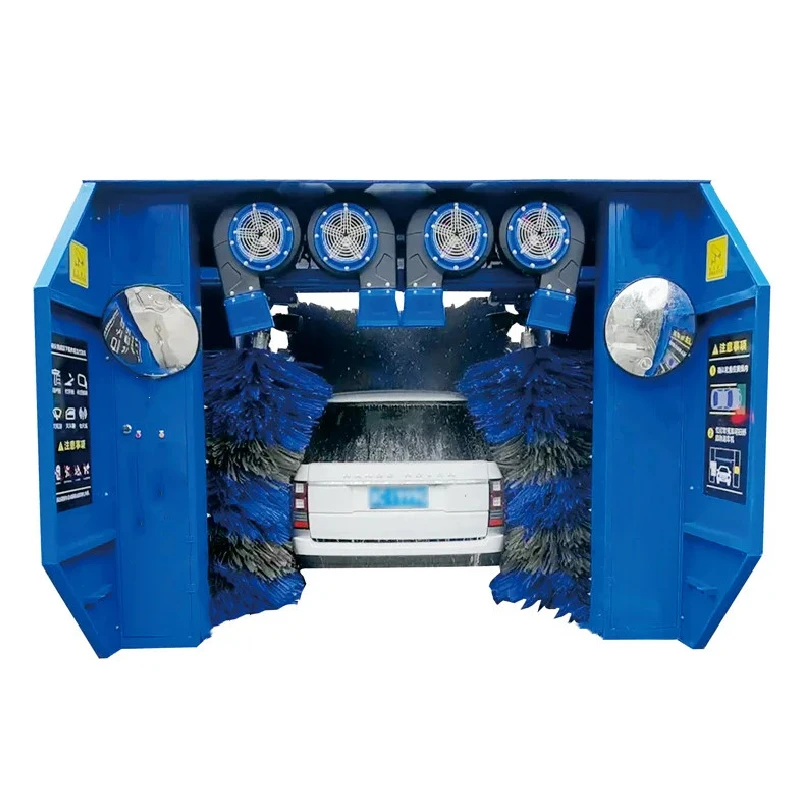
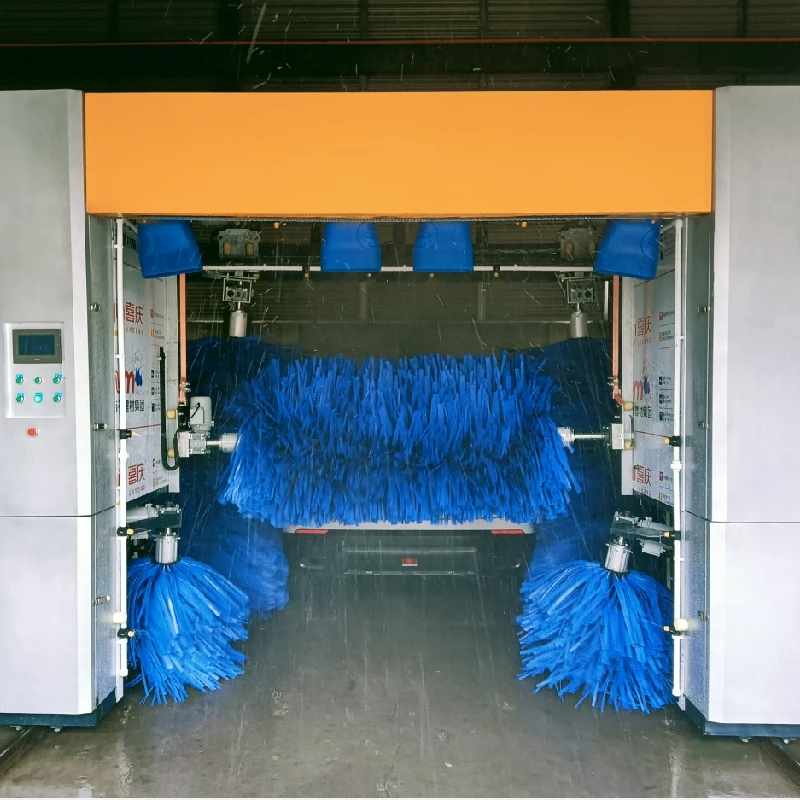
Put simply, an automatic car wash for lifted trucks is a washing system engineered to accommodate trucks whose suspension height and tire size exceed standard vehicle parameters. These wash systems feature adjustable clearances, reinforced brushes, and enhanced drying tunnels to clean oversized vehicles effectively and safely without the need for manual intervention.
In the grand schema of vehicle maintenance and sustainability, these systems connect to broader industry trends emphasizing automation, efficiency, and environmental stewardship. They help reduce water usage through recycle systems and introduce gentle yet thorough cleaning methods that minimize chemical runoff, aligning with ISO environmental standards.[2]
Core Components of an Automatic Car Wash for Lifted Trucks
1. Adjustable Clearance and Height Settings
Unlike standard car washes, these automated systems offer customizable height settings, often using sensors or manual controls to accommodate trucks lifted by several inches — sometimes over 12 inches higher than a regular vehicle.
2. Reinforced Washing Brushes and Materials
Brushes are made from durable, non-abrasive materials to protect paintwork, yet strong enough to clean heavy mud and debris often encountered by off-road trucks.
3. High-Pressure Nozzle Systems
Adjustable nozzles can reach undercarriages and wheel wells where grime accumulates, crucial for lifted trucks with larger clearance gaps.
4. Sensor-Based Vehicle Recognition
Modern systems use infrared or laser sensors to detect truck size and automatically adjust mechanisms, ensuring optimal cleaning without risk of damage.
5. Water Recycling and Eco-Friendly Solutions
Given increasing environmental regulations worldwide, many automatic car washes integrate recycling units reducing water consumption by up to 50%, important for companies and individuals mindful of sustainability.
Mini Takeaway: Key features such as adaptable height, durable brushes, and advanced sensors make these systems a practical fit for lifted trucks that standard setups simply can’t handle.
Global Applications & Use Cases
The automatic car wash for lifted trucks finds applications in various sectors:
- Commercial Fleets: Transportation companies with work trucks benefit from quick, reliable washes that keep vehicle aesthetics and mechanical parts in top shape.
- Emergency Services: Fire and rescue vehicles often have lifts and require ready-to-go cleanliness to preserve safety equipment.
- Off-road Enthusiasts & Retail: Specialized car wash centers cater to lifted truck owners who demand convenience without sacrificing vehicle care.
- Industrial Mining and Agriculture: Heavy equipment and trucks exposed to constant dirt and harsh environments are washed frequently to meet operational standards.
For example, in Australia’s mining regions, companies have rolled out automatic car washes designed for lifted trucks to maintain cleanliness and prevent corrosion, boosting equipment uptime.[3]
Spec Table: Typical Features of an Automatic Car Wash for Lifted Trucks
| Feature | Specification | Benefit |
|---|---|---|
| Max Vehicle Height | Up to 8.5 feet (102 inches) | Accommodates most lifted trucks |
| Brush Material | Soft nylon/polyester blend | Safe on vehicle finishes |
| Water Usage | 15-25 gallons per wash (recycled) | Eco-friendly operation |
| Sensor Type | Infrared & laser height detectors | Automatic adjustment & safety |
Advantages & Long-Term Value
There’s a practical and emotional side to these washers. From a cost perspective, they reduce the need for manual labor, lowering operational expenses. The water recycling systems cut utility bills and support eco-responsibility, which is increasingly important given global water scarcity issues.[2]
Emotionally, drivers and operators feel pride and trust in equipment that prioritizes care and efficiency. Reliable cleaning prevents corrosion and maintains resale value, while also ensuring that critical components remain visible and functional — a safety factor often overlooked.
Vendor Comparison Table
| Vendor | Max Truck Height | Water Recycling | Price Range (USD) | Notable Feature |
|---|---|---|---|---|
| WashMaster Pro | 8 feet | Yes (up to 55% reuse) | $50,000 - $65,000 | AI sensor adjustment |
| EcoClean Lift | 8.5 feet | Yes (up to 60%) | $55,000 - $70,000 | Solar panel integration |
| TruckSpa Deluxe | 7.5 feet | No | $40,000 - $55,000 | Fast cycle time (5 min) |
Looking Ahead: Future Trends & Innovations
Oddly enough, this niche segment is becoming a hotbed for innovation. You’ll find increasing integration of IoT (Internet of Things) technology enabling trucks to communicate directly with washing stations to customize every wash cycle to the vehicle’s specs. Green energy solutions, like solar-powered pumps and low-chemical detergents, reduce the environmental footprint further.
Furthermore, as autonomous vehicles inch closer to reality — including fully automated maintenance hubs — the automatic car wash for lifted trucks will evolve to support remote diagnostics and predictive maintenance, saving fleets even more time and money in the long run.
Challenges & Solutions
Despite the upsides, some challenges remain. For one, the initial investment is higher than typical car wash systems, which can deter small operators. Also, varying truck customizations mean a one-size-fits-all approach rarely works, requiring adaptable designs and sometimes bespoke solutions.
To navigate this, vendors increasingly offer modular systems, scalable configurations, and flexible financing options. On the technical side, better sensor calibration and machine learning algorithms help accommodate a wider range of truck shapes and sizes without human intervention.
FAQ: Your Questions About Automatic Car Wash for Lifted Trucks
- Q: Can an automatic car wash damage my lifted truck’s suspension or accessories?
-
No, modern automatic car washes designed for lifted trucks include height sensors and adjustable mechanisms to prevent contact with suspension parts, antennas, or accessories. It’s important to choose a system certified for lifted vehicles and follow manufacturer guidelines.
- Q: How much water does an automatic car wash for lifted trucks typically use?
-
These systems generally use between 15-25 gallons per cycle, often incorporating water recycling technology to reduce overall consumption. This is significantly less than manual washing that can waste much more water via hoses.
- Q: Are these washing systems suitable for very high lifts or oversized tires?
-
Most are designed for lifts up to 12 inches or total vehicle heights approaching 8.5 feet. For extreme modifications, you may need custom solutions or partial manual cleaning to supplement the automatic wash.
- Q: Is it more cost-effective to use an automatic system instead of hand washing for lifted trucks?
-
Over time, yes. While upfront costs are higher, reduced labor, lower water consumption, and consistent cleaning quality offer better ROI. For fleets, the time saved can be substantial.
Conclusion: Why Invest in an Automatic Car Wash for Lifted Trucks?
In real terms, automated car wash systems designed specifically for lifted trucks deliver a rare blend of convenience, care, and cost-efficiency. From reducing manual labor and water use to preserving vehicle integrity, they meet the unique demands of lifted truck owners with grace and precision. As lifted trucks continue to capture attention globally, upgrading to a wash system designed for their unique size and needs makes perfect sense.
If you’re ready to enhance your truck care routine, I recommend checking out specialized solutions like automatic car wash for lifted trucks — trusted by commercial and private users alike.
Thanks for reading, and feel free to explore further — you might just find the perfect match for your rig!
References
-
Best High Pressure Water Jet for Car Wash and Detailing GuideNewsApr.16,2026
-
Professional High Pressure Water Car Wash Systems GuideNewsApr.09,2026
-
Unlock a Professional Shine with High Pressure Spray Wax TechnologyNewsApr.07,2026
-
Choosing the Right High Pressure Nozzle for Car Wash and DetailingNewsApr.04,2026
-
Choosing the Right High Pressure Car Cleaner for Optimal Vehicle CareNewsMar.31,2026
-
Investing in a High Power Car Washing Machine for Business EfficiencyNewsMar.28,2026