Automatic Car Wash Station: Efficiency, Sustainability, and Innovation Worldwide
Understanding the Automatic Car Wash Station: A Global Perspective
If you’ve ever driven through a slick, humming automatic car wash station, you might have taken for granted just how complex and impactful these systems really are. Amidst our fast-paced lives and growing environmental concerns, automatic car wash stations offer a neat solution — they save time, improve water efficiency, and reduce manual labor, all while keeping vehicles sparkling clean. Globally, this technology matters more than you might guess, bridging the gap between convenience, sustainability, and modern innovation.
Why This Topic Matters Globally
As urban populations surge—according to the United Nations, over 56% of the world’s population lived in urban areas as of 2020, expected to rise to 68% by 2050—the demand for efficient, eco-friendly car maintenance solutions escalates. Owning a vehicle remains a mark of mobility and freedom, but frequent cleaning is essential not just for aesthetics but to protect paintwork from damaging residues and pollution. Here’s where automatic car wash stations shine, offering scalable, water-conscious technology that surpasses traditional hand washes with far less impact on resources.
Moreover, many regions suffer from water scarcity and environmental regulations are tightening worldwide (ISO 14000 family standards on environmental management is a big reference here). A car wash system that recycles water and optimizes detergent use is no longer a luxury, it’s a necessity.
automatic car wash station technologies reflect this shift beautifully, marrying convenience with responsibility.
What Is an Automatic Car Wash Station?
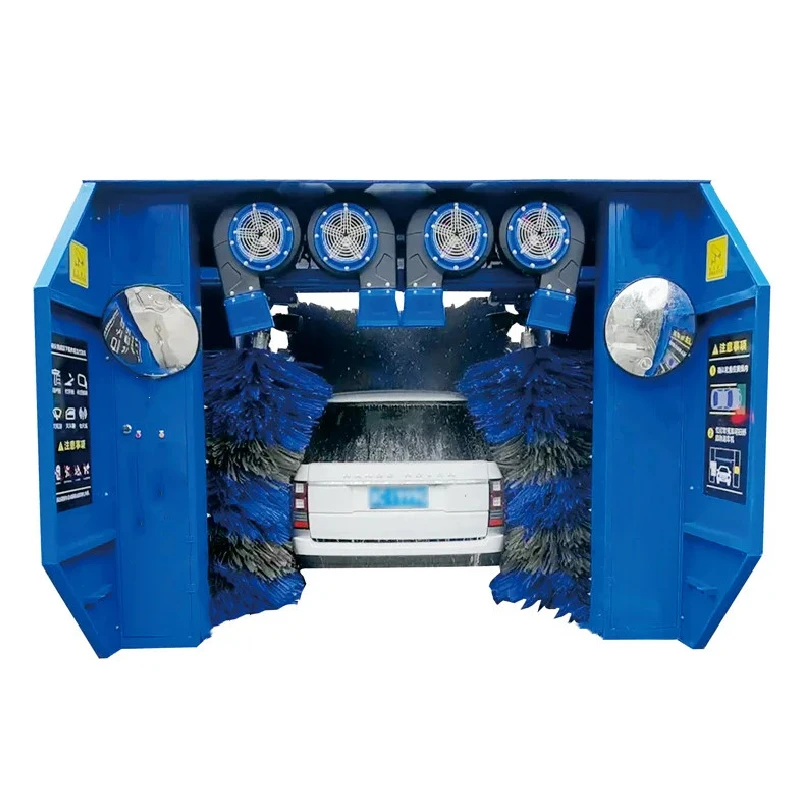
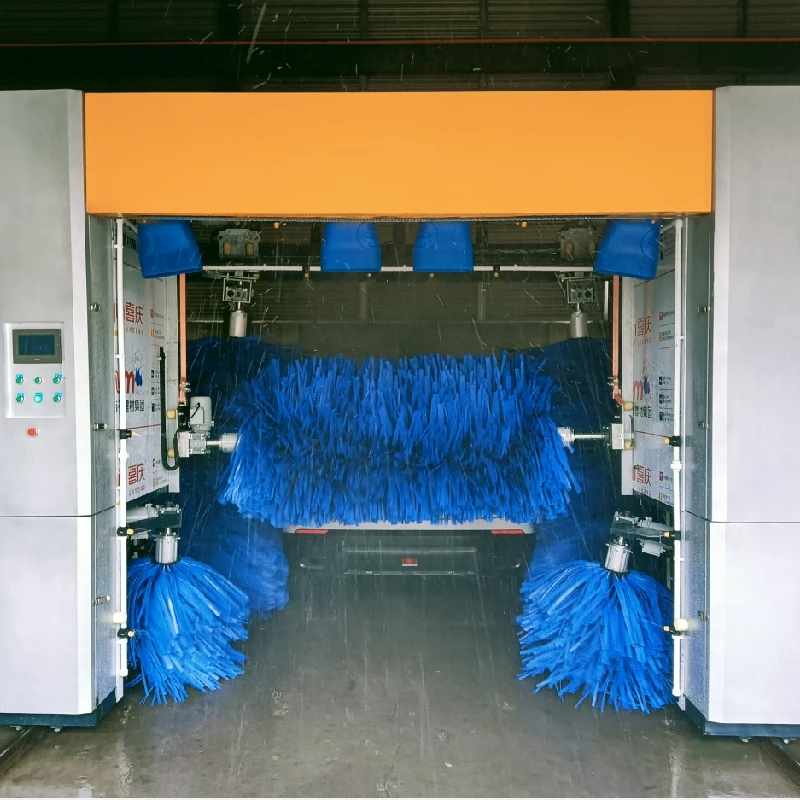
Put simply, an automatic car wash station is a mechanized facility designed to clean vehicles efficiently with minimal human intervention. Vehicles either pass through conveyor belts equipped with automated brushes, sprayers, and dryers, or remain stationary as robotic arms and nozzles handle the cleaning cycle. The underlying idea combines mechanical engineering, fluid dynamics, and eco-conscious chemical formulation.
They’ve become staples in urban centers, fleet maintenance hubs, and increasingly on highways or commercial locations. Their connection to modern industry is obvious — they represent an intersection between automation and sustainability, two pillars of the contemporary manufacturing and service sectors.
Key Components of Effective Automatic Car Wash Stations
1. Durability and Build Quality
To withstand daily wear and tear, mechanical parts are crafted from high-grade stainless steel or corrosion-resistant composites. This extends the station’s life, minimizes downtime, and protects your investment. Believe me, a fragile setup in harsh weather zones just won’t cut it.
2. Water Recycling and Conservation Systems
Smart stations use filtration and sedimentation tanks to reclaim water. A typical system might save up to 75% of water by recycling. Given global water concerns, this isn’t just a gimmick—it’s a critical design feature.
3. Scalability and Automation Levels
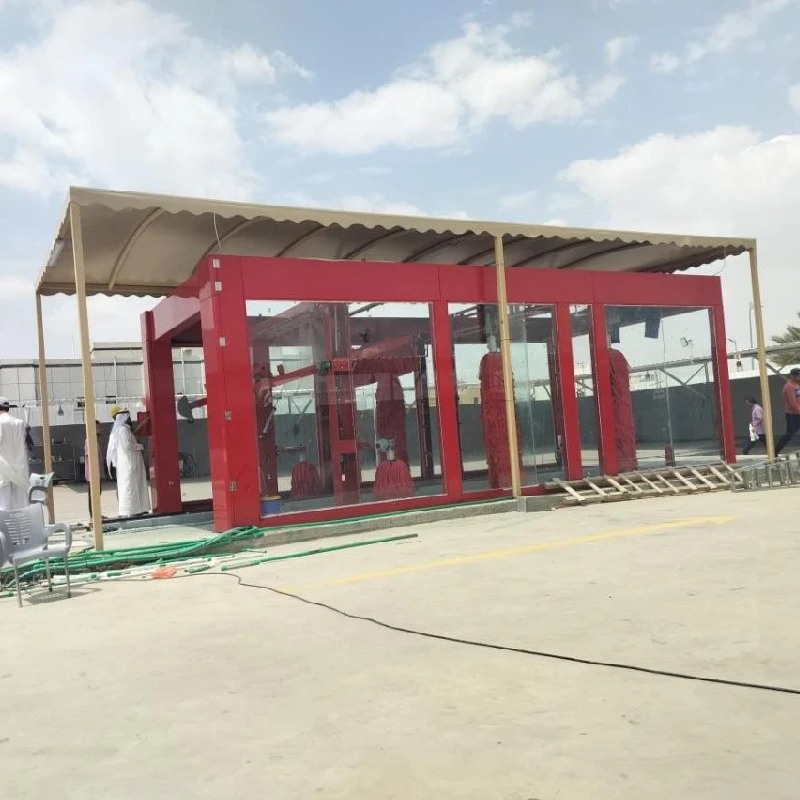
Whether it’s a small installation at a private service center or gigantic multi-bay stations for commercial fleets, modular designs allow expansion. Automation ranges from semi-automatic (human starts process) to fully automatic (vehicle sensors trigger each step). This adaptability is crucial depending on customer needs.
4. Cost Efficiency and Maintenance
Though initial installation can be pricey, automatic facilities dramatically reduce labor costs and improve throughput. Manufacturer schedules usually advise routine inspections and part replacements—factors to budget for long term.
5. Environmental Compliance and Safety
Because wash stations use detergents and chemicals, regulatory compliance regarding discharge and worker safety is essential. Vendors incorporate eco-friendly solutions and protect staff with automated controls.
Automatic Car Wash Station Specifications
| Feature | Details |
|---|---|
| Wash Cycle Time | 4–7 minutes per vehicle |
| Water Usage | 30–50 liters (recycled up to 75%) |
| Power Consumption | 3–6 kW per hour |
| Automation Level | Semi-automatic to fully automatic |
| Material Quality | Stainless steel, durable polymers |
| Environmental Features | Water filtration, chemical recycling, low-emission detergent |
Global Applications and Use Cases for Automatic Car Wash Stations
Automatic car wash stations aren't just local conveniences—they extend worldwide across continents and industries:
- Urban Centers: Cities like Tokyo and New York, dealing with high vehicle density, rely on efficient automated washes to minimize queue times and waste.
- Commercial Fleets: Logistics companies in Europe deploy station arrays to keep delivery trucks clean and maintenance costs low.
- Industrial Zones: Remote mining and construction sites in Australia and Canada use mobile or modular stations to maintain heavy-duty vehicles under harsh conditions.
- Environmental Efforts: Some stations integrate with environmental programs, ensuring runoff water is treated before release.
Oddly enough, even in post-disaster relief hubs, clean vehicle operations support humanitarian missions, reducing contamination risks and boosting morale.
Vendor Comparison of Automatic Car Wash Stations
| Feature | DyCar Washer | CleanRide Systems | EcoWash Solutions |
|---|---|---|---|
| Water Recycling | Up to 75% | 60% | 70% |
| Automation Level | Fully automatic | Semi-automatic | Fully automatic |
| Cost Range (USD) | $150,000 - $250,000 | $120,000 - $200,000 | $130,000 - $220,000 |
| Maintenance Support | 24/7 support with remote diagnostics | Business hours only | 24/7 local support |
| Environmental Certification | ISO 14001 certified | Pending certification | ISO 14001 certified |
Advantages and Long-Term Value of Automatic Car Wash Stations
First off, there’s the dire need to save water and reduce pollution. Automatic washes use significantly less water than manual washing — some studies suggest a 50% reduction. They also employ biodegradable detergents that won’t harm local waterways.
From a business perspective, stations minimize labor costs and speed up turnovers, which is a win-win. Customers enjoy the time saved—minutes instead of hours—which for many, feels like hitting the jackpot on busy days.
And on an emotional level, when a vehicle is clean, it feels cared for, sometimes even safer on the road. Clean cars project trustworthiness and pride, and stations help upkeep this quietly.
Future Trends and Innovations to Watch
- Green Energy Integration: Solar-powered stations are gradually entering the market, making the whole process even cleaner.
- AI and Sensor Automation: Sensors that adjust water pressure and detergent application depending on vehicle condition are becoming common.
- Touchless Washes: Advanced high-pressure sprayers reduce wear on vehicles and eliminate risks of scratches.
- Remote Monitoring & IoT: Owners can monitor operations and receive maintenance alerts remotely, improving uptime.
Challenges and Solutions in the Current Market
Automatic car wash stations face hurdles like high upfront costs and maintenance complexity. In colder climates, freeze risks complicate operation. Training local technicians can be another bottleneck.
Solutions? Modular, easy-to-install units help spread initial expense over time; antifreeze circulation systems mitigate winter risks; and vendor training programs build local capacity and trust.
FAQ: Frequently Asked Questions About Automatic Car Wash Stations
- How much water can an automatic car wash really save?
- Modern automatic stations often recycle up to 75% of their water, bringing usage down to 30–50 liters per wash — significantly less than hand washes which can use over 150 liters.
- Are automatic car wash stations suitable for large commercial vehicles?
- Absolutely. Many stations come with high-clearance bays and stronger jets to handle trucks, buses, or construction vehicles efficiently.
- What maintenance is required for these stations?
- Routine inspections every 6 months, clean filtration system checks, and timely replacement of brushes and pumps are standard to ensure performance and avoid downtime.
- Are environmentally friendly detergents used?
- Most reputable providers now supply biodegradable and phosphate-free detergents conforming to local discharge regulations, helping reduce ecological impact.
- How quickly can an automatic car wash station be installed?
- Depending on size and complexity, installation can take from a few days to a couple of weeks, including foundational work and system calibration.
Conclusion: Clean Cars, Clear Benefits
To sum it up: automatic car wash stations are more than just a modern convenience. They’re a vital part of sustainable transportation infrastructure in cities and industries worldwide. Saving water, lowering emissions, and protecting vehicles — it’s all wrapped in a neat, efficient package. If you’re considering investing in or upgrading a washing facility, frankly, it’s worth checking out the latest automatic car wash station technologies, especially those prioritizing eco-friendly innovation alongside automation.
Ready to make your vehicle cleaning greener and more efficient? Visit https://www.dycarwasher.com for expert guidance and solutions.
At the end of the day, a clean car is more than a pretty sight — it’s a small yet significant step towards a smarter, more sustainable future.
Reflection: Having spent years researching industrial automation, it’s fascinating how something as everyday as a car wash can embody such complexity and promise. It feels like these stations are quietly pioneering sustainability in the automotive care space — and that’s a story well worth following.
-
Best High Pressure Water Jet for Car Wash and Detailing GuideNewsApr.16,2026
-
Professional High Pressure Water Car Wash Systems GuideNewsApr.09,2026
-
Unlock a Professional Shine with High Pressure Spray Wax TechnologyNewsApr.07,2026
-
Choosing the Right High Pressure Nozzle for Car Wash and DetailingNewsApr.04,2026
-
Choosing the Right High Pressure Car Cleaner for Optimal Vehicle CareNewsMar.31,2026
-
Investing in a High Power Car Washing Machine for Business EfficiencyNewsMar.28,2026