Choosing the Right Heavy Car Washing Machine for Business Success
Choosing the Right Heavy Car Washing Machine for Your Business
In the competitive automotive detailing industry, efficiency and quality are paramount. A heavy car washing machine is a significant investment that can dramatically improve your throughput and the quality of your wash. However, selecting the right machine requires careful consideration. This article will guide you through the key factors to consider when purchasing a heavy-duty car wash machine, ensuring you choose a system that meets your specific business needs. We’ll cover everything from types of machines to features, and ultimately, how to maximize your return on investment.
Understanding the Different Types of Heavy Car Washing Machines
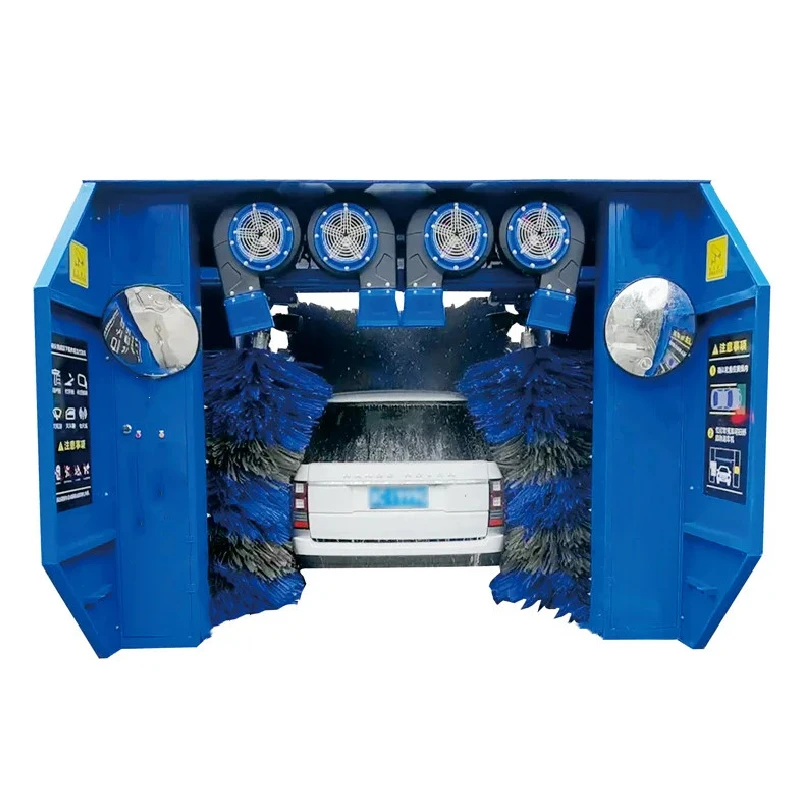
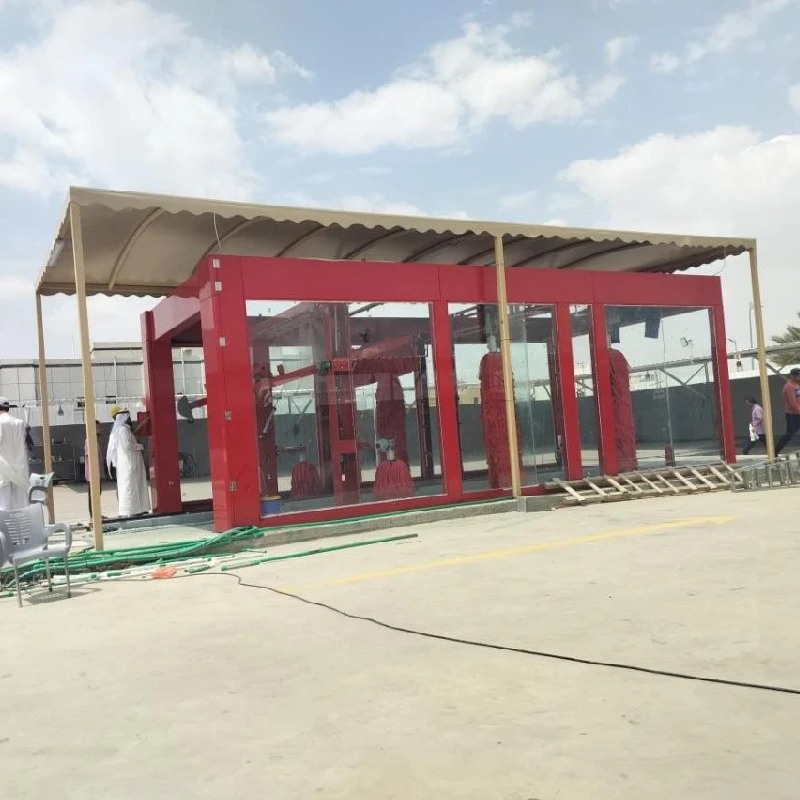
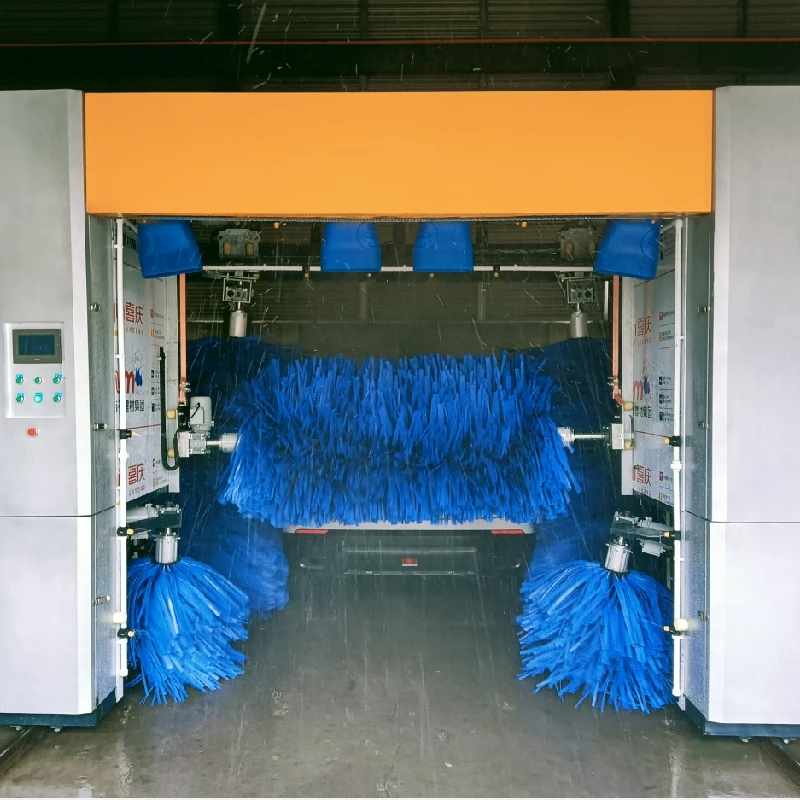
There isn't a 'one-size-fits-all' solution when it comes to heavy car washing machines. Several types cater to different business models and volume requirements. These include: roll-over machines, tunnel washers, in-bay automatics, and self-service bays. Roll-over machines are common for smaller businesses, offering a good balance of cost and efficiency. Tunnel washers are ideal for high-volume operations, providing a continuous wash process. In-bay automatics are a middle ground, offering a more automated experience than roll-overs. Self-service bays empower customers to wash their own vehicles, requiring less staff intervention. The best option depends on your budget, space constraints, and anticipated customer volume.
Key Takeaway: Careful assessment of your business's needs will help you identify the most suitable type of heavy car washing machine. Consider factors like wash volume, available space, and budget.
Key Features to Look for in a Heavy Car Washing Machine
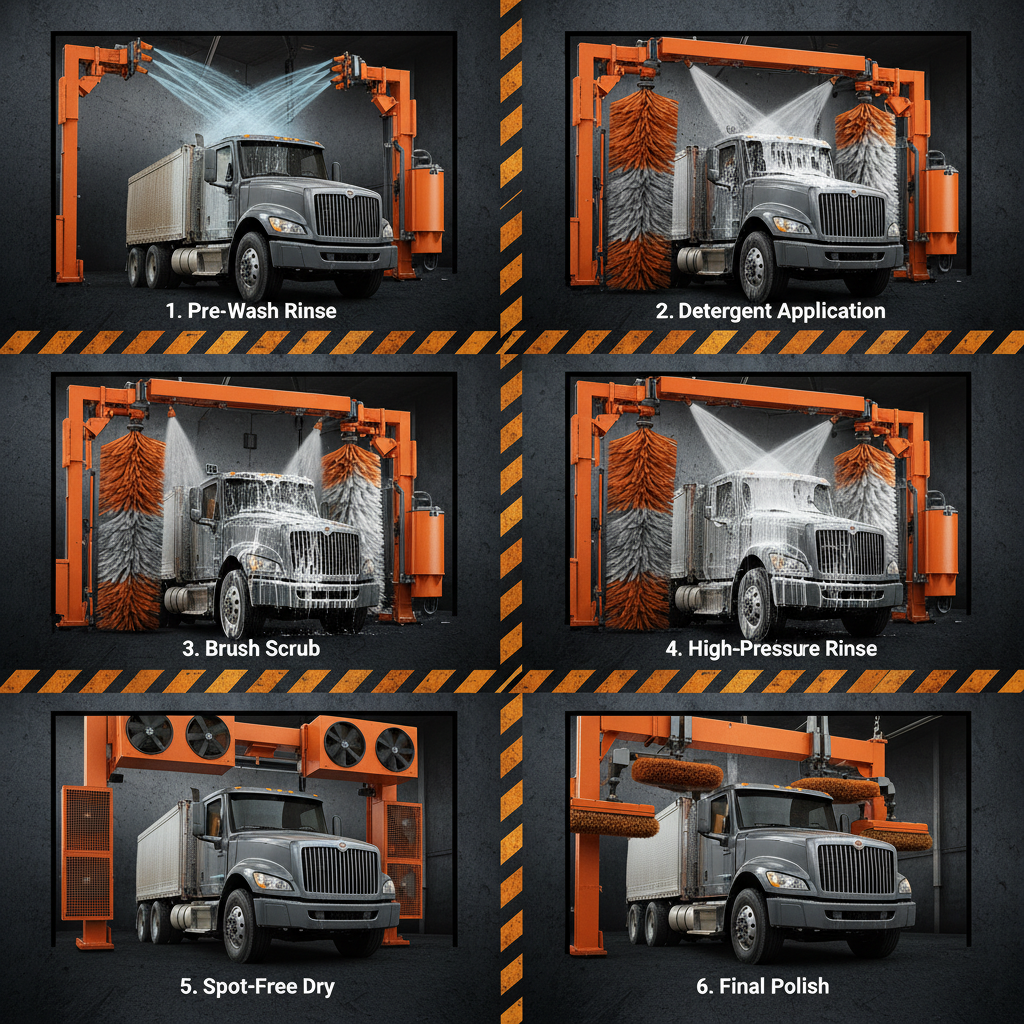
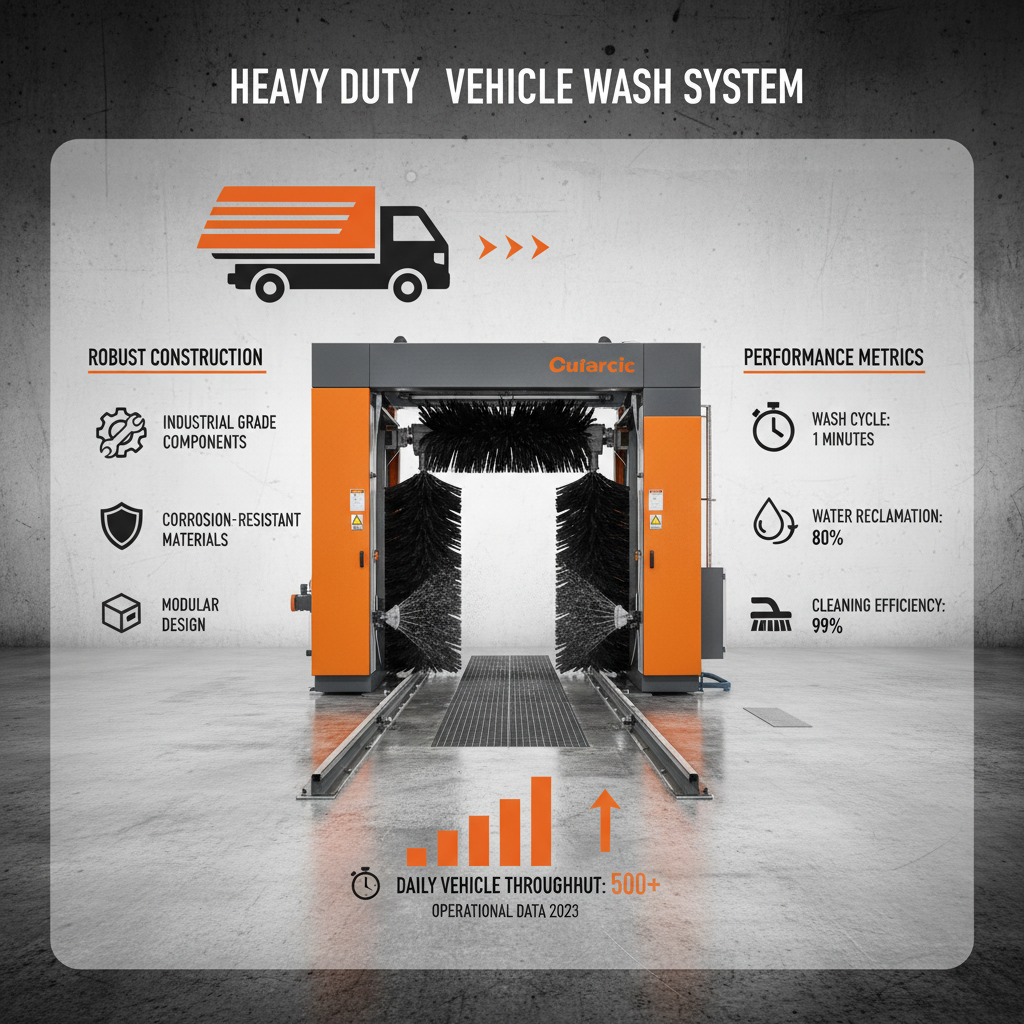
When evaluating specific heavy car washing machines, focus on features that enhance efficiency, durability, and wash quality. Important features include: high-pressure spray systems, effective soap and wax application, spot-free rinsing capabilities, powerful blow dryers, and robust construction. Look for machines constructed from corrosion-resistant materials like stainless steel. Consider features like programmable wash cycles, allowing you to customize washes for different vehicle types and customer preferences. Automated fault detection systems can minimize downtime and maintenance costs. A reliable and responsive customer support system is also crucial.
Essential Features Checklist:
• High-Pressure Spray Systems
• Effective Soap & Wax Application
• Spot-Free Rinsing
• Powerful Blow Dryers
• Corrosion-Resistant Construction
Comparing Popular Heavy Car Washing Machine Brands
Several reputable brands specialize in heavy car washing machines. DY Car Washer, for example, is known for its innovative designs and reliability. Other prominent brands include Sonny’s, Ryko, and WashTec. Each brand offers a range of machines with varying features and price points. Comparing brands requires careful consideration of factors like build quality, technology, customer support, and spare parts availability. Reading customer reviews and seeking recommendations from industry peers can provide valuable insights.
Maintenance and Operating Costs of a Heavy Car Washing Machine
Beyond the initial purchase price, consider ongoing maintenance and operating costs. These include electricity consumption, water usage, soap and chemical costs, and routine maintenance like filter replacements and pump servicing. Investing in energy-efficient machines and water recycling systems can significantly reduce these costs. Regular preventative maintenance is crucial to extend the lifespan of your machine and minimize downtime. Develop a maintenance schedule and consider a service contract with the manufacturer or a qualified technician.
Maximizing Your ROI with a Heavy Car Washing Machine
The ultimate goal is to maximize your return on investment. This involves selecting the right machine for your needs, optimizing wash cycles for speed and efficiency, providing excellent customer service, and proactively managing maintenance costs. Consider offering tiered wash packages to cater to different customer preferences and price points. Marketing your car wash effectively is also crucial to attract and retain customers. Partnering with local businesses and utilizing social media can help increase brand awareness and drive traffic.
Conclusion: Investing in a Heavy Car Washing Machine is a Smart Business Decision
Investing in a high-quality heavy car washing machine is a strategic decision that can significantly enhance your business's efficiency, profitability, and customer satisfaction. By carefully considering your needs, researching different options, and prioritizing maintenance, you can ensure a strong return on your investment.
Frequently Asked Questions (FAQs)
What is the typical lifespan of a heavy car washing machine?
The lifespan of a heavy car washing machine typically ranges from 10 to 15 years, depending on the quality of the machine, the frequency of use, and the level of maintenance. Regular maintenance, including cleaning, lubrication, and timely replacement of worn parts, can significantly extend the machine’s lifespan. Choosing a machine from a reputable manufacturer known for durable construction is also crucial.
How much does it cost to operate a heavy car washing machine per month?
Operating costs vary based on factors like electricity rates, water usage, chemical costs, and maintenance expenses. On average, monthly operating costs can range from $500 to $2,000 or more, depending on the size and type of machine and the volume of washes. Implementing water recycling systems and energy-efficient features can help reduce these costs.
What kind of space is required for a heavy car washing machine?
Space requirements depend on the type of heavy car washing machine. Roll-over machines require less space than tunnel washers. Generally, you'll need at least 500-1000 square feet for a roll-over machine, while tunnel washers can require 2000 square feet or more. Consider space for vehicle queuing, drying areas, and equipment maintenance.
What are the key factors to consider when choosing a supplier for a heavy car washing machine?
When choosing a supplier, consider factors like reputation, product quality, customer support, pricing, and availability of spare parts. Look for a supplier with a proven track record and positive customer reviews. A supplier that offers comprehensive after-sales service, including installation, maintenance, and training, is also essential. DY Car Washer is a reputable supplier to consider.
-
Best High Pressure Water Jet for Car Wash and Detailing GuideNewsApr.16,2026
-
Professional High Pressure Water Car Wash Systems GuideNewsApr.09,2026
-
Unlock a Professional Shine with High Pressure Spray Wax TechnologyNewsApr.07,2026
-
Choosing the Right High Pressure Nozzle for Car Wash and DetailingNewsApr.04,2026
-
Choosing the Right High Pressure Car Cleaner for Optimal Vehicle CareNewsMar.31,2026
-
Investing in a High Power Car Washing Machine for Business EfficiencyNewsMar.28,2026