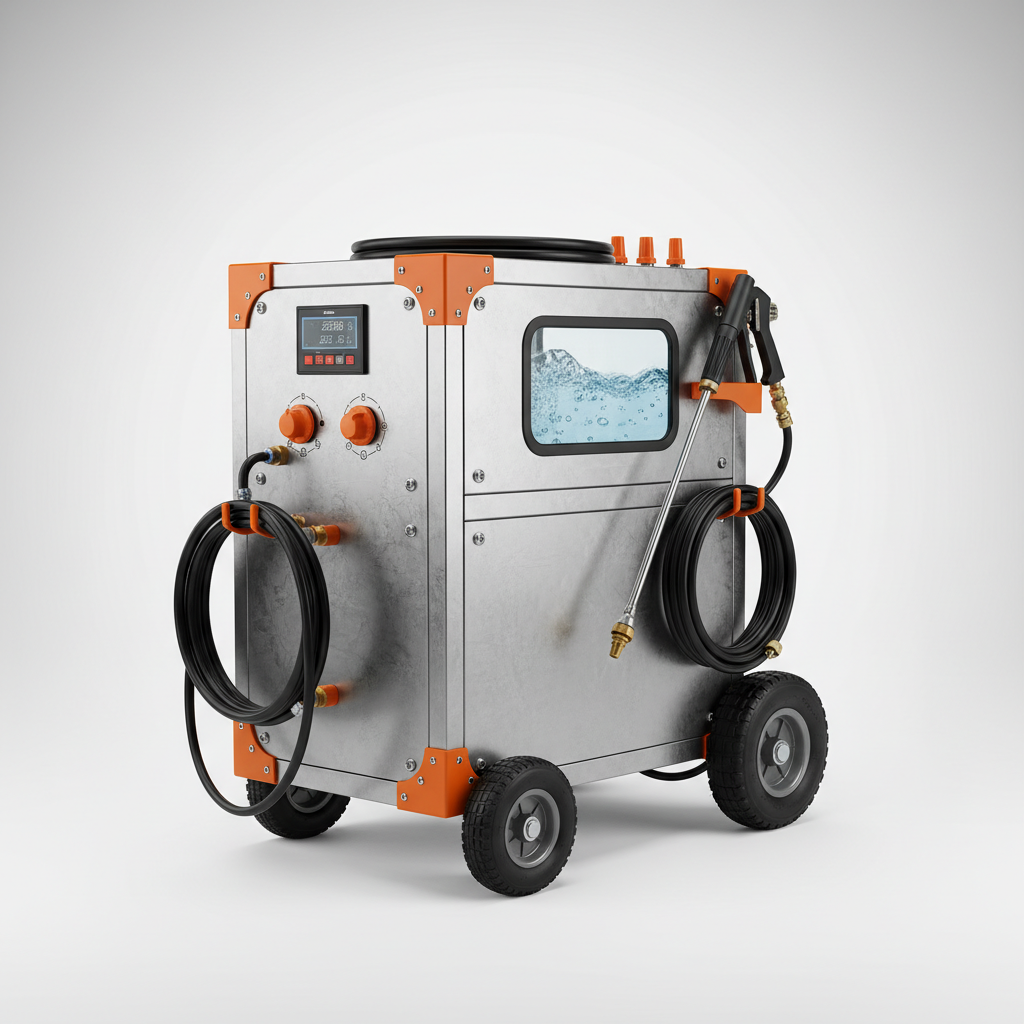
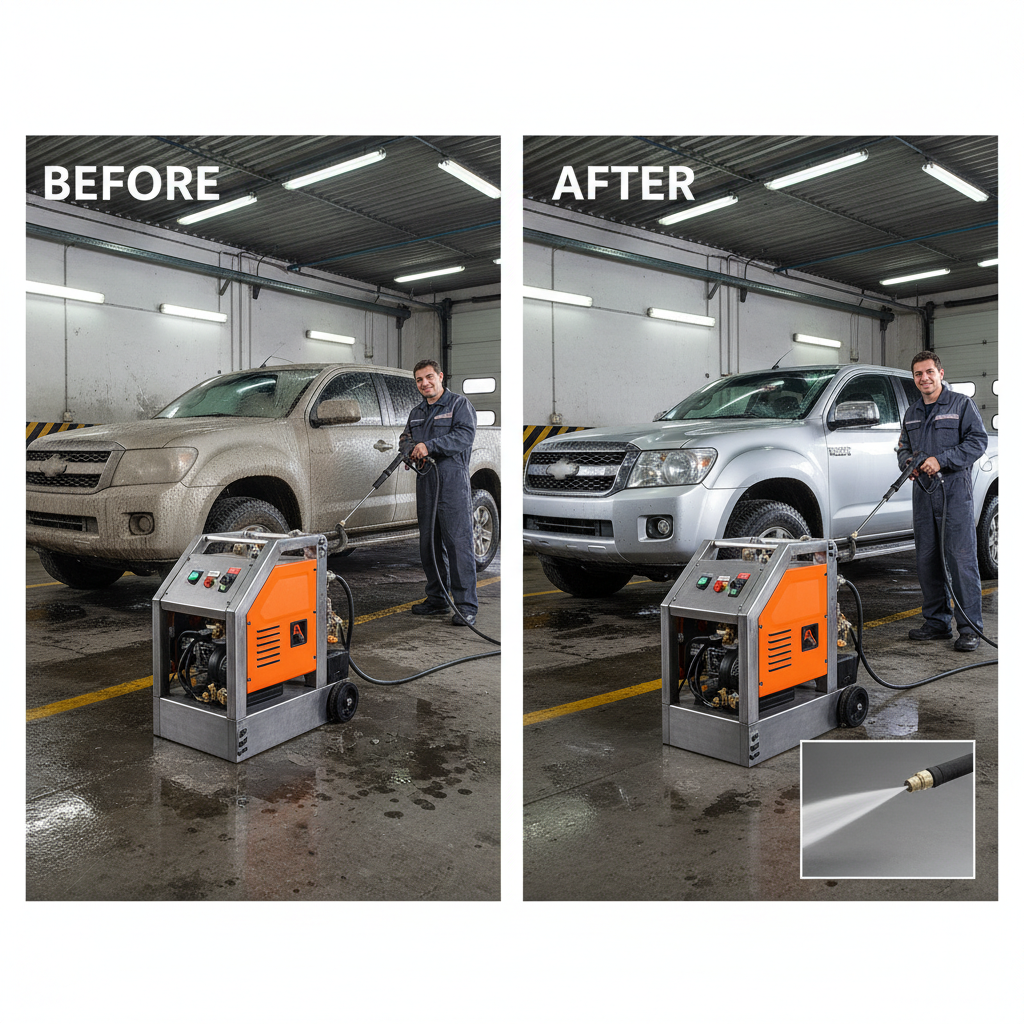
Look, I’ve spent the last fifteen years knee-deep in concrete dust and smelling diesel exhaust, and let me tell you, a good automotive power washer isn’t just a convenience – it's a lifeline on a job site. It’s about more than just hosing down trucks; it’s about safety, efficiency, and frankly, keeping morale up when guys aren’t tracking mud everywhere. We're talking about keeping equipment running smoothly, prepping surfaces for proper coatings, and minimizing downtime. You quickly learn a dirty jobsite is a slow jobsite, and that hits the bottom line hard.
Over the years, I’ve seen a lot of washers that claim to be heavy-duty. Most fall apart after a few months of real-world abuse. The key isn’t just the PSI, it’s the components - the pump, the hose, the nozzles – they all have to be built to withstand constant use and the inevitable knocks and scrapes that come with being on a construction site. I've been testing automotive power washer units for years, looking for something that can actually stand up to the daily grind.
And it’s not just construction. From fleet maintenance to agricultural operations, the need for a reliable, powerful cleaning solution is universal. I’ve even seen them used effectively in mining operations to keep heavy machinery functioning optimally. The versatility is a huge plus, but again, it all comes back to durability. A fancy machine that breaks down is just an expensive paperweight.
The Importance of Automotive Power Washers in Demanding Environments
I’ve seen firsthand how a quality automotive power washer can drastically improve efficiency on a construction site. It's not just about making things look clean; it's about removing debris that can damage equipment, compromise safety, and reduce the lifespan of critical assets. A clogged radiator or a mud-caked sensor can shut down a multi-million dollar piece of machinery in minutes.
The cost of downtime is astronomical. A reliable power washer is an investment that pays for itself quickly, especially when you factor in reduced maintenance costs and improved equipment longevity. It's a small price to pay for peace of mind, knowing you can quickly address cleaning needs and keep operations running smoothly.
Defining Automotive Power Washers: Beyond Basic Cleaning
People often think of a power washer as just a way to clean cars, but that’s a massive understatement. An automotive power washer, at its core, is a machine designed to use high-pressure water to remove dirt, grime, and other contaminants from surfaces. But the quality of that pressure, the consistency, and the range of available nozzles make all the difference.
We’re talking about a tool that can strip paint, cut through grease, and even prep metal for welding. On a job site, that means quickly cleaning concrete forms, removing rust from rebar, and getting surfaces ready for coatings. It's a versatile tool that goes far beyond just making things shiny.
The modern automotive power washer has evolved. It’s not your grandfather’s garden hose with a fancy nozzle. It’s a precisely engineered machine with a focus on power, efficiency, and durability.
Key Factors: Durability, Power, and Practicality
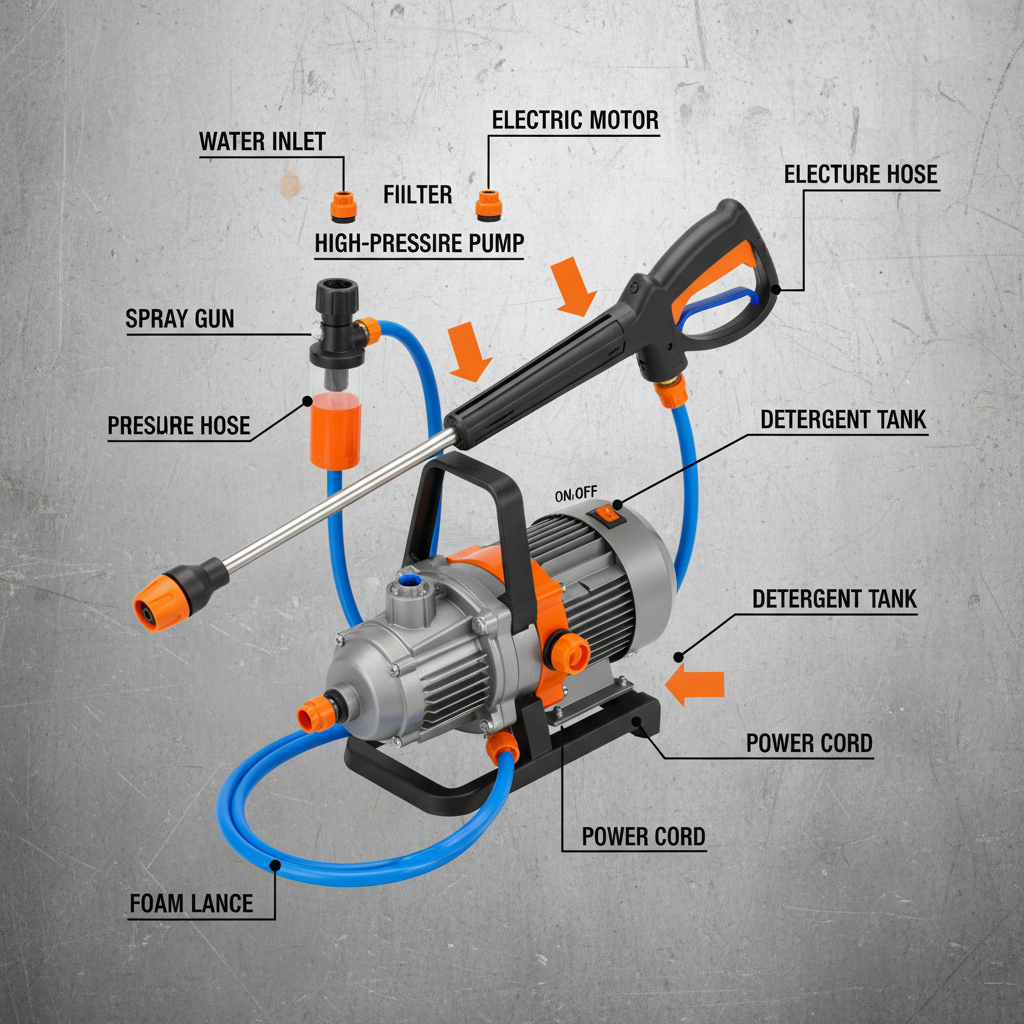
When I'm evaluating a automotive power washer, the first thing I look at is the pump. Is it axial-cam? Diaphragm? The axial-cam pumps are the workhorses, but they need to be well-protected. A cheap plastic housing won't last a week on a construction site. The material matters: cast iron is king.
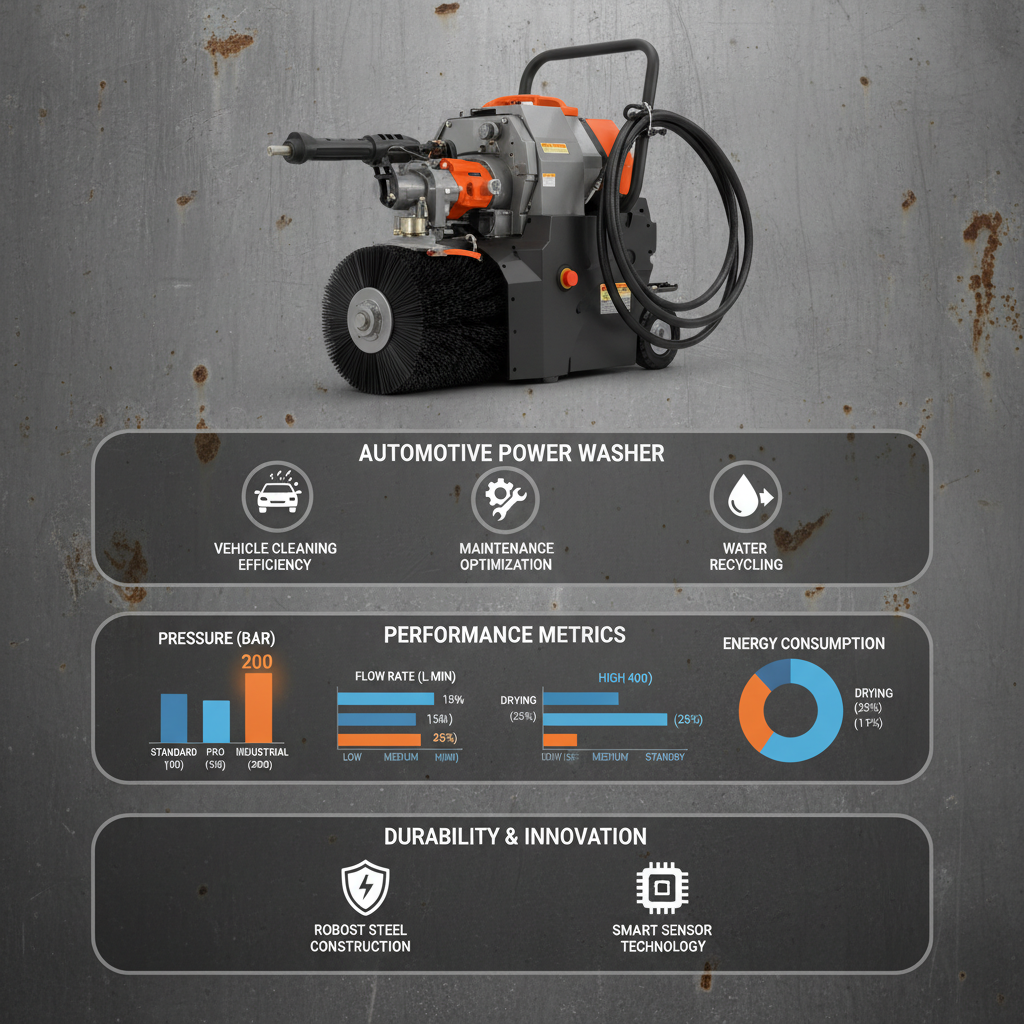
Next is power, measured in PSI and GPM (gallons per minute). High PSI gets the dirt off, but GPM determines how quickly. You need a balance. Too much PSI with low GPM and you’ll damage surfaces. Too little PSI and you're just wasting water and time. For most job site applications, I look for something in the 3000-4000 PSI range with a GPM of 2.5 to 4.0.
Finally, you need practicality. Is it easy to move around? Does it have a decent hose length? Are the nozzles readily available and easy to change? A machine that’s a pain to use won't get used, no matter how powerful it is. Portability and ease of maintenance are critical.
Real-World Applications Across Industries
We’ve talked construction, but let’s be clear, these aren't just for building sites. I've seen them used extensively in fleet maintenance, cleaning everything from dump trucks to delivery vans. Keeping a fleet clean isn’t just about appearances; it's about preventing corrosion and maintaining resale value.
Agriculture is another big one. Farmers use them to clean equipment, remove mud from livestock pens, and sanitize barns. The right automotive power washer can significantly reduce the spread of disease and improve overall farm hygiene.
Comparison of Automotive Power Washer Methods
Advantages and Long-Term Value Proposition
The benefits of investing in a robust automotive power washer extend far beyond just cleaning. We’re talking about increased efficiency, reduced downtime, improved safety, and a longer lifespan for your equipment. Those add up to significant cost savings over time.
From a safety perspective, a clean worksite is a safer worksite. Removing slip hazards and improving visibility can prevent accidents and injuries. It also promotes a more professional and organized environment, which boosts morale and improves the quality of work.
Future Trends and Innovations in Automotive Power Washer Technology
We're starting to see a move towards more eco-friendly automotive power washer solutions, with a focus on water conservation and biodegradable detergents. Hot water washers are becoming more popular, as they're more effective at removing grease and oil.
I'm also keeping an eye on smart washers with built-in sensors and remote monitoring capabilities. These can provide valuable data on usage patterns, identify potential maintenance issues, and even optimize cleaning performance. The future is about efficiency and data-driven insights.
Electric power washers are gaining ground, especially for indoor applications, offering a quieter and more environmentally friendly alternative to gas-powered models. Battery technology is constantly improving, making these units more powerful and portable.
Common Challenges and Effective Solutions
One of the biggest challenges is dealing with hard water. Mineral buildup can damage the pump and reduce the efficiency of the automotive power washer. Using a water softener or descaling solution regularly can help prevent this.
Another common issue is nozzle clogging. This can be caused by debris or mineral buildup. Regularly cleaning the nozzles and using a filter can help prevent this. Always make sure to use the correct nozzle for the job to avoid damaging surfaces.
Finally, proper winterization is crucial. If you live in a cold climate, you need to drain the pump and hoses completely to prevent freezing damage. A little preventative maintenance goes a long way in extending the lifespan of your machine.
Summary of Automotive Power Washer Maintenance and Troubleshooting
| Issue |
Likely Cause |
Solution |
Prevention |
| Low Pressure |
Clogged Nozzle |
Clean or Replace Nozzle |
Use a Filter |
| Pump Failure |
Mineral Buildup |
Descale Pump |
Use Water Softener |
| Uneven Spray |
Damaged Hose |
Replace Hose |
Inspect Hose Regularly |
| Machine Won’t Start |
Power Supply Issue |
Check Power Cord and Outlet |
Use a Surge Protector |
| Overheating |
Insufficient Ventilation |
Ensure Adequate Airflow |
Regularly Clean Air Vents |
| Reduced Cleaning Performance |
Incorrect Nozzle Selection |
Use Appropriate Nozzle |
Refer to User Manual |
FAQS
For most job site cleaning, I recommend a automotive power washer in the 3000-4000 PSI range. This provides enough power to remove tough dirt and grime without damaging surfaces. Lower PSI might not be effective, while higher PSI could cause damage. It’s a sweet spot that balances power and control.
Regular maintenance is key. After each use, flush the system with clean water to remove any debris. At least once a month, check the nozzles for clogging and descale the pump if you have hard water. Annual servicing by a qualified technician is also recommended to ensure optimal performance.
Gas power washers are typically more powerful and better suited for heavy-duty tasks. Electric models are quieter, more environmentally friendly, and require less maintenance. The best choice depends on your specific needs and application. Electric is great for indoor use, while gas is better for large, outdoor projects.
Nozzles control the spray pattern and pressure. A 0-degree nozzle delivers a concentrated stream for tough stains, while a 40-degree nozzle provides a wider, gentler spray. Always start with a wider angle and gradually increase the pressure as needed. Refer to your owner's manual for specific nozzle recommendations.
Absolutely. Water left inside the pump and hoses can freeze and cause significant damage. Before storing your power washer for the winter, drain all the water, disconnect the hoses, and consider using a pump protector. It's a small investment that can save you a lot of money and headaches down the road.
Always wear safety glasses and appropriate clothing to protect yourself from flying debris. Never point the wand at yourself or others. Be aware of your surroundings and ensure there are no electrical hazards nearby. And always follow the manufacturer’s safety guidelines.
Conclusion
Investing in a high-quality automotive power washer isn’t just about cleaning – it’s about improving efficiency, safety, and the longevity of your equipment. It's a critical tool for any operation that values productivity and a well-maintained workspace. We've seen how versatile and essential these machines can be across a huge range of industries.
Don't skimp on quality. A durable, well-maintained power washer will pay for itself many times over. Consider the specific needs of your operation, prioritize reliability, and remember that preventative maintenance is key. For reliable, heavy-duty power washing solutions, visit our website: www.dycarwasher.com.