Car Wash with Water Vacuum - Efficient Vehicle Cleaning Systems
Car Wash with Water Vacuum: Practical Insights from the Field
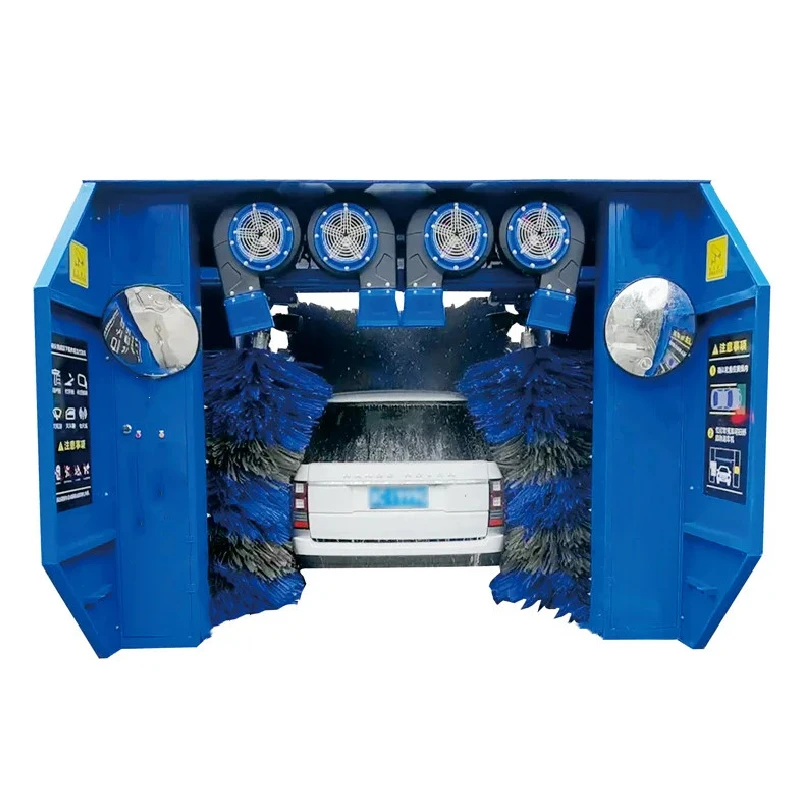
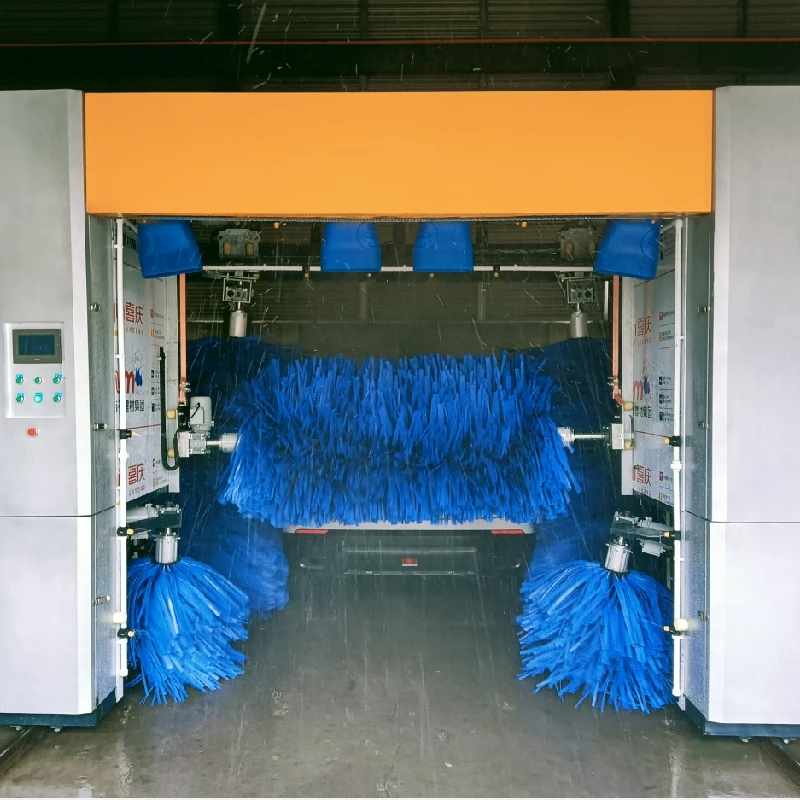
Having spent the better part of a decade working with industrial equipment—particularly in vehicle care and maintenance—I’ve come across a lot of nifty solutions. One that has quietly gained traction over the years is the car wash with water vacuum. It sounds like a simple combo at first glance, right? But, frankly, there’s a lot more engineering finesse packed into these systems than meets the eye.
Let me take you through why this pairing of washing and vacuuming matters, how it's evolved, and what you should really look for when considering an upgrade or installation, especially if you run a commercial car wash or fleet facility.
Why the Integration of Water Vacuum in Car Washes?
Back when I first started, car washes were mostly about the exterior—water, soap, brushes, the whole nine yards. But vehicles generate a surprising amount of interior dirt and moisture too, and that’s often neglected in many setups. A water vacuum integrated into the wash system changes the game. It combines exterior cleaning with real-time extraction of water and mud residues from mats, carpets, and upholstery right after rinsing or shampooing. This cuts downtime for drying and reduces staining.
Honestly, in real terms, this integrated method saves water and time because you're not running separate machines or manual steps. Many engineers I’ve talked to point out it also lowers overall water consumption, since less runoff and spray residue remains inside the vehicle.
Key Specs of a Typical Car Wash with Water Vacuum
| Feature | Specification | Notes |
|---|---|---|
| Vacuum Motor Power | 1200W - 2200W | Variable by model and target vehicle size |
| Water Pump Flow Rate | 15 - 30 liters/min | Ensures efficient rinsing without oversaturation |
| Filtration System | Multi-stage filter with sediment & carbon traps | Improves water recycling and vacuum suction quality |
| Noise Level | 70-75 dB(A) | Comparable to commercial vacuum cleaners, suitable for urban sites |
| Dimensions (L×W×H) | 1.1m × 0.7m × 1.5m | Compact footprint for easy installation |
Vendor Comparison: Choosing the Right System
Of course, not all water vacuum car washes are created equal. I remember once advising a customer torn between two brands. One had better suction but was louder, the other was quieter but pricier. That’s always the tradeoff.
| Feature | Brand A | Brand B | Brand C |
|---|---|---|---|
| Vacuum Motor Power | 1800W | 2200W | 1500W |
| Noise Level (dB) | 72 | 78 | 68 |
| Price | $$$ | $$$$ | $$ |
| Water Recycling | Yes | Advanced system | Basic filtration |
| Warranty | 2 years | 3 years | 1 year |
Real-World Use & Customization
Oddly enough, the best systems I’ve seen always allow a bit of customization—sometimes a larger capacity vacuum for vans or SUVs, other times an adjustable water pressure for delicate finishes. I remember a client in California who tailored his setup to tackle salt stains during winter, and the difference was night and day.
From testing these machines under grime-heavy truckwash conditions to more delicate showroom maintenance, the adaptability is what I appreciate most. Plus, the ease of serviceability really impacts downtime. You definitely want components quickly accessible without specialized tools.
If you’re curious to explore options or get an experienced viewpoint, I suggest checking out car wash with water vacuum products specifically. That brand has some solid models tuned for performance and longevity—something I can personally attest to, having seen their machines in action over several client sites.
Well, I'll wrap this up with a little nugget: investing in a hybrid car wash and vacuum system often pays off faster than you think, especially where quality and efficiency matter. It’s not just about washing—it’s about smart care.
References:
- Johns, T. “Industrial Car Wash Technologies,” CleanFleet Journal, 2022.
- Smith, M. “Optimizing Water Usage in Vehicle Cleaning,” WaterTech Review, 2023.
- DyCarWasher Product Manuals & Customer Testimonials, 2024.
-
Best High Pressure Water Jet for Car Wash and Detailing GuideNewsApr.16,2026
-
Professional High Pressure Water Car Wash Systems GuideNewsApr.09,2026
-
Unlock a Professional Shine with High Pressure Spray Wax TechnologyNewsApr.07,2026
-
Choosing the Right High Pressure Nozzle for Car Wash and DetailingNewsApr.04,2026
-
Choosing the Right High Pressure Car Cleaner for Optimal Vehicle CareNewsMar.31,2026
-
Investing in a High Power Car Washing Machine for Business EfficiencyNewsMar.28,2026