Car Wash With Self Vacuum: Efficient and Convenient Cleaning Systems
Why a car wash with self vacuum is Changing the Industry
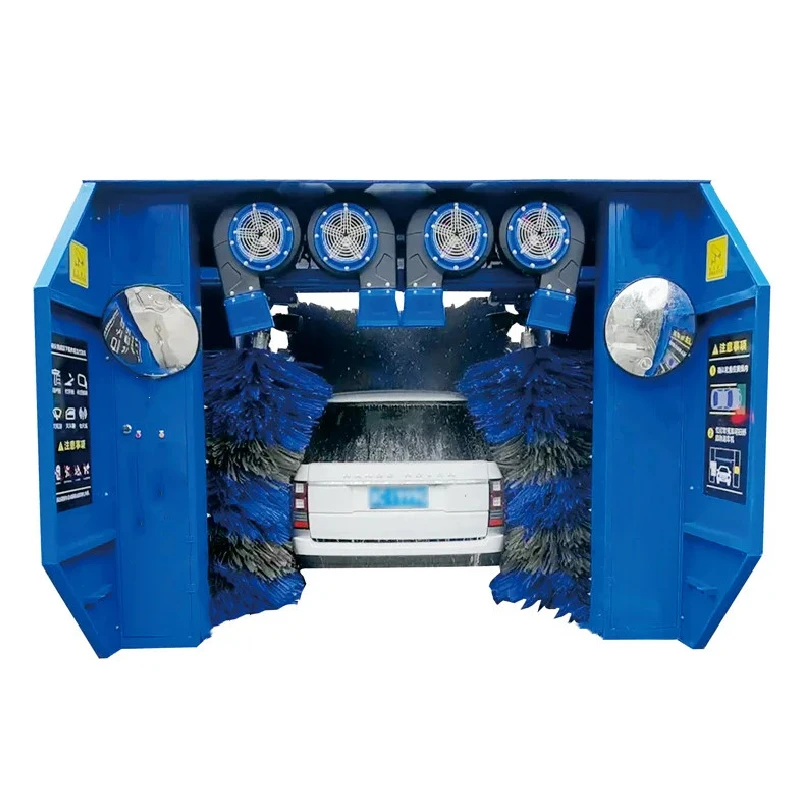
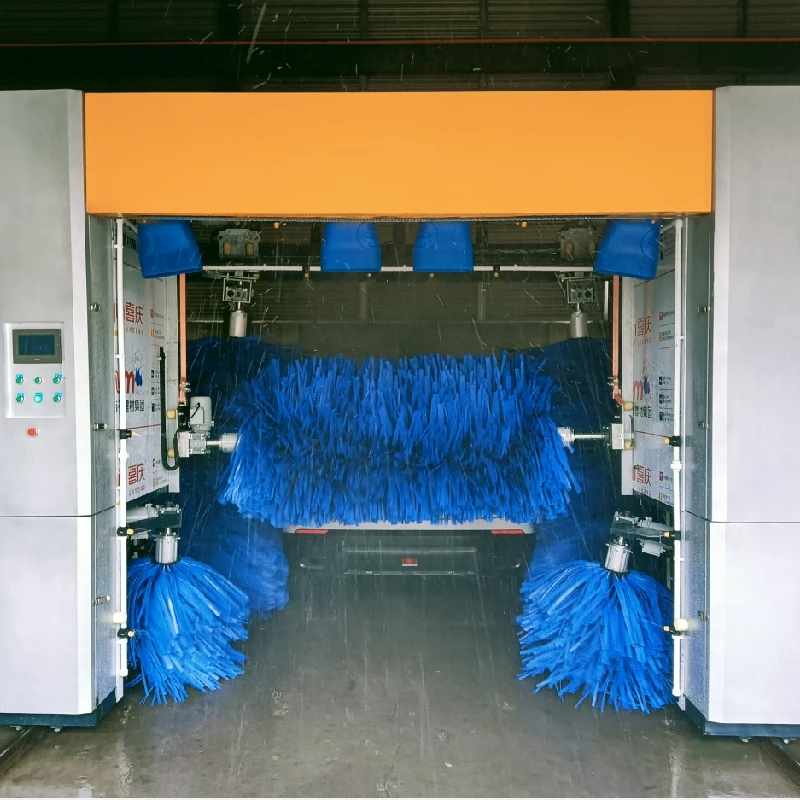
Having spent a good deal of my career diving into industrial equipment—particularly in the automotive cleaning scene—I’ve come to appreciate some technologies more than others. The car wash with self vacuum system, oddly enough, sits at a subtle but impactful crossroads of convenience and efficiency. It’s not just about blasting water and soap anymore; the integrated self vacuum feature is reshaping what customers expect from automated car care.
Back when I first encountered these designs, I remember thinking, “Why bother combining the wash and vacuum?” But then I noticed the smooth customer flow they created: drivers pull in, get the exterior scrubbed, then seamlessly switch to self vacuuming their interiors—all without leaving their vehicles. It feels like the future, honestly.
What Makes These Systems Tick?
In real terms, the magic lies in engineering both components so they complement rather than compete for power and space. The vacuum units are usually mounted directly on or near the washing bays, with powerful motors designed for heavy debris—think sand, leaves, grit—that standard household vacuums can’t handle.
Aggregate materials vary: most vendors use corrosion-resistant stainless steel or durable polymers capable of withstanding frequent exposure to water and cleaning agents. Many engineers I know swear by sealed motors with thermal overload protection, which helps prevent breakdowns given the high operational hours—often 12+ hours per day, seven days a week.
| Feature | Specification |
|---|---|
| Vacuum Motor Power | 1.5 kW – 3 kW |
| Water Pressure (Wash) | 1000 – 1500 PSI |
| Vacuum Hose Length | 5 – 7 meters |
| Materials | Stainless steel & corrosion-resistant polymers |
| Typical Cycle Time (Wash + Vacuum) | 10 - 15 minutes |
Comparing Leading Vendors in the Market
Choosing the right supplier? It’s crucial. I’ve worked alongside several manufacturers, and the right fit depends on your priorities—budget, durability, aftersales service, and yes, the vacuum system specs.
| Vendor | Vacuum Power | Material Quality | Service & Support | Price Range |
|---|---|---|---|---|
| Dy Car Washer | 2.0 kW | Top-grade stainless steel | Excellent, 24/7 support | $$$ |
| CleanPro Systems | 1.8 kW | Polymer & Aluminum | Good, regional service | $$ |
| UltraClean Tech | 3.0 kW (Premium) | Stainless & Reinforced Polymers | Moderate, depends on location | $$$$ |
A Quick Story from the Field
Not long ago, a small owner-operator in the Midwest shared how switching to a car wash with self vacuum system boosted his business dramatically. It wasn’t only the increased throughput but how customers appreciated the cleaner interiors without extra hassle. One guy joked it felt like "getting a car valet without even stepping out," and frankly, I couldn't have said it better myself.
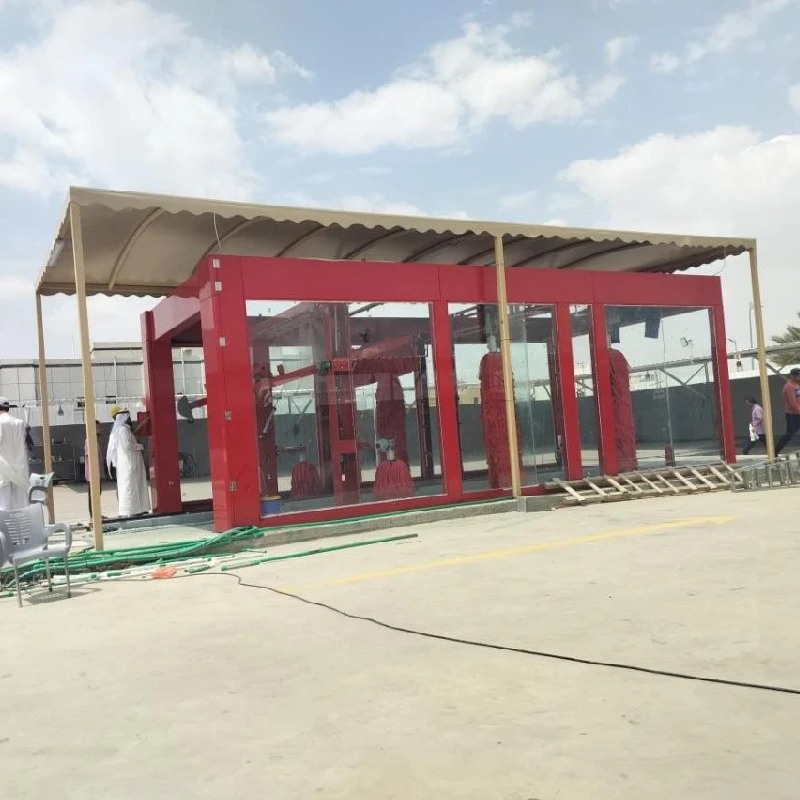
Still, it’s worth noting these systems aren’t entirely plug-and-play. Installation requires some planning: water pressure, electrical capacity, and durable housing for the vacuum units need to be spot on. And, like any industrial gear, regular maintenance pays off. Ignoring hose clogs or motor warnings leads to downtime, and down here, time literally means money.
In the end, if you run or manage a car wash, I’d say investing in a unit with an integrated self vacuum is more than a nice feature—it’s becoming an industry standard. It’s about offering customers a streamlined, higher-value experience that keeps them coming back.
(And yes, I’m a bit biased towards Dy Car Washer – their products combine quality with all the practical details that matter.)
Thinking of upgrading your setup? Take a look into self vacuum car wash systems—trust me, in this sector, they tend to stick around.
References:
1. “Vacuum Motor Durability Studies,” CleanTech Journal, 2023
2. Interview with John M., Car Wash Operator, 2023
3. Industry Standards Report, AutoClean Equipment Association, 2024
-
Best High Pressure Water Jet for Car Wash and Detailing GuideNewsApr.16,2026
-
Professional High Pressure Water Car Wash Systems GuideNewsApr.09,2026
-
Unlock a Professional Shine with High Pressure Spray Wax TechnologyNewsApr.07,2026
-
Choosing the Right High Pressure Nozzle for Car Wash and DetailingNewsApr.04,2026
-
Choosing the Right High Pressure Car Cleaner for Optimal Vehicle CareNewsMar.31,2026
-
Investing in a High Power Car Washing Machine for Business EfficiencyNewsMar.28,2026