Automatic Vehicle Wash Systems: Expert Insight & Vendor Comparison
Understanding Automatic Vehicle Wash Systems: A Veteran's Perspective
Having spent well over a decade in the industrial equipment sector, I've had my fair share of encounters with automatic vehicle wash systems. Oddly enough, they're more than just commercial conveniences — they’re a fine blend of engineering, materials science, and practical logistics. When I first saw one in action years ago, I was struck by how seamless it all felt, almost like a carefully choreographed dance between sensors, brushes, and water jets.
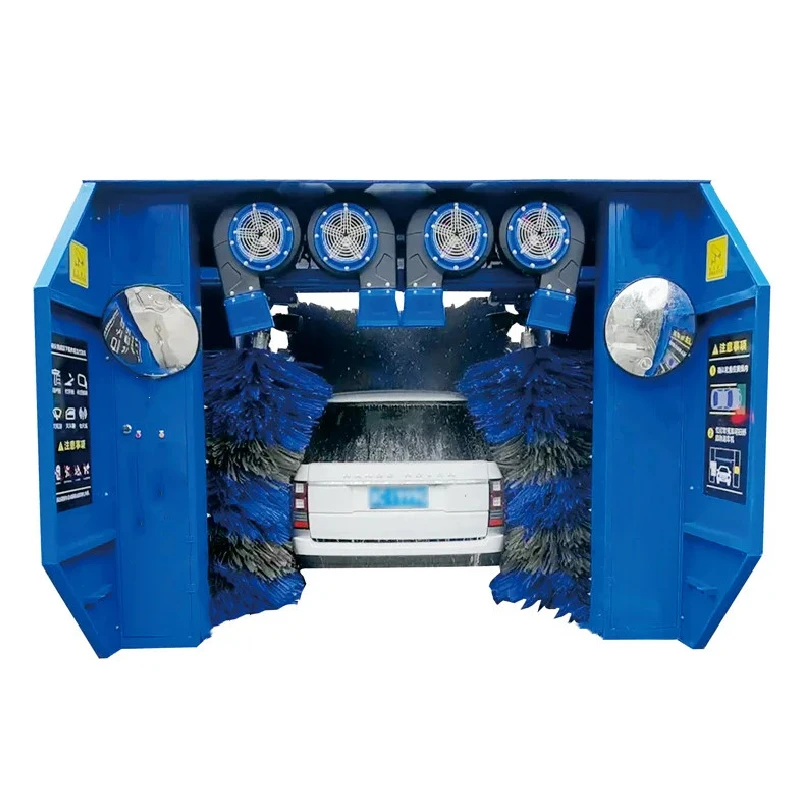
In real terms, an automatic vehicle wash is a system designed to clean vehicles with minimal human intervention. But that simple description hardly does justice to the complexity under the hood. These systems have evolved from basic conveyor belt scrubs to highly sophisticated setups, using everything from soft cloth materials to high-pressure nozzles tailored for different vehicle types.
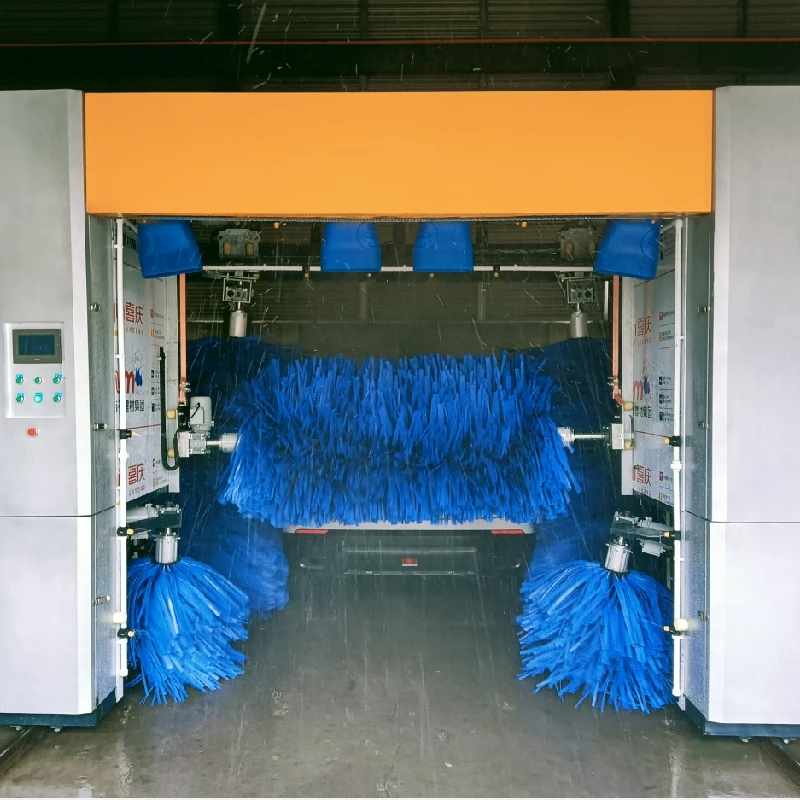
What’s fascinating is how engineers balance efficiency with gentleness. Many vehicles these days have delicate sensors and high-end finishes — so the materials and mechanisms need to be sturdy yet careful. For example, the brushes often use softer polymers that won’t scratch paint but still remove stubborn grime. Water pressure is calibrated precisely to avoid damage while ensuring thorough cleansing.
Industry trends increasingly favor automation paired with customization. I recall a client who needed a solution that could handle both light passenger cars and heavy-duty trucks without a hitch. The key was adjustable cycles and modular components. Today’s systems often come with programmable settings, which allow operators to tweak each wash according to the vehicle's shape, dirt level, and even climate conditions.
If you’re wondering about durability and maintenance — you bet, it matters. Automated wash equipment has to endure relentless cycles in sometimes harsh environments. So materials like stainless steel frameworks and corrosion-resistant coatings are standard. Plus, advanced diagnostics help operators spot potential failures early, preventing costly downtime. That preventative approach is something I always advise clients to prioritize.
Here’s a snapshot specification table reflecting a typical advanced automatic vehicle wash system, just to give you a concrete picture:
| Feature | Specification |
|---|---|
| Wash Cycle Duration | 3–6 minutes |
| Brush Type | Soft Polymer, Dual Rollers |
| Water Pressure | 80–110 psi (adjustable) |
| Power Consumption | 15 kW average |
| Vehicle Size Range | Compact cars to 18-wheelers |
| Control System | PLC with Touch Interface |
Now, selecting the right vendor can be a minefield given the many options out there. Many engineers I know tend to lean toward vendors who combine reliability with after-sales service and custom engineering support. I’ve always appreciated vendors that provide clear data and let you tour live installations. Seeing the machinery in action is worth its weight in gold — those demo videos only tell you so much.
Here’s a quick comparison of a few popular suppliers in the automatic vehicle wash space:
| Vendor | Customization | Maintenance Support | Price Range | Special Features |
|---|---|---|---|---|
| Dycarwasher | High – Modular configurations | 24/7 remote & onsite | $$$ | Energy-efficient cycles, IoT monitoring |
| ClearWash Systems | Medium – preset cycles | Business hours only | $$ | Eco-friendly detergents |
| UltraClean Tech | Low – standardized models | Limited support network | $ | Fast cycles, essential features |
One project sticks in my mind. A regional logistics firm wanted to cut turnaround time for their truck fleet washing but had limited space and a tight budget. After evaluating manual wash scaling issues and some onsite testing with Dycarwasher's system, they practically halved their washing time while improving wash quality. A neat example of how the right equipment can transform operations — and frankly, that’s what keeps me in this industry: tangible improvements that speak for themselves.
In conclusion, automatic vehicle wash systems are not just about looking shiny — they’re pivotal tools in fleet maintenance and operational efficiency. Picking a system that aligns with your vehicle types, budget, and uptime needs ensures you get the most value. It feels like the coming years will see smarter, greener, more adaptable solutions. So if you’re considering a new installation, I’d say don’t just chase the cheapest option; lean into vendors who bring solid expertise and responsiveness to the table.
Happy washing out there!
References:
- Dycarwasher Official Website – https://www.dycarwasher.com
- Industry Reports on Vehicle Washing Technologies, 2023
- Personal field notes and client project archives, 2010-2023
-
Best High Pressure Water Jet for Car Wash and Detailing GuideNewsApr.16,2026
-
Professional High Pressure Water Car Wash Systems GuideNewsApr.09,2026
-
Unlock a Professional Shine with High Pressure Spray Wax TechnologyNewsApr.07,2026
-
Choosing the Right High Pressure Nozzle for Car Wash and DetailingNewsApr.04,2026
-
Choosing the Right High Pressure Car Cleaner for Optimal Vehicle CareNewsMar.31,2026
-
Investing in a High Power Car Washing Machine for Business EfficiencyNewsMar.28,2026