Automotive Washing Machine – Efficient Vehicle Cleaning Solutions
Automotive Washing Machine: The Unsung Hero of Vehicle Maintenance
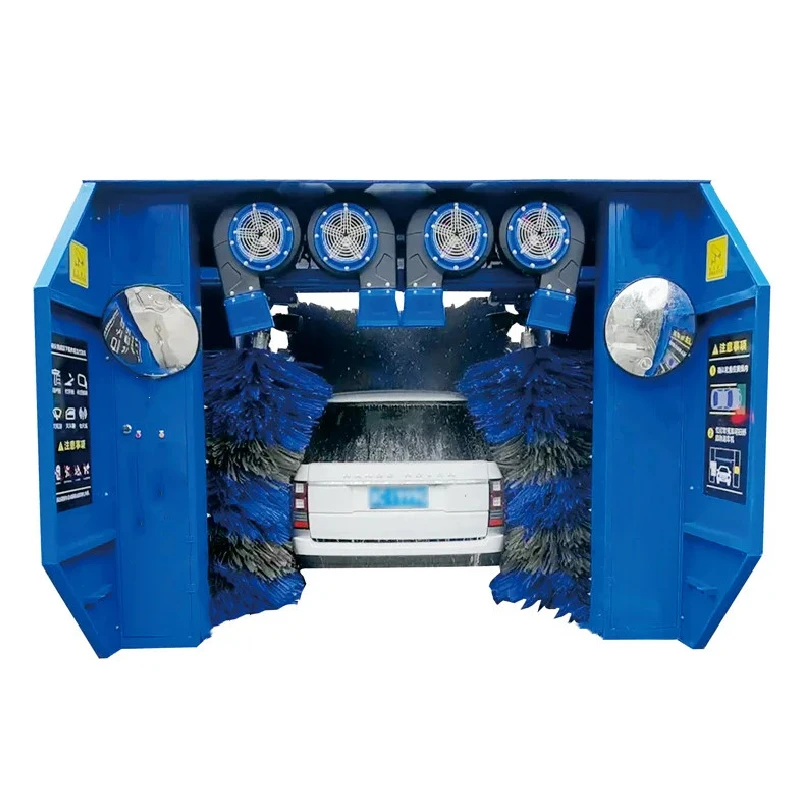
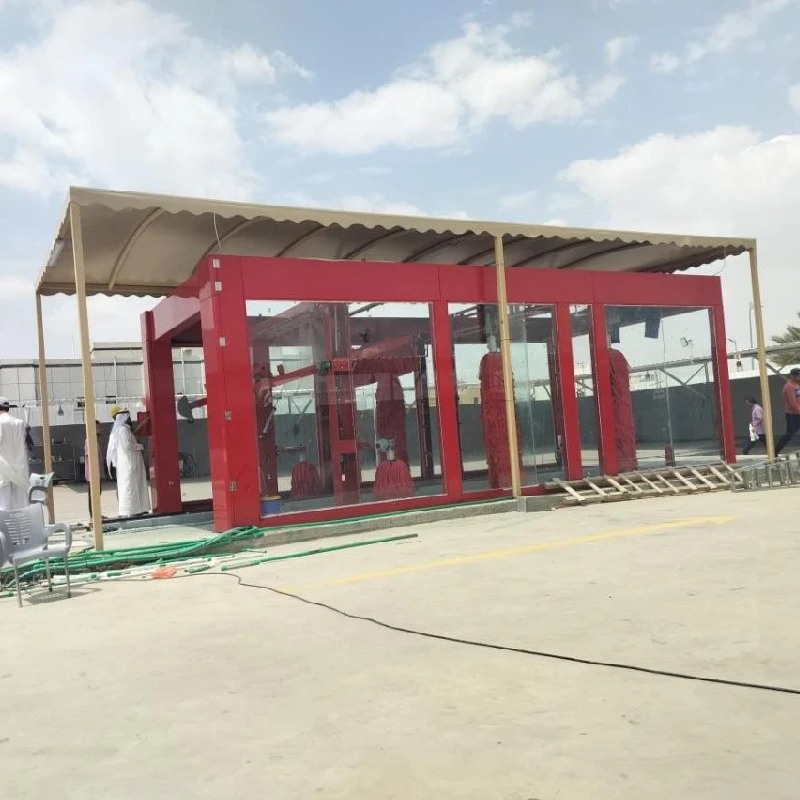
Having spent over a decade in the industrial equipment field, I’ve crossed paths with a variety of tech and machinery. But if there’s one device that I think often flies under the radar—yet plays a crucial role—it’s the automotive washing machine. You know, the kind that quietly dresses up cars, trucks, and fleets before they hit roads or dealerships.
Now, you might be picturing a giant, noisy contraption — and while some models do roar like beasts, many newer ones are impressively gentle, yet effective. In fact, as environmental standards tighten and paint finishes get more delicate, manufacturers have had to innovate washing machines that not only clean thoroughly but also handle vehicles with kid gloves.
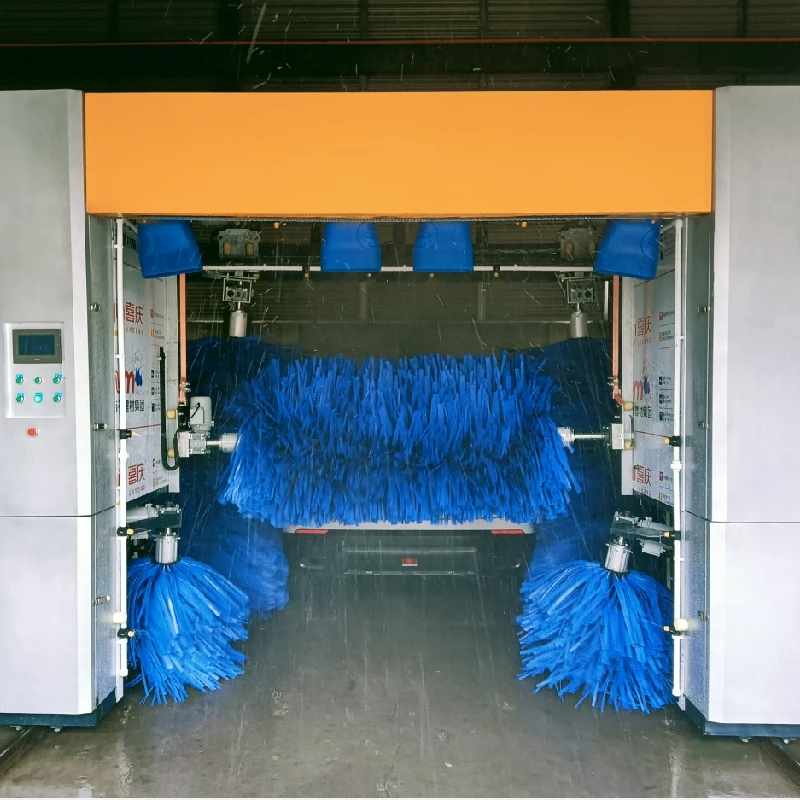
From my experience inspecting production lines, these machines blend high-pressure spray technology with carefully calibrated detergents to tackle grime yet avoid damage. Oddly enough, many engineers say the real skill isn’t just about power but about precision — controlling water flow, temperature, and brush softness. It’s sort of like a spa treatment for vehicles, but industrial-grade, of course.
When selecting an automotive washing machine, key factors always crop up: size, capacity, energy use, and automation level. Frankly, in busy garages or commercial fleets, time equals money — so machines that speed up the cycle without sacrificing quality tend to get the nod. Plus, customization is huge. I once saw a machine with adjustable spray patterns to suit different vehicle types, from compact cars to heavy-duty trucks—pretty neat.
Here’s a quick specs rundown that might help if you’re considering an investment:
| Feature | Specification |
|---|---|
| Cycle Time | 5 - 8 minutes |
| Water Consumption | 50 - 80 liters per cycle |
| Power Requirement | 220V / 3 Phase |
| Brush Type | Soft nylon bristles with anti-scratch coating |
| Automation Level | Semi to fully automatic |
Over the years, I’ve chatted with various suppliers and it’s clear each brand tries to tweak designs to gain some edge. Let’s look at how some popular vendors stack up:
| Vendor | Cycle Efficiency | Water Saving Tech | Robustness | Price Range |
|---|---|---|---|---|
| Dycar Washer | High | Advanced recycling system | Very durable steel frame | $$$ |
| AquaClean Pro | Medium | Standard filters | Good | $$ |
| SpeedWash Auto | High | Basic recycling | Moderate | $ |
A memorable case from my past involves a regional delivery fleet that upgraded their car washers to a newer automotive washing machine. They reported a significant drop in water usage and faster turnaround times, which seriously helped during peak seasons. Plus, drivers appreciated their vehicles stayed spotless without any surface micro-scratches that older machines sometimes caused.
At the end of the day, picking the right automotive washing machine boils down to your specific operational needs, environment, and budget. But I’ve learned it’s worth investing in quality and the right tech — because clean vehicles just make a better impression, and honestly, improve longevity too.
If you’ve ever worked with automotive washers, you’d understand how much subtle engineering goes on behind that soapy curtain.
Safe to say, as vehicle designs evolve, the washing machines that serve them need to keep pace. And that, my friends, is where innovation keeps rolling.
References:
1. Industry Insights on Automotive Washing Tech, Auto Maintenance Journal, 2023.
2. Water Efficiency Trends in Vehicle Cleaning Equipment, GreenTech Reports, 2022.
3. Customer Case Studies, Dycar Washer Official Website.
-
Best High Pressure Water Jet for Car Wash and Detailing GuideNewsApr.16,2026
-
Professional High Pressure Water Car Wash Systems GuideNewsApr.09,2026
-
Unlock a Professional Shine with High Pressure Spray Wax TechnologyNewsApr.07,2026
-
Choosing the Right High Pressure Nozzle for Car Wash and DetailingNewsApr.04,2026
-
Choosing the Right High Pressure Car Cleaner for Optimal Vehicle CareNewsMar.31,2026
-
Investing in a High Power Car Washing Machine for Business EfficiencyNewsMar.28,2026