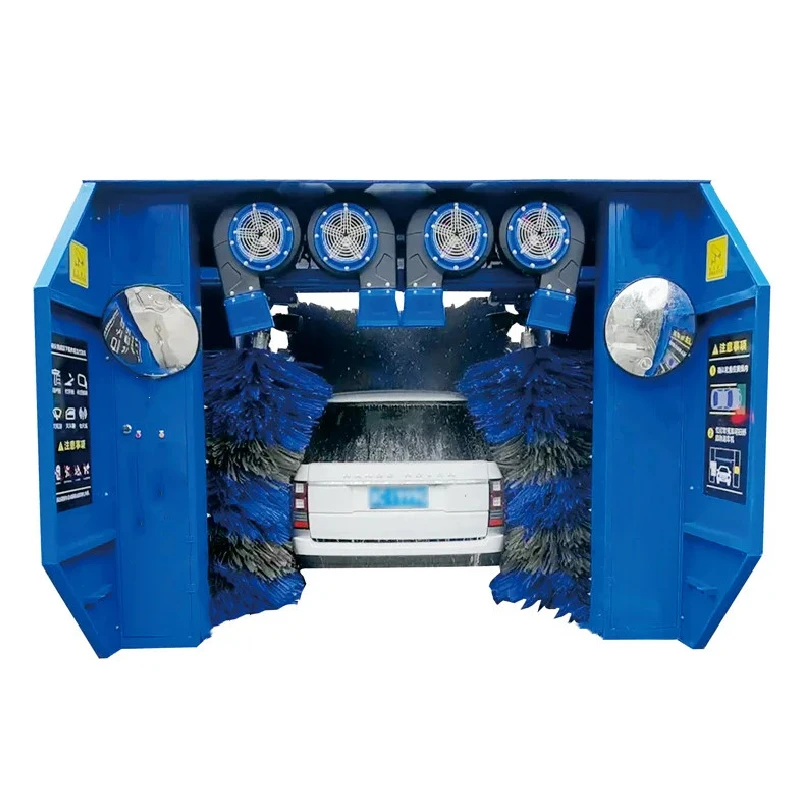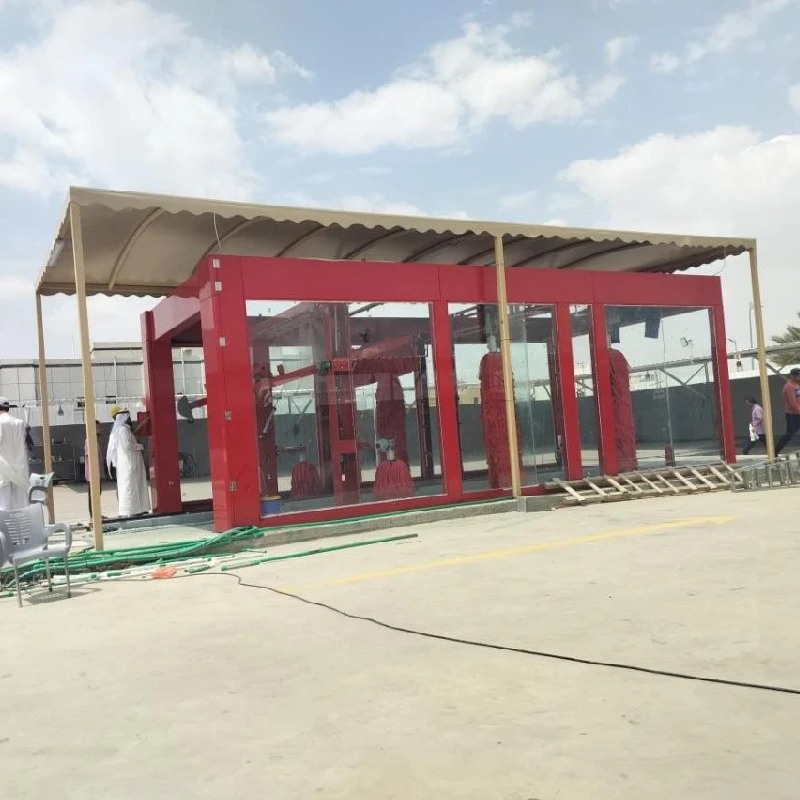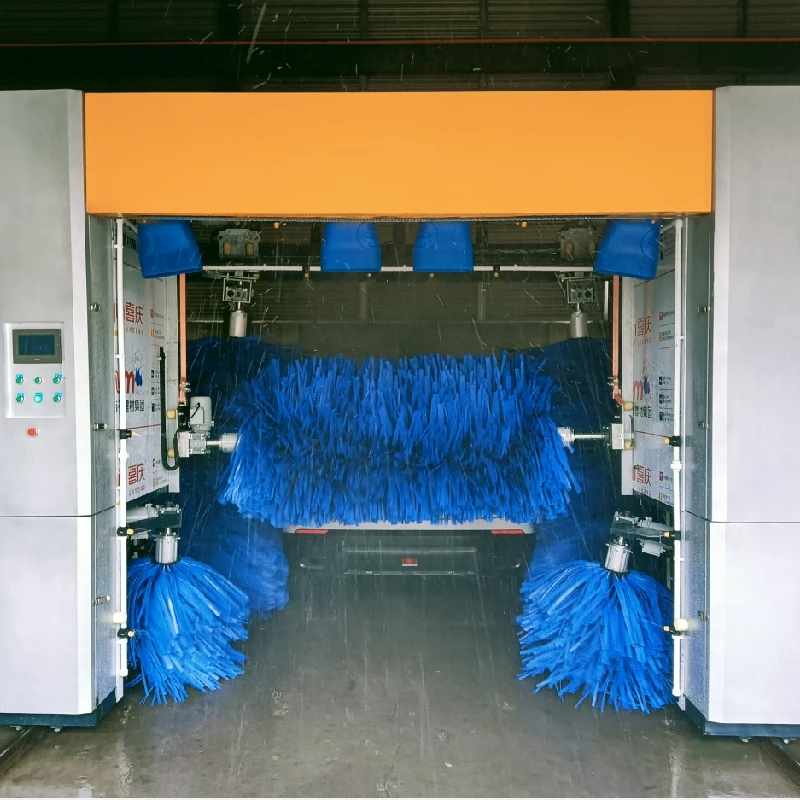
Reliable Carwash Equipment for Durable & Efficient Performance
Carwash Equipment: A Practical Look at What Works Best
Having spent over a decade in the industrial equipment space, I can tell you that choosing the right carwash equipment isn’t just about flashy specs or the newest tech buzzwords. It’s about reliability, efficiency, and, frankly, understanding the daily grind operators face.
Over the years, I've worked alongside engineers, installers, even operators who swear by particular designs because they “just hold up.” That kind of real-world feedback is gold. You see, many manufacturers talk about “high-pressure pumps here” or “water recycling there” — and sure, those are important. But from where I stand, the build quality and ease of maintenance are just as critical.
Oddly enough, some of the best carwash machines I’ve seen combine rugged materials with smart automation in a way that feels intuitive rather than flashy. Stainless steel frames, quality seals, reliable motors — these aren’t the sort of specs that make headlines, but they’re the backbone of long-term uptime.
| Specification | Details |
|---|---|
| Wash Type | Automatic, Tunnel |
| Pressure Range | 80-120 psi adjustable |
| Pump Type | Industrial-grade centrifugal |
| Material | 304 Stainless steel frame & components |
| Water Consumption | 12-15 gallons per wash |
| Energy Source | Electric motor with variable frequency drive |
One thing that often gets overlooked: testing environments. I remember visiting a carwash facility where the equipment was pushed through some pretty grueling cycles before anyone even thought about deployment. That sort of field testing? It separates the good from the overhyped. The engineers involved were meticulous — one even told me some models had to go through months of wear-and-tear simulation before the “go” signal.
Speaking of which, here’s a quick comparison of notable carwash equipment vendors I’ve encountered — obviously, this isn’t exhaustive, but it might give you a ballpark if you’re in the research phase:
| Vendor | Durability | Customization | Ease of Maintenance | Price Range |
|---|---|---|---|---|
| Dycar Washer | High — robust steel and tech tested | Moderate, tailored packages available | Accessible components, modular design | $$$ |
| WashTech Industries | Medium — solid but lighter materials | High — many optional add-ons | Average — requires specialist tools | $$ |
| ClearWash Solutions | High — corrosion-resistant parts | Low — standard models only | Good — quick access panels | $$$ |
Now, I should mention a recent visit I made to a medium-sized carwash operation that switched to carwash equipment from Dycar Washer. Operators there mentioned fewer breakdowns and quicker setup for new wash cycles — a nice relief when every minute counts. Sometimes, it’s these incremental wins that really add up.
In real terms, whatever equipment you pick, don’t skimp on inspections or maintenance training. I noticed clients who did often saw longer equipment life. Kind of obvious, but it bears repeating. And trust me, tech specs like “adjustable pressure” or “eco-friendly detergent cycles” don’t mean much if the team can’t operate the machine properly.
So, whether you’re starting fresh or upgrading, my advice is to look for robust construction and verify vendor support. If you combine that with regular upkeep, you’re set for years of smooth operation.
To wrap up: carwash equipment is more than just pumps and brushes — it’s a blend of smart design, durable materials, and real-world usability. And sometimes, those less glamourous details make all the difference on the job.
— Your industrial equipment insider.
References:
- Industry interviews with carwash facility managers, 2021-2023
- Technical manuals and field testing reports, Dycar Washer (https://www.dycarwasher.com)
- "Industrial Equipment Durability and Maintenance," Journal of Applied Engineering, 2022
-
Best High Pressure Water Jet for Car Wash and Detailing GuideNewsApr.16,2026
-
Professional High Pressure Water Car Wash Systems GuideNewsApr.09,2026
-
Unlock a Professional Shine with High Pressure Spray Wax TechnologyNewsApr.07,2026
-
Choosing the Right High Pressure Nozzle for Car Wash and DetailingNewsApr.04,2026
-
Choosing the Right High Pressure Car Cleaner for Optimal Vehicle CareNewsMar.31,2026
-
Investing in a High Power Car Washing Machine for Business EfficiencyNewsMar.28,2026