Reliable Car Wash Equipment Installers | Expert Guide & Comparisons
Choosing the Right car wash equipment installers for Your Business
Having spent over a decade around industrial equipment — not just tinkering but actually overseeing installations on-site — I’ve developed a sort of sixth sense about what makes a good car wash equipment installer. It might sound odd, but in real terms, this isn’t just about who can mount machines quickly. There’s a surprising amount of craft and engineering savvy behind a proper install that lasts and performs smoothly.
Let me toss in a small anecdote: One of my clients switched installers mid-project after getting burnt by rushed setups that led to recurring leaks and downtime. The next installer, who took a more methodical approach, saved them not only money but a fair bit of headache. That experience really underscored how crucial it is to vet these experts carefully, beyond just price tags or promises.
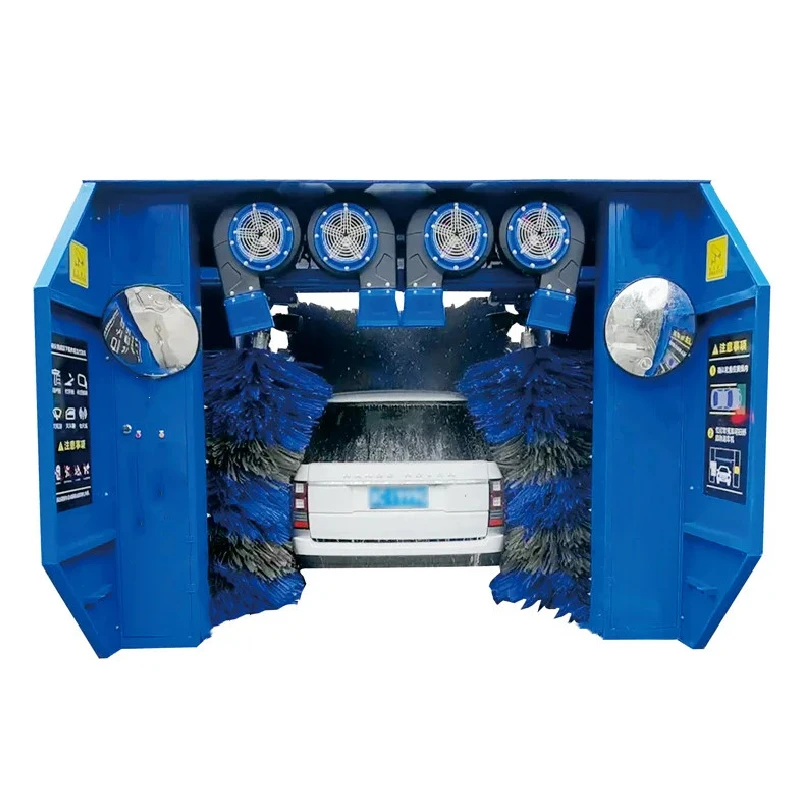
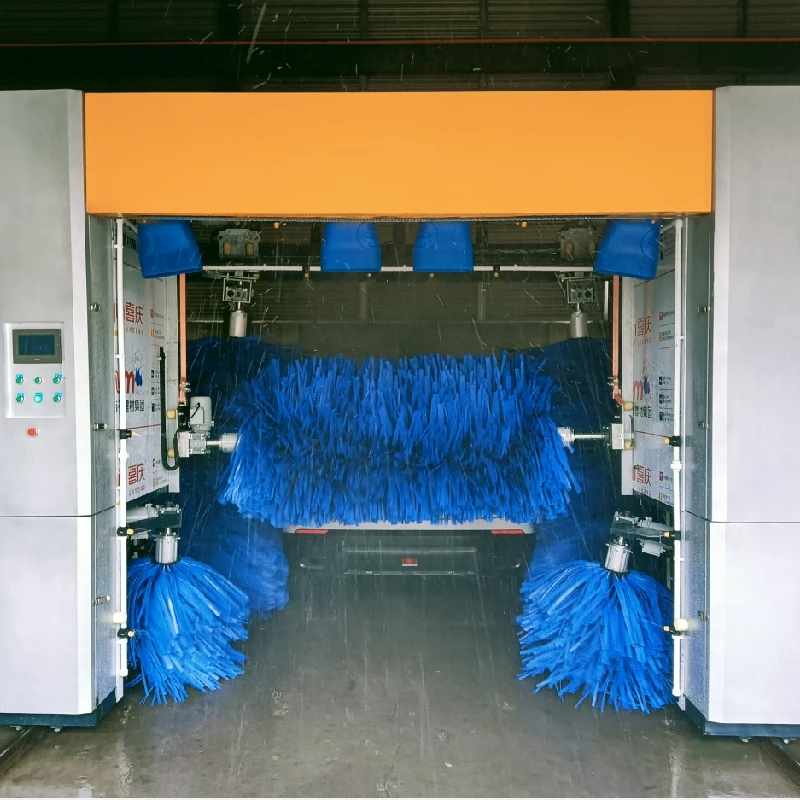
Now, if you’re scouting for car wash equipment installers, you want someone who understands the nuances of different systems — from tunnel-style to touchless washes — and can adapt as you customize your setup. Many installers come with general plumbing or electrical experience, but sealing the deal is finding those who know the ins and outs of car wash-specific components.
Material choice and testing reign supreme here. The best installers work with equipment made of high-grade stainless steel or durable polymers to resist corrosion — especially important considering constant exposure to water and chemicals. I’ve noticed that those who test fit and adjust mounts before final hookup tend to cut down on post-installation fixes.
Product Specifications: Typical Car Wash System Components
| Component | Material | Typical Lifespan | Maintenance Frequency |
|---|---|---|---|
| High-Pressure Nozzles | Stainless Steel | 5–7 years | Monthly cleanings |
| Brush Assemblies | Soft Nylon / Polypropylene | 3–5 years | Quarterly checks |
| Water Pumps | Cast Iron with Coated Impellers | 8–10 years | Semi-annual servicing |
| Chemical Injectors | Industrial Grade Plastic | 4–6 years | Monthly calibration |
Don’t underestimate the subtle know-how around integration and testing protocols. Many engineers I’ve spoken with say the secret sauce lies in patiently verifying each subsystem under working conditions — because, frankly, a well-assembled piece can fall apart if not calibrated properly on-site.
Comparing Leading Car Wash Equipment Installers
| Installer | Specialization | Years Experience | Typical Project Size | Customer Feedback |
|---|---|---|---|---|
| DyCar Washer Installers | Tunnel & Touchless Systems | 15+ | Mid-Large scale commercial | Highly rated, dependable |
| ClearFlow Equipment | Automated Self-Service Systems | 10+ | Small to medium units | Good, flexible |
| BrightWash Systems | Custom Modular Installations | 20+ | Large-scale complex projects | Excellent but pricey |
What I find reassuring is that today’s installers are also more proactive about sustainable practices — reclaiming water, using eco-friendly chemicals, and employing energy-efficient pumps. It’s not just a trend, but smart engineering meeting environmental responsibility.
Ultimately, the best installer is as much a partner as a contractor. They should help you understand the nuances of your system’s design and upkeep. If you get that, you’re already ahead.
In my experience, companies like DyCar Washer stand out because they combine deep expertise with straightforward service — no fluff, just results. If you’re ready to get your hands on genuinely reliable installs, they’re worth a look.
Feel free to dig into industry forums and ask around; there’s no substitute for direct feedback when selecting car wash equipment installers. And hey, it always pays to invest a little extra time up front to avoid “surprise” repairs down the road.
Key takeaway: Installation quality shapes every drop of your car wash’s performance — so choose experience, precision, and commitment, not just speed.
- Industry interviews and firsthand project oversight, 2010–2023.
- Material durability studies published by the International Car Wash Association.
- Customer reviews aggregated from trade publications and direct client feedback.
-
Best High Pressure Water Jet for Car Wash and Detailing GuideNewsApr.16,2026
-
Professional High Pressure Water Car Wash Systems GuideNewsApr.09,2026
-
Unlock a Professional Shine with High Pressure Spray Wax TechnologyNewsApr.07,2026
-
Choosing the Right High Pressure Nozzle for Car Wash and DetailingNewsApr.04,2026
-
Choosing the Right High Pressure Car Cleaner for Optimal Vehicle CareNewsMar.31,2026
-
Investing in a High Power Car Washing Machine for Business EfficiencyNewsMar.28,2026