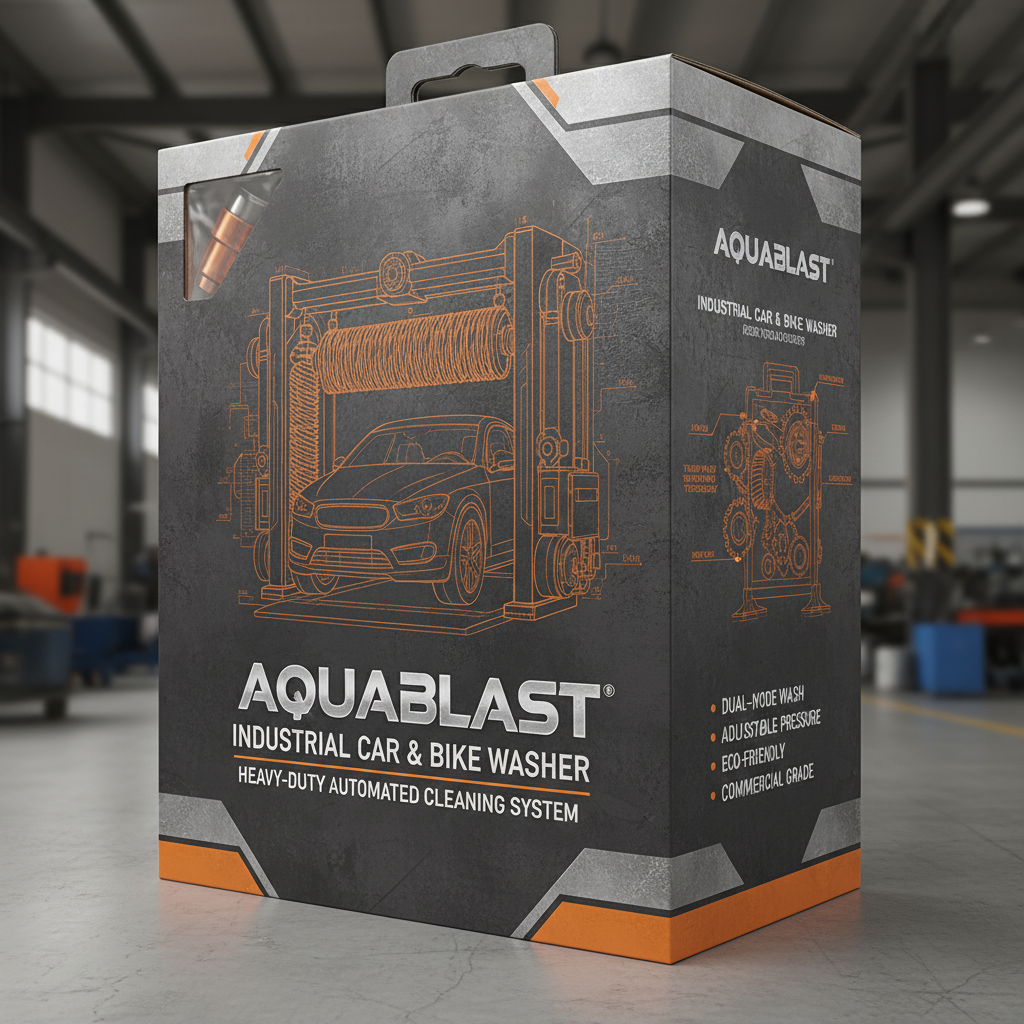
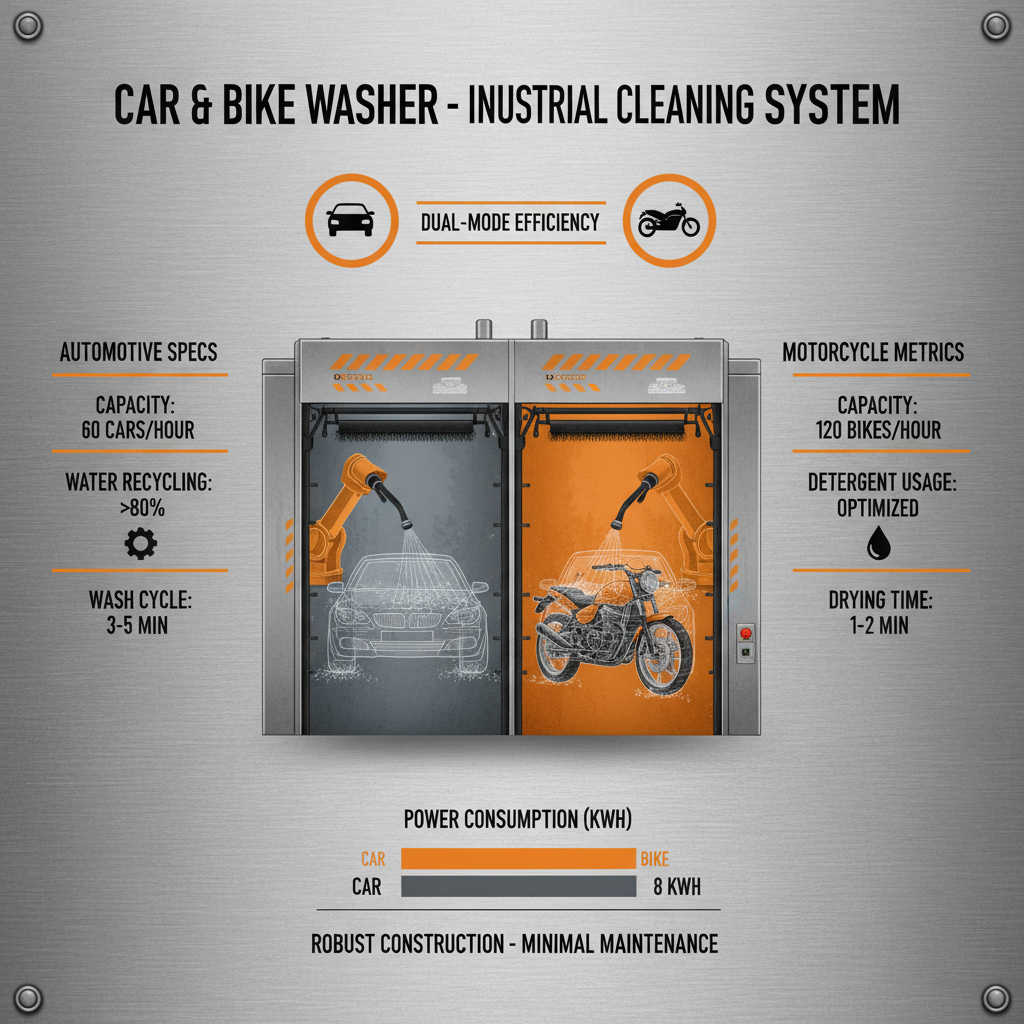
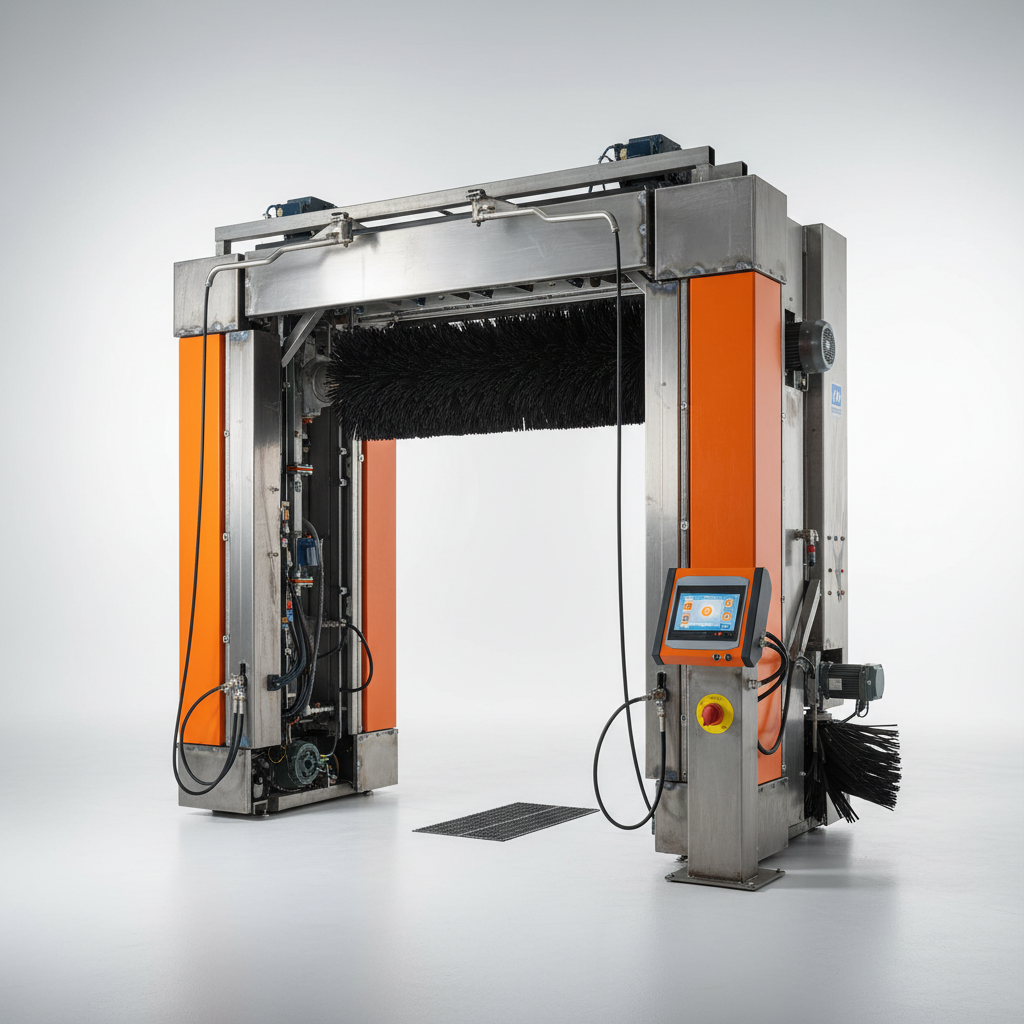
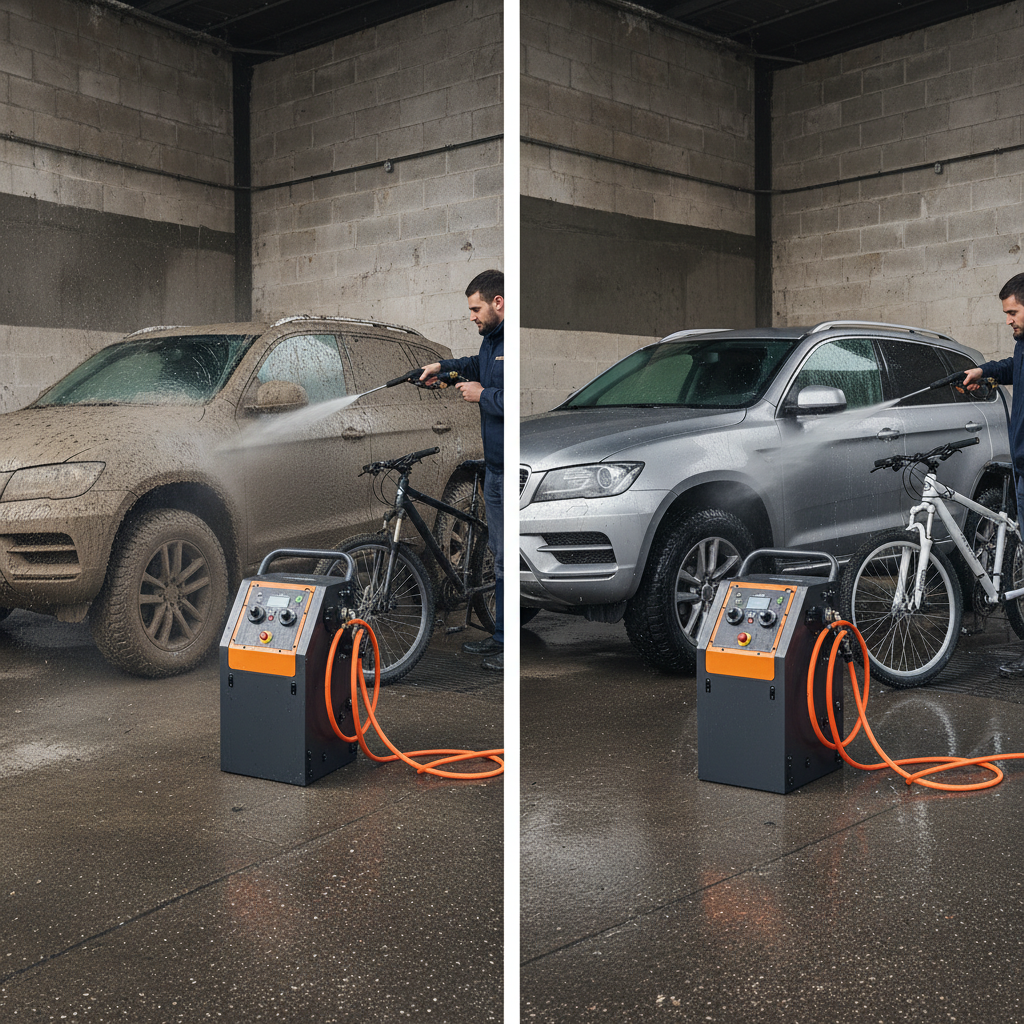
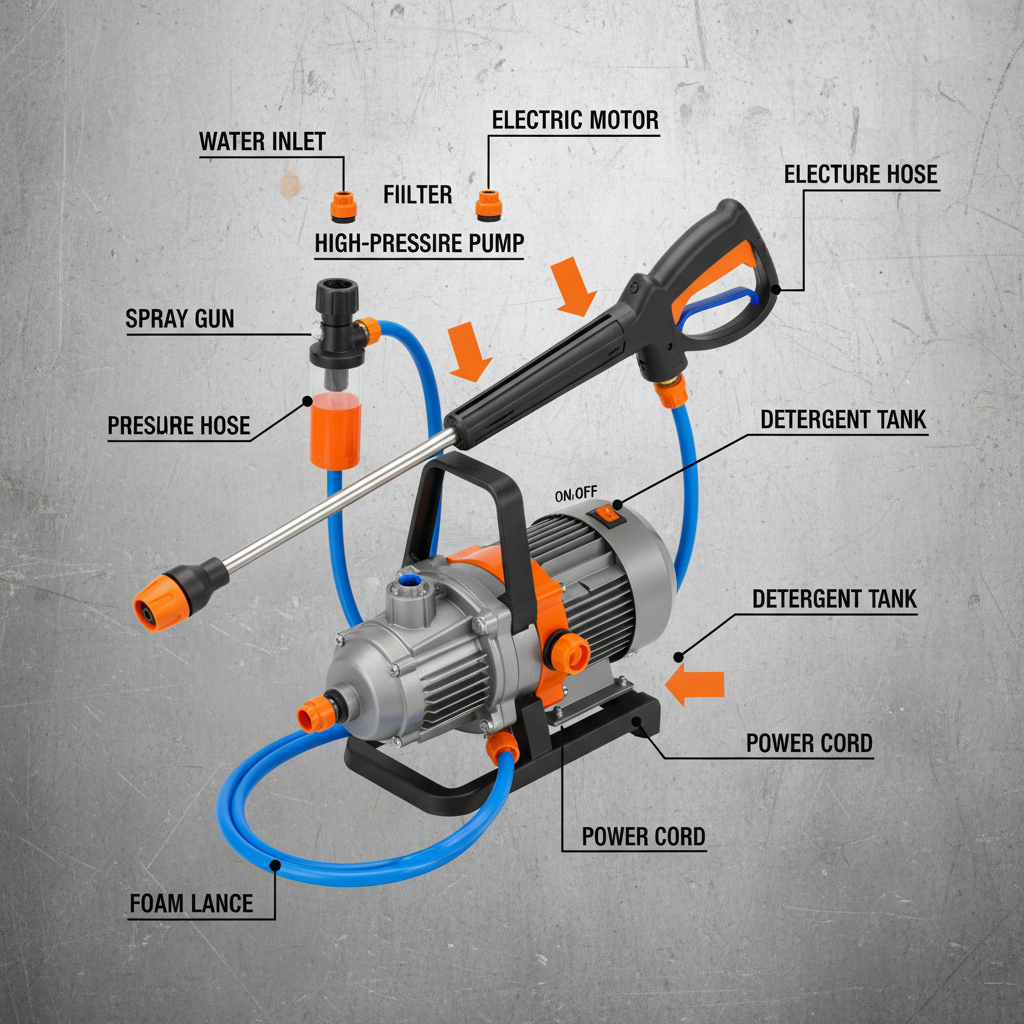
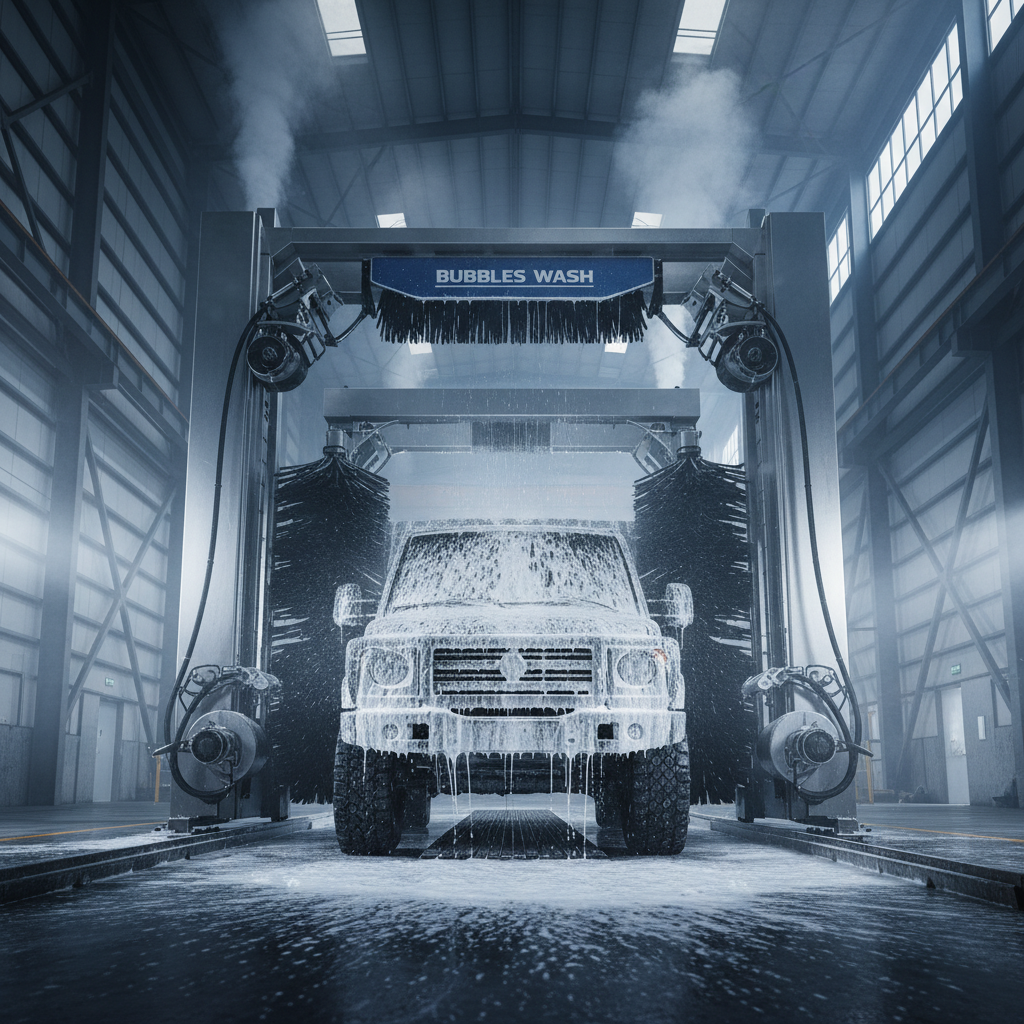
Maintaining a vehicle's aesthetic and mechanical integrity is a global priority for millions of motorists and cycling enthusiasts. The emergence of the professional car and bike washer has revolutionized how we approach cleaning, moving away from wasteful garden hoses toward precision-engineered systems that balance power with resource conservation. By integrating high-pressure technology with specialized nozzles, these machines ensure that every nook and cranny of a vehicle is cleared of contaminants without damaging sensitive surfaces.
From an industrial perspective, the shift toward automated and semi-automated cleaning solutions reflects a broader trend in environmental protection and urban sustainability. Modern car and bike washer systems are no longer just about removing dirt; they are designed to minimize water runoff and chemical leaching into groundwater. This evolution is critical as cities worldwide implement stricter regulations on wastewater management and ecological preservation.
Understanding the nuances of choosing the right cleaning equipment allows users to extend the lifespan of their vehicle's paint and components. Whether it is a high-volume commercial bay or a compact home unit, the right car and bike washer provides the necessary torque and pressure to tackle road grime and industrial fallout. This guide explores the technical dimensions, global applications, and future innovations of these essential tools.
Global Relevance and Industry Context of Vehicle Washing
The global demand for a reliable car and bike washer has surged as urban populations increase and the ownership of personal transport rises. According to environmental standards aligned with ISO 14001, the industrial cleaning sector is under pressure to reduce the "water footprint" of vehicle maintenance. Traditional washing methods often waste hundreds of liters of water per vehicle, whereas modern engineered systems can reduce this by up to 70% through high-pressure atomization.
This industry context is further complicated by the variety of vehicles on the road, from heavy-duty SUVs to lightweight carbon-fiber bicycles. The challenge lies in creating a versatile system that can deliver enough pressure to strip mud from a mountain bike's drivetrain without stripping the clear coat from a luxury sedan. This delicate balance of power and precision is what drives the current innovation in the specialized equipment manufacturing sector.
Defining the Modern Car and Bike Washer
In simple technical terms, a car and bike washer is a specialized pressure-cleaning apparatus designed to eject water and cleaning agents at high velocities to remove debris from automotive and cycling surfaces. Unlike generic pressure washers, these machines are optimized for "surface-sensitive cleaning," meaning they often feature adjustable pressure settings and specialized nozzles that prevent the mechanical etching of paint or the displacement of delicate bearings.
The connection to modern industry is profound, as these machines integrate fluid dynamics with electrical engineering. In the context of environmental protection equipment, these washers often incorporate filtration systems that capture oils, waxes, and heavy metals before the water enters the sewage system. This makes the modern washer not just a cleaning tool, but a critical piece of ecological infrastructure for urban centers.
Furthermore, the humanitarian and economic need for efficient cleaning is evident in the logistics and delivery sectors. With the rise of e-commerce, the fleets of delivery bikes and vans require constant maintenance to maintain corporate branding and operational safety. A robust car and bike washer ensures that these fleets remain in top condition with minimal downtime and maximum resource efficiency.
Core Components for Maximum Performance
The heart of any professional car and bike washer is its pump mechanism. Whether utilizing a plunger pump or an axial pump, the ability to maintain constant pressure is what separates commercial-grade equipment from consumer toys. High-grade stainless steel or brass components are typically used to prevent corrosion from the detergents and minerals found in local water supplies.
Durability and Scalability are the pillars of industrial design. A high-performance car and bike washer must be able to operate for several hours a day without overheating, necessitating advanced cooling systems and thermal overload protection. Scalability allows a business to start with a single-bay setup and expand to a multi-vehicle operation without replacing the core infrastructure.
Finally, the nozzle technology plays a pivotal role in cost efficiency. By using "fan" or "turbo" nozzles, a car and bike washer can maximize the coverage area per liter of water. This reduction in water consumption directly lowers operational costs and aligns the business with global "green" initiatives, providing a competitive edge in the modern market.
Efficiency Metrics in Cleaning Technology
To evaluate the performance of a car and bike washer, one must look beyond simple PSI (pounds per square inch). The real metric of efficiency is the GPM (gallons per minute) combined with the impact force. A high-pressure but low-flow machine might be great for detail work but inefficient for washing a fleet of muddy mountain bikes, where volume is needed to flush away grit.
Comparing different methodologies allows us to see which systems offer the best ROI. For instance, steam-integrated washers offer superior degreasing capabilities for bike chains but may have a higher initial energy cost than traditional cold-water high-pressure systems. The following data illustrates the performance ratings of various cleaning approaches.
Comparative Performance of Car and Bike Washer Methods
Real-World Applications and Global Use Cases
The application of a professional car and bike washer extends far beyond the local car wash. In Europe, where cycling infrastructure is highly developed, municipal "bike wash stations" have become common in city centers. These stations use automated, low-pressure systems to ensure that commuters can maintain their vehicles without risking damage to electronic shifting components or hydraulic brakes.
In industrial zones, such as the mining regions of Australia or the oil fields of Canada, the car and bike washer is a vital tool for safety. Removing corrosive salts and industrial sludge from fleet vehicles prevents premature chassis failure and reduces the risk of road accidents caused by obscured visibility. Here, the focus shifts from aesthetics to structural preservation and occupational health.
Long-Term Value and Sustainability Benefits
Investing in a high-quality car and bike washer provides tangible long-term economic value. By eliminating the need for expensive outsourced cleaning services, businesses can realize a full return on investment within the first year of operation. Moreover, the precision of these machines reduces the amount of abrasive scrubbing required, which preserves the vehicle's paintwork and maintains its resale value over time.
From a sustainability angle, the integration of water reclamation systems transforms the car and bike washer into an eco-friendly asset. Systems that can filter and reuse up to 90% of their water significantly lower the environmental impact, especially in water-scarce regions. This commitment to "Green Cleaning" not only satisfies regulatory requirements but also builds brand trust among environmentally conscious consumers.
Beyond the logic of cost and ecology, there is an emotional value in ownership. The pride of a well-maintained vehicle fosters a culture of care and discipline. Whether it is a professional athlete maintaining a racing bike or a car enthusiast polishing a vintage classic, the reliability of the equipment used creates a sense of trust and professional satisfaction that cannot be quantified by spreadsheets alone.
Future Trends in Automated Cleaning Systems
The future of the car and bike washer is undeniably tied to the digital transformation of the industry. We are seeing the rise of "Smart Wash" systems that use AI-driven sensors to detect the level of grime on a vehicle and automatically adjust the water pressure and detergent concentration. This prevents over-washing and further reduces resource waste, optimizing every single drop of water.
Additionally, the shift toward green energy is leading to the development of solar-powered washers for remote areas. Imagine a car and bike washer installed at a remote trailhead or a desert outpost, operating entirely on renewable energy and atmospheric water generators. This autonomy is the next frontier in specialized equipment manufacturing, breaking the dependency on traditional power grids.
Materials science is also evolving, with the introduction of graphene-coated pumps and biodegradable, nano-encapsulated cleaning agents. These innovations ensure that the car and bike washer remains effective while becoming entirely non-toxic. The following table summarizes the trajectory of these innovations across key dimensions.
Evolutionary Analysis of Car and Bike Washer Technologies
| Technology Era |
Water Efficiency |
Control Level |
Eco-Impact Score (1-10) |
| Manual Hose Era |
Very Low |
None |
2 |
| Standard Pressure |
Moderate |
Basic Pressure Valve |
5 |
| Industrial Recycler |
High |
Programmed Cycles |
8 |
| AI-Sensing Washer |
Very High |
Real-time Adaptive |
9 |
| Solar-Autonomous |
Maximum |
Cloud-Connected |
10 |
| Nano-Bio Systems |
Optimized |
Molecular Control |
10 |
FAQS
Yes, if used incorrectly. Directing a high-pressure stream into the hub, bottom bracket, or headset can force water and lubricants out of the bearings. To prevent this, use a car and bike washer with adjustable pressure settings and keep the nozzle at a safe distance (about 30cm) from critical mechanical joints.
Absolutely. A standard garden hose can use up to 10-20 gallons per minute, much of which is wasted. A professional car and bike washer uses high pressure to break the bond between dirt and surface, requiring significantly less water volume to achieve a superior clean, often reducing water use by over 60%.
For paintwork, a "fan" nozzle (usually 25 or 40 degrees) is recommended. This spreads the pressure across a wider area, reducing the risk of "striping" or etching the clear coat. Always test the spray on a hidden area first to ensure the car and bike washer is set to a safe pressure level.
If you are cleaning multiple vehicles daily, a commercial-grade car and bike washer is essential. Consumer models are not designed for continuous duty and can overheat. Commercial units offer better durability, higher GPM, and the ability to handle tougher industrial grime without failing.
Regular maintenance is key. This includes flushing the system after use to remove mineral deposits, checking oil levels in the pump, and replacing worn-out O-rings. Using a water softener or filter before the water enters the car and bike washer can drastically extend the life of the internal seals.
Yes, many modern car and bike washer systems are compatible with pH-neutral, biodegradable soaps. These agents effectively lift dirt without harming the environment or stripping the protective wax and sealant from your vehicle's surface.
Conclusion
The integration of a professional car and bike washer into your maintenance routine represents a critical intersection of efficiency, vehicle longevity, and environmental stewardship. By moving from primitive cleaning methods to engineered systems, we not only preserve the value of our assets but also significantly reduce the ecological burden of wastewater and chemical runoff. The journey from simple pressure tools to AI-driven, solar-powered systems highlights a commitment to a sustainable future in the automotive and cycling industries.
As we look forward, the adoption of smart-sensing technology and green energy will continue to redefine the standards of vehicle care. Whether you are an industrial fleet manager or a passionate enthusiast, investing in high-quality cleaning equipment is a strategic move toward operational excellence. To discover the best solutions for your specific needs, we invite you to explore our professional range. Visit our website: www.dycarwasher.com