The maintenance of automotive energy storage systems has evolved from simple cleaning to a precise industrial process, where the car battery washer plays a pivotal role. In the modern automotive ecosystem, ensuring that battery terminals and casings are free from corrosive acids, dust, and oxidation is not merely about aesthetics but about ensuring electrical conductivity and longevity.
Globally, the shift toward hybrid and electric vehicles has increased the complexity of battery maintenance. A professional-grade car battery washer provides a standardized method to remove contaminants without damaging sensitive electronic components, thereby reducing the risk of premature battery failure and unexpected vehicle breakdowns.
Understanding the technical nuances of these washing systems allows workshop managers and industrial manufacturers to optimize their throughput and safety standards. By integrating advanced cleaning technology, businesses can ensure that every battery unit meets rigorous quality control benchmarks before installation or reuse in the secondary market.
Global Industry Context of Car Battery Washing
On a global scale, the automotive aftermarket is facing unprecedented pressure to maintain energy efficiency. Data from ISO standards suggest that poor terminal hygiene is a leading cause of parasitic draw and charging inefficiencies in lead-acid and lithium-ion setups. The implementation of a dedicated car battery washer addresses the critical challenge of removing conductive debris that can cause short circuits in high-voltage environments.
As urban centers worldwide adopt more stringent environmental regulations, the disposal of contaminated cleaning rags and harsh solvents has become a liability. Industrialized washing solutions provide a closed-loop system that captures pollutants, ensuring that the process of maintaining a vehicle's power source does not contribute to local groundwater contamination or air pollution.
Defining the Professional Car Battery Washer
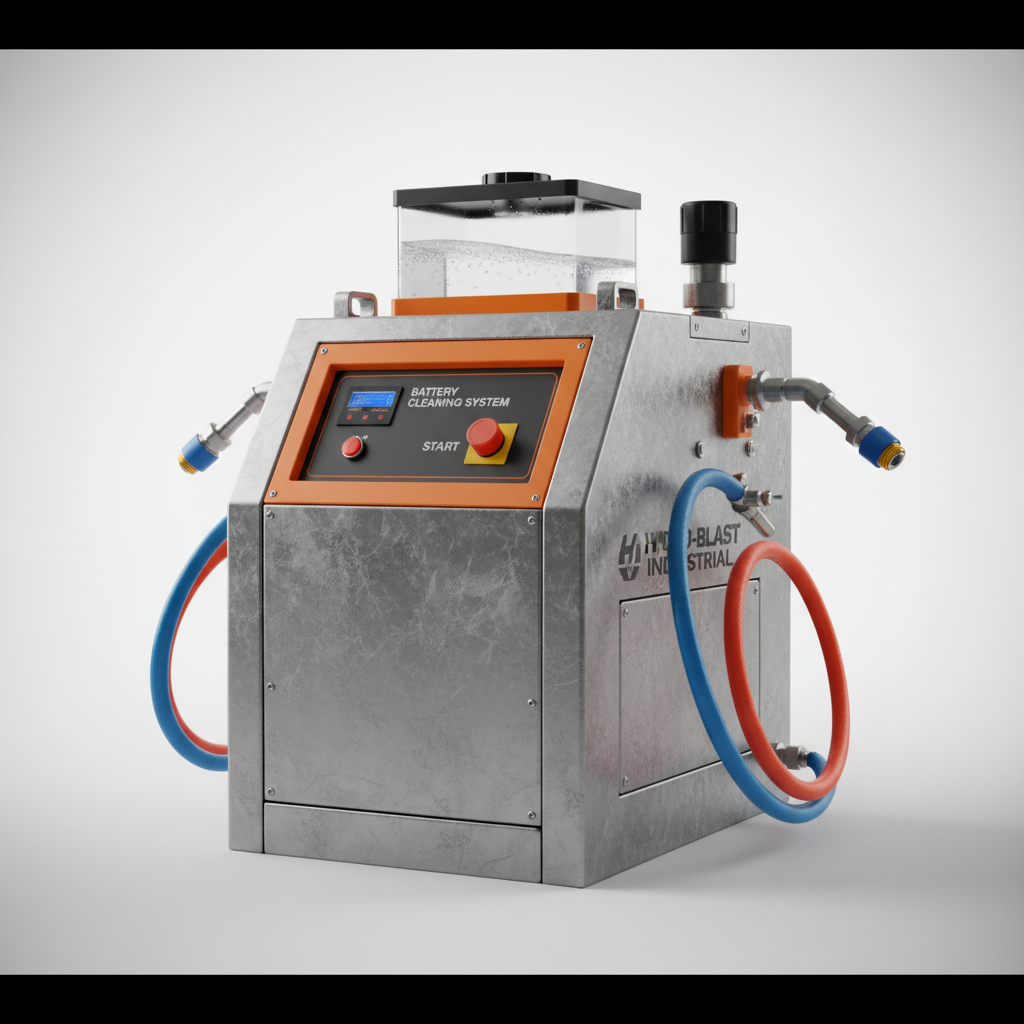
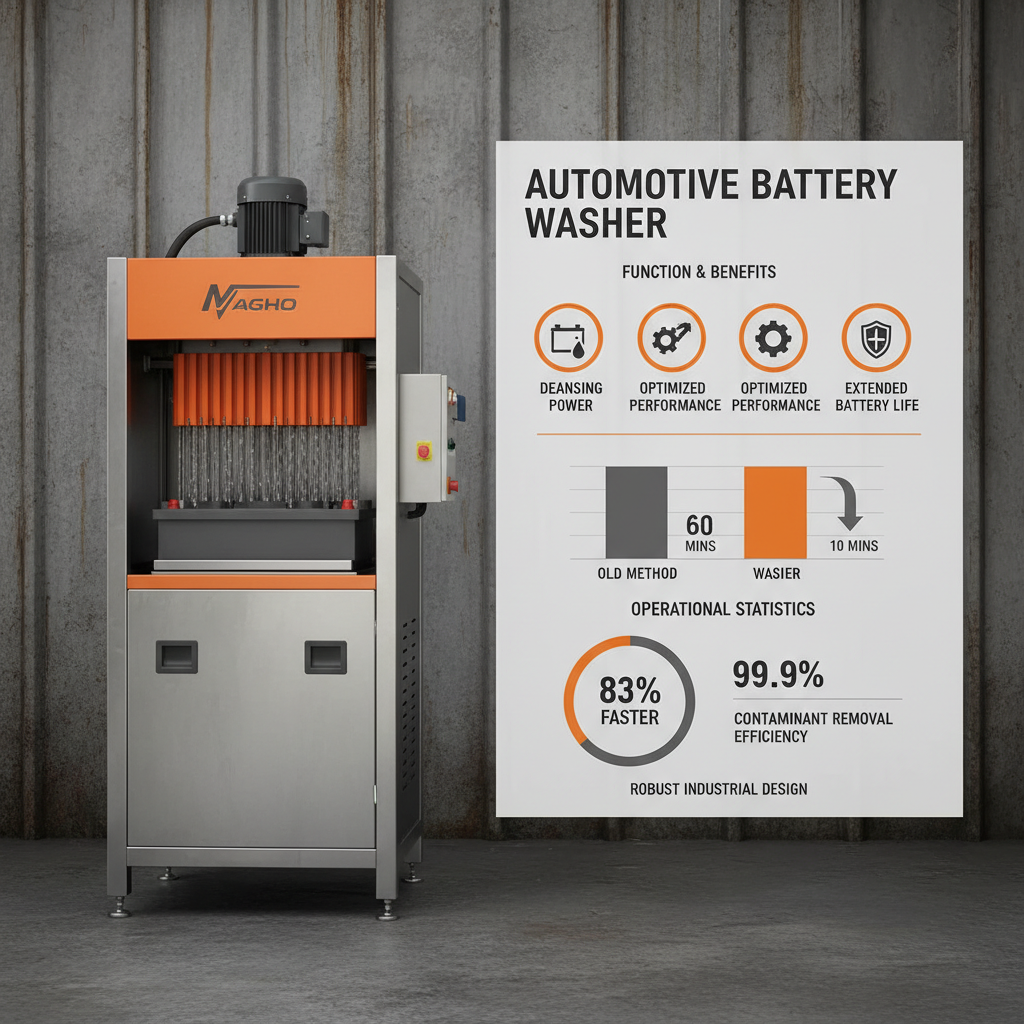
A car battery washer is a specialized piece of industrial equipment designed to remove contaminants, acid residues, and oxidation from battery casings and terminals using a combination of controlled pressure, chemical neutralizing agents, and precise rinsing cycles. Unlike generic pressure washers, these systems are engineered to handle the corrosive nature of battery electrolytes.
In the context of modern manufacturing, this equipment serves as a bridge between raw assembly and quality assurance. By ensuring the exterior of the battery is chemically neutral and physically clean, manufacturers can prevent the degradation of battery mounts and adjacent engine components, which is essential for the longevity of the vehicle.
Beyond the technical definition, these washers represent a commitment to safety. In an era where high-capacity batteries are common, the risk of "arc flash" due to surface contamination is a real danger. A professional washing cycle mitigates this risk, protecting both the technician and the end consumer.
Core Technical Components for Efficiency
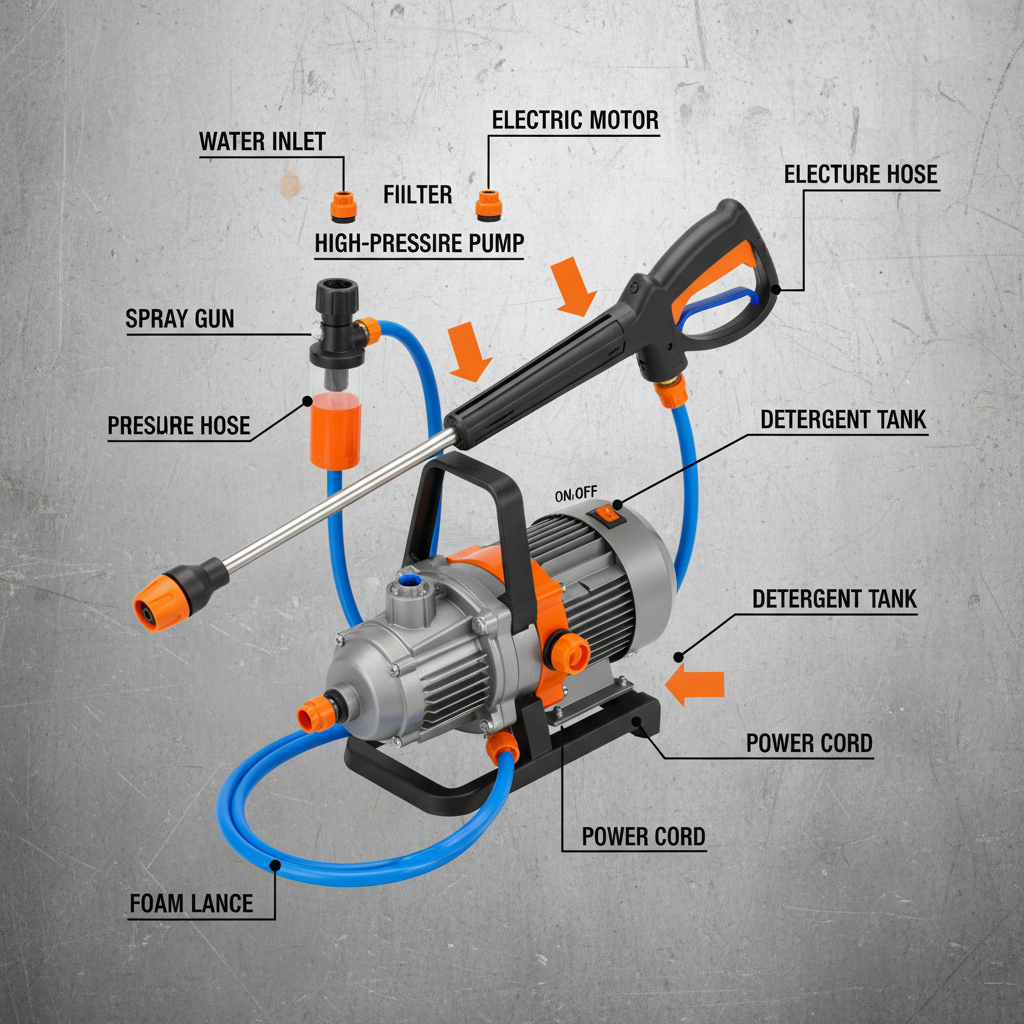
The effectiveness of a car battery washer depends heavily on its material durability. Because battery acid is highly corrosive, the chassis and nozzles are typically constructed from high-grade stainless steel or acid-resistant polymers to prevent equipment degradation over time.
Scalability is another core factor; high-volume production lines require conveyor-integrated car battery washer systems that can process hundreds of units per hour, while boutique restoration shops may opt for compact, manual-load stations that offer pinpoint precision.
Finally, the integration of smart sensors for water pressure and chemical dosing ensures cost efficiency. By optimizing the amount of neutralizing agent used per cycle, the system reduces waste and ensures that the battery surface is perfectly cleaned without excessive chemical residue.
Performance Metrics and Comparison
When evaluating different cleaning methodologies, it is essential to look at the balance between cleaning speed and surface integrity. A high-pressure car battery washer might offer faster results, but ultrasonic or low-pressure chemical immersion systems often provide deeper cleaning in hard-to-reach crevices.
The following data illustrates how various washing methods score across key industrial dimensions, highlighting why a specialized automated system typically outperforms manual or generic alternatives.
Comparison of Car Battery Washer Cleaning Methods
Global Applications and Use Cases
In large-scale automotive manufacturing hubs, such as those in Germany and Japan, the car battery washer is integrated directly into the assembly line. This ensures that every battery entering a vehicle is free from factory dust and lubricant residues, which could otherwise lead to early oxidation of the connectors.
Furthermore, in the growing electric vehicle (EV) battery recycling sector in North America, these washers are used to prep old battery modules for disassembly. Removing exterior contaminants is a safety prerequisite before the cells are breached, preventing the spread of toxic residues in the recycling facility.
Long-Term Value and Sustainability
Investing in a professional car battery washer yields significant long-term financial value by extending the lifespan of the batteries themselves. Clean terminals result in lower internal resistance and more efficient charging cycles, which directly translates to fewer warranty claims for the manufacturer and higher satisfaction for the consumer.
From a sustainability perspective, the move toward automated washing reduces the reliance on single-use chemicals and disposable cloths. Modern systems utilize water filtration and recirculation, significantly lowering the environmental footprint of the maintenance process and aligning with global "Green Factory" initiatives.
Ultimately, the value is also emotional; a clean battery is a sign of a well-maintained vehicle. This builds trust between the service provider and the client, as it demonstrates a level of attention to detail that goes beyond the superficial, focusing on the core heart of the vehicle's electrical system.
Future Trends in Battery Cleaning Automation
The future of the car battery washer lies in the integration of AI-driven visual inspection. Future systems will likely incorporate cameras that scan the battery surface for specific contaminants, adjusting the spray pattern and chemical concentration in real-time to target only the affected areas.
Additionally, we are seeing a shift toward "dry-cleaning" technologies, such as CO2 snow cleaning, which removes contaminants without the need for liquid water. This would revolutionize the car battery washer market by eliminating wastewater treatment costs entirely.
The convergence of IoT and maintenance will also allow these machines to report their own filter health and chemical levels to a central cloud system, ensuring zero downtime in high-pressure industrial environments through predictive maintenance.
Comparative Analysis of Car Battery Washer Technology Evolution
|
Technology Era
|
Cleaning Mechanism
|
Environmental Impact
|
Efficiency Score (1-10)
|
| Manual Era |
Rags and Solvent |
High Waste |
3 |
| Early Industrial |
Basic Pressure Spray |
Moderate Water Use |
5 |
| Modern Automated |
Multi-stage Neutralization |
Controlled Filtration |
8 |
| Smart Integrated |
Sensor-based Precision |
Low Resource Use |
9 |
| Eco-Future |
CO2 Snow/Dry Cleaning |
Zero Liquid Waste |
10 |
| Hybrid AI |
Predictive Logic Wash |
Optimized Footprint |
10 |
FAQS
A dedicated car battery washer is specifically designed to handle acidic residues. Standard pressure washers often use materials that corrode when exposed to battery acid and lack the precision nozzles required to clean terminals without forcing water into the battery vents, which could cause internal damage or short circuits.
Yes, but the cleaning agents must be adjusted. Lead-acid batteries require strong neutralizing agents to combat sulfuric acid, while Lithium-ion batteries focus more on removing conductive dust and salts. A professional car battery washer typically offers programmable cycles to accommodate different chemistry types.
In a manufacturing environment, every unit should be washed before final installation. For fleet maintenance, we recommend a quarterly cleaning cycle or immediately after any battery service to ensure that oxidation doesn't build up and impede the electrical flow.
Depending on the contaminants, the runoff can contain neutralized acids and heavy metal particles. This is why industrial car battery washer systems include integrated filtration and neutralization tanks to ensure the water meets environmental safety standards before disposal.
Most facilities see a return on investment within 12-18 months. This is achieved through reduced labor costs, lower battery failure rates due to better terminal hygiene, and the elimination of expensive disposable cleaning materials.
Quite the opposite. Most manufacturers recommend keeping the battery clean. As long as a professional car battery washer is used—which avoids high-pressure water entry into the cells—it actually helps maintain the battery in a condition that satisfies warranty requirements.
Conclusion
The integration of a professional car battery washer into the automotive maintenance and manufacturing workflow is a critical step toward enhancing vehicle reliability and industrial safety. By transitioning from manual, inconsistent cleaning methods to automated, precision-engineered systems, businesses can effectively eliminate corrosion, reduce environmental impact, and significantly extend the operational life of energy storage systems.
Looking forward, the synergy between AI inspection and sustainable "dry" cleaning technologies will further refine the efficiency of battery maintenance. For any organization aiming to optimize their automotive quality control and embrace green manufacturing, investing in advanced washing technology is no longer optional—it is a competitive necessity. Visit our website for more professional solutions: www.dycarwasher.com