Investing in a Fully Automated Car Wash for Superior Cleaning and Efficiency
Fully Automated Car Wash Systems: A Comprehensive Guide
In today’s fast-paced world, convenience and efficiency are paramount. For car owners, this translates to a desire for quick, effective, and high-quality car washes. A fully automated car wash system provides exactly that, delivering a superior cleaning experience while maximizing operational efficiency. This article will explore the benefits, components, types, and considerations when investing in a fully automated car wash system. We'll delve into how these systems can revolutionize your car wash business and enhance customer satisfaction.
Understanding the Benefits of a Fully Automated Car Wash
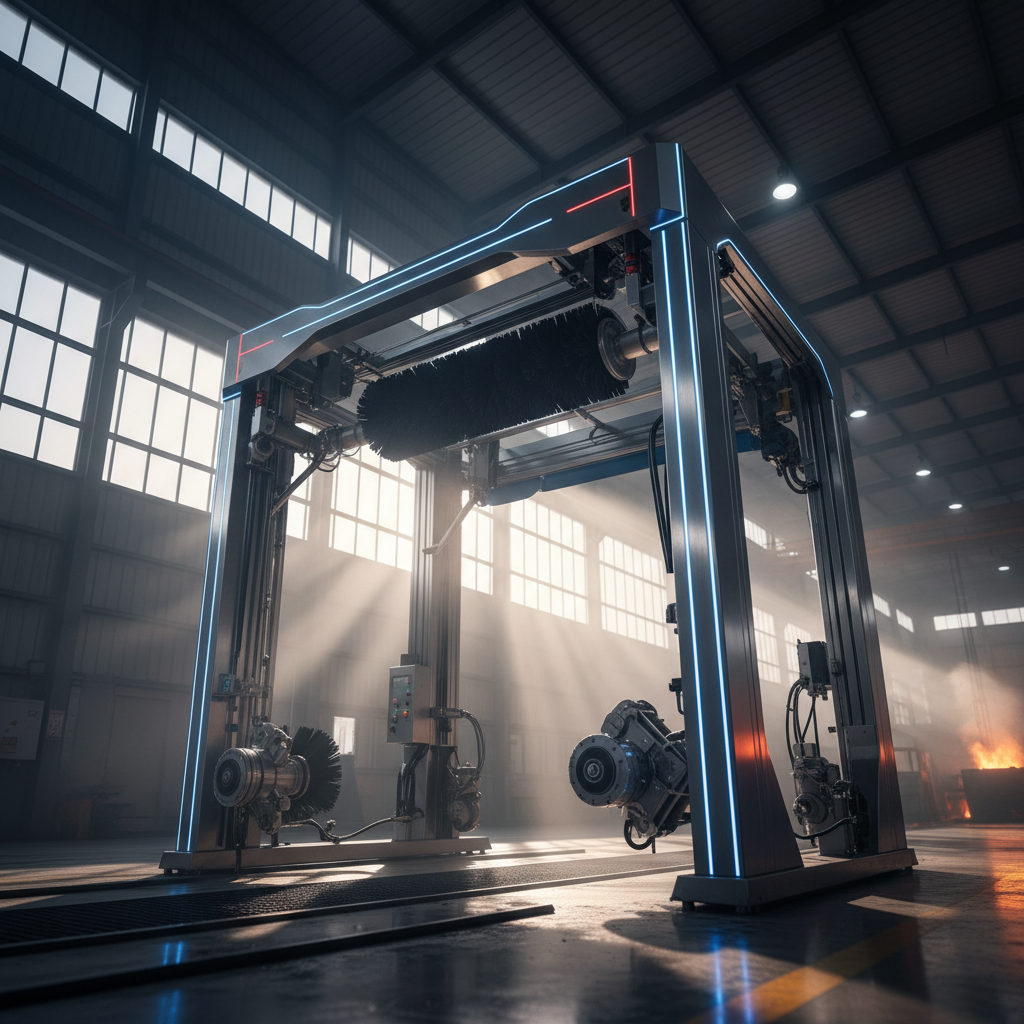
Investing in a fully automated car wash system offers a multitude of advantages. These systems significantly reduce labor costs, as they require minimal human intervention. They also provide consistent, high-quality washes every time, leading to increased customer satisfaction and repeat business. Furthermore, automation allows for faster throughput, meaning more cars can be washed in a given timeframe, boosting revenue. Improved water and energy efficiency contribute to lower operational expenses and a reduced environmental impact. A well-maintained automated car wash can quickly become a profitable and sustainable business venture.
Key Benefits: Reduced labor costs, consistent wash quality, faster throughput, increased revenue, and improved efficiency.
The Core Components of a Fully Automated System
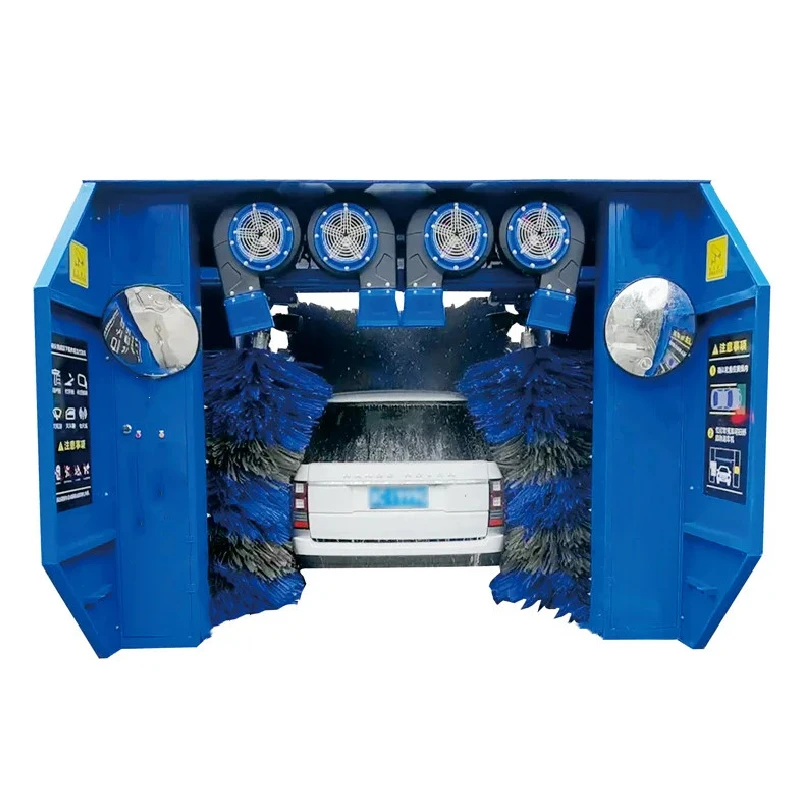
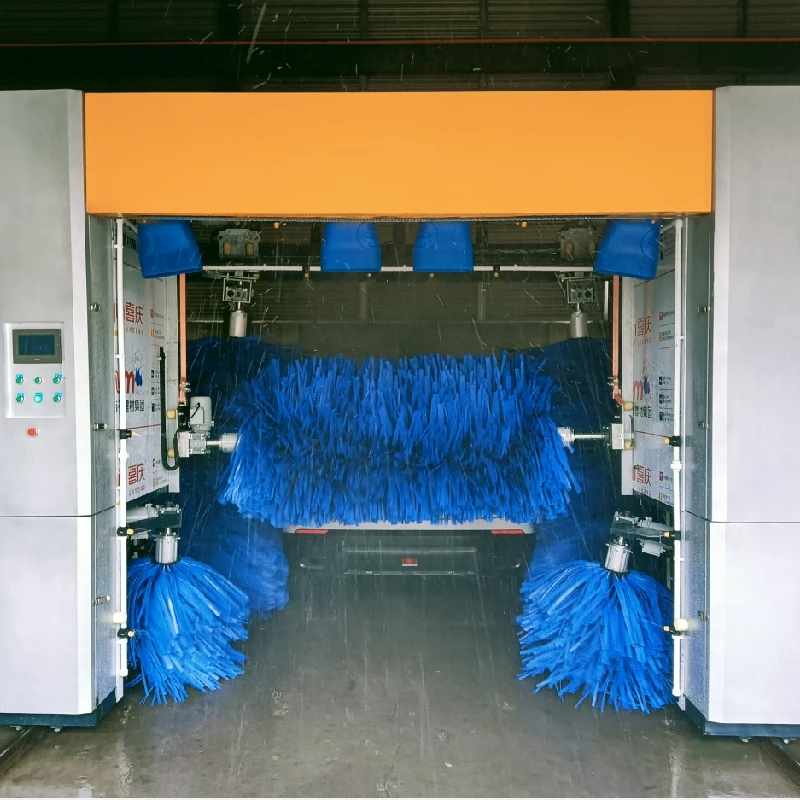
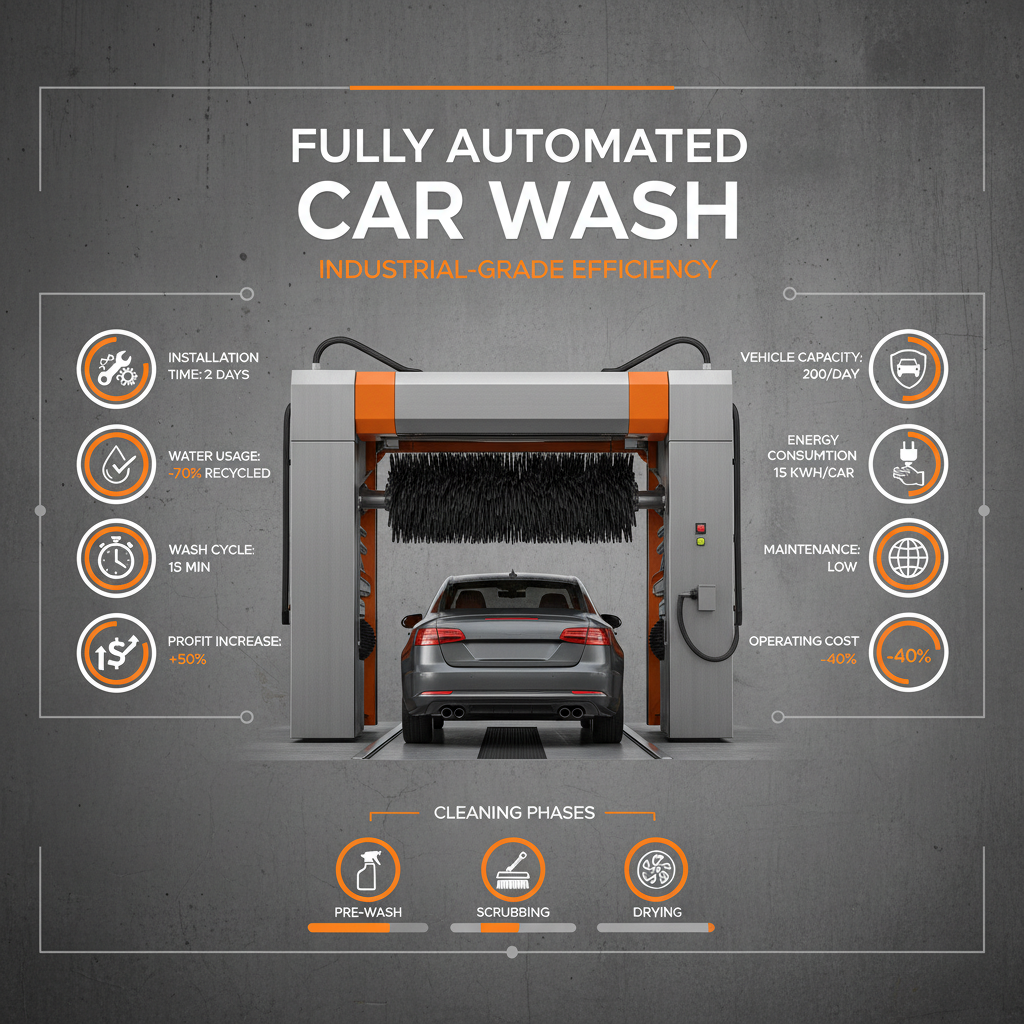
A typical fully automated car wash comprises several key components working in harmony. The conveyor system efficiently moves vehicles through the wash tunnel. High-pressure water jets and soap applicators deliver a thorough pre-wash and cleaning. Rotating brushes or microfiber wash mitts gently scrub the vehicle's surface. Rinse arches utilize spot-free water to eliminate residue. Finally, powerful dryers ensure a spotless finish. A sophisticated control system orchestrates the entire process, ensuring seamless operation and precise timing. Quality components are essential for reliability and longevity, making it crucial to partner with a reputable supplier like DY Car Washer.
Types of Fully Automated Car Wash Systems
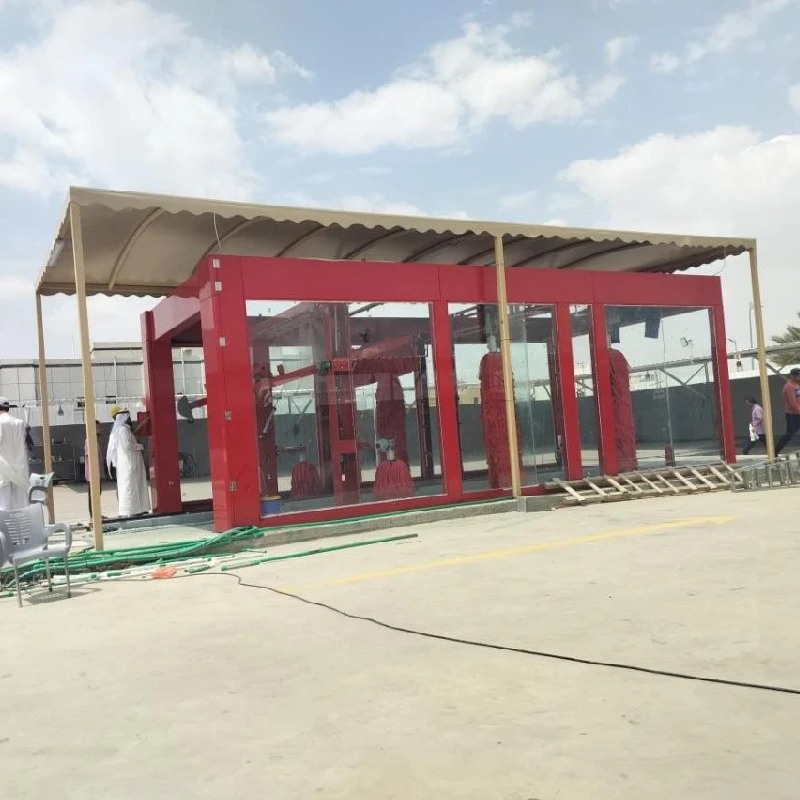
Several types of fully automated car wash systems cater to different needs and budgets. Rollover car washes are a popular choice, featuring a large arch of rotating brushes. Tunnel car washes, also known as drive-through washes, move vehicles along a conveyor through multiple wash stations. Touch-free car washes utilize high-pressure water jets and detergents without any physical contact with the vehicle, minimizing the risk of scratches. Choosing the right type depends on factors like space availability, budget, and desired wash quality.
Car Wash System Comparison:
• Rollover: Cost-effective, suitable for smaller spaces.
• Tunnel: High throughput, premium wash quality.
• Touch-free: Minimizes scratches, gentle on vehicles.
Fully Automated Car Wash: Key Specifications
Understanding the specifications of a fully automated car wash is crucial for making an informed decision. Here’s a typical specification table:
Maintenance and Long-Term Considerations
Regular maintenance is crucial for ensuring the longevity and optimal performance of your fully automated car wash system. This includes daily inspections, cleaning of components, and periodic servicing by qualified technicians. Promptly addressing any issues, such as worn brushes or malfunctioning sensors, can prevent costly downtime and repairs. Investing in a reliable system from a reputable provider, like DY Car Washer, ensures access to quality spare parts and expert support.
Conclusion: Embrace the Future of Car Washing
A fully automated car wash system represents a significant investment in the future of your business. By embracing automation, you can deliver exceptional customer service, maximize efficiency, and achieve a strong return on investment. With the right system and a commitment to regular maintenance, you can establish a thriving and profitable car wash operation.
Frequently Asked Questions (FAQs)
What is the typical return on investment (ROI) for a fully automated car wash?
The ROI for a fully automated car wash varies based on factors like location, wash volume, operating costs, and pricing strategy. However, a well-managed system can often achieve an ROI within 3-5 years. Reducing labor costs, increased throughput, and premium pricing contribute to faster returns. A thorough business plan, including accurate market analysis and cost projections, is essential for determining a realistic ROI.
What kind of space is required for a fully automated car wash?
Space requirements depend on the type of automated car wash system chosen. Rollover washes typically require less space than tunnel washes. A basic rollover wash might need around 50ft x 30ft, while a tunnel wash can easily require 80ft x 40ft or more. Consider adequate space for vehicle queuing, drying areas, and equipment maintenance.
How often do brushes/wash mitts need to be replaced?
The lifespan of brushes and wash mitts depends on wash volume and water quality. Generally, brushes may need replacing every 6-12 months, while microfiber mitts may last 12-18 months with proper care. Regular inspection for fraying or wear is crucial. Using high-quality materials and a water softening system can extend their lifespan.
What is the typical water consumption of an automated car wash, and are there ways to reduce it?
A fully automated car wash can consume 300-500 liters of water per vehicle. However, water consumption can be significantly reduced by implementing water recycling systems, using efficient nozzles, and optimizing wash cycles. Recycling systems can reuse up to 80-90% of the water, lowering operational costs and minimizing environmental impact.
-
Best High Pressure Water Jet for Car Wash and Detailing GuideNewsApr.16,2026
-
Professional High Pressure Water Car Wash Systems GuideNewsApr.09,2026
-
Unlock a Professional Shine with High Pressure Spray Wax TechnologyNewsApr.07,2026
-
Choosing the Right High Pressure Nozzle for Car Wash and DetailingNewsApr.04,2026
-
Choosing the Right High Pressure Car Cleaner for Optimal Vehicle CareNewsMar.31,2026
-
Investing in a High Power Car Washing Machine for Business EfficiencyNewsMar.28,2026