Comprehensive Guide to Selecting a Gas Pressure Washer for Car Detailing
Choosing the Right Gas Pressure Washer for Car Detailing
Maintaining a vehicle’s pristine condition requires more than just a basic wash. For car detailing enthusiasts and professionals alike, a gas pressure washer is an indispensable tool. Offering superior cleaning power and efficiency compared to electric models, gas-powered washers are ideal for tackling tough grime, dirt, and road salt. This article will explore the benefits of using a gas pressure washer for car detailing, key features to consider, and guide you in selecting the best model for your needs. Investing in the right equipment is crucial for achieving professional-quality results and protecting your vehicle’s finish.
Why Choose a Gas Pressure Washer for Car Detailing?
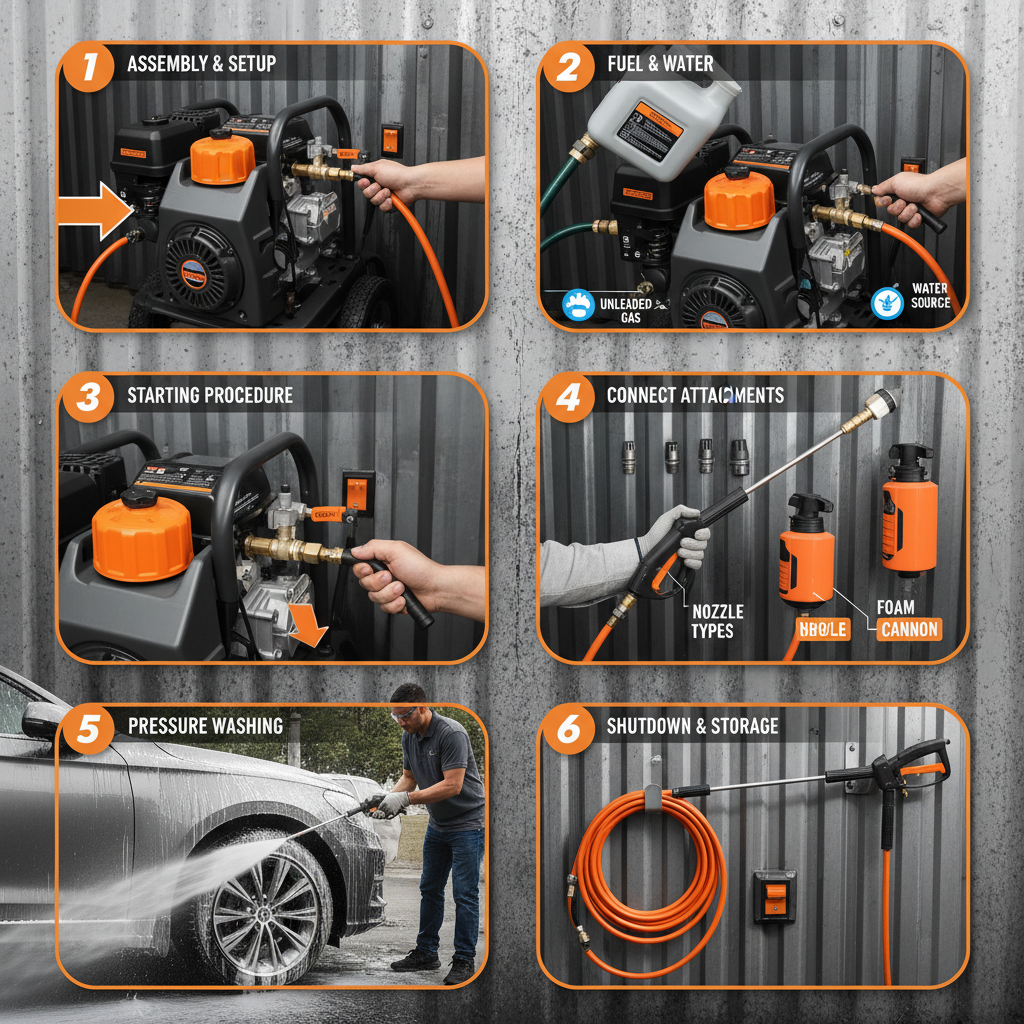
Gas pressure washers provide several advantages over their electric counterparts when it comes to car detailing. Their primary benefit is power. Gas engines generate significantly higher pressure (measured in PSI – pounds per square inch) and flow rate (measured in GPM – gallons per minute), allowing for quicker and more thorough cleaning. This is essential for removing stubborn contaminants like brake dust, tar, and bug splatters. Unlike electric models, gas pressure washers aren't limited by the availability of a power outlet, making them ideal for use anywhere. They're also more durable and capable of handling frequent, extended use. For serious detailing, the consistent and robust performance of a gas-powered washer is unmatched. DY Car Washer provides a range of options suited for both professional and hobbyist detailers.
Key Benefits: Superior cleaning power, portability, durability, and consistent performance make gas pressure washers the preferred choice for meticulous car detailing.
Key Features to Consider in a Gas Pressure Washer
When selecting a gas pressure washer for car detailing, several key features should be considered. PSI (Pounds per Square Inch) is a crucial indicator of cleaning power; a range of 2000-3000 PSI is generally sufficient for automotive detailing. GPM (Gallons per Minute) determines how quickly the washer can rinse away dirt and debris. Higher GPM values result in faster cleaning times. Also, consider the type of engine – OHV engines are known for their reliability and easy maintenance. Nozzle selection is vital, as different nozzles offer varying spray patterns for different cleaning tasks. Finally, the washer’s overall build quality and portability are important factors to ensure long-lasting performance and ease of use.
Essential Features:
• PSI Range: 2000-3000 PSI
• GPM: 2.5-3.0 GPM is ideal
• Engine Type: OHV for reliability
• Nozzle Variety: For different cleaning tasks
Gas Pressure Washer for Car Detailing: Comparing Top Models
The market offers a wide range of gas pressure washers. Choosing the right one depends on your specific detailing needs and budget. Here’s a comparison of three popular models:
Safety Precautions When Using a Gas Pressure Washer
Gas pressure washers are powerful tools, and safety should always be a top priority. Always wear safety glasses to protect your eyes from debris. Closed-toe shoes are essential, and gloves can protect your hands. Never point the spray wand at yourself or others. Maintain a safe distance from the vehicle's paintwork to avoid damage – start with a wider nozzle and gradually move closer. Ensure the area is well-ventilated when using a gas-powered washer. Refer to the manufacturer's instructions for specific safety guidelines. DY Car Washer also provides detailed safety information with all of its products.
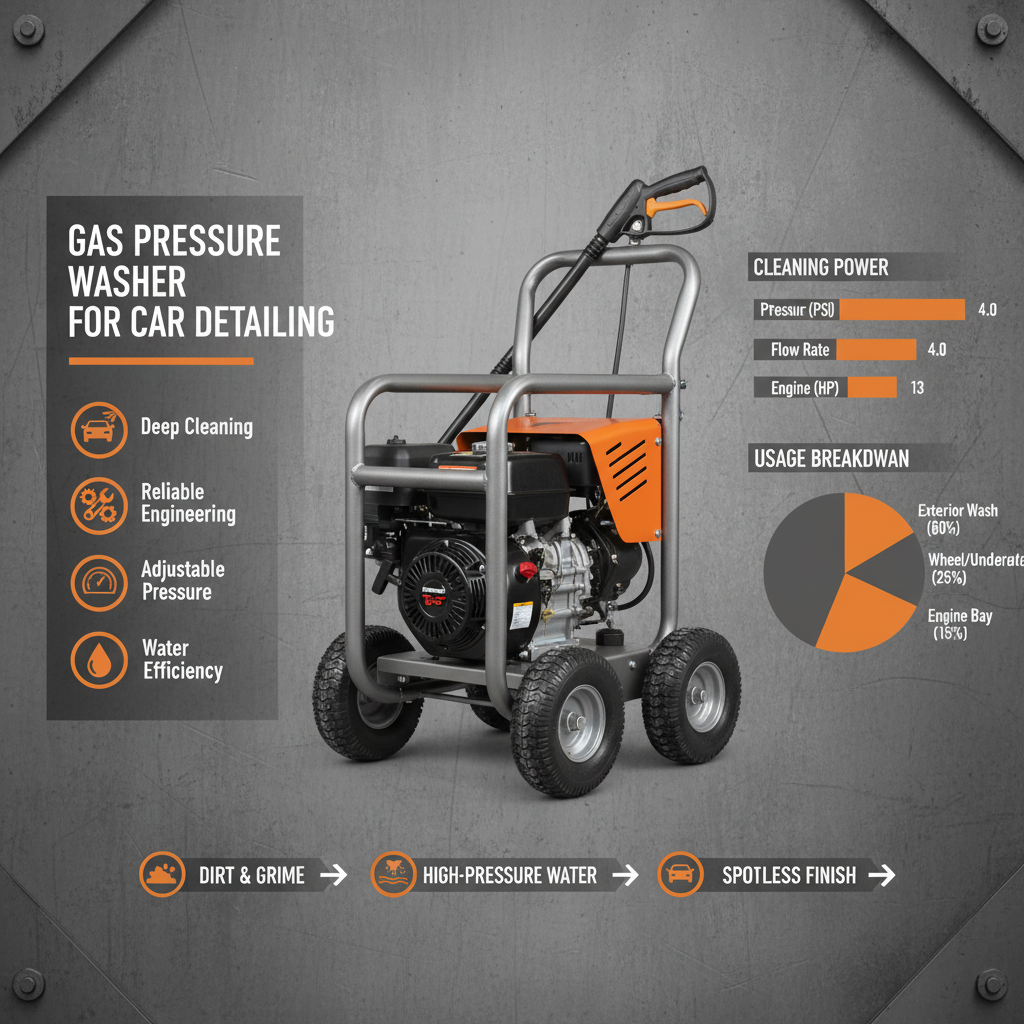
Product Specifications: DY Car Washer X2000
Here are the specifications for our popular DY Car Washer X2000 model:
Conclusion: Elevate Your Car Detailing with a Gas Pressure Washer
Investing in a gas pressure washer is a game-changer for anyone serious about car detailing. The power, portability, and durability of these machines offer unparalleled cleaning performance. By carefully considering your needs and selecting a model with the right features, you can achieve professional-quality results and keep your vehicle looking its best. Browse our selection at DY Car Washer today!
Frequently Asked Questions (FAQs)
What PSI is best for washing a car?
For car washing, a PSI between 1900 and 2100 is generally recommended. While higher PSI can be effective for removing stubborn grime, it also increases the risk of damaging the paint. Using a wider-angle nozzle (40-degree) can help to distribute the pressure over a larger area and reduce the risk of damage. Always start with a lower PSI and gradually increase it if needed. Overly aggressive pressure can etch the clear coat or even remove paint.
Can I use a gas pressure washer on a waxed car?
Yes, you can use a gas pressure washer on a waxed car, but it's essential to be cautious. The high pressure can potentially strip away the wax coating. Use a wider nozzle (40-degree or 65-degree) and maintain a safe distance from the paintwork. Consider using a dedicated car wash soap specifically designed for waxed surfaces. After washing, you may need to reapply wax to maintain the protective layer.
What are the different types of nozzles and what do they do?
Different nozzles create varying spray patterns, each suited for specific tasks. A 0-degree nozzle delivers a concentrated, high-pressure stream for removing stubborn dirt, but it’s risky for paint. A 15-degree nozzle is useful for more focused cleaning. A 25-degree nozzle is a good all-purpose option. A 40-degree nozzle is ideal for gentle cleaning and rinsing, and a 65-degree nozzle creates a wide, low-pressure fan for applying soap or rinsing delicate surfaces.
How often should I maintain my gas pressure washer?
Regular maintenance is crucial for prolonging the life of your gas pressure washer. Check the oil level before each use and change the oil according to the manufacturer's recommendations. Clean or replace the air filter regularly. Inspect the fuel lines and connections for leaks. Flush the pump with a pump saver solution after each use, especially during storage. Proper maintenance will ensure consistent performance and prevent costly repairs.
-
Best High Pressure Water Jet for Car Wash and Detailing GuideNewsApr.16,2026
-
Professional High Pressure Water Car Wash Systems GuideNewsApr.09,2026
-
Unlock a Professional Shine with High Pressure Spray Wax TechnologyNewsApr.07,2026
-
Choosing the Right High Pressure Nozzle for Car Wash and DetailingNewsApr.04,2026
-
Choosing the Right High Pressure Car Cleaner for Optimal Vehicle CareNewsMar.31,2026
-
Investing in a High Power Car Washing Machine for Business EfficiencyNewsMar.28,2026