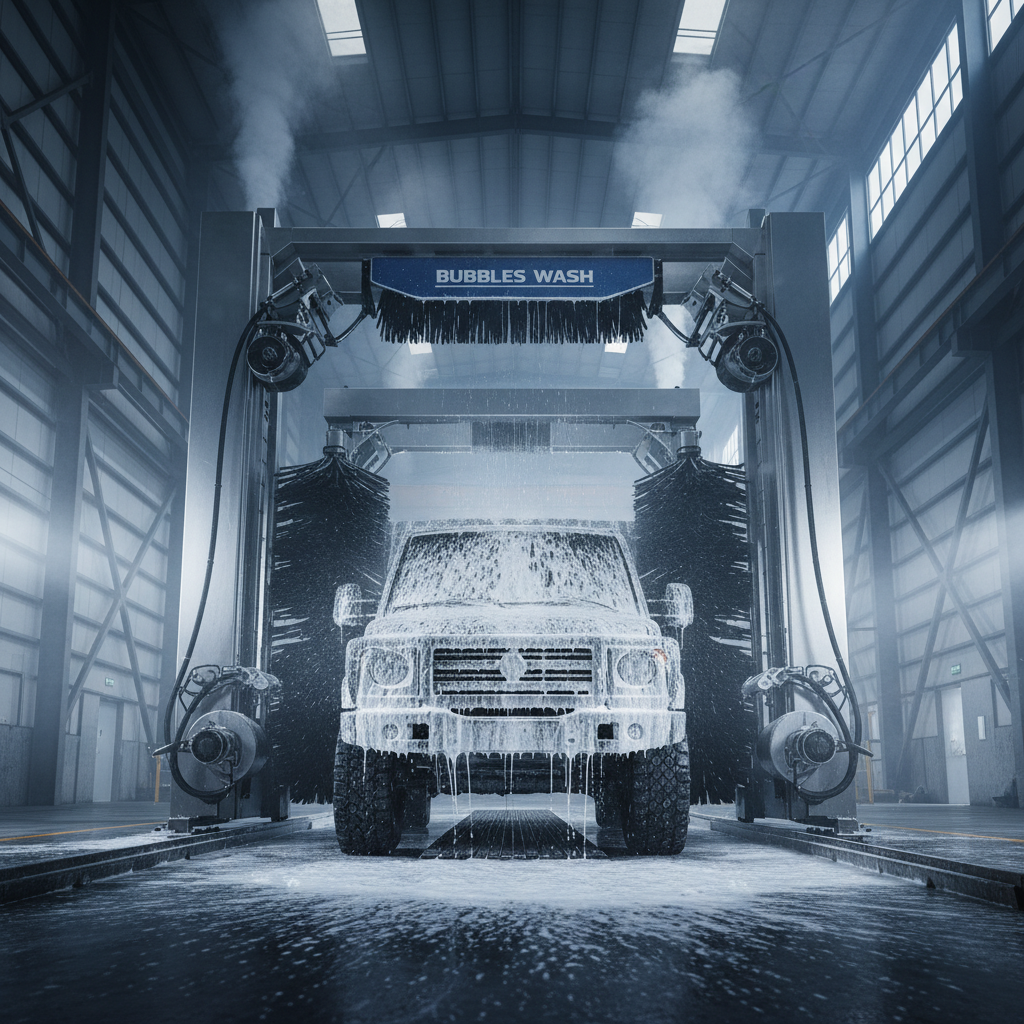
Look, commercial car wash supplies... it’s not glamorous, alright? I've spent the last decade crawling around car washes, smelling everything from polymer waxes to citrus-scented detergents. You wouldn't believe the stuff people use. It’s a surprisingly complex world, honestly. Lately, everyone's obsessed with water conservation. It’s all "reclaim, reclaim, reclaim." Makes sense, right? California’s drying up, regulations are getting tighter… but it's not just about saving water anymore. It's about the quality of the water you’re reclaiming.
And then there’s the push for touchless. Everyone wants to avoid swirl marks, but getting a truly spotless finish without brushes? That’s the holy grail. It requires incredibly sophisticated chemistry. Speaking of chemistry… that’s where things get really interesting.
To be honest, I've seen too many operations try to cut corners on their cleaning solutions. You get what you pay for, plain and simple. And cheap chemicals can wreak havoc on your equipment – corrode pumps, ruin seals, the whole nine yards. It’s not worth the savings, trust me.
The Current Landscape of Commercial Car Wash Supplies
Have you noticed how everything is becoming 'eco-friendly'? It's the same with car wash supplies. A lot of the newer formulations are biodegradable, which is good, but sometimes they just don’t have the same cleaning power. You gotta find that balance, you know? It's not just about the chemicals either. It's the equipment - the pumps, the nozzles, the reclaim systems. I encountered a faulty pump at a place in Phoenix last time, the whole system was down for a day. Cost them a fortune.
And the packaging! So much plastic. Everyone's talking about reducing plastic waste, but shipping concentrated detergents in drums is still the most cost-effective way to do it. It's a tricky situation.
Defining Commercial Car Wash Supplies
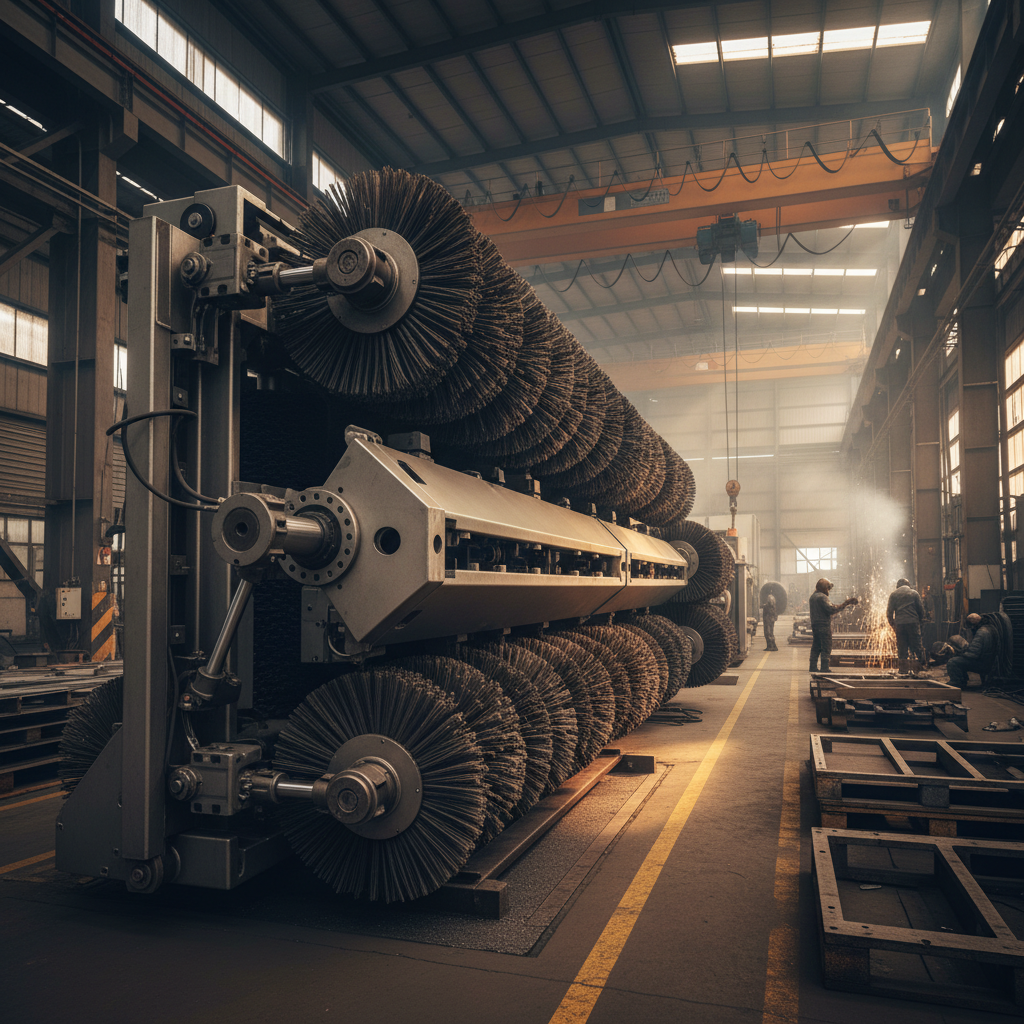
Basically, commercial car wash supplies are everything a car wash uses besides the water and electricity. That includes detergents, waxes, tire shines, undercarriage cleaners, spot-free rinses, all that jazz. It also covers things like brushes, cloths, and even the air fresheners they pump into the bay. It’s a surprisingly broad category. It's about maintaining vehicle appearance, of course, but it’s also about protecting the equipment itself. You need lubricants for the conveyor belts, rust inhibitors for the metal parts, and specialized cleaners for the reclaim system.
It’s not just about making cars shiny, it’s about making the whole operation run smoothly and efficiently. And increasingly, it’s about doing it in a sustainable way.
It connects to the broader industry by supporting the automotive sector and the growing demand for vehicle maintenance. It's a critical part of keeping things rolling, literally.
Core Components & Key Factors
Durability is huge. These supplies have to withstand constant use, exposure to harsh chemicals, and varying temperatures. A cheap brush might last a month, a good one will last a year or more. Cost-effectiveness is obviously important, but you can’t just go for the cheapest option. You need to consider the total cost of ownership – including labor, maintenance, and the potential for downtime.
Scalability is another big one. A small, self-serve car wash has different needs than a high-volume tunnel wash. You need supplies that can be adjusted to meet the demand. Then there's chemical compatibility. Mixing the wrong chemicals can create hazardous fumes or damage your equipment. Strangely, I had a guy mix bleach and acid last week... Luckily, no one got hurt, but it smelled awful.
Finally, environmental impact. Regulations are getting stricter, and customers are becoming more aware of the environmental impact of their choices. Supplies that are biodegradable, low-VOC, and phosphate-free are becoming increasingly popular.
Global Applications and Use Cases
Commercial car washes are everywhere, obviously, but the specific supplies used can vary quite a bit depending on the location. In Europe, they tend to favor water-based waxes and detergents because of stricter environmental regulations. In the Middle East, they need supplies that can handle sand and dust. In post-disaster relief operations, mobile car wash units are often used to provide essential cleaning services.
I’ve seen them set up near refugee camps, for instance, giving people a little bit of normalcy in a difficult situation. They are also vital in fleet maintenance – think trucking companies, rental car agencies, and government vehicle depots. Those guys need reliable, high-performance supplies that can handle heavy-duty grime.
In remote industrial zones, you often find mobile car wash services catering to construction crews and oil field workers. They get filthy. Absolutely filthy.
Advantages & Long-Term Value Proposition
The biggest advantage is, obviously, efficiency. Good supplies get the job done faster and with less effort. They also reduce water consumption, lower chemical costs, and extend the life of your equipment. But it's more than just cost savings. A clean, well-maintained vehicle makes a good impression. It’s about building trust with your customers.
I saw a car wash owner in Vegas triple his business by simply upgrading his wax and spot-free rinse. People noticed the difference. That said, some of these 'miracle' products are just snake oil. You have to be skeptical. They'll promise you a showroom shine with half the effort, but they rarely deliver.
Commercial Car Wash Supply Effectiveness Rating
Future Trends and Innovations
I think we’re going to see a lot more automation in the car wash industry. Automated dispensing systems, robotic brushes, even AI-powered chemical mixing. It will reduce labor costs and improve consistency. And definitely more focus on water recycling. The technology is getting better and cheaper all the time.
They’re even experimenting with biodegradable polymers that completely break down after use. It’s still early days, but it’s promising. Anyway, I think the biggest changes will come from the data side. Using sensors and analytics to optimize chemical usage, predict equipment failures, and personalize the car wash experience for each customer.
Challenges & Potential Solutions
The biggest challenge is the cost. Sustainable supplies are often more expensive upfront. And convincing car wash owners to invest in new technology can be tough. They're often running on tight margins. Another issue is compatibility. Some newer supplies don’t work well with older equipment. You need to carefully test everything before you switch over.
We need better training for car wash operators. A lot of them are just winging it, mixing chemicals without understanding the risks. And there’s a lack of standardization in the industry. Every supplier has their own formulas and concentrations, which makes it hard to compare products.
I think a centralized database of chemical compatibility and safety information would be a huge benefit. And maybe some government incentives to encourage the adoption of sustainable practices.
Commercial Car Wash Supply Performance Comparison
| Product Type |
Cleaning Power (1-10) |
Environmental Impact (1-10, 1=High, 10=Low) |
Cost per Use |
| Foam Cannon Soap |
9 |
7 |
$0.50 |
| Triple Foam Polish |
8 |
6 |
$0.75 |
| Undercarriage Cleaner |
7 |
5 |
$0.60 |
| Tire Shine |
10 |
4 |
$0.40 |
| Wheel Cleaner |
6 |
8 |
$0.80 |
| Spot-Free Rinse |
8 |
9 |
$0.55 |
FAQS
Honestly, it's diluting too much. They think they're saving money, but they end up using more product overall because it's not effective. It's a false economy. You need to follow the manufacturer's instructions. And don’t cheap out on the pre-soak, that’s where you get the most bang for your buck.
Depends on the volume, but generally every 6-12 months. You can tell they need replacing when they start leaving swirl marks or if the bristles are worn down. Don’t wait until they’re falling apart, you’ll damage the paint. A good rule of thumb is to inspect them regularly and replace them proactively.
They’ve come a long way. They’re not quite as powerful as some of the harsher chemicals, but they’re getting close. The trade-off is worth it for the environmental benefits. Plus, customers are increasingly demanding eco-friendly options.
Regularly flush the system with a descaler. And use a rust inhibitor. It's also important to monitor the pH levels of the water. Too acidic or too alkaline can accelerate corrosion. Preventative maintenance is key.
Use a high-quality spot-free rinse. And make sure your water is properly filtered and softened. Air drying is better than towel drying, as towels can leave their own marks. Invest in a good deionized water system.
Mixing incompatible chemicals is a big one. Always read the labels and follow the instructions. Wear appropriate PPE – gloves, eye protection, and respirators. And make sure the area is well-ventilated. Some of these chemicals can be really nasty if you inhale them.
Conclusion
So, yeah, commercial car wash supplies… it’s a complicated business. It’s about more than just making cars clean. It’s about efficiency, sustainability, safety, and customer satisfaction. It’s a constant balancing act between cost, performance, and environmental impact. Understanding these nuances is critical for any car wash owner who wants to succeed.
Ultimately, whether this thing works or not, the worker will know the moment he tightens the screw. You can talk about chemistry and water reclamation all day long, but if the car isn’t coming out clean, none of it matters. Visit our website at commercial car wash supplies for all your needs.