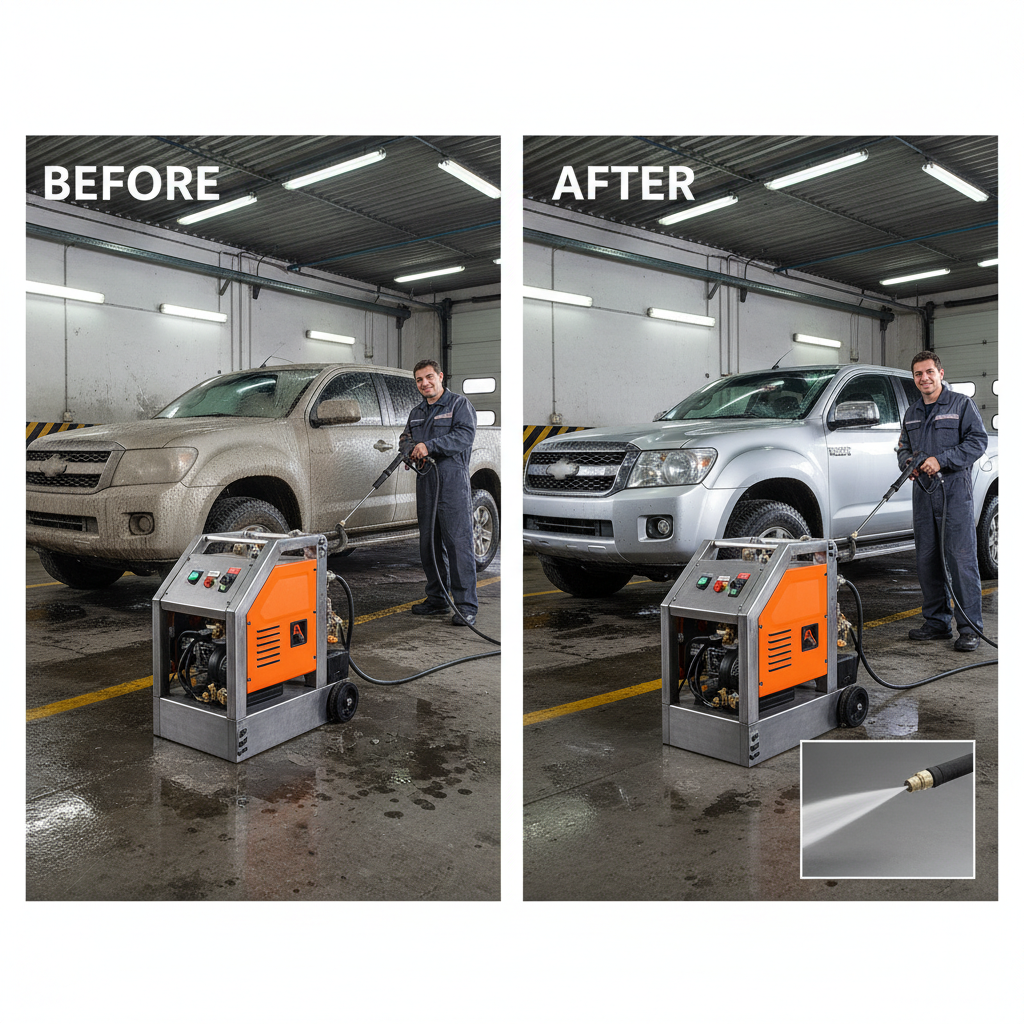
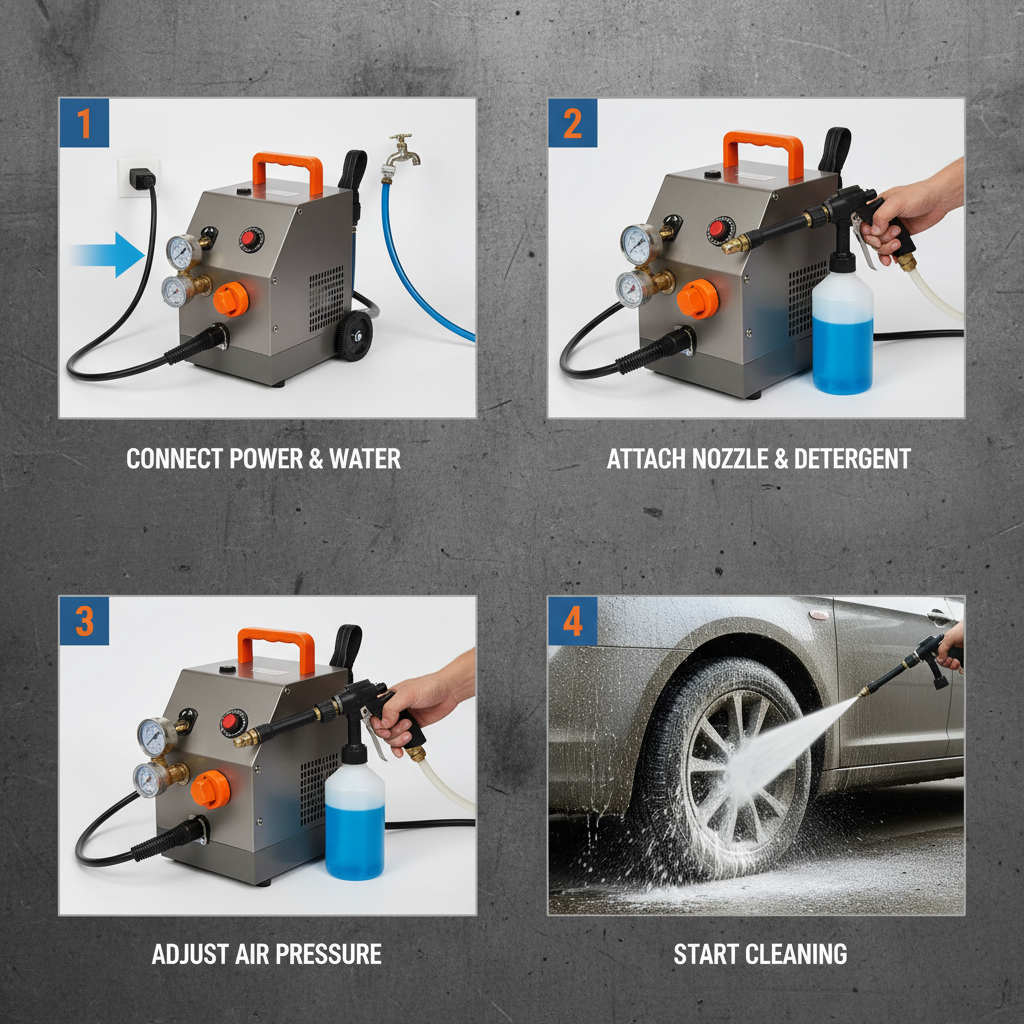
The world runs on clean power, and increasingly, that means electric tools. But out here on job sites, it’s not just having the power, it's how you deliver it. That’s where the automotive pressure washer comes in. It’s not just about washing cars anymore. We’re talking concrete cleanup, prepping surfaces for paint, rinsing equipment – even dust control. It’s a workhorse, and a smart one when paired with the right power source. I’ve seen crews bogged down by gas-powered washers, constantly dealing with fuel, fumes, and maintenance. Switching to a good automotive pressure washer, powered by a portable power station or even directly from a van’s inverter, can seriously streamline operations.
For years, we relied on the rumble and stink of gas. The portability was okay, but the hassle wasn’t. Then came corded electrics - limited range, tripping hazards, and the constant search for an outlet. Now, with advancements in battery technology and high-voltage automotive pressure washer designs, we're finally seeing a real solution. It’s about giving crews the power they need, where they need it, without the headaches. I've seen productivity jump just by eliminating fuel stops and simplifying equipment transport.
It's a simple equation: less downtime, more work done. The automotive pressure washer is evolving from a niche tool to a core component of modern construction and maintenance operations. Understanding the nuances of these systems – from PSI and GPM to battery capacity and nozzle types – is becoming critical for anyone managing a project.
The Role of Automotive Pressure Washer in Modern Industries
The construction industry, for example, heavily relies on effective surface preparation. Automotive pressure washers are invaluable for removing debris, old paint, and contaminants before applying new coatings. They’re essential for maintaining equipment, cleaning tools, and ensuring a safe working environment. Beyond construction, industries like agriculture use them for cleaning livestock areas and machinery, while the automotive sector, naturally, uses them extensively for vehicle detailing and maintenance.
What I’ve seen is a shift from purely reactive cleaning – fixing a problem after it arises – to proactive maintenance preventing problems. An automotive pressure washer is a cornerstone of that shift. The ability to quickly and efficiently clean equipment reduces downtime, prolongs lifespan, and ultimately saves money. That’s a language everyone understands on a job site.
Defining Automotive Pressure Washer: Beyond Car Washes
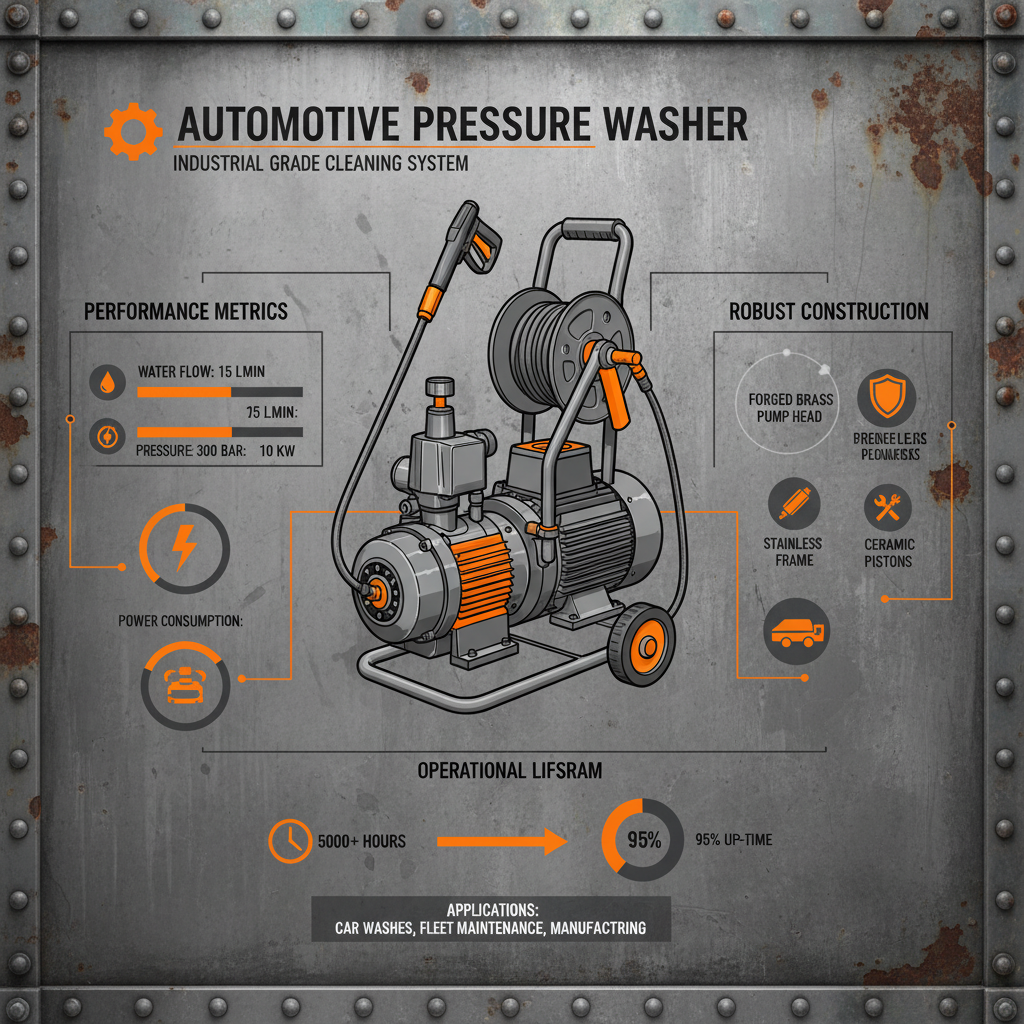
An automotive pressure washer isn't just about spraying water. It's a system designed to deliver water at high pressure, using a pump powered by an electric motor or, traditionally, a gasoline engine. The core function is to use this pressurized water to dislodge dirt, grime, and other contaminants from surfaces. What differentiates a good automotive pressure washer is its ability to control that pressure, adjust the spray pattern, and deliver consistent performance.
The connection to modern industry lies in its efficiency and versatility. It allows for faster, more thorough cleaning compared to manual methods, reducing labor costs and improving overall hygiene. This is crucial in industries with strict cleanliness standards, like food processing or pharmaceuticals. It’s also become integral to sustainability efforts, minimizing water waste through targeted cleaning.
Think about the humanitarian side too. Disaster relief efforts often require quickly cleaning debris and sanitizing areas after floods or earthquakes. Portable, self-contained automotive pressure washers are vital tools in those scenarios, delivering clean water and a means of sanitation when infrastructure is compromised.
Key Components and Operational Factors
Durability is paramount. Out here, equipment gets abused. We need pumps made from robust materials, hoses that won’t kink or burst, and housings that can withstand impact. A cheap unit will be replaced quickly, costing more in the long run. Scalability is also key – the ability to choose a washer with the right PSI and GPM for the job. A small, portable unit is great for light-duty tasks, but larger projects demand more power.
Cost efficiency isn’t just about the upfront price. It's about total cost of ownership. Electric models have lower operating costs due to cheaper electricity versus gasoline and reduced maintenance. Water efficiency also plays a role; some washers have adjustable nozzles that minimize water usage without sacrificing cleaning power. Finally, ease of use is critical. A complicated system that requires extensive training won't get used effectively.
PSI (pounds per square inch) measures the force of the water, while GPM (gallons per minute) measures the volume. Higher PSI is good for removing stubborn grime, but can damage delicate surfaces. GPM determines how quickly you can rinse an area. Choosing the right combination is crucial for different applications. Nozzle selection is another important factor, offering various spray patterns for different cleaning tasks.
Global Applications: From Construction to Agriculture
In the construction sector, automotive pressure washers are vital for cleaning concrete, prepping surfaces for painting, and removing graffiti. In agriculture, they are used for cleaning livestock pens, equipment, and irrigation systems. The automotive industry, of course, relies on them for vehicle washing, detailing, and engine cleaning.
In post-disaster relief operations, automotive pressure washers provide a critical means of sanitation, allowing for the quick and efficient cleaning of affected areas. In remote industrial zones, where access to water and power is limited, portable automotive pressure washers offer a self-contained solution for maintaining equipment and facilities. For instance, mining operations in Australia utilize them heavily for cleaning heavy machinery.
Automotive Pressure Washer Application Efficiency
Advantages and Long-Term Value Proposition
The cost savings are significant. Reduced labor, lower operating expenses (especially with electric models), and extended equipment lifespan all contribute to a strong ROI. Sustainability is a growing concern, and automotive pressure washers help minimize water waste and reduce reliance on fossil fuels.
Beyond the practical benefits, there’s a safety aspect. Removing grime and debris reduces slip hazards and improves visibility. A clean work environment fosters a sense of professionalism and pride. Building trust with clients through a commitment to cleanliness is something I’ve witnessed firsthand.
Future Trends and Innovation in Automotive Pressure Washer Technology
We're seeing a move towards smarter washers with integrated sensors and data analytics. These systems can monitor performance, detect leaks, and even schedule maintenance. The integration of IoT (Internet of Things) allows for remote monitoring and control. Another trend is the development of more efficient pumps and motors, leading to increased power and reduced energy consumption.
Battery technology is advancing rapidly, with longer run times and faster charging speeds. Expect to see more cordless automotive pressure washers capable of tackling demanding jobs. The adoption of sustainable materials and eco-friendly detergents will also play a growing role in shaping the future of this technology.
Challenges and Solutions in Automotive Pressure Washer Implementation
One challenge is ensuring adequate water supply, particularly in remote locations. Solutions include using water tanks, rainwater harvesting systems, or portable water filtration units. Another challenge is maintaining consistent pressure and flow rate, especially with longer hoses. Investing in high-quality hoses and pumps can mitigate this issue.
Proper training is essential to ensure safe and effective operation. Users need to understand the different nozzles, pressure settings, and safety precautions. Regular maintenance is also crucial to prevent breakdowns and extend the lifespan of the equipment. I always recommend a preventative maintenance schedule.
Finally, choosing the right automotive pressure washer for the specific application is critical. A thorough assessment of the job requirements and environmental conditions will help ensure you select a unit that delivers optimal performance and reliability.
Summary of Automotive Pressure Washer Implementation Considerations
| Application Area |
Power Source |
PSI/GPM Range |
Maintenance Frequency |
| Construction Site Cleaning |
Electric (Generator/Inverter) |
2000-3000 PSI / 4-6 GPM |
Monthly |
| Vehicle Detailing |
Electric (Wall Outlet) |
1200-1800 PSI / 2-4 GPM |
Bi-Monthly |
| Agricultural Equipment Cleaning |
Gasoline/Electric |
2500-3500 PSI / 5-8 GPM |
Quarterly |
| Disaster Relief Sanitation |
Portable Power Station |
1500-2500 PSI / 3-5 GPM |
After Each Use |
| Industrial Facility Maintenance |
Electric (Dedicated Circuit) |
3000-4000 PSI / 6-10 GPM |
Annual |
| Livestock Area Cleaning |
Gasoline/Electric |
1800-2800 PSI / 4-7 GPM |
Semi-Annually |
FAQS
For concrete cleaning, you generally want a PSI between 2500 and 3000. Lower PSI might not remove stubborn dirt and stains, while higher PSI could damage the surface. A variable PSI setting is ideal, allowing you to adjust the pressure as needed. Consider using a wider nozzle angle to avoid etching the concrete.
Always start with the lowest possible pressure and gradually increase it until you achieve the desired cleaning result. Use a wider nozzle angle (e.g., 40 or 65 degrees) to distribute the pressure over a larger area. Test the washer on an inconspicuous spot first. Avoid focusing the spray on one area for too long, and maintain a safe distance from the surface.
Electric models are quieter, produce zero emissions, require less maintenance, and are often more portable. They're also generally cheaper to operate due to lower fuel costs. While gas-powered washers may offer higher PSI, electric models have significantly improved in power and are suitable for most common cleaning tasks.
Before storing, always drain all the water from the pump, hoses, and nozzles to prevent freezing and corrosion. Disconnect the power cord or battery. Store the unit in a dry, protected location, away from extreme temperatures. Coil the hose neatly and store it separately to prevent kinks and damage.
A 0-degree nozzle is for extremely stubborn dirt and should be used with caution. A 15-degree nozzle is for general-purpose cleaning. A 25-degree nozzle is for lighter cleaning and delicate surfaces. A 40-degree nozzle is for washing cars and boats. A soap nozzle is for applying detergents.
Regularly check the pump oil level (if applicable) and replace it as needed. Inspect the water inlet filter for clogs and clean it frequently. Avoid running the pump dry for extended periods. Use a pump saver solution during winter storage to prevent seal damage. If you notice any leaks or unusual noises, have the pump inspected by a qualified technician.
Conclusion
The automotive pressure washer has evolved far beyond its original purpose. It’s a versatile, efficient, and increasingly sustainable tool that’s essential for a wide range of industries. From construction and agriculture to disaster relief and automotive maintenance, its ability to deliver powerful cleaning performance makes it an invaluable asset. Understanding the core components, applications, and future trends is crucial for maximizing its value.
Investing in a high-quality automotive pressure washer, coupled with proper training and maintenance, is an investment in productivity, safety, and sustainability. As technology continues to advance, we can expect even more innovative features and capabilities, solidifying its position as a cornerstone of modern cleaning and maintenance practices. Learn more and find the right automotive pressure washer for your needs at dycarwasher.com.