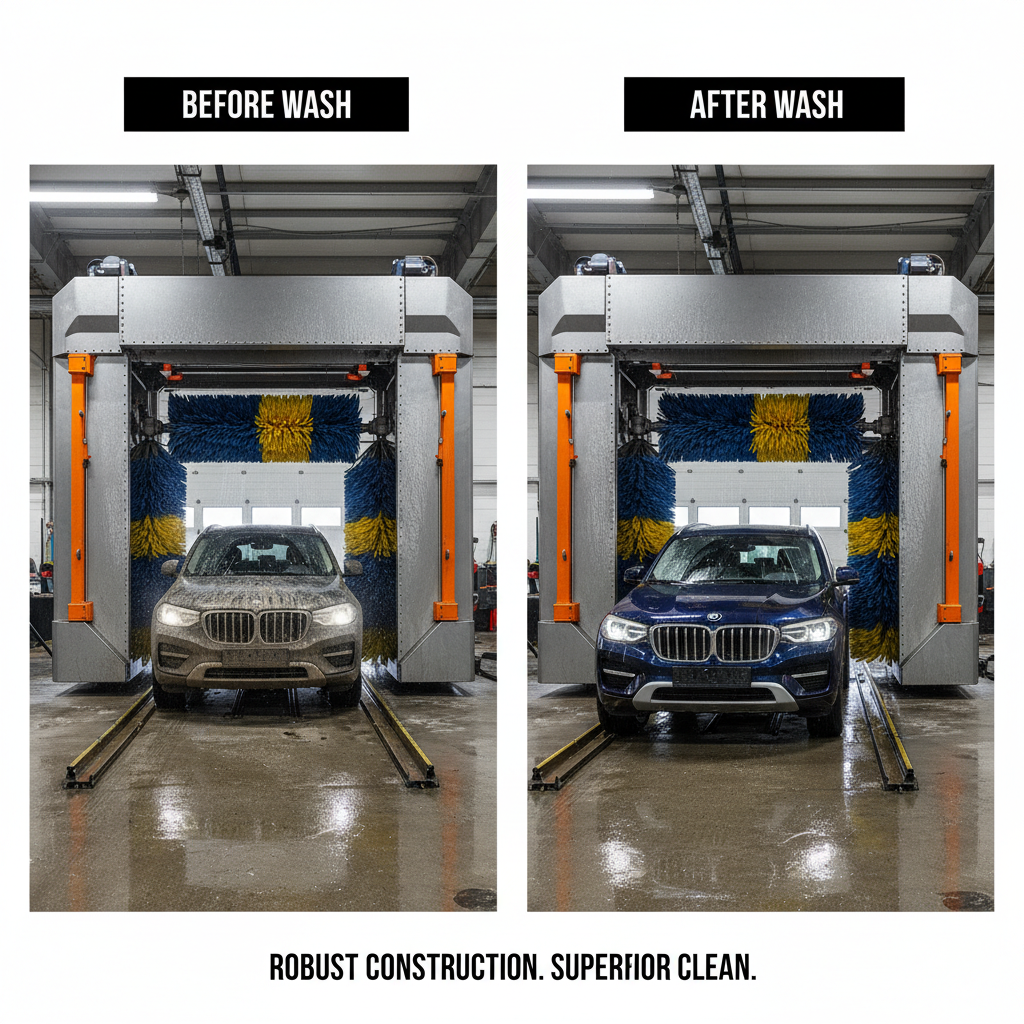
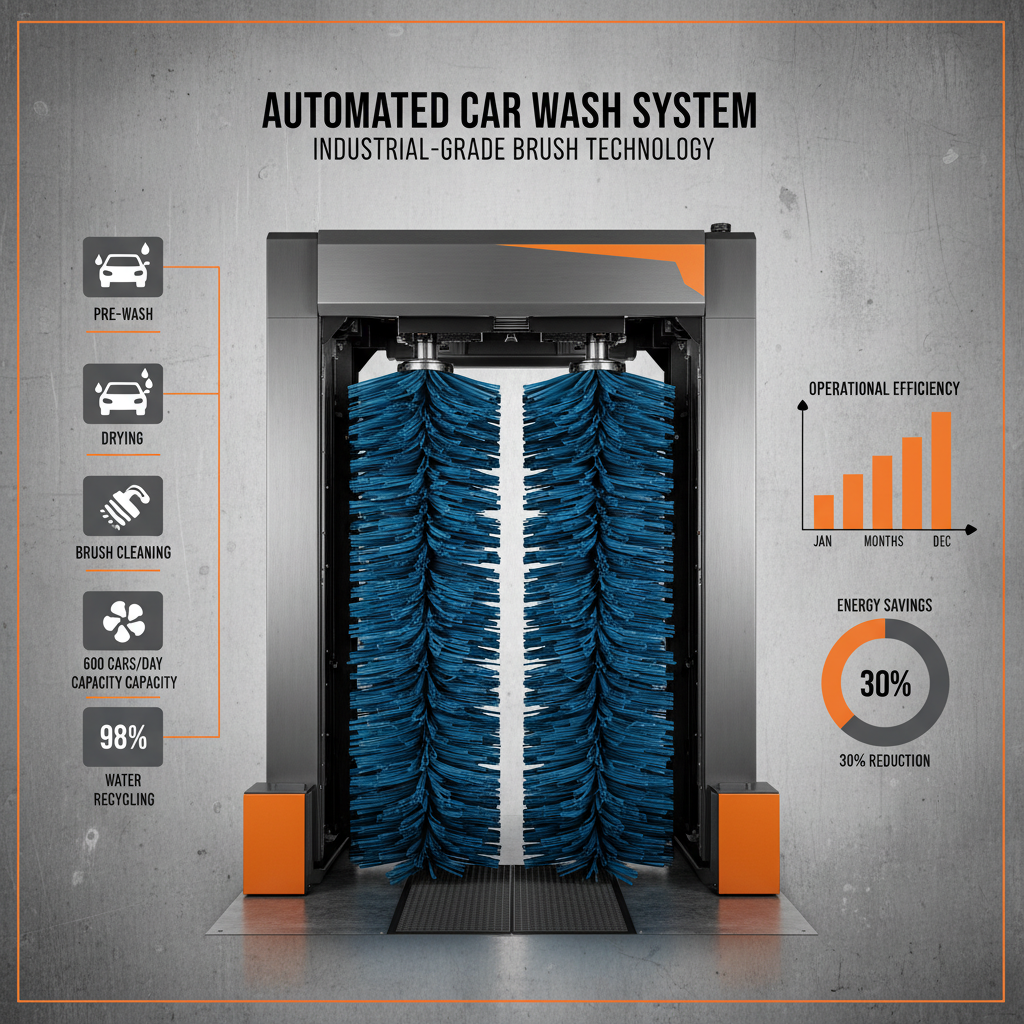
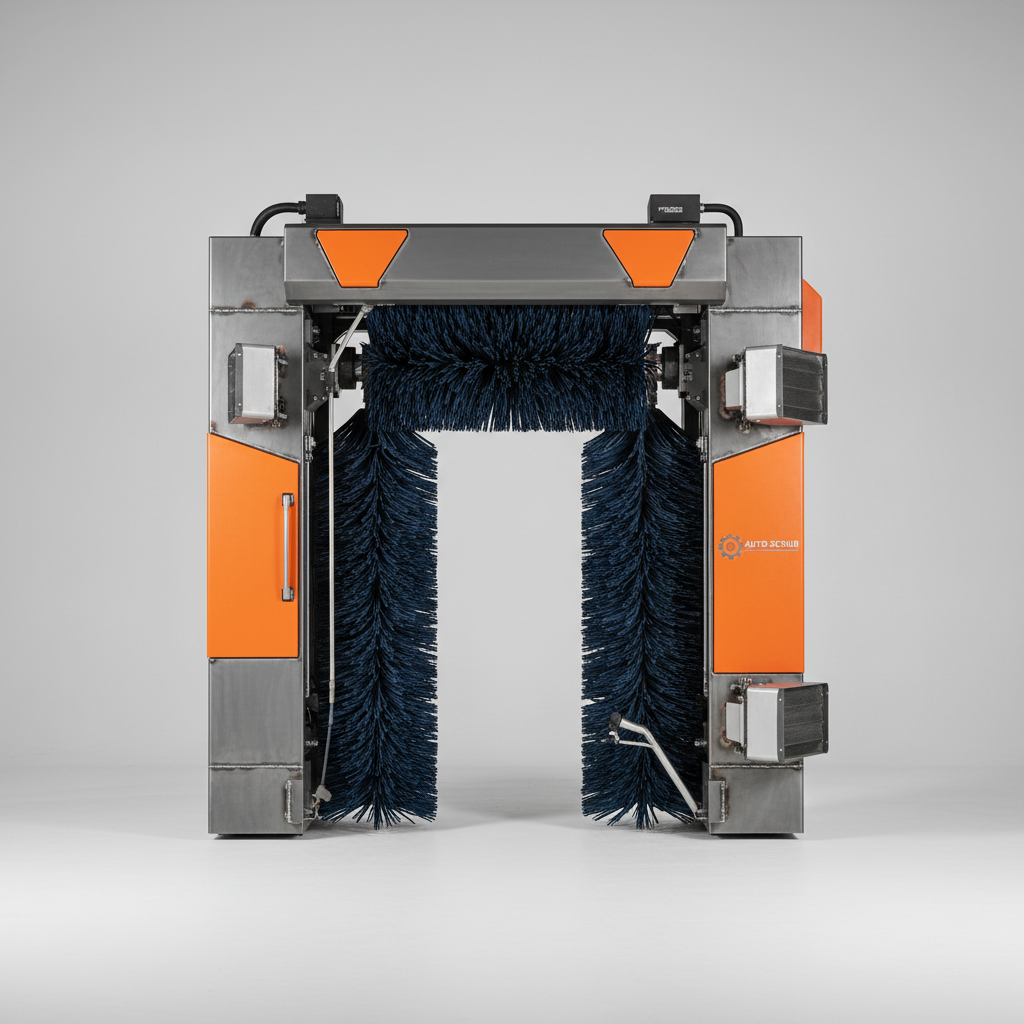
The modern automotive care industry has seen a dramatic shift toward automation, where the efficiency of a car brush washer has become the gold standard for high-volume cleaning operations. By combining mechanical agitation with precise chemical application, these systems ensure that vehicles are cleaned thoroughly without the exhaustive labor hours associated with manual scrubbing.
Globally, the demand for streamlined vehicle maintenance is rising as urban populations grow and the value of time increases. Implementing a professional car brush washer allows business owners to maximize throughput while maintaining a consistent quality of service, which is essential for brand loyalty in the competitive car wash market.
Understanding the nuances of brush technology—from bristle material to rotational speed—is key to optimizing the longevity of the vehicle's paintwork. This guide explores the technical evolution, practical applications, and future trends of the car brush washer to help operators make informed investment decisions.
Global Relevance and Industry Context of Car Brush Washers
In the global automotive sector, the car brush washer serves as a critical tool for maintaining vehicle hygiene and preserving asset value. With the rise of ride-sharing services and corporate fleet management, the need for rapid, reliable cleaning has moved from a luxury to a logistical necessity. According to industry standards, automated cleaning reduces water waste by up to 40% compared to traditional hose-and-bucket methods, aligning with ISO 14001 environmental management goals.
The primary challenge facing the industry has been the balance between aggressive cleaning power and the prevention of surface marring. As automotive paint finishes become more complex and delicate, the engineering behind the car brush washer has evolved to incorporate softer, high-density polymers that lift dirt without scratching the clear coat.
Defining the Modern Car Brush Washer System
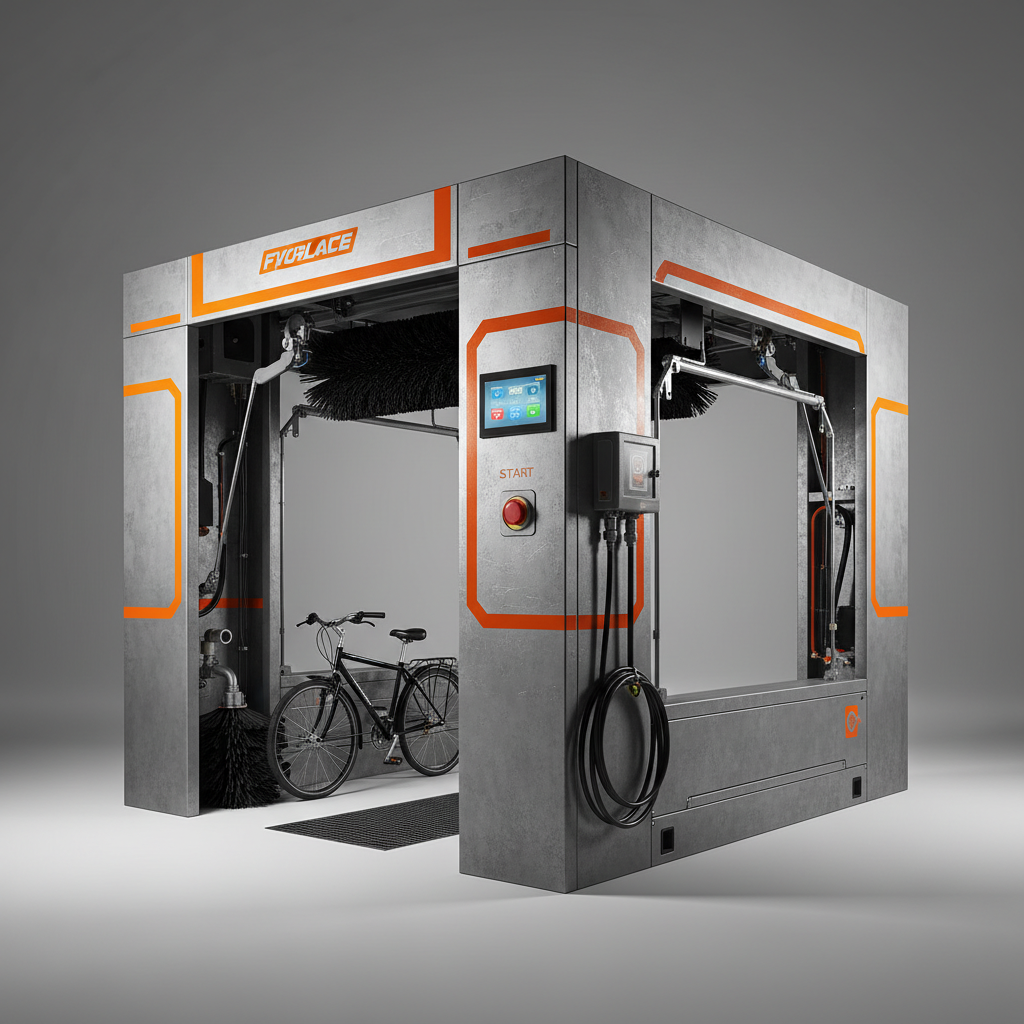
A car brush washer is an automated mechanical system designed to remove contaminants from vehicle surfaces using rotating brushes, high-pressure water jets, and specialized detergents. Unlike touchless systems, the brush-based approach provides physical agitation, which is far more effective at removing stubborn road grime, insect residue, and industrial fallout that water pressure alone cannot displace.
From an industrial perspective, these systems are integrated into larger car washing machines, utilizing PLC (Programmable Logic Controller) systems to ensure that the brushes contour perfectly to the vehicle's shape. This precision prevents damage to mirrors and antennas while ensuring every square inch of the chassis is treated, making it a vital component for professional detailing centers.
Beyond commercial car washes, the car brush washer is essential for humanitarian and industrial needs, such as cleaning emergency response vehicles in disaster zones or maintaining heavy-duty machinery in mining sectors where grease and mud accumulation can lead to mechanical failure.
Core Components for Maximum Cleaning Efficiency
The effectiveness of a car brush washer relies heavily on the quality of its bristles. Modern systems utilize closed-cell foam or soft polyethylene fibers that hold water and lubricant, reducing friction against the paint while maximizing the surface area contact for dirt removal.
Another critical element is the rotational dynamics and pressure control of the car brush washer. Variable Frequency Drives (VFDs) allow the machine to adjust the brush speed based on the vehicle size and soil level, ensuring a balanced clean that doesn't overstress the vehicle's structural components.
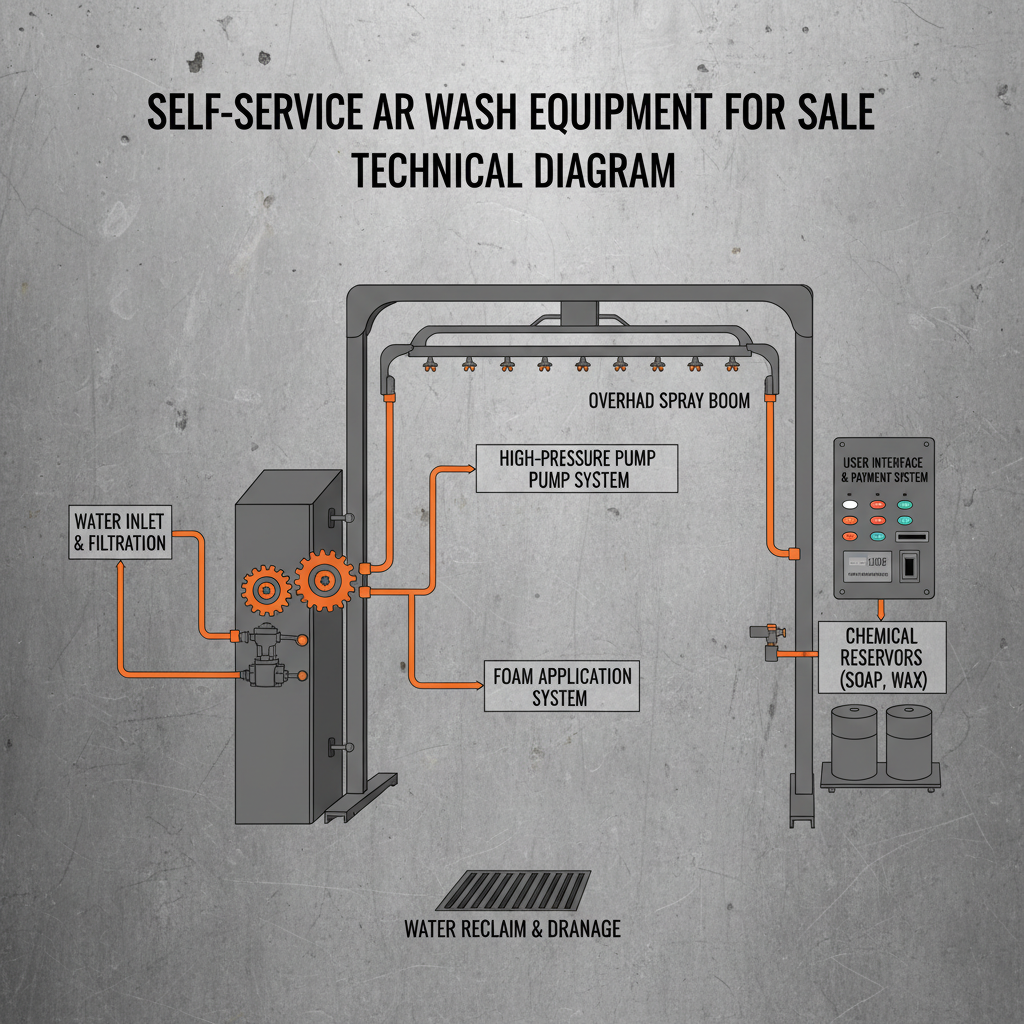
Finally, the chemical delivery system integrated into the car brush washer ensures that surfactants are applied evenly. This chemical synergy breaks the ionic bond between the dirt and the paint, allowing the brushes to glide smoothly and rinse away pollutants without leaving streaks.
Performance Metrics and Cost-Effectiveness
When evaluating a car brush washer, operators typically look at three key metrics: cycle time, water consumption per vehicle, and the lifespan of the brush filaments. A high-efficiency system can reduce the washing cycle to under five minutes, significantly increasing the daily revenue potential of a washing station.
Moreover, the ROI of a professional car brush washer is realized through lowered labor costs and optimized chemical usage. By automating the scrubbing process, businesses can redirect their manpower toward higher-value tasks like interior detailing and customer relationship management.
Operational Efficiency Comparison of Car Brush Washer Types
Global Applications and Commercial Use Cases
The application of the car brush washer extends far beyond the neighborhood car wash. In North America and Europe, large-scale logistics hubs use these systems to maintain thousands of delivery vans, ensuring that corporate branding remains pristine and reflective of a professional image.
In regions like Southeast Asia and Latin America, where dust and mud are prevalent due to climate and infrastructure, the car brush washer is indispensable for fleet operators. Its ability to handle heavy soil loads quickly makes it the only viable solution for maintaining hygiene in high-pollution urban environments.
Long-term Value and Sustainability Benefits
Investing in a high-quality car brush washer provides long-term economic stability by reducing the reliance on expensive manual labor. Over a five-year period, the reduction in water waste and the precision of chemical dosing lead to significantly lower operational overheads, allowing for more competitive pricing for the end consumer.
From a sustainability standpoint, modern car brush washer systems are often paired with water reclamation units. These units filter and recycle up to 80% of the water used in the process, drastically reducing the ecological footprint of the business and ensuring compliance with increasingly strict environmental laws.
Furthermore, the emotional value provided to the customer—trust in a consistent, scratch-free finish—builds long-term brand equity. When a client knows that the car brush washer uses advanced materials, they feel more secure leaving their high-value vehicle in the machine's care.
Future Trends and Technological Innovations
The future of the car brush washer lies in the integration of AI and sensor-based technology. Next-generation systems are utilizing LiDAR and 3D cameras to map the vehicle's geometry in real-time, allowing the brushes to adjust their pressure and angle dynamically for every single car, regardless of its make or model.
Materials science is also playing a role, with the development of nano-coated filaments for the car brush washer that repel grime and resist wear. This increases the interval between brush replacements and ensures that the cleaning surface remains hygienic, preventing the transfer of old dirt from one car to another.
Lastly, the shift toward "Green Tech" is pushing the industry toward biodegradable detergents and solar-powered operation. The car brush washer of tomorrow will be a carbon-neutral entity that provides showroom-quality results while contributing zero waste to the local ecosystem.
Comparative Analysis of Car Brush Washer Technical Specifications
|
Washer Model Type
|
Bristle Material
|
Average Cycle Time
|
Sustainability Score (1-10)
|
| Eco-Soft Series |
Closed-cell Foam |
4.5 Minutes |
9 |
| Turbo-Clean Pro |
PE Polyethylene |
3.0 Minutes |
7 |
| Fleet-Master X |
Nylon Blend |
2.5 Minutes |
6 |
| Precision-Glide |
Microfiber Composite |
5.0 Minutes |
8 |
| Industrial-Titan |
Heavy-Duty Poly |
6.0 Minutes |
5 |
| Smart-Wash AI |
Hybrid Adaptive |
3.5 Minutes |
10 |
FAQS
Modern car brush washer systems use high-density closed-cell foam or soft PE bristles designed to lift dirt without abrasive friction. As long as the equipment is properly maintained and the brushes are replaced according to the manufacturer's schedule, the risk of scratching is virtually eliminated, providing a safe and effective clean.
Replacement intervals depend on the volume of vehicles processed, but typically, brushes should be inspected monthly and replaced every 6 to 12 months. Worn bristles lose their ability to hold lubricant and can become abrasive, so timely replacement is crucial for maintaining the quality of the car brush washer performance.
Yes, for heavy soil and road grime, a car brush washer is generally more effective. While touchless systems rely solely on chemicals and pressure, the physical agitation of the brushes breaks down stubborn contaminants that water alone cannot move, resulting in a deeper clean for the vehicle.
Absolutely. Most professional car brush washer setups are designed to work with reclamation systems. These systems filter out solids and oils, allowing the water to be reused in the initial wash phases, which drastically reduces utility costs and environmental impact.
Energy consumption varies by motor size and PLC complexity, but modern car brush washer units utilize energy-efficient VFDs to optimize power draw. Most systems are designed to minimize idle energy and only peak during the active scrubbing and rinsing phases.
Choose closed-cell foam for premium, high-end detailing where paint protection is the priority. For fleet or industrial applications where vehicles are heavily soiled with mud or grease, a more durable polyethylene or nylon blend in the car brush washer is recommended for longevity and scrubbing power.
Conclusion
The implementation of a professional car brush washer is a strategic investment that bridges the gap between high-volume operational needs and the delicate requirements of modern automotive finishes. By focusing on the synergy of soft-material engineering, precise rotational control, and sustainable water management, operators can ensure a superior cleaning result that maximizes both efficiency and vehicle longevity.
Looking forward, the integration of AI and eco-friendly materials will further redefine the capabilities of the car brush washer, making it an indispensable part of a sustainable urban infrastructure. For those looking to elevate their vehicle maintenance standards and scale their business, upgrading to an automated system is the most logical path toward long-term success. Visit our website: www.dycarwasher.com