Selecting the right company car washing machine involves more than just comparing prices; it requires a strategic understanding of throughput, vehicle diversity, and operational costs. For businesses managing corporate fleets or investing in automated wash centers, the shift toward PLC-controlled systems has redefined efficiency and vehicle safety.
The modern vehicle cleaning landscape is now dominated by precision engineering, where sensors automatically detect car width and length to prevent body damage. This transition from manual labor to high-automation equipment minimizes human error while maximizing the number of vehicles processed per hour.
Whether the goal is a low-investment rolling drum system for minivans or a comprehensive tunnel wash for heavy-duty fleets, the focus remains on balancing energy conservation with aggressive dirt removal. Understanding these technical nuances is critical for any procurement officer aiming for a high return on investment.

Technical Architecture of Automated Wash Systems

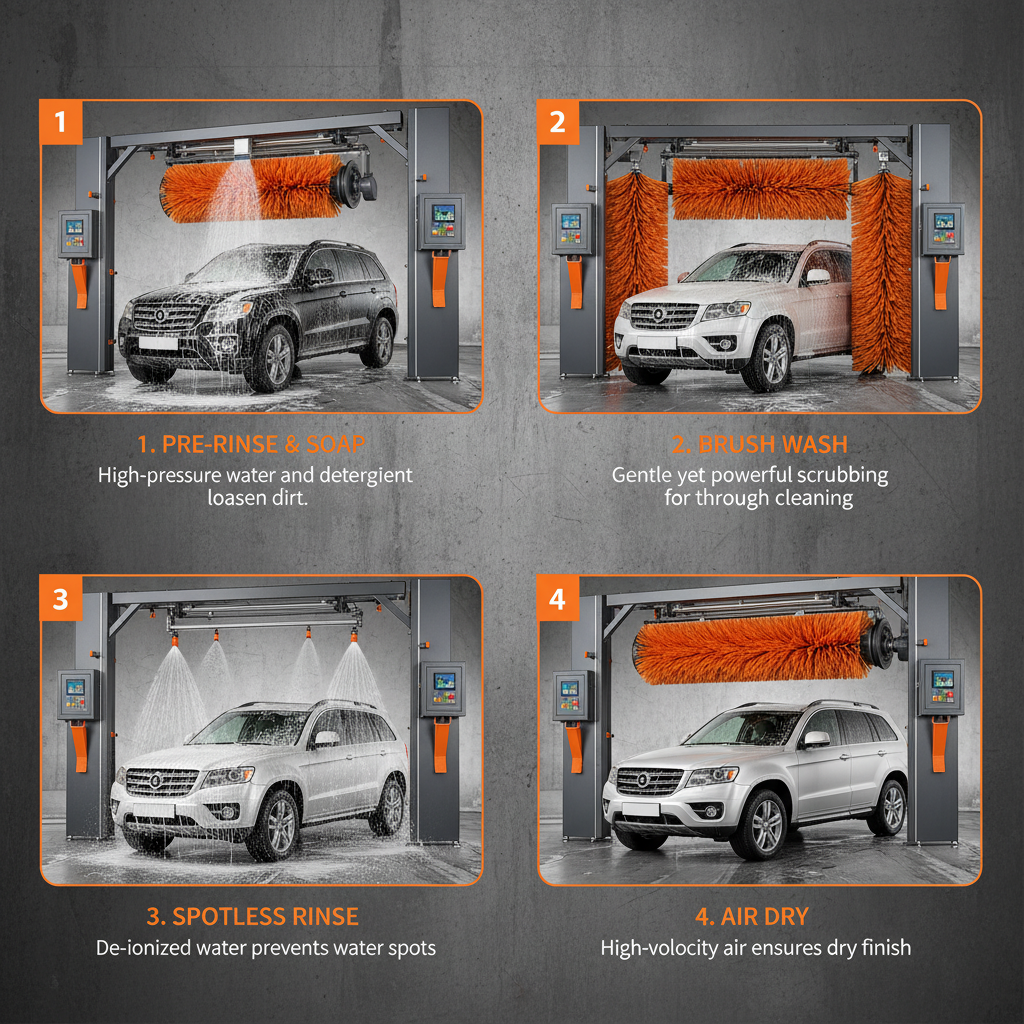
At the heart of a high-performance company car washing machine lies the Programmable Logic Controller (PLC), which serves as the brain of the entire operation. By integrating an automatic vehicle appearance recognition system, the equipment can sense the specific dimensions of a car in real-time, adjusting the distance of the brushes to ensure a thorough clean without risking paint scratches.
The mechanical structure typically employs galvanized steel to resist the corrosive nature of water and cleaning agents. In a standard configuration, a top brush handles the roof, while a combination of skirt brushes and vertical brushes wrap around the sides and front/rear, ensuring no blind spots are left during the cycle.
Furthermore, the integration of human-machine dialogue via touch screen interfaces allows operators to toggle between automatic, manual, and remote control modes. This flexibility is essential for handling non-standard vehicle shapes or performing targeted maintenance on specific components of the machine.
Core Performance Drivers in PLC Control
The efficacy of an automated wash system is measured by its ability to maintain consistency across thousands of cycles. PLC control enables precise timing for the spray, foam, and drying phases, reducing water waste and chemical overuse while ensuring a uniform finish on every vehicle.
Beyond basic movement, these systems incorporate fault detection and alarm systems that instantly notify operators of pneumatic or electrical irregularities. This proactive approach to maintenance reduces downtime and extends the lifecycle of the main electronic components, which are typically sourced from globally recognized manufacturers.
The drying phase is equally critical; high-power fans are strategically positioned to remove water rapidly, eliminating the need for manual wiping and significantly increasing the hourly throughput of the facility.
Strategic Application Across Different Vehicle Scales
Depending on the business model, the choice of equipment varies significantly. For small to medium investments, rolling or reciprocating drum machines are ideal due to their small space requirements. These are particularly effective for minivans and standard passenger cars, where the machine moves while the car remains stationary.
For larger operations, such as bus depots or logistics hubs, tunnel-type and specialized heavy-duty washing machines are required. These systems handle larger volumes and dimensions, often incorporating specialized bottom-wash functions to remove road grime and salt from the undercarriage, which is vital for fleet longevity.
The versatility of these solutions allows companies to customize their setup. For instance, integrating a water-wax cleaning solution not only removes stubborn dirt but adds a protective layer to the vehicle body, adding value to the service provided.
Analyzing Efficiency and Resource Consumption Metrics
Operating a commercial car wash requires a strict analysis of water and power consumption. A standard automatic system typically consumes between 80 to 120 liters per car, a figure that is significantly lower than traditional manual high-pressure washing when accounting for runoff and waste.
When evaluating performance, the "Cars Per Hour" (CPH) metric is the most critical. A well-optimized reciprocating system can handle 20-25 cars per hour, providing a stable balance between cleaning quality and speed.
company car washing machine Performance Metrics
The chart illustrates that automated systems significantly outperform manual benchmarks in terms of consistency, water efficiency, and labor reduction, although they require a higher initial capital expenditure.
Procurement Best Practices for Commercial Wash Equipment
When sourcing a washing system, the primary focus should be on the "Total Cost of Ownership" rather than the initial sticker price. This includes the cost of energy (typically 6-22kw), water utility fees, and the frequency of brush replacements.
Prospective buyers should verify the origin of critical components. Pneumatic devices and sensing elements imported from Europe or Japan typically offer higher reliability and longer service lives in humid environments compared to generic alternatives.
Additionally, ensure the supplier provides comprehensive technical training and supports customization. Since site requirements (such as a 10000420003200mm space for certain models) are stringent, a factory-direct partner who can offer site inspections is invaluable.
Future Directions in Eco-Friendly Cleaning Technology
The industry is moving toward a closed-loop water recycling model, where filtered water is reused in the initial spray phases to further reduce environmental impact. This aligns with global mandates for water conservation in the specialized equipment manufacturing sector.
We are also likely to see the integration of AI-driven diagnostics that can predict component failure before it occurs, moving from "fault detection" to "predictive maintenance." This could potentially reduce operational risks and further lower the long-term maintenance cost.
The adoption of biodegradable, high-efficiency detergents that work effectively at lower temperatures is another expected trend, reducing the energy required to heat water for specific cleaning cycles.
Comparative Analysis of Automatic Washing Solutions
Selecting between different automatic types requires a match between the vehicle fleet profile and the expected volume. While tunnel washes offer the highest speed, reciprocating machines offer the best flexibility for varied vehicle sizes.
The following table compares the primary operational dimensions of common automated solutions to assist in the decision-making process.
| Solution Type | Best Use Case | Space Requirement | Investment Level |
|---|---|---|---|
| Reciprocating Wash | Small-Mid Businesses | Moderate | Medium |
| Tunnel System | High Volume Hubs | High | High |
| Rolling Drum | Minivans/Compacts | Low | Low |
| Contactless Wash | Premium Paint Care | Moderate | Medium-High |
| Bus Wash System | Public Transport | Very High | High |
| Customized Hybrid | Mixed Fleet Needs | Variable | Custom |
Ultimately, the choice should depend on the projected daily car count and the available physical footprint of the installation site.
Frequently Asked Questions
Conclusion
Investing in a professional company car washing machine is a strategic move toward operational efficiency and cost reduction. By prioritizing PLC-driven precision, high-grade galvanized materials, and energy-saving components, businesses can ensure a reliable service that protects vehicle assets while maximizing throughput.
For those evaluating specific technical configurations or seeking a tailored solution for their fleet, detailed product and company information can be explored through www.dycarwasher.com.