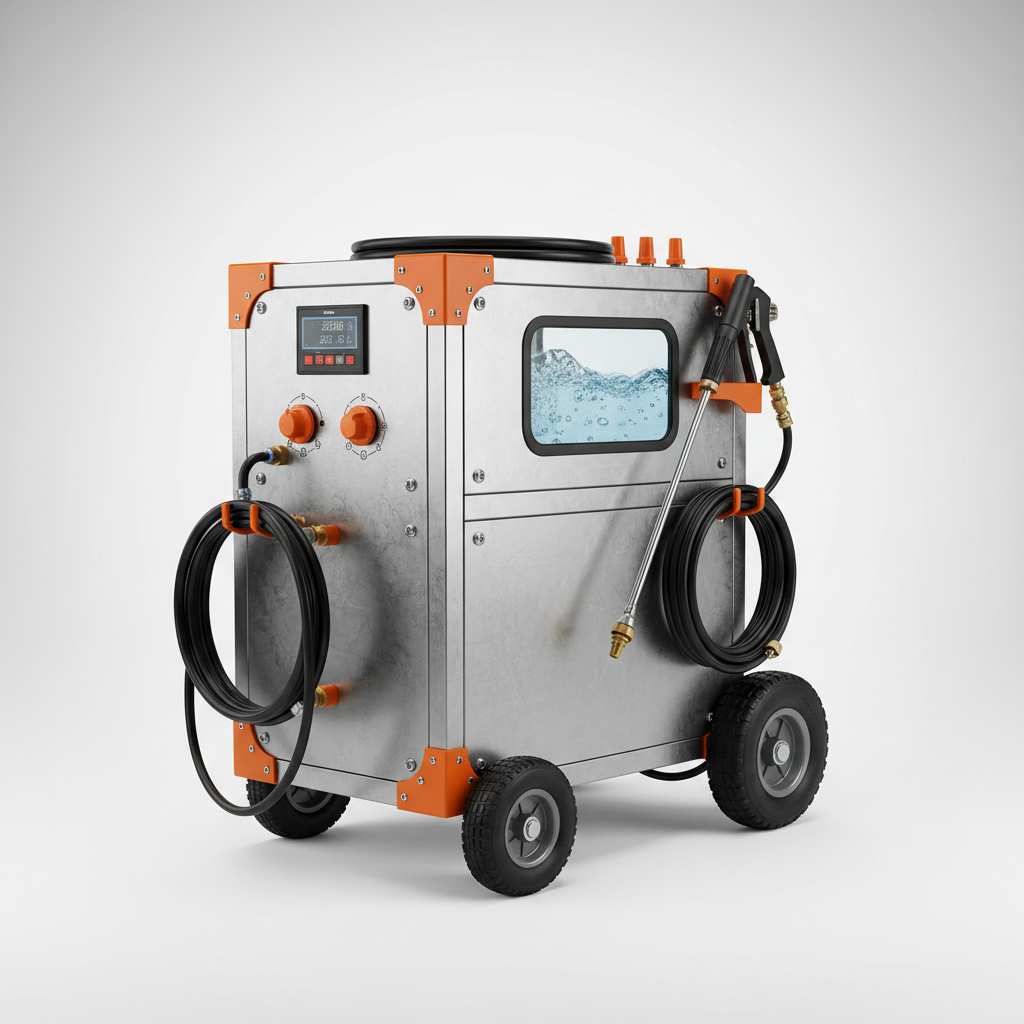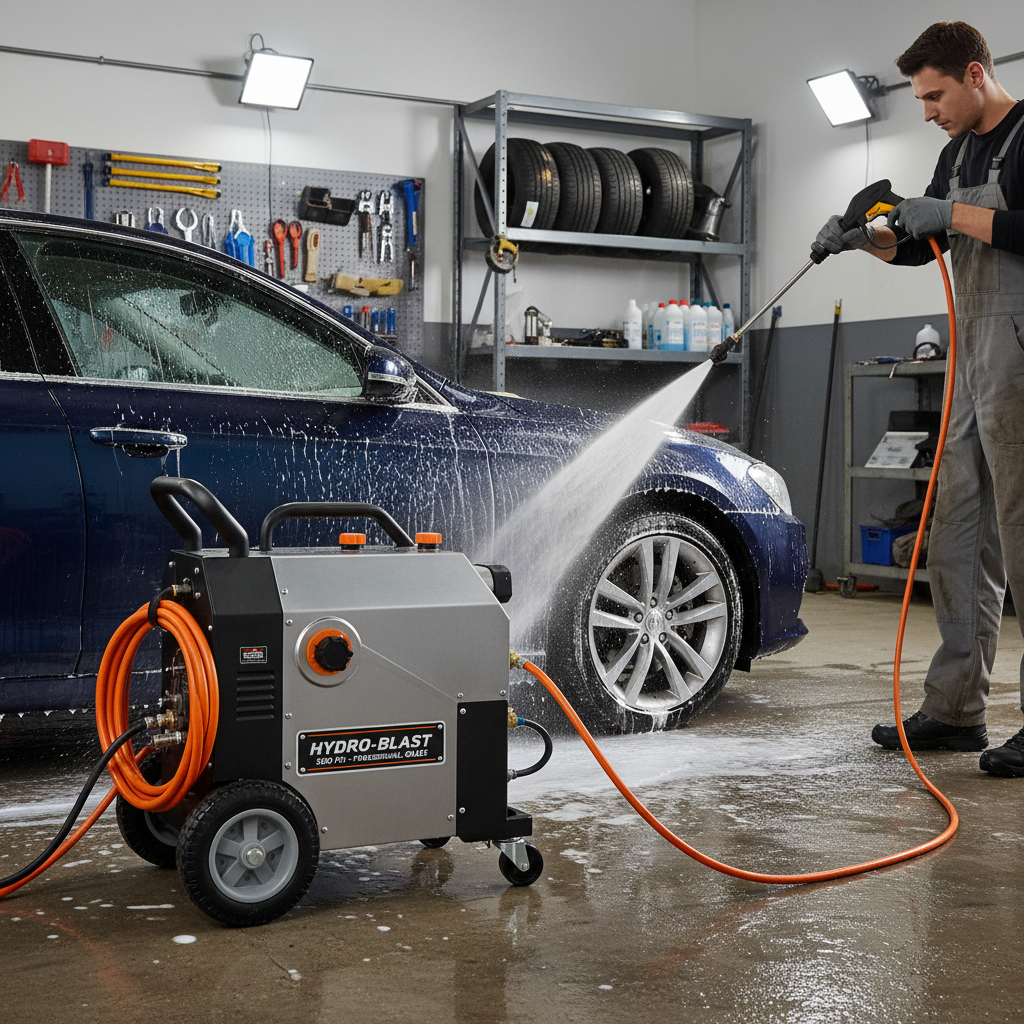
Establishing a partnership with a reliable car washing machine factory is a critical strategic decision for automotive service entrepreneurs and fleet managers. In the specialized field of environmental protection equipment manufacturing, the quality of automation determines not only the throughput of a facility but also the long-term preservation of vehicle finishes and operational sustainability.
Procuring high-capacity equipment involves navigating complex technical specifications, from PLC-controlled brush sensing to water consumption efficiency. Many buyers struggle to balance the need for high-speed cleaning with the requirement for non-destructive brushing technology, often leading to costly errors in equipment selection or installation.
This guide provides a professional framework for evaluating manufacturers, detailing the core technical architecture of modern automatic systems, and outlining the specific parameters required to optimize return on investment in the vehicle cleaning sector.

Essential Standards for Factory Evaluation

When vetting a car washing machine factory, the focus must shift from price points to manufacturing capability and engineering rigor. A professional manufacturer should demonstrate a comprehensive production base—such as the 3000 square meter workshop utilized by Xingtai Dingyuan—to ensure they can handle customized orders and maintain consistent quality control across different machine models.
Key evaluation criteria include the factory's ability to integrate internationally recognized electrical components, the precision of their galvanized structural piping, and their capacity to provide end-to-end support, including technical training and on-site debugging. Factories that specialize in environmental protection equipment typically prioritize energy-saving automation and water-efficient delivery systems.
Core Technical Architecture of Automatic Systems
Modern automatic car wash systems rely on a synergy of PLC (Programmable Logic Controller) intelligence and precision mechanical sensing. The architecture typically centers on a touch screen control system that enables human-machine dialogue in multiple languages, allowing operators to switch between automatic, manual, and remote control modes effortlessly.
Advanced systems utilize photoelectric detection and proximity sensors to automatically recognize vehicle dimensions (length, width, and height). This ensures that the brushes maintain a safe distance from the car body, preventing damage while maximizing cleaning coverage. The integration of variable frequency adjustments in top brushes further enhances the system's ability to adapt to various vehicle profiles in real-time.
Operational Workflow and Component Integration
The efficiency of a reciprocating car wash system is defined by its sequential operation: high-pressure washing, automatic brushing, chemical application, and high-power air drying. For instance, a typical 5-brush configuration employs one top brush for the roof, two side vertical brushes for the body, and two group brushes specifically for the wheel hubs and tires.
To ensure long-term stability, the hardware must include IP68 waterproof motors and high-quality anti-flexible pipes. The use of a water-wax cleaning solution not only removes dirt but provides a protective layer for the vehicle. This entire process is usually completed within 150 to 360 seconds per vehicle, balancing thoroughness with commercial throughput requirements.
Comparative Performance Metrics by Configuration
Different equipment configurations impact operational efficiency and resource consumption. By analyzing a normalized performance index, buyers can determine which system best suits their specific volume of traffic and utility constraints. The following data represents a conceptual comparison of efficiency drivers across various system types.
As illustrated, high-automation reciprocating systems offer a balanced ratio of speed to water consumption (typically 80L to 120L per vehicle), whereas tunnel systems prioritize volume at the cost of higher initial installation space. The integration of 4kW fan drying motors significantly reduces the final drying time, which is often the primary bottleneck in high-traffic locations.
Site Implementation and Installation Requirements
Planning the installation dimension is as critical as selecting the machine itself. For a standard automatic unit, the installation space may require dimensions around 10000x4500x3500mm to accommodate the traveling rails and safety buffers. Improper spacing can lead to operational malfunctions or safety hazards during the vehicle entry and exit phases.
Electrical infrastructure must support the total power draw—often reaching approximately 23KW for integrated systems with air drying. This includes the main power, pump power, air compressor, and the high-power drying fans. Ensuring the electrical components have advanced waterproof grades is mandatory to prevent short circuits in the high-moisture environment of a car wash bay.
Risk Mitigation in Equipment Procurement
One of the most frequent mistakes in procurement is overlooking the "hidden" costs of maintenance and the origin of electronic components. Reliability is directly tied to the quality of the PLC controllers and proximity protectors. Systems using renowned international brands for these components generally exhibit lower failure rates and easier sourcing for replacement parts.
Furthermore, buyers should insist on a fully automatic fault detection and alarm system. This allows for immediate troubleshooting via the touch screen, reducing downtime. Without an integrated vehicle appearance recognition system, the risk of equipment collision increases, leading to potential liability and expensive repairs to both the machine and the customer's vehicle.
Manufacturer Selection Framework
Selecting the right car washing machine factory requires a side-by-side comparison of technical capabilities and service offerings. Whether opting for a reciprocating, tunnel, or contactless system, the decision should be based on the specific needs of the target vehicle fleet and the available site footprint.
| System Type | Primary Strength | Ideal Application | Main Consideration |
|---|---|---|---|
| Reciprocating | Space Efficiency | Small to Mid-size Bays | Cycle Time per Car |
| Tunnel Type | High Throughput | Commercial Car Washes | Large Space Requirement |
| Contactless | Zero Scratch Risk | Premium Detail Centers | Higher Water Usage |
| Bus Washing | Heavy Duty Scale | Fleet Depots | High Power Demand |
| Customized | Specific Fit | Unique Site Constraints | Longer Lead Times |
| Integrated Air-Dry | Complete Service | Full-Service Stations | Electrical Load |
Ultimately, the choice should align with the operator's business model. For those prioritizing a balance of automation, speed, and cost-effectiveness, an integrated automatic system with PLC control and an air-drying system provides the most versatile solution for modern automotive cleaning.
Frequently Asked Questions
Buyers should verify the PLC controller brand, the waterproof rating of motors (e.g., IP68), the total power consumption, water usage per vehicle (80L-120L is standard), and the presence of a fault detection alarm system.
The system uses photoelectric and proximity sensors to detect the exact length, width, and height of the vehicle, allowing the PLC to adjust the brush distance and contour automatically in real-time.
Reciprocating machines move back and forth over a stationary vehicle, saving space, while tunnel machines move the vehicle through a series of stationary cleaning modules for maximum throughput.
Yes, professional factories like Xingtai Dingyuan support customization of machine styles, sizes, and functions to accommodate specific vehicle types, such as buses or oversized commercial vehicles.
A fully integrated system typically requires a total power capacity of around 23KW, split between the main power, pumps, air compressors, and high-power drying fans.
High-efficiency machines use multiple high-power fans (e.g., four 4kW fans) to provide a strong, fast air-drying effect that minimizes water spots and speeds up vehicle turnover.
Conclusion
Selecting a car washing machine factory requires a technical approach that prioritizes automation intelligence, structural durability, and operational efficiency. By focusing on PLC integration, precise sensing technology, and robust electrical components, operators can ensure a high-throughput facility that protects vehicle assets while minimizing maintenance overhead.
For businesses evaluating specialized vehicle cleaning solutions, detailed product specifications and manufacturer capabilities can be reviewed at www.dycarwasher.com to ensure the equipment aligns with site requirements and commercial goals.