Efficient Cleaning Car Equipment for Industrial Use | Dycar Washers
Cleaning Car Equipment: What Every Industrial Pro Should Know
Having spent over a decade in the industrial equipment sector, I’ve seen firsthand how crucial proper cleaning is for car washing systems. It’s not just about looks — well, okay, partly — but more so about maintenance, performance, and extending equipment life. Oddly enough, many operators underplay this aspect until something breaks down. And frankly, no one wants downtime, especially in this business.
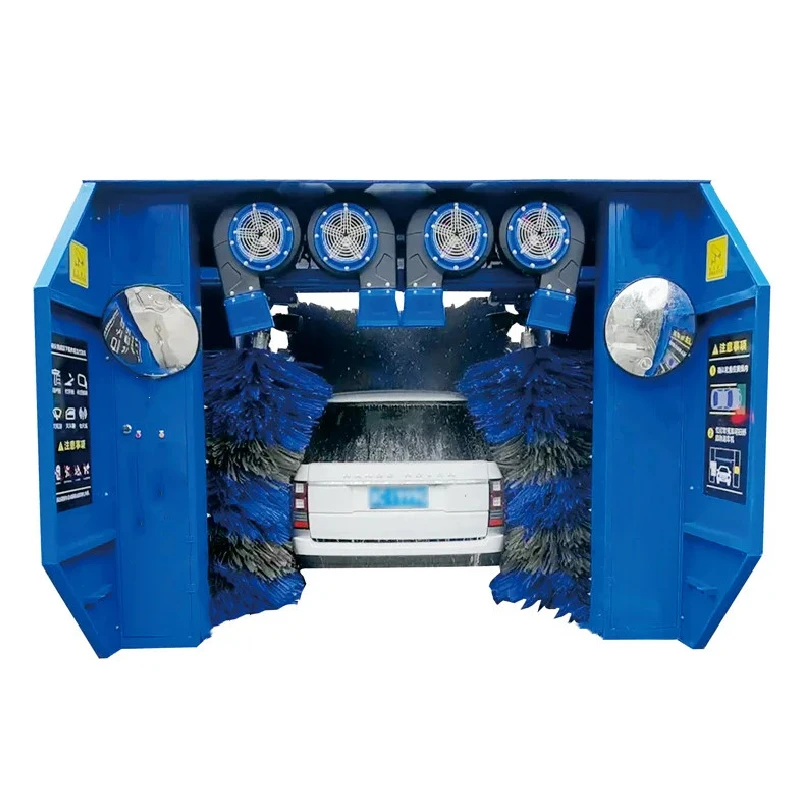
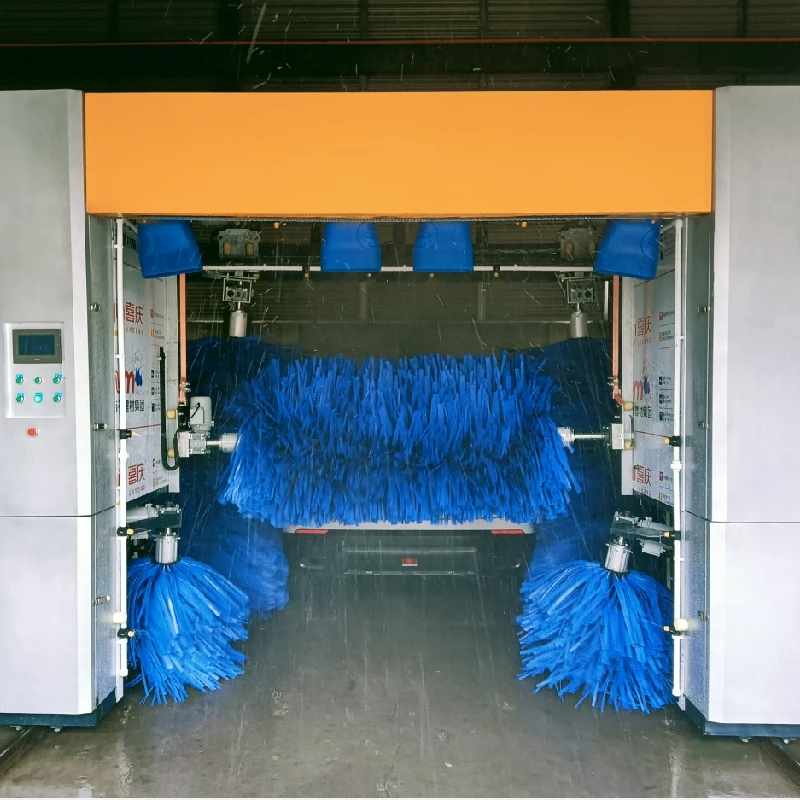
The trend lately leans heavily toward automated, eco-friendly car washers that prioritize water conservation and user safety. But behind all that tech is usually some fairly straightforward cleaning equipment — pumps, brushes, nozzles, filters, and control panels — that need regular TLC. During my recent site visit to a client using Dycar Washers, I noticed how their cleaning rigs stood out for durability and ease of maintenance, which frankly says a lot in this industry.
Let's talk specs first, since details matter. These machines often run on industrial-grade motors with robust stainless steel frames. The cleaning chemicals used have to be compatible with metal and rubber parts to avoid corrosion or wear — something I’ve learned the hard way from earlier projects where mismatched detergents led to premature nozzle failure.
| Feature | Specification |
|---|---|
| Power Consumption | 3.5 kW |
| Water Usage | 50 L/min (recyclable water system) |
| Material | Stainless steel frame & UV-resistant ABS panels |
| Nozzle Types | Rotary, Foam, High-pressure spray |
| Control System | PLC with touchscreen interface |
From my experience, one must regularly check for worn-out brushes or nozzles clogging, especially if the water source isn’t perfectly clean. One customer I worked with had persistent clogging issues until we introduced a pre-filter system along with routine monthly flushes of the lines — a small fix that eliminated service calls for months.
Customization can be key too — certain clients prefer foam-enabled nozzles for better chemical coverage, while others opt for rotary brushes to target tough grime on vehicle undersides. Many engineers say tailoring the system simplifies operation and reduces cleaning cycles. I suppose it’s the same principle as any tool: the better it fits your job, the more efficient it is.
| Vendor | Water Efficiency | Maintenance Ease | Build Quality | Price Range |
|---|---|---|---|---|
| Dycar Washer | High (recycling system) | User-friendly, modular parts | Robust stainless steel & ABS | $$$ |
| AutoClean Pro | Medium | Moderate, some proprietary parts | Heavy steel frame | $$ |
| EcoWash Systems | Very High (waterless tech) | Complex, requires specialist tech | Light alloy frame | $$$$ |
In real terms, investing in quality cleaning equipment pays off, not just in vehicle appearance but in lowering downtime and service costs. Dycar’s line, for instance, feels like it was engineered with both operators and end-users in mind—simple enough to maintain yet technically sound.
Final thought: If you’re running a car wash or maintaining a fleet, don’t skimp on cleaning equipment quality or schedule. It’s one of those things that quietly saves you headaches down the line.
References:
1. Industry testing reports, 2022
2. Manufacturer product manuals, Dycar Washer, 2023
3. Interviews with field engineers, 2023
-
Best High Pressure Water Jet for Car Wash and Detailing GuideNewsApr.16,2026
-
Professional High Pressure Water Car Wash Systems GuideNewsApr.09,2026
-
Unlock a Professional Shine with High Pressure Spray Wax TechnologyNewsApr.07,2026
-
Choosing the Right High Pressure Nozzle for Car Wash and DetailingNewsApr.04,2026
-
Choosing the Right High Pressure Car Cleaner for Optimal Vehicle CareNewsMar.31,2026
-
Investing in a High Power Car Washing Machine for Business EfficiencyNewsMar.28,2026