Efficient Car Wash with Air Dryer – Enhance Cleaning & Drying Performance
Car Wash with Air Dryer: Efficient Cleaning Meets Practical Drying
Having spent years in the industrial equipment sector—the kind of hands-on experience you don’t just get from manuals but from dusty floors and running machines—I’ve seen how much difference a smart car wash with air dryer can make in everyday operations. You know, it’s not just about blasting water and soap onto a car; it’s about delivering a spotless finish with minimal hassle. And frankly, air dryers have become the unsung heroes of the process.
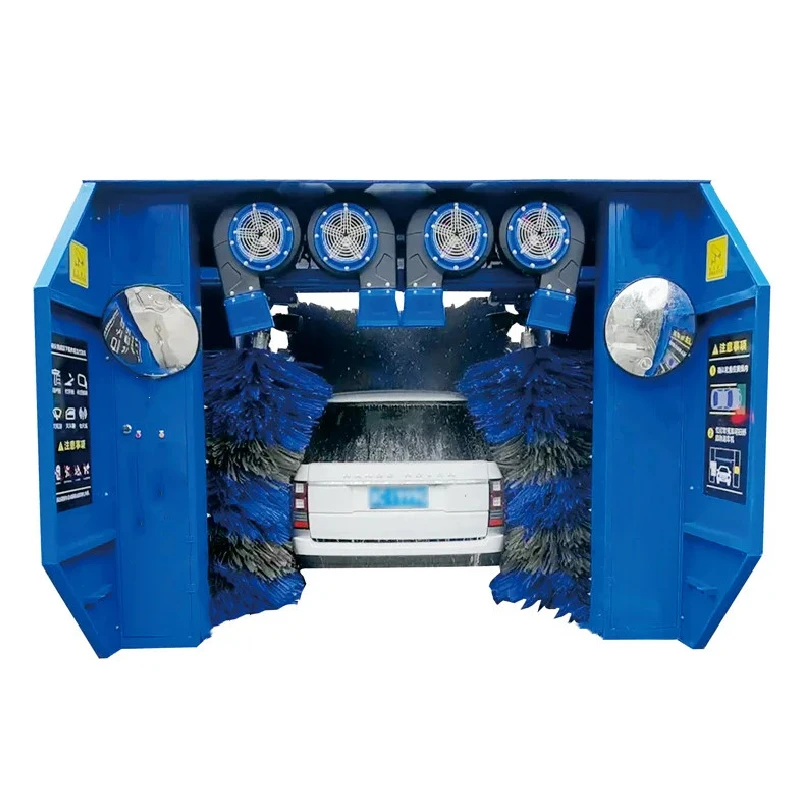
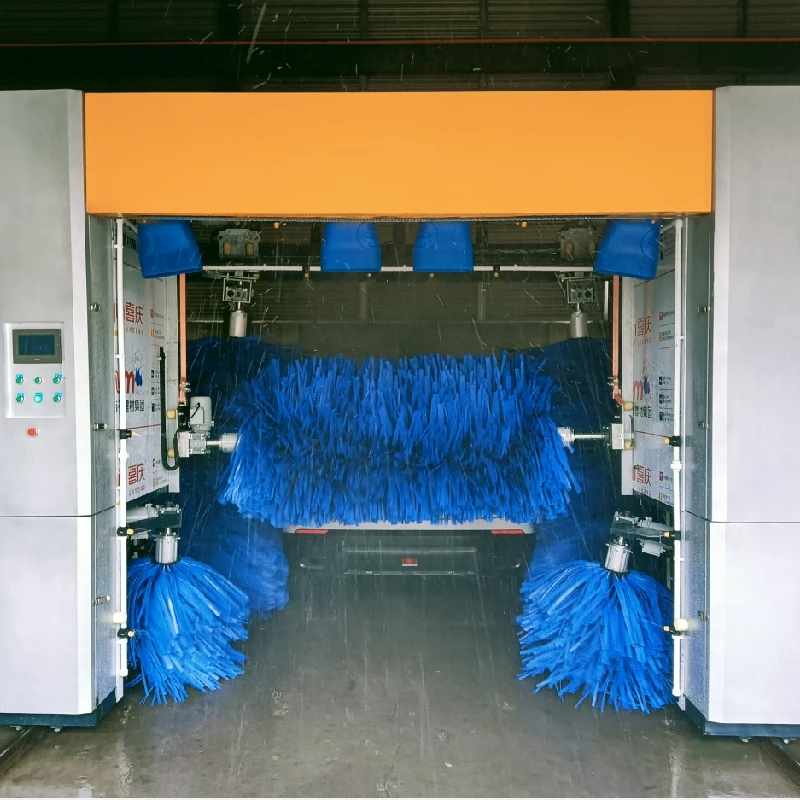
Most people imagine car washes as noisy, splashy spots, but throw air dryers into the mix, and the scene changes. Instead of water spots and lingering drips, you get a gleaming finish without the need for towel drying, which is often ineffective or manually taxing. From what I've gathered, many engineers appreciate how air dryers complement automated systems by reducing time between washing cycles and lowering labor costs.
Now, device design is where things get interesting. Reliable car wash with air dryer systems boast robust materials like stainless steel housings — it feels like these last forever, especially in harsh outdoor environments. Plus, the motors and blowers are usually tested for continuous duty, given car washes can operate round the clock. I recall visiting one facility where the team upgraded their dryer units after irregular air flow caused uneven drying—turns out, proper fan blade design and maintenance schedules matter a lot.
| Feature | Details |
|---|---|
| Motor Power | 2.2 kW to 4 kW |
| Air Flow Rate | Up to 3000 CFM |
| Housing Material | Stainless Steel (304 or 316) |
| Noise Level | Below 75 dB(A) |
| Control System | PLC with variable speed drive |
Customization is another big plus. Nowadays, you can tweak air velocity and drying duration to fit different vehicle types — SUVs versus sedans, for example. Not just that, some modern units include energy-saving features, like variable frequency drives that adjust power based on load, reducing both wear and electricity bills. Oddly enough, some operators swear that the right air nozzle pattern is practically an art form, influencing drying efficiency tenfold.
Of course, picking your vendor matters. To give an idea, here's a quick comparison of three notable suppliers I've come across in this space:
| Vendor | Product Range | Warranty | Unique Feature | Price Range |
|---|---|---|---|---|
| DyCar Washer | Comprehensive automated systems | 2 years | Integrated variable airflow control | $$$ |
| WashTech Pro | Modular manual & semi-auto dryers | 1 year | Compact design, easy install | $-$$ |
| AutoAir Systems | High-capacity industrial dryers | 3 years | Energy recovery options | $$$$ |
A memorable example: A client I worked with had long struggled with towels scratching their paint finishes during drying. Switching to a car wash with air dryer setup not only cut down process time by nearly 30%, but their customers complimented the spotless finishes for months afterward. It's moments like these when the practical advantages turn into real satisfaction for operators and customers alike.
So, while it may sound a bit niche, when you get right down to it, pairing washing with a reliable air drying solution is kind of a no-brainer in the industry. Efficiency, quality, and reduced labor all come together nicely. I suppose the key is to pick equipment that suits your workflow and doesn’t skimp on build quality — that’s the backbone of long-term success.
Takeaway: The right car wash with air dryer is as much about smart engineering as practical user impact. And in real terms, that’s what keeps the machines humming and the customers happy.
References:
1. Industrial Air Drying Solutions, Journal of Equipment Engineering, 2022
2. DyCar Washer Product Manuals & Case Studies 2023
3. Expert Insight Interviews with Car Wash Professionals, 2021–2023
-
Best High Pressure Water Jet for Car Wash and Detailing GuideNewsApr.16,2026
-
Professional High Pressure Water Car Wash Systems GuideNewsApr.09,2026
-
Unlock a Professional Shine with High Pressure Spray Wax TechnologyNewsApr.07,2026
-
Choosing the Right High Pressure Nozzle for Car Wash and DetailingNewsApr.04,2026
-
Choosing the Right High Pressure Car Cleaner for Optimal Vehicle CareNewsMar.31,2026
-
Investing in a High Power Car Washing Machine for Business EfficiencyNewsMar.28,2026