Durable & Efficient Car Wash Stations for Industrial Use | Dycarwasher
Understanding the Modern car wash station
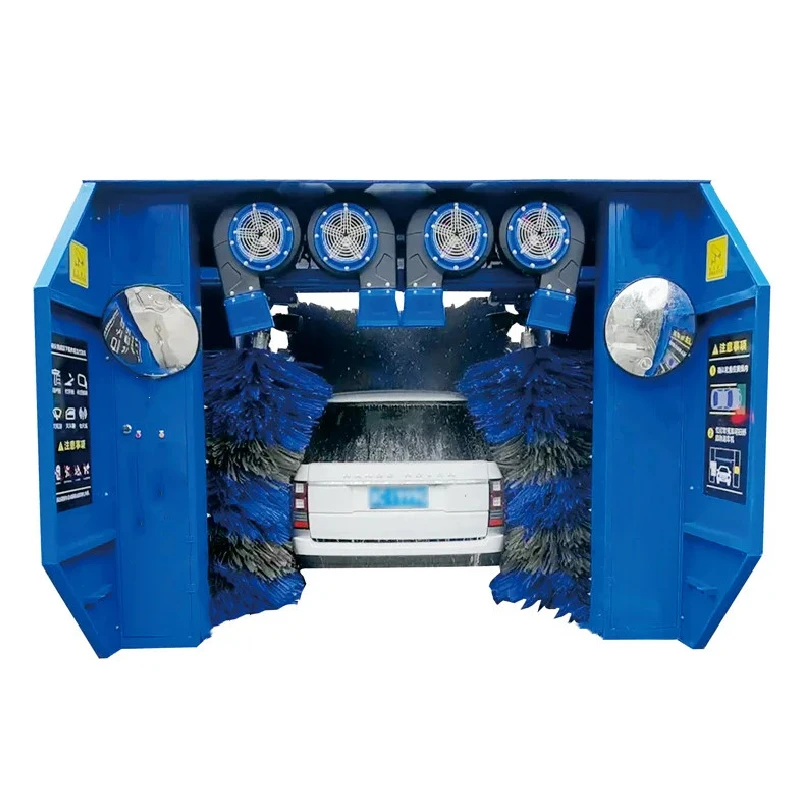
If you’ve ever worked around industrial equipment or automotive services, you know there’s more to a car wash station than just water and soap. Frankly, it’s a complex synergy of engineering, materials, and workflow efficiency. Over the years, I’ve seen these systems evolve — from simple hose-and-brush setups to fully automated wonders that can be customized to almost any customer need.
Oddly enough, not many outside the industry realize how much design and testing go into a car wash station. These units must withstand high-pressure water, harsh detergents, and sometimes abrasive brushes, all while maintaining smooth operation day after day. Reliability is everything; downtime can quickly eat into profits, especially in busy service centers.
From the industrial perspective, the materials used are critical. Typically, corrosion-resistant metals like stainless steel or specially treated aluminum form the framework, while seals and gaskets rely on long-lasting synthetic rubbers resistant to chemicals and UV exposure. I remember one project where improper material choice led to early corrosion and costly repairs — a costly lesson in vendor and material selection.
In terms of automation, many engineers I’ve talked to highlight the growing importance of programmable controls and sensors. These allow operators to tailor wash cycles for different vehicle sizes and dirt levels — not to mention water and chemical savings. It feels like the sector is moving steadily towards more sustainable solutions, which helps operations not just economically but environmentally.
Key Technical Specifications
| Specification | Typical Value | Notes |
|---|---|---|
| Water Pressure | 100 - 140 psi | Adjustable for different wash cycles |
| Power Supply | 220V / 380V 3-phase | Depends on automation options |
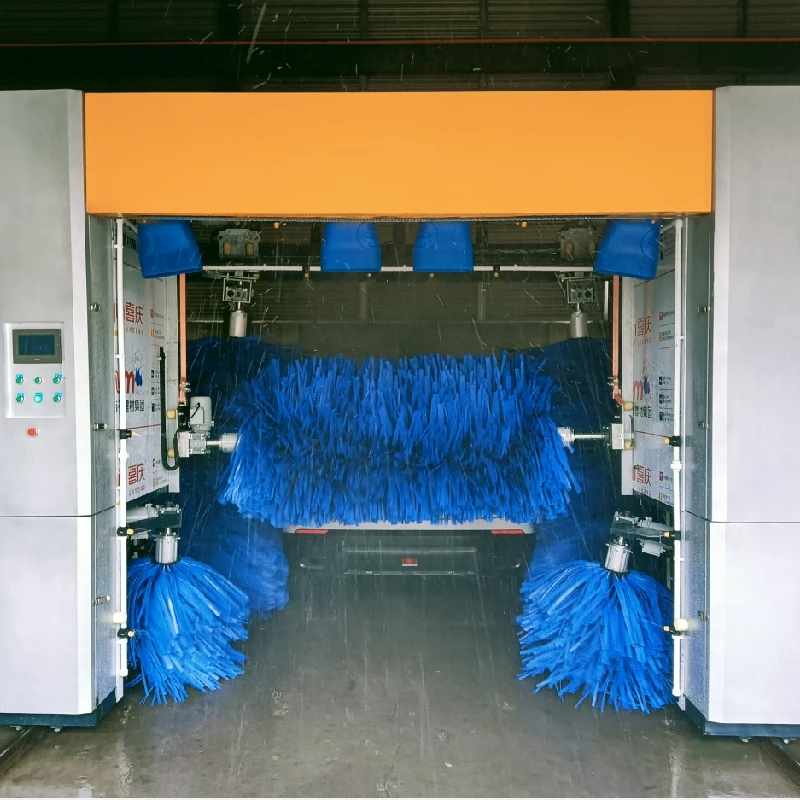
| Brush Type | Soft nylon or microfiber | Gentle on paint surfaces |
| Cycle Duration | 4-7 minutes | Variable by wash program |
| Water Consumption | 40-60 liters per cycle | Depends on recycling system |
Comparing Leading Vendors
When you’re choosing a supplier — and trust me, I’ve been on both sides of these negotiations — the devil’s in the details. Here’s a quick side-by-side comparison of three well-known vendors. Each has its quirks, and depending on your location or budget, one will fit better than others.
| Feature | Vendor A | Vendor B | Vendor C |
|---|---|---|---|
| Automation Level | Fully Automated | Semi-Automated | Manual Operation |
| Build Material | Stainless Steel 304 | Aluminum Alloy | Galvanized Steel |
| Cycle Speed (min) | 4.5 | 6 | 7 |
| Water Recycling | Yes (90%+ efficiency) | Partial | No |
| Warranty | 3 years | 2 years | 1 year |
One anecdote I always recall is from a medium-sized auto shop that switched from a manual vendor C model to a fully automated vendor A system. The owner told me their throughput doubled, and they saved more on water bills than they expected — which, frankly, was a pleasant surprise to everyone involved.
Customization options are worth mentioning too. Many stations now come with programmable cycles, brush softness adjustments, and detergent mix controls. It feels almost like the car wash world is catching up with the smart tech wave — sensors detect dirtier vehicles for heavier washes, while lighter ones get a gentler, quicker clean. This kind of flexibility is gold in today's competitive environment.
Of course, no equipment is perfect. Make sure your supplier has a solid support network – guaranteed parts availability and responsive maintenance can make the difference between a minor hiccup and a major downtime headache. That’s something I learned the hard way, after holding off on service contracts to cut costs. Spoiler: not worth it.
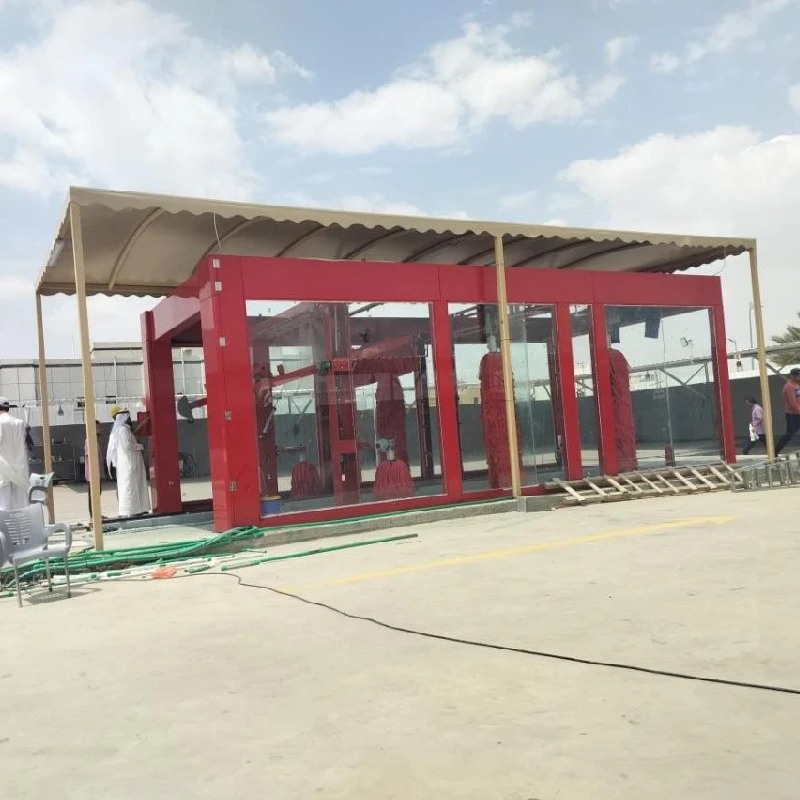
In real terms, investing in a quality car wash station means balancing upfront cost, durability, and operational efficiency. It pays to research and visit installations if possible; seeing the equipment in action tells you more than any brochure ever could.
Overall, the road to a flawless wash is paved with good engineering, thoughtful design, and ongoing care.
Takeaway: Choosing the right car wash station ultimately boils down to matching your workflow needs with durable, efficient, and adaptable equipment — and that’s something experience teaches better than anything else.
- “Materials and Corrosion Resistance in Automotive Equipment,” Industrial Engineering Journal, 2022.
- “Automation Trends in Vehicle Maintenance,” Tech Industry Review, 2023.
- Personal experience working with car wash service centers and manufacturers for over 12 years.
-
Best High Pressure Water Jet for Car Wash and Detailing GuideNewsApr.16,2026
-
Professional High Pressure Water Car Wash Systems GuideNewsApr.09,2026
-
Unlock a Professional Shine with High Pressure Spray Wax TechnologyNewsApr.07,2026
-
Choosing the Right High Pressure Nozzle for Car Wash and DetailingNewsApr.04,2026
-
Choosing the Right High Pressure Car Cleaner for Optimal Vehicle CareNewsMar.31,2026
-
Investing in a High Power Car Washing Machine for Business EfficiencyNewsMar.28,2026