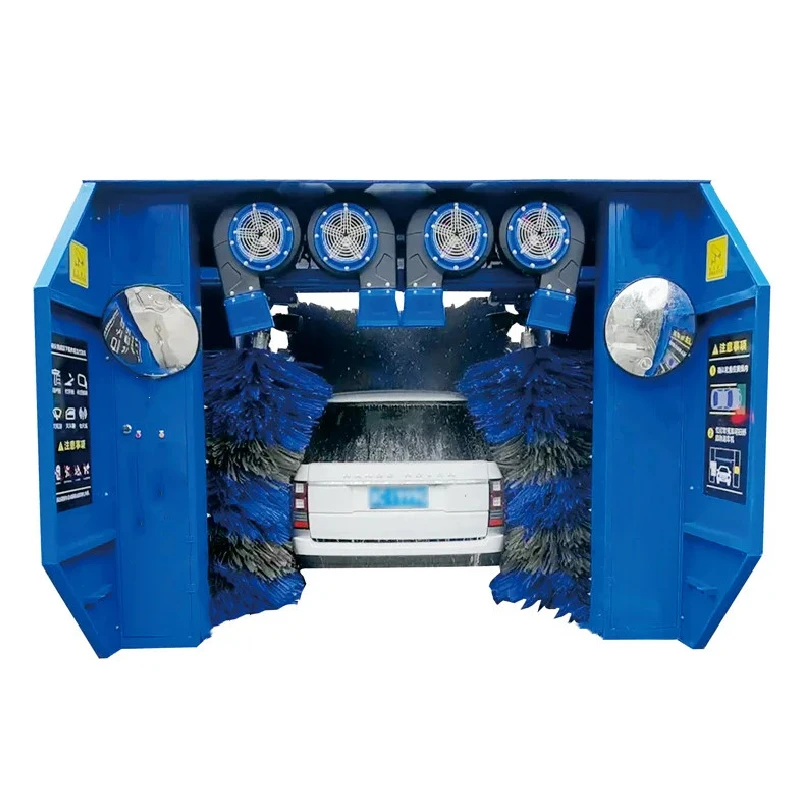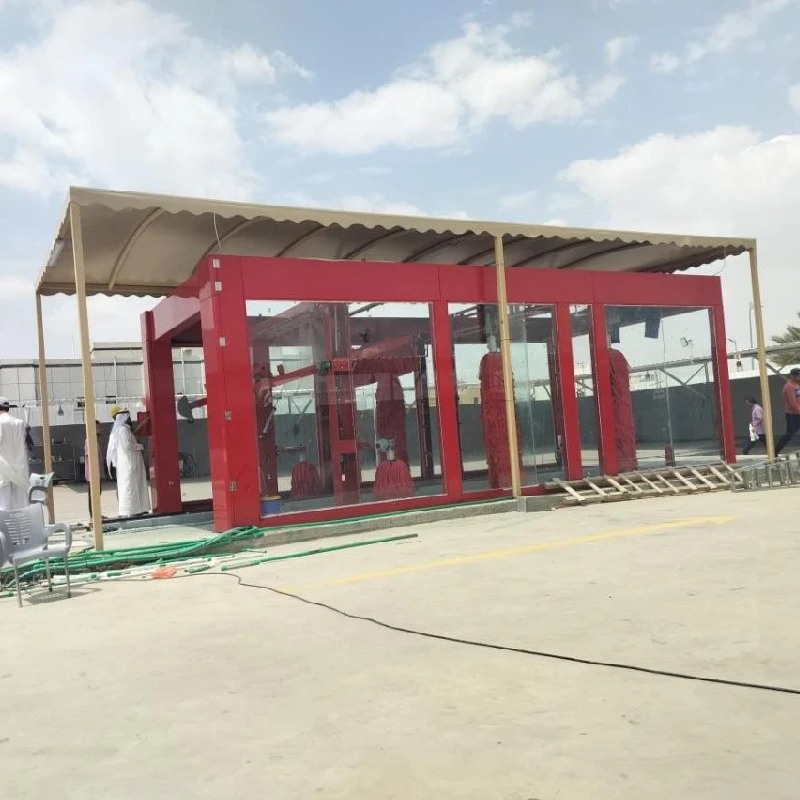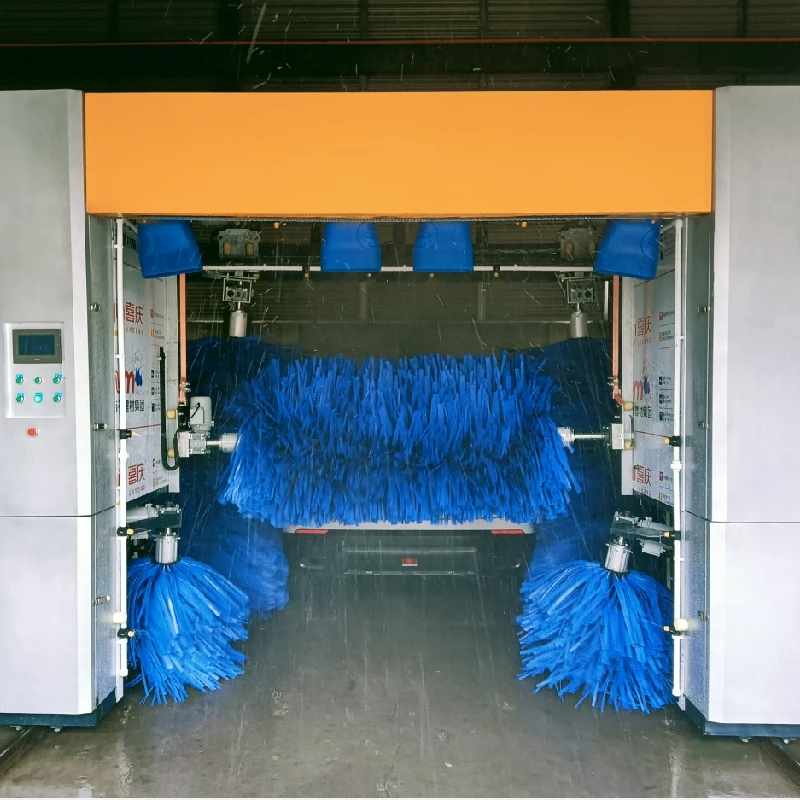
Durable Car Washing Hydraulic Ramp – Efficient & Safe Vehicle Lifting
Understanding the Car Washing Hydraulic Ramp
Having been in the industrial equipment world for over a decade, I can tell you: not all car washing solutions are created equal. Among the many clever inventions out there, the car washing hydraulic ramp holds a special place. It’s one of those underrated workhorses that, frankly, makes the washing process smoother, safer, and more efficient — if you get the right one, that is.
So, what exactly is a hydraulic ramp in car washing? In real terms, it’s a platform that lifts the vehicle steadily using hydraulic power, allowing thorough cleaning underneath — areas often neglected with conventional washers. I remember visiting a busy detailing center where the team bragged about how the ramp saved them countless hours compared to pit washing. The splash of water everywhere is reduced, and operator strain is down, too.
Oddly enough, many engineers say the key to the ramp’s success lies in its design and materials. Heavy-duty steel frames combined with precision hydraulic cylinders resist corrosion and handle weights exceeding several tons. The ramp's surface is often coated with non-slip materials, crucial for safety given all the moisture around. I've seen models with integrated safety locks and emergency stop functions, which are absolute musts in any industrial setting.
Testing these ramps isn’t just about weight capacity — endurance under continuous loading cycles is essential. Manufacturers often run thousands of lift-lower sequences, simulating months of daily use. It feels reassuring knowing these are vetted, especially in environments where downtime costs money and reputation.
| Spec | Details |
|---|---|
| Load Capacity | Up to 8,000 kg (17,600 lbs) |
| Lifting Height | 600 mm – 800 mm |
| Material | High-strength galvanized steel |
| Safety Features | Hydraulic lock, emergency stop, non-slip surface |
| Operation | Electric hydraulic pump with manual override |
| Installation | Surface mounted or flush fitting |
Now, choosing the right supplier is just as critical as picking the right ramp model. Not every vendor offers lasting quality — and that warranty or after-sales support often makes or breaks a purchase. Here’s a quick comparison of three reputable manufacturers I’ve come across, to give you a sense of what to expect:
| Vendor | Warranty | Customization | Automation Level | Price Range |
|---|---|---|---|---|
| HydroRamp Co. | 5 years | Full (sizes & controls) | Semi-automated | $$$ |
| LiftTech Solutions | 3 years | Limited | Manual | $$ |
| DyCar Washer | 4 years | Moderate (controls, options) | Automated | $$$ |
Incidentally, I’ve worked with DyCar Washer ramps myself — they balance modern automation with rugged durability, which oddly enough is a rare combo in this sector. Customers often praise the intuitive controls and the solid build, especially where operations run multiple shifts daily.
To sum up, if you’re in the market for a reliable car washing hydraulic ramp, keep an eye on load capacity, safety features, and vendor reputation. It feels like a simple tool, but getting it right impacts workflow, staff safety, and water management significantly. And with industrial equipment, the devil’s always in the details.
Final Thoughts
You know, investing in quality hydraulic ramps feels less like a cost and more like a long-term productivity booster. When a machine just hums along safely and smoothly, operators breathe easier — and that’s worth a lot in the day-to-day chaos of car washing operations.
References:
1. Technical Papers on Vehicle Lift Safety, Industrial Safety Foundation, 2023.
2. Manufacturer Product Testing Reports, DyCar Washer, 2023.
3. User Experience Surveys, Auto Detailers Association, 2022.
-
Best High Pressure Water Jet for Car Wash and Detailing GuideNewsApr.16,2026
-
Professional High Pressure Water Car Wash Systems GuideNewsApr.09,2026
-
Unlock a Professional Shine with High Pressure Spray Wax TechnologyNewsApr.07,2026
-
Choosing the Right High Pressure Nozzle for Car Wash and DetailingNewsApr.04,2026
-
Choosing the Right High Pressure Car Cleaner for Optimal Vehicle CareNewsMar.31,2026
-
Investing in a High Power Car Washing Machine for Business EfficiencyNewsMar.28,2026