Comprehensive Guide to Engine Steam Cleaning Machine Technology and Applications
Engine Steam Cleaning Machine: A Comprehensive Guide
Are you looking for a powerful and efficient way to clean engines and other machinery? An engine steam cleaning machine offers a superior alternative to traditional cleaning methods. This article will explore the benefits, applications, types, and key features of engine steam cleaners, helping you choose the right machine for your needs. Steam cleaning provides a deep, thorough clean without the use of harsh chemicals, making it an environmentally friendly and cost-effective solution. We will dive deep into why a steam cleaning machine is a game changer for vehicle maintenance.
Understanding Engine Steam Cleaning
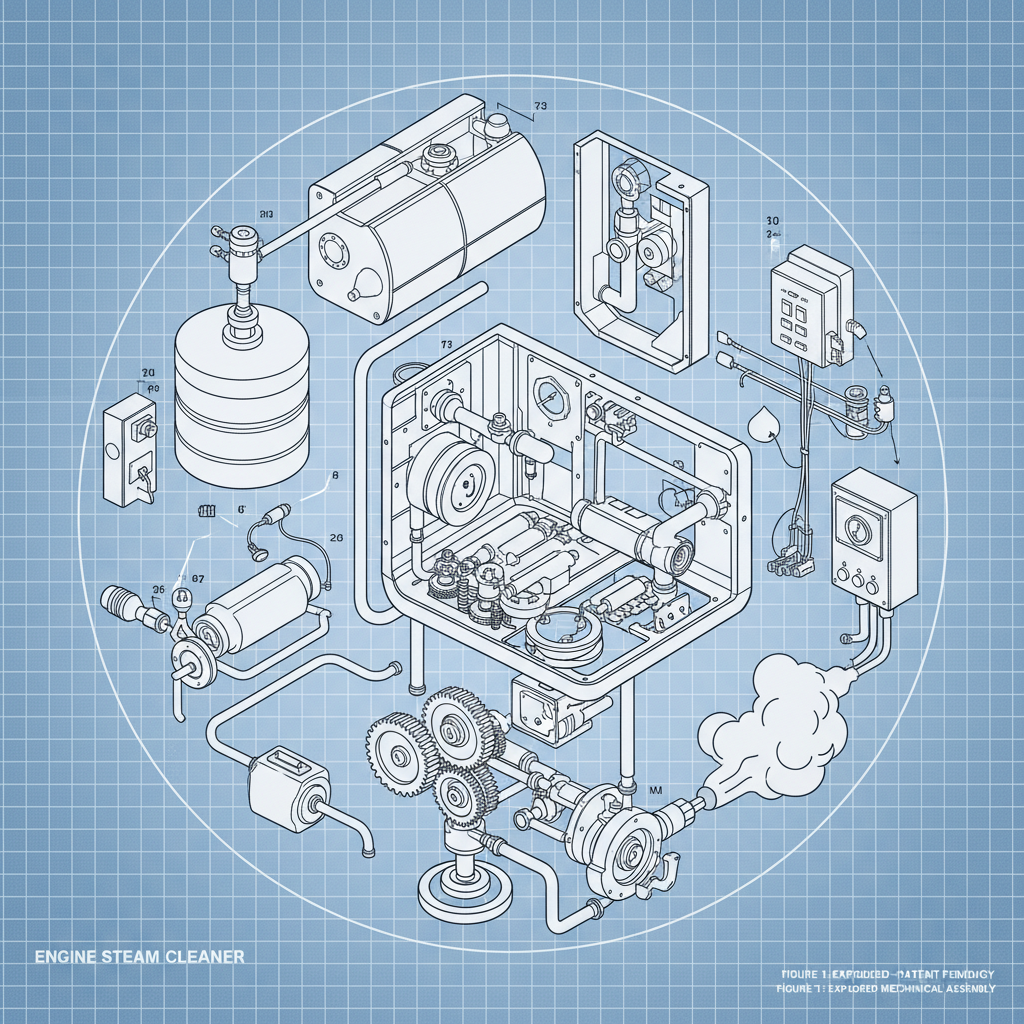
Engine steam cleaning utilizes high-temperature steam to dissolve and remove grease, oil, dirt, and grime from engine components. Unlike traditional pressure washing, steam cleaning doesn't require harsh chemicals and is safe for all engine materials. The steam penetrates even the tightest spaces, providing a comprehensive clean that extends the life of engine parts and improves performance. This method is also favored by mechanics and detailers as it won’t damage sensitive components like wiring harnesses or rubber seals. DYCAR Washer provides high-quality engine steam cleaning machines.
Key Benefits: Powerful cleaning without harsh chemicals, deep penetration into tight spaces, safe for all engine materials, extends engine life, improves performance.
Applications of an Engine Steam Cleaning Machine
Engine steam cleaning machines aren't just for automotive engines. They have a wide range of applications across various industries. These include cleaning heavy machinery in construction, maintaining industrial equipment, detailing motorcycles and boats, and even degreasing parts in manufacturing facilities. The versatility of these machines makes them a valuable asset for any business or individual who needs to keep their equipment clean and running smoothly. Furthermore, steam cleaning is often preferred in environmentally sensitive areas due to its chemical-free nature.
Versatile Cleaning Applications:
• Automotive engine cleaning
• Heavy machinery degreasing
• Industrial equipment maintenance
• Motorcycle and boat detailing
Types of Engine Steam Cleaning Machines
There are several types of engine steam cleaning machines available, each with its own advantages and disadvantages. These include:
Key Features to Consider When Choosing
When selecting an engine steam cleaning machine, consider factors like steam pressure (measured in PSI or bar), water tank capacity, heating time, and available accessories. A higher steam pressure will provide more cleaning power, while a larger water tank allows for longer cleaning sessions. Look for machines with adjustable steam settings and a variety of nozzle attachments to tackle different cleaning tasks. It’s also essential to consider the machine’s build quality and durability to ensure it can withstand regular use. DYCAR Washer offers machines with all these features.
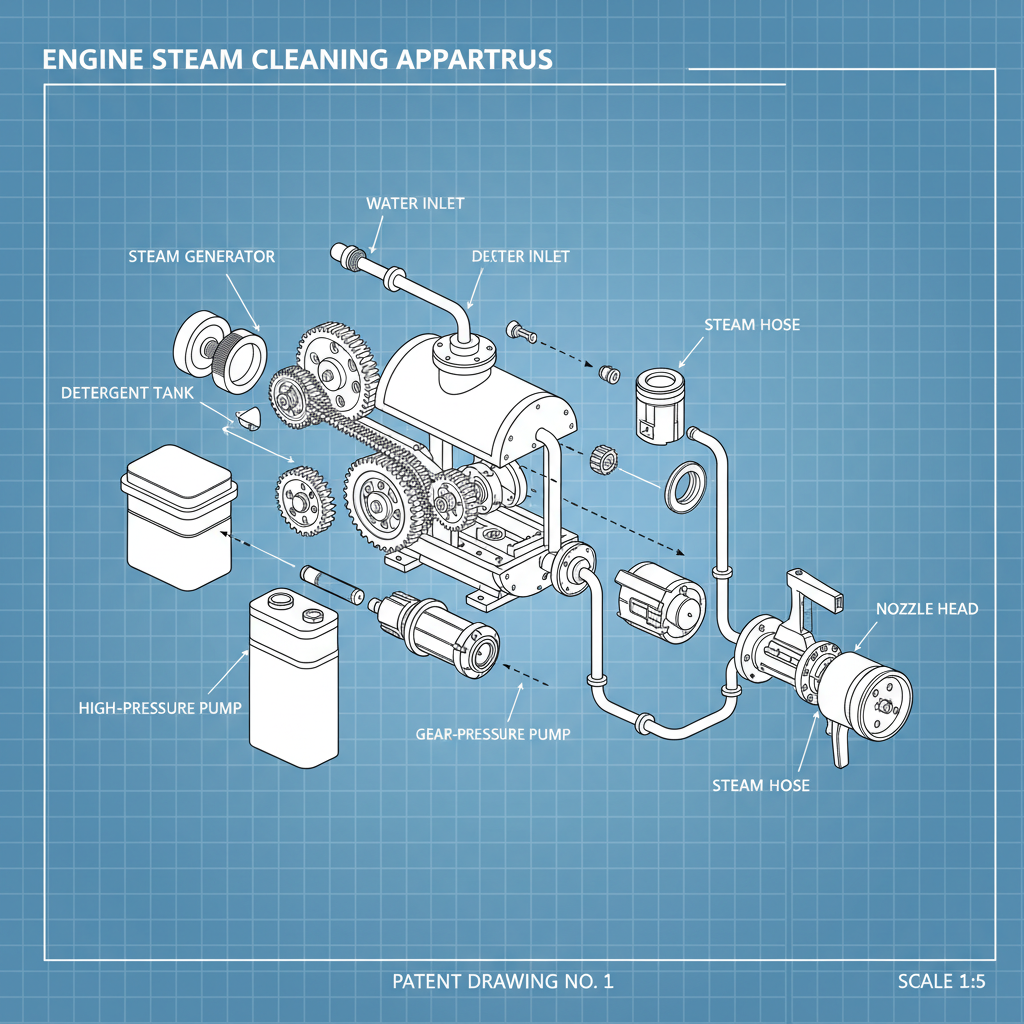
Product Specifications: DYCAR Steam Cleaning Machine
Here’s a quick overview of a popular DYCAR Steam Cleaning Machine model:
Conclusion: Invest in a Cleaner Future
An engine steam cleaning machine is a worthwhile investment for anyone seeking a powerful, efficient, and environmentally friendly cleaning solution. From automotive professionals to industrial maintenance teams, these machines offer a significant advantage over traditional cleaning methods. Explore the options available at DYCAR Washer to find the perfect machine for your specific needs.
Frequently Asked Questions (FAQs)
What is the difference between steam cleaning and pressure washing?
Steam cleaning uses high-temperature steam to loosen and dissolve dirt and grime, while pressure washing uses high-pressure water. Steam cleaning is gentler and doesn't require harsh chemicals, making it safer for sensitive components and the environment. Pressure washing can be more aggressive and may damage certain materials. Steam cleaning excels at degreasing and removing stubborn contaminants, while pressure washing is better suited for removing loose debris.
How do I maintain my engine steam cleaning machine?
Regular maintenance is crucial for ensuring the longevity of your machine. This includes draining the water tank after each use to prevent mineral buildup, cleaning the nozzles regularly, and checking for any leaks or damage. Follow the manufacturer’s instructions for descaling the boiler to remove calcium deposits. Proper storage in a dry and clean environment will also help maintain its performance.
Is steam cleaning safe for all engine components?
While steam cleaning is generally safe, it’s essential to use caution around sensitive electrical components and wiring. Avoid directly spraying steam onto connectors or exposed wiring. It's also advisable to cover or protect any components that may be susceptible to water damage. Using the correct nozzle and steam pressure settings can minimize the risk of damage.
What are the environmental benefits of steam cleaning?
Steam cleaning eliminates the need for harsh chemicals and solvents, reducing harmful emissions and waste. This makes it a more environmentally friendly cleaning option compared to traditional methods. It also minimizes water consumption, as steam cleaning uses significantly less water than pressure washing. Choosing steam cleaning demonstrates a commitment to sustainable practices.
-
Best High Pressure Water Jet for Car Wash and Detailing GuideNewsApr.16,2026
-
Professional High Pressure Water Car Wash Systems GuideNewsApr.09,2026
-
Unlock a Professional Shine with High Pressure Spray Wax TechnologyNewsApr.07,2026
-
Choosing the Right High Pressure Nozzle for Car Wash and DetailingNewsApr.04,2026
-
Choosing the Right High Pressure Car Cleaner for Optimal Vehicle CareNewsMar.31,2026
-
Investing in a High Power Car Washing Machine for Business EfficiencyNewsMar.28,2026